Somerville, Massachusetts has undergone one of the most dramatic transformations of any city in the Greater Boston area over the past decade. What was once considered a working-class enclave just north of Cambridge has evolved into one of the most sought-after residential destinations in all of New England. As we move through 2026, the Green Line Extension continues to reshape neighborhoods, drive up property values, and attract a wave of new residents who want walkable transit access without paying Cambridge or Boston proper prices. Whether you are a first-time buyer, a seasoned real estate investor, or a renter trying to understand your options, this comprehensive Somerville neighborhood guide will walk you through everything you need to know about living, buying, and investing in this fast-moving market.
Boston Renter Intelligence Survey
How does your rent compare?
Add your numbers and get an instant read on what share of your income goes to rent, measured against what Boston renters actually report. You will also get the Q3 report free on October 7.
See how your rent compares →Why Somerville Real Estate Matters in 2026
Somerville is now one of the densest cities in the United States, and that density is no accident. Years of deliberate urban planning, combined with the transformative power of the Green Line Extension, have made this city a magnet for young professionals, tech workers, academics, and families who want urban convenience with slightly more breathing room than Boston proper allows. The 2026 real estate market here reflects those pressures in every single statistic, from median home prices to average days on market.
For anyone serious about understanding Boston area housing trends, Somerville cannot be ignored. It sits at a unique intersection of demand drivers, including proximity to MIT, Harvard, Tufts University, and the booming Kendall Square tech corridor. When you look at Boston Housing Data compiled for the current cycle, Somerville consistently ranks among the top appreciating markets in the metro area, outpacing many established neighborhoods in terms of year-over-year price growth.
The combination of limited housing stock, surging demand, and improved transit access has created a competitive environment that rewards buyers who are prepared and discourages those who wait on the sidelines. Understanding each individual neighborhood within Somerville is the first step toward making a smart real estate decision in this city.
The Green Line Extension: A Game Changer for Every Neighborhood
No discussion of Somerville real estate in 2026 can begin without a thorough examination of the Green Line Extension, often called the GLX. This transit expansion project brought light rail service into Somerville for the first time in generations, connecting previously underserved neighborhoods directly to downtown Boston, the Longwood Medical Area, and beyond. The stations that opened along the corridor have fundamentally altered the real estate calculus in every part of the city they touch.
What the GLX Actually Changed
Before the Green Line Extension opened its Somerville stations, residents in neighborhoods like East Somerville and Gilman Square had to rely on buses or drive to Red Line stations in Cambridge to access rapid transit. That friction added time, inconvenience, and ultimately suppressed property values in those corridors. Once GLX service became reliable and residents saw the real-world commute improvements, the market responded almost immediately.
Properties within a half-mile radius of GLX stations saw the sharpest appreciation. Landlords increased rents, sellers raised asking prices, and buyers competed aggressively for any available inventory. The effect has been so pronounced that real estate professionals now categorize Somerville properties partly by their walking distance to a GLX stop, much the way properties near the Red Line were evaluated in previous decades.
Station by Station Impact on Property Values
The Union Square station has arguably had the most dramatic effect on surrounding real estate. Union Square itself has long been a beloved commercial and cultural hub, but transit access accelerated a redevelopment boom that brought new mixed-use buildings, renovated storefronts, and an influx of higher-income residents. Condos and multifamily properties near Union Square have seen some of the strongest appreciation in the entire Boston metro area over the past two years.
Gilman Square and Washington Street stations have brought new life to the Inner Belt and Brickbottom districts, areas that were once primarily industrial but are now seeing rapid residential conversion and new construction. East Somerville, long one of the more affordable neighborhoods in the city, has experienced significant rent pressure since its GLX station became operational, raising important questions about displacement and affordability for long-time residents.
Neighborhood by Neighborhood Breakdown for 2026
Davis Square
Davis Square has long been the crown jewel of Somerville real estate, and 2026 has done nothing to change that status. Anchored by its Red Line station and surrounded by restaurants, theaters, and independent businesses, Davis Square commands premium prices for good reason. Median condo prices here regularly exceed the citywide average, and single-family homes in the immediate vicinity are rare and expensive when they do appear.
Renters in Davis Square face a tight market with limited availability and rents that reflect the neighborhood’s desirability. Studios and one-bedroom apartments are particularly scarce, and prospective tenants should expect competition for any well-maintained unit near the square itself.
Union Square
Union Square represents one of the most interesting real estate stories in Greater Boston right now. The neighborhood has always had character, with its diverse food scene, artists, and community-minded residents, but the GLX connection has supercharged its development trajectory. New construction has brought luxury condominiums, boutique apartment buildings, and commercial spaces that cater to a more affluent demographic than the neighborhood traditionally served.
Ball Square and Magoun Square
Ball Square and Magoun Square sit between Davis Square and Medford, offering slightly more accessibility for buyers who have been priced out of the city’s most expensive pockets. These neighborhoods have a genuine neighborhood feel, with local bars, coffee shops, and community events that give them strong residential character beyond just their real estate metrics.
In 2026, these two squares represent some of the better value propositions in Somerville. Prices are still elevated by historical standards, but buyers can occasionally find two and three family homes that allow for house-hacking strategies where rental income from additional units offsets ownership costs significantly. This approach has made Ball Square and Magoun Square popular with owner-occupants who want to build equity while managing their housing expenses.
East Somerville
East Somerville is the neighborhood that perhaps best illustrates the complicated relationship between transit investment and neighborhood change. For years, East Somerville was one of the most affordable parts of the city, home to longtime working-class families, recent immigrants, and artists who needed lower rents. The GLX changed that equation considerably.
Rents in East Somerville have risen sharply since GLX service improved transit access. The neighborhood’s proximity to Assembly Square, the Encore Boston Harbor casino complex, and the broader Sullivan Square redevelopment area has made it attractive to developers and investors who previously overlooked it. While this has brought new amenities and improved infrastructure, it has also created real affordability concerns for residents who have deep roots in the community.
Are You a Licensed MA Real Estate Agent?
List your Boston rentals and properties free on Homzora. Zero fees. Zero commissions. Direct leads sent to you.
For buyers, East Somerville still offers better value per square foot than Davis Square or Union Square, but the gap is closing. Acting sooner rather than later may be the prudent strategy for buyers who believe in the neighborhood’s continued trajectory.
Winter Hill
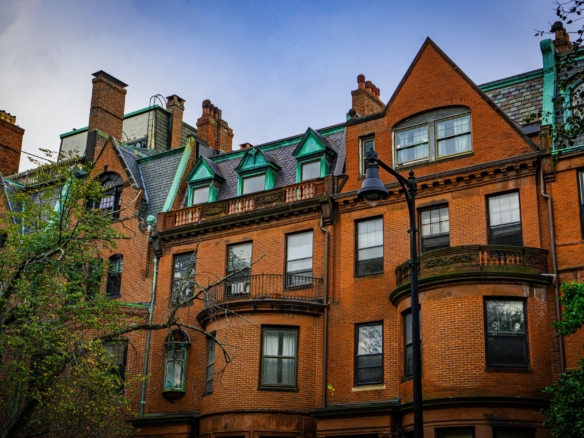
Winter Hill occupies the higher elevation of Somerville and has traditionally been a more residential, quieter area compared to the commercial squares. It has a strong stock of Victorian-era multifamily homes, and in 2026 those properties continue to attract both investors and owner-occupants. The neighborhood benefits from views, a sense of space that more urban Somerville neighborhoods lack, and ongoing spillover demand from buyers priced out of tighter markets.
Understanding Rising Rents in Somerville
Somerville rents have climbed steadily for years, but the pace of increases in the 2024 through 2026 period has been particularly notable. Several forces are driving this trend simultaneously. First, housing production has not kept pace with demand despite significant new construction activity. Second, the GLX has expanded the effective footprint of desirable transit-accessible neighborhoods, pushing renter demand into areas that previously had softer markets. Third, the overall Boston metro housing market remains constrained by geography, restrictive zoning in surrounding suburbs, and high construction costs.
What Renters Are Actually Paying
In 2026, one-bedroom apartments in prime Somerville locations like Davis Square and Union Square regularly list above two thousand dollars per month, with many units commanding significantly more. Two-bedroom apartments in desirable areas frequently range from two thousand eight hundred to over three thousand five hundred dollars depending on condition, amenities, and exact location. Three-bedroom units, which are particularly scarce in quality form, can easily exceed four thousand dollars per month in the most competitive locations.
Even neighborhoods that were once considered affordable entry points, including parts of East Somerville and Winter Hill, have seen rents rise to levels that put serious pressure on moderate-income households. This dynamic has intensified the political conversation in Somerville around tenant protections, rent stabilization, and affordable housing requirements for new developments.
Tips for Navigating the Rental Market
Investment Considerations for Somerville Properties
Somerville multifamily properties remain among the most coveted investment assets in the Greater Boston market. The city’s density, transit access, and persistently strong rental demand create conditions that support consistent cash flow and long-term appreciation. However, investors need to enter this market with clear eyes about the challenges as well as the opportunities.
Cap rates in Somerville have compressed alongside rising prices, meaning investors need to work harder to make numbers pencil out compared to a decade ago. Success in this market typically requires either a value-add strategy, accepting lower initial cash flow in exchange for appreciation, or identifying emerging submarkets before they fully reprice. The GLX corridor has already created winners among investors who recognized the transit potential early. The next opportunities may lie in adjacent neighborhoods in Medford and Malden that continue to benefit from spillover demand.
For investors comparing different Boston area neighborhoods and trying to understand where the best opportunities exist across the metro, using a comprehensive resource like the Boston Neighborhood Finder tool can help clarify which areas align best with specific investment criteria and risk tolerance.
The Future of Somerville Real Estate Beyond 2026
Looking ahead, the fundamentals that have driven Somerville real estate appreciation show no signs of reversing. The city’s location between Cambridge and Medford, its established cultural identity, and its improving transit infrastructure position it well for continued demand. Development pipelines in Union Square, Assembly Row, and the Inner Belt area will bring additional housing supply, but analysts generally expect demand to absorb new units without causing significant price corrections.
Climate resilience is an emerging consideration for Somerville real estate. The city has invested in green infrastructure and has made commitments to sustainable development standards that may give it advantages as environmental concerns become more prominent in buyer decision-making. Properties with energy-efficient features, good insulation, and modern mechanical systems will likely command premiums as operating cost concerns grow.
The ongoing maturation of the GLX, including any future service improvements or schedule enhancements, will continue to influence specific submarket performance. Neighborhoods along or near the corridor that have not yet fully repriced may still offer windows of opportunity for buyers and investors who act before those adjustments occur.
Working With the Right Real Estate Partner in Somerville
Navigating the Somerville market in 2026 requires local expertise, market intelligence, and a professional partner who understands the nuances of each neighborhood and each property type. Whether you are buying your first home, expanding an investment portfolio, searching for a rental, or considering selling into this competitive environment, having the right guidance makes a measurable difference in outcomes.
The Somerville market moves quickly and rewards preparation. Buyers who have their financing in order, understand their target neighborhoods, and work with knowledgeable real estate professionals consistently secure better outcomes than those who approach the market unprepared. Sellers who price strategically and present their properties effectively achieve the strongest possible results in a market that, while still competitive, has become more nuanced than the frenzied conditions of a few years ago.
If you are ready to take the next step in your Somerville or Greater Boston real estate journey, the team at Homzora is here to help. With deep knowledge of the local market, access to comprehensive data, and a commitment to client success, Homzora provides the professional guidance you need to make confident real estate decisions in one of the most dynamic markets in the country. Visit homzorarealty.com today to explore listings, read market insights, connect with an experienced agent, and take the first step toward achieving your real estate goals in Somerville and throughout Greater Boston.
Stay Ahead of the Boston Market
Monthly insights on Boston rents, home tips, and investment opportunities delivered free to your inbox.
Related Boston Housing Resources