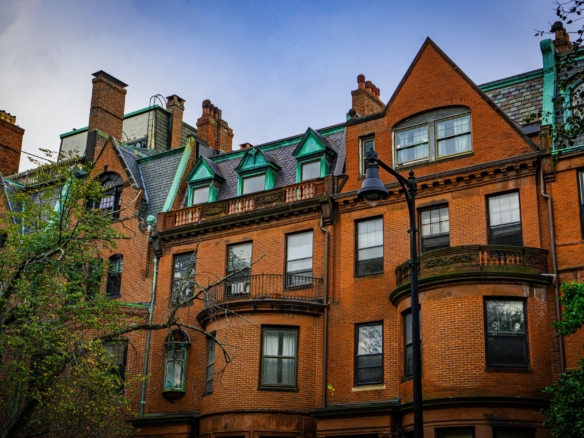
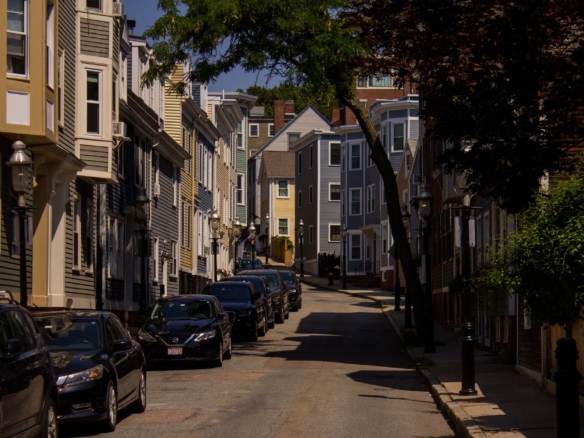
East Boston has quietly become one of the most compelling real estate investment stories in all of New England. While seasoned investors have been paying attention for years, 2026 is shaping up to be the year that Eastie truly steps into the spotlight. With accelerating gentrification, rising cap rates in certain asset classes, a documented history of strong appreciation, and a pipeline of future development projects that rivals any neighborhood in the city, East Boston deserves a serious look from every investor who wants to build long term wealth in the Greater Boston market.
The Investment Case for East Boston in 2026
Let us be direct about why East Boston attracts so much investor attention. The neighborhood sits minutes from downtown Boston via the Blue Line, offers waterfront access along the Chelsea Creek and the inner harbor, and remains one of the few places in the city where land and multifamily properties can still be acquired at price points that pencil out for cash flow investors. That combination is exceedingly rare in a market as competitive and expensive as Boston.
For investors who are tired of chasing trophy assets in Back Bay or Beacon Hill at cap rates that barely clear 3 percent, East Boston offers a refreshing alternative. Multifamily properties in Eastie, particularly two, three, and four unit buildings, have been trading at cap rates ranging from 4.5 to 6.5 percent depending on condition, location within the neighborhood, and tenant mix. Those numbers represent real returns in a market where compressed yields have become the norm everywhere else.
Before diving deeper into the numbers, investors who are serious about due diligence should review current Boston Housing Data to understand price trends, inventory levels, and transaction volume across the city. Having that macro picture firmly in mind makes the East Boston story even more compelling when you compare it to competing neighborhoods.
Gentrification Trends Reshaping the Neighborhood
Gentrification is a word that carries different meanings depending on who is speaking, but from a pure investment analysis perspective, it refers to the measurable process of rising incomes, improving infrastructure, new business formation, and shifting demographic patterns within a neighborhood. By every one of those metrics, East Boston has been undergoing a profound transformation for the past decade, and that transformation is accelerating rather than slowing.
The Commercial and Retail Renaissance
Maverick Square and the surrounding blocks have seen a notable influx of new restaurants, coffee shops, fitness studios, and specialty retail over the past several years. This commercial activity is not random. It follows residential investment and rising disposable incomes in the neighborhood. When a neighborhood starts attracting quality independent businesses, it is typically a leading indicator of continued residential appreciation. Investors who understand how to read these signals have been quietly acquiring assets in Eastie well ahead of the broader market’s awareness.
The Arts and Creative Economy Effect
East Boston has developed a genuine arts community centered around spaces like the East Boston Social Center and various waterfront venues. Creative communities have historically served as reliable precursors to broader neighborhood revitalization. Artists and creative professionals move in when rents are still affordable, they build community and culture, and that culture attracts higher income residents over time. Eastie is currently in the middle stages of that well documented cycle, which means investors entering now are positioned ahead of the curve rather than chasing it.
Infrastructure Investment as a Catalyst
The East Boston Harborwalk expansion, improvements to Bremen Street Park, and ongoing investments in the neighborhood’s public realm signal that both the city and private developers see long term value here. Public infrastructure spending reliably drives private investment and residential demand. The relationship between improved parks, walkable streetscapes, and rising property values is well established across dozens of American cities, and East Boston is following that script precisely.
Cap Rate Analysis and Cash Flow Potential
For investors who prioritize income generation over pure appreciation plays, East Boston’s multifamily market deserves careful analysis. Cap rates in the neighborhood have historically been more attractive than comparable properties in South Boston, Jamaica Plain, or Cambridge, reflecting the market’s earlier stage of development. As gentrification matures and rents continue rising, those cap rates will compress, meaning that today’s buyers are capturing the spread between current yields and future valuations.
Multifamily Property Performance
Three family homes, which are the workhorses of Boston’s investment property market, have been among the most sought after assets in Eastie. A well maintained triple decker in a central location can generate gross rents that produce initial cap rates in the 5 to 6.5 percent range, with rent growth providing natural improvement to returns over time. Compare that to similar properties in Somerville or Cambridge where cap rates have been crushed to 3 percent or below, and the value proposition becomes immediately clear.
Short Term Rental Considerations
Proximity to Logan International Airport gives East Boston a unique advantage that few other Boston neighborhoods possess. Investors who pursue short term rental strategies, within the boundaries of Boston’s applicable regulations, have found that airport adjacency creates consistent demand from business travelers, flight crews, and visitors who need convenient overnight accommodations. While Boston’s short term rental regulatory environment requires careful navigation, the fundamental demand driver created by Logan is a structural advantage that benefits East Boston landlords indefinitely.
Appreciation History That Validates the Investment Thesis
Skeptics sometimes question whether East Boston’s appreciation trajectory can be sustained, but the historical data tells a compelling story. Over the past decade, median home prices in Eastie have roughly doubled, outperforming many established Boston neighborhoods on a percentage basis. That appreciation has been driven by a combination of improving neighborhood fundamentals, constrained supply, rising citywide demand, and the ongoing spillover effect from wealthier adjacent neighborhoods.
The Spillover Effect from Adjacent Markets
One of the most reliable mechanisms of neighborhood appreciation in dense urban markets is the spillover effect. As prices in core neighborhoods reach levels that price out middle income buyers and investors, demand flows into adjacent areas that offer similar amenities at lower price points. East Boston has been a primary beneficiary of spillover demand from South Boston and the Seaport District, where property values have become inaccessible to most buyers. Eastie offers waterfront access, easy downtown commutes, and a vibrant community at a fraction of the cost, and that relative value proposition continues to attract buyers who drive appreciation.
Year Over Year Price Trends
Even in the more challenging interest rate environment of 2023 and 2024, East Boston properties generally held their value better than many comparable neighborhoods because investor demand provided a floor under prices. When owner occupant demand softened due to financing cost increases, investors stepped in to acquire rental properties, maintaining transaction volume and pricing support. That investor confidence is itself an important data point about the long term fundamentals of the neighborhood.
To understand how East Boston compares to other investment destinations across the city, the Boston Neighborhood Finder is an excellent resource for evaluating different areas based on your specific investment criteria and budget. Making an informed comparison across neighborhoods is a fundamental part of sound investment decision making.
Future Development Pipeline and What It Means for Values
Perhaps the most exciting element of the East Boston investment story is what has not yet been built. The neighborhood’s development pipeline includes projects that will fundamentally reshape its waterfront, its commercial districts, and its residential character over the next decade. Investors who understand what is coming and position themselves accordingly stand to benefit significantly.
Are You a Licensed MA Real Estate Agent?
List your Boston rentals and properties free on Homzora. Zero fees. Zero commissions. Direct leads sent to you.
Waterfront Redevelopment Opportunities
The East Boston waterfront represents one of the most underutilized and consequently most opportunity rich stretches of Boston Harbor. Several significant mixed use development proposals have been working through the planning and approval process, and as these projects move toward construction, the surrounding neighborhood will experience both direct value uplift and increased amenity access that drives residential demand. Investors who acquire properties near planned waterfront development zones are essentially buying optionality on transformative change.
Transit Oriented Development Around the Blue Line
Maverick, Airport, Wood Island, and Orient Heights stations are all centers of transit oriented development activity. The city’s broader housing production goals and the MBTA Communities Act requirements have created additional regulatory pressure to permit higher density housing near transit, which favors East Boston significantly. As multifamily development around these stations increases density and brings new residents, surrounding single family and small multifamily properties benefit from improved retail, services, and overall neighborhood vitality.
Commercial and Mixed Use Projects
Several significant commercial and mixed use projects are either under construction or in the permitting pipeline along Meridian Street and in the vicinity of the waterfront. These projects bring jobs, retail activity, and increased foot traffic that support residential values throughout the surrounding areas. The presence of active commercial development is a strong signal that the market views East Boston as a long term growth area rather than a speculative short term play.
Risk Factors Every Investor Should Consider
A complete investment analysis requires honest evaluation of risks alongside opportunities. East Boston faces several challenges that investors must understand before committing capital.
Climate and Flood Risk
As a low lying coastal neighborhood, parts of East Boston face meaningful exposure to sea level rise and storm surge flooding. Investors should carefully review FEMA flood maps, understand flood insurance requirements and costs, and evaluate the specific elevation and flood zone designation of any property before acquisition. The city has been investing in resilience infrastructure, but individual property risk varies considerably by location within the neighborhood.
Airport Noise and Its Effect on Demand
Proximity to Logan is both an asset and a liability. Flight path noise affects certain parts of the neighborhood more than others, and this can influence both rental demand and resale values in specific locations. Conducting thorough due diligence on prevailing flight paths and noise exposure for any specific property is an important step that sophisticated investors should not skip.
Tenant Screening and Property Management
Protecting Your Investment for the Long Term
Once you have acquired a property in East Boston, protecting it becomes your primary ongoing responsibility. Older multifamily housing stock, which is common throughout Eastie, requires attentive maintenance and the right insurance coverage to prevent small issues from becoming expensive capital events.
Building a Portfolio Strategy Around East Boston
Sophisticated investors rarely approach a single neighborhood in isolation. East Boston works particularly well as part of a broader Boston area portfolio strategy that might also include assets in Chelsea, Revere, or other emerging markets that benefit from many of the same demand drivers. Diversifying across several neighborhoods while maintaining exposure to the East Boston growth story gives investors both the upside participation they are seeking and the risk mitigation that comes from broader geographic diversification.
For investors who are evaluating their first Boston area acquisition, East Boston often represents the right combination of accessible price points, strong rental demand, and meaningful appreciation potential. For investors who are looking to expand existing portfolios, Eastie provides cap rates and growth prospects that are increasingly difficult to find anywhere else in the metro area.
Why 2026 Is a Critical Entry Point
Real estate investment rewards those who act on conviction before a market fully matures. The most successful investors in South Boston, Cambridge, and Somerville were those who acquired assets before those neighborhoods became universally recognized as premium destinations. East Boston is at a similar inflection point today. The fundamentals are clearly positive, the development pipeline is substantial, and the gentrification trajectory is well established. But the pricing still reflects a neighborhood in transition rather than one that has fully arrived.
That window of opportunity will not remain open indefinitely. As more capital recognizes the East Boston story and competes for available assets, cap rates will compress and appreciation will accelerate. Investors who move with conviction in 2026 are positioning themselves at what may prove to be the last genuinely accessible entry point in one of Boston’s most compelling growth markets.
Take the Next Step with Homzora
East Boston represents a real estate investment opportunity that combines near term cash flow potential with long term appreciation prospects in a neighborhood that is genuinely transforming before our eyes. The cap rates are still attractive, the development pipeline is substantial, and the gentrification trends are clearly established and accelerating. For investors who understand Boston’s market dynamics and want to build lasting wealth in one of America’s most supply constrained cities, Eastie deserves to be at the top of your target list in 2026.
Whether you are a first time investor trying to identify the right entry point or an experienced portfolio operator looking to add high potential assets to an existing collection, the team at Homzora has the local knowledge, market data, and investment expertise to help you navigate East Boston’s opportunities with confidence. Visit homzorarealty.com today to connect with our investment specialists and start building your East Boston strategy with the professional guidance your capital deserves.
Stay Ahead of the Boston Market
Monthly insights on Boston rents, home tips, and investment opportunities delivered free to your inbox.
Related Boston Housing Resources