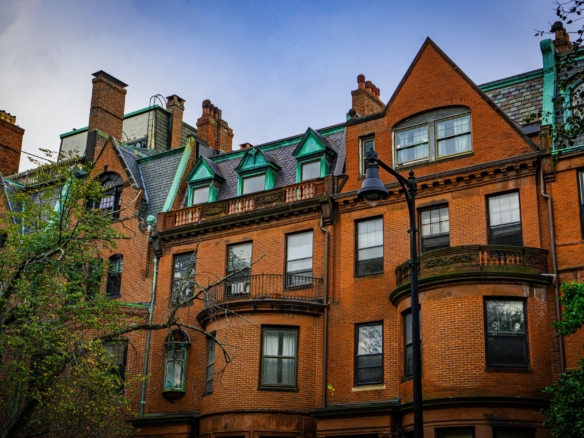
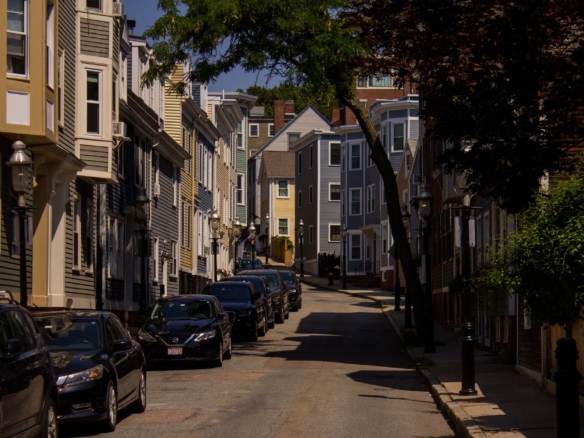
Quincy, Massachusetts continues to attract renters and buyers from across the region who want proximity to Boston without paying Boston prices. In 2026, the city has evolved into one of the most strategically located rental markets in all of Greater Boston, offering a diverse collection of neighborhoods, each with its own personality, price point, and practical appeal. Whether you are a young professional weighing commute times, a family researching school quality, or an investor looking for strong rental demand, understanding the neighborhood breakdown in Quincy is the essential first step toward making a smart housing decision.
Boston Renter Intelligence Survey
How does your rent compare?
Add your numbers and get an instant read on what share of your income goes to rent, measured against what Boston renters actually report. You will also get the Q3 report free on October 7.
See how your rent compares →This guide from Homzora walks you through the specific streets, districts, and pockets of Quincy that matter most in 2026, pairing real commute data with current rental pricing and school performance so you can compare your options with confidence.
Why Quincy Keeps Growing as a Rental Market in 2026
Quincy sits just south of Boston along the Red Line, making it one of the few cities in Massachusetts where residents can genuinely reach Downtown Boston in under thirty minutes by train. As Boston rents have surged well past the affordability threshold for many households, Quincy has absorbed a significant wave of demand from renters who refuse to sacrifice commute convenience but also cannot justify spending three thousand dollars or more per month on a one bedroom apartment.
The city covers a large geographic footprint with distinct neighborhoods that vary dramatically in character and cost. Some areas feel like classic New England residential streets lined with triple deckers and mature trees. Others offer modern waterfront condos and newly constructed apartment buildings with full amenity packages. That range is exactly what makes Quincy worth studying carefully before you sign any lease or put down a deposit.
Before committing to any rental, tenants and landlords alike should ensure their paperwork is airtight. A properly structured LawDepot Lease Agreement protects both parties and clarifies responsibilities around everything from security deposits to maintenance obligations, which is especially important in a competitive rental market where disputes can arise quickly.
Quincy Center: The Urban Core With the Best Red Line Access
Quincy Center is the commercial and transit heart of the city. The Red Line station here places commuters at Downtown Crossing in approximately twenty two minutes and at South Station in about eighteen minutes during off peak hours. During morning rush, expect the actual door to door time to run closer to thirty five minutes when you factor in walking to the platform and waiting for a train.
Rental Prices in Quincy Center in 2026
- Studio apartments: $1,650 to $1,950 per month
- One bedroom apartments: $1,900 to $2,400 per month
- Two bedroom apartments: $2,400 to $3,100 per month
- Three bedroom apartments: $3,000 to $3,800 per month
The higher end of those ranges reflects newer construction near Hancock Street and the redeveloped Quincy Center corridor, where buildings have added amenities including roof decks, in unit laundry, and garage parking. The lower end represents older stock further from the station on streets like Washington Street south of the commercial district.
Schools Serving Quincy Center
Families renting in Quincy Center are primarily served by Lincoln Hancock Community School for elementary grades and Quincy High School at the secondary level. Lincoln Hancock has received consistently above average ratings from parent and education review platforms, scoring in the high 6 to 7 range out of 10 on most metrics. Quincy High School scores similarly, benefiting from a dedicated International Baccalaureate program that draws motivated students from across the district.
Wollaston: Quiet Streets With Surprisingly Fast Commutes
Wollaston is the neighborhood that Boston commuters tend to discover and never leave. It occupies a residential stretch north of Quincy Center, bordered by Quincy Shore Drive along the water and filled with single family homes, well maintained two families, and a modest number of apartment buildings near the Wollaston Red Line station.
The commute from Wollaston station into South Station runs approximately sixteen minutes on a local Red Line train, making it one of the fastest rides into the city from any Quincy neighborhood. Wollaston is also notable for Wollaston Beach, the longest public beach in Massachusetts, which adds genuine quality of life value that a commute calculator simply cannot quantify.
Rental Prices in Wollaston in 2026
- Studio apartments: $1,500 to $1,800 per month
- One bedroom apartments: $1,850 to $2,250 per month
- Two bedroom apartments: $2,300 to $2,950 per month
- Three bedroom apartments: $2,900 to $3,600 per month
Wollaston prices tend to run slightly below Quincy Center for comparable square footage, largely because the neighborhood has less walkable retail and fewer newer buildings. That gap has narrowed as word spread about the commute advantage, and inventory in Wollaston moves quickly when it hits the market.
Schools Serving Wollaston
Wollaston Elementary School is one of the highest rated public elementary schools in the entire Quincy district, earning consistent scores in the 8 out of 10 range and drawing praise for its reading programs and parent engagement levels. Families with children often specifically target Wollaston for this school assignment.
North Quincy: Young Professional Energy With Competitive Pricing
North Quincy has emerged as one of the most popular neighborhoods for young professionals and recent graduates who want a lively street environment, proximity to the Red Line, and rents that feel manageable relative to their income. The North Quincy station is one stop north of Quincy Center, and the commute to South Station averages about fourteen minutes on express service and twenty minutes on local trains.
Newport Avenue and Hancock Street in North Quincy have seen substantial restaurant, coffee shop, and retail investment over the past several years. The area now supports a genuine walkable commercial strip that was mostly absent just five years ago. New apartment buildings have been constructed within short walking distance of the station, and the density of rental options gives prospective tenants meaningful choices.
Rental Prices in North Quincy in 2026
- Studio apartments: $1,700 to $2,050 per month
- One bedroom apartments: $1,950 to $2,500 per month
- Two bedroom apartments: $2,500 to $3,200 per month
- Three bedroom apartments: $3,100 to $3,900 per month
North Quincy commands a slight premium over other Quincy neighborhoods because of its newer housing stock and slightly faster commute times. The competition for units near the Red Line station is intense, and prospective renters should expect to apply quickly and present strong financial documentation.
Schools Serving North Quincy
North Quincy High School serves secondary students from this neighborhood and has built a strong reputation for its Advanced Placement course offerings and college placement rates. It earns ratings between 7 and 8 out of 10 on most education platforms, placing it among the stronger public high schools in Norfolk County. At the elementary level, Atherton Hough School receives solid mid range reviews with particular strength in math curriculum.
Merrymount: Family Focused Living With a Suburban Feel
Merrymount sits in the southern portion of Quincy near the border with Braintree and carries a distinctly suburban character compared to the transit oriented neighborhoods closer to the Red Line. Streets here are quieter, lots are larger, and the housing stock leans toward single family homes and spacious two family buildings rather than apartment complexes.
Are You a Licensed MA Real Estate Agent?
List your Boston rentals and properties free on Homzora. Zero fees. Zero commissions. Direct leads sent to you.
The commute trade off is real. Merrymount residents without a car near a Red Line station typically need to drive or take a bus to Quincy Center or Braintree station to catch a train into Boston. Door to door commute times to Downtown Boston realistically run forty to fifty five minutes for most residents, which is meaningfully longer than in North Quincy or Wollaston.
Rental Prices in Merrymount in 2026
- One bedroom apartments: $1,700 to $2,100 per month
- Two bedroom apartments: $2,100 to $2,700 per month
- Three bedroom apartments: $2,700 to $3,400 per month
Merrymount offers better value per square foot than any other Quincy neighborhood with Red Line access. Families who prioritize space, yard access, and school quality over commute speed consistently gravitate toward this area.
Schools Serving Merrymount
Merrymount Elementary School is widely considered the jewel of the Quincy public school system at the elementary level, regularly receiving ratings of 8 to 9 out of 10 across parent satisfaction, academic performance, and teacher quality metrics. For families with school age children, the school assignment alone makes Merrymount worth serious consideration even accounting for the longer commute.
Squantum and Marina Bay: Waterfront Living in Quincy
Squantum occupies a narrow peninsula at the northeastern edge of Quincy, bordered by the Neponset River and Quincy Bay. The neighborhood has a fiercely loyal residential community and a reputation for privacy and natural beauty that few urban adjacent neighborhoods can match. Marina Bay, located further south near the Fore River waterfront, offers modern condominium style living in a setting that feels far more coastal resort than commuter suburb.
Neither Squantum nor Marina Bay have direct Red Line station access within walking distance. Most residents drive to Wollaston, North Quincy, or Quincy Center stations, adding fifteen to twenty minutes to total commute times and pushing door to door travel to Boston to approximately forty five to sixty minutes.
Rental Prices in Squantum and Marina Bay in 2026
- One bedroom apartments: $1,800 to $2,400 per month
- Two bedroom apartments: $2,400 to $3,200 per month
- Three bedroom units and townhomes: $3,200 to $4,500 per month
Marina Bay in particular commands premium pricing for waterfront units with harbor views, covered parking, and amenity packages. The lifestyle appeal justifies the cost for many renters who prioritize environment and space over commute optimization.
Comparing Quincy Neighborhoods: Commute and Cost Summary
Understanding how these neighborhoods compare side by side helps renters make faster decisions when inventory is moving quickly. Here is a practical comparison of commute times to South Station and average one bedroom rents across Quincy neighborhoods in 2026.
- North Quincy: 14 to 20 minutes to South Station, average one bedroom $2,200 per month
- Wollaston: 16 to 22 minutes to South Station, average one bedroom $2,050 per month
- Quincy Center: 18 to 25 minutes to South Station, average one bedroom $2,150 per month
- Merrymount: 40 to 55 minutes to South Station, average one bedroom $1,900 per month
- Squantum and Marina Bay: 45 to 60 minutes to South Station, average one bedroom $2,100 per month
For renters comparing Quincy to Boston options directly, the Boston Neighborhood Finder from Homzora provides a detailed comparison tool across price, commute, and lifestyle factors that can help clarify whether Quincy or a specific Boston neighborhood is the better fit for your situation.
School District Overview for Quincy in 2026
The Quincy Public Schools district operates under a philosophy of neighborhood school assignments with some flexibility for choice programs. Across the district, the average school quality ratings have improved steadily over the past decade, driven by curriculum investment, special education support, and a relatively stable property tax base that funds competitive teacher salaries.
Key benchmarks for 2026 across the district include a high school graduation rate above 93 percent, a four year college enrollment rate near 72 percent among graduates, and strong performance in AP and IB coursework at both Quincy High and North Quincy High. For families where school assignment is a primary driver of neighborhood selection, Wollaston and Merrymount consistently deliver the strongest elementary school experiences.
Protecting Your Investment in a Quincy Rental Property
Planning ahead for maintenance is one of the clearest differences between landlords who build sustainable rental portfolios in Quincy and those who struggle with unexpected expenses eating into profitability.
How Quincy Fits Into the Broader Boston Housing Market
Quincy does not exist in isolation. Understanding how it compares to neighboring communities and to Boston itself requires looking at regional trends alongside local pricing. The Boston Housing Data resource from Homzora provides updated market statistics across the Greater Boston region, giving renters, buyers, and investors a broader context for evaluating whether Quincy pricing represents genuine value relative to alternatives like Braintree, Milton, or the Boston neighborhoods closest to the Red Line.
In nearly every comparison, Quincy offers a meaningful cost advantage over equivalent Boston zip codes while maintaining commute times that remain practical for daily office travel. That combination has defined the Quincy rental market for years and shows no signs of reversing in 2026.
Final Thoughts on Renting in Quincy in 2026
Quincy is not a single neighborhood. It is a collection of distinct communities, each with its own trade offs around commute time, rental cost, school quality, and lifestyle character. North Quincy delivers speed and vibrancy. Wollaston delivers balance and beach access. Merrymount delivers space and school quality. Quincy Center delivers walkability and convenience. Marina Bay and Squantum deliver waterfront living with a quieter residential personality.
The right neighborhood depends entirely on your priorities. A young professional who commutes to the Financial District five days per week will make a very different calculation than a family of four evaluating elementary school assignments. Both can find excellent options within the city of Quincy at price points that continue to outperform what comparable Boston neighborhoods require.
Stay Ahead of the Boston Market
Monthly insights on Boston rents, home tips, and investment opportunities delivered free to your inbox.
Power Backup for Boston Homeowners
Power your Boston home or rental property with BLUETTI portable power stations. Perfect backup power for New England winters and storm season.
Related Boston Housing Resources