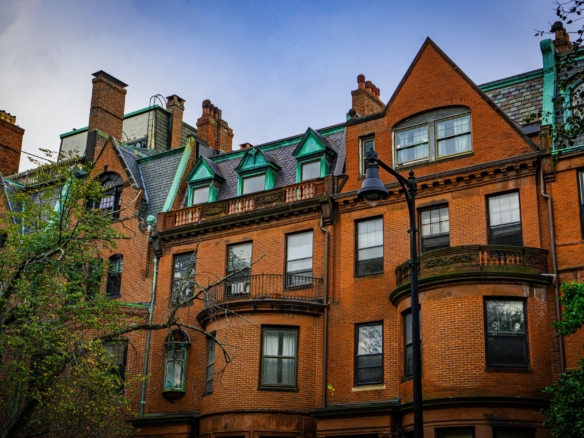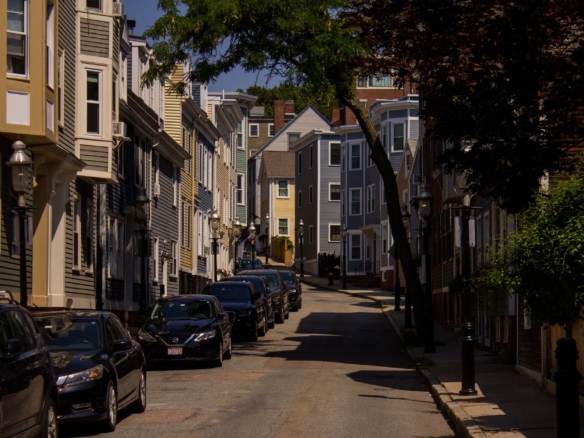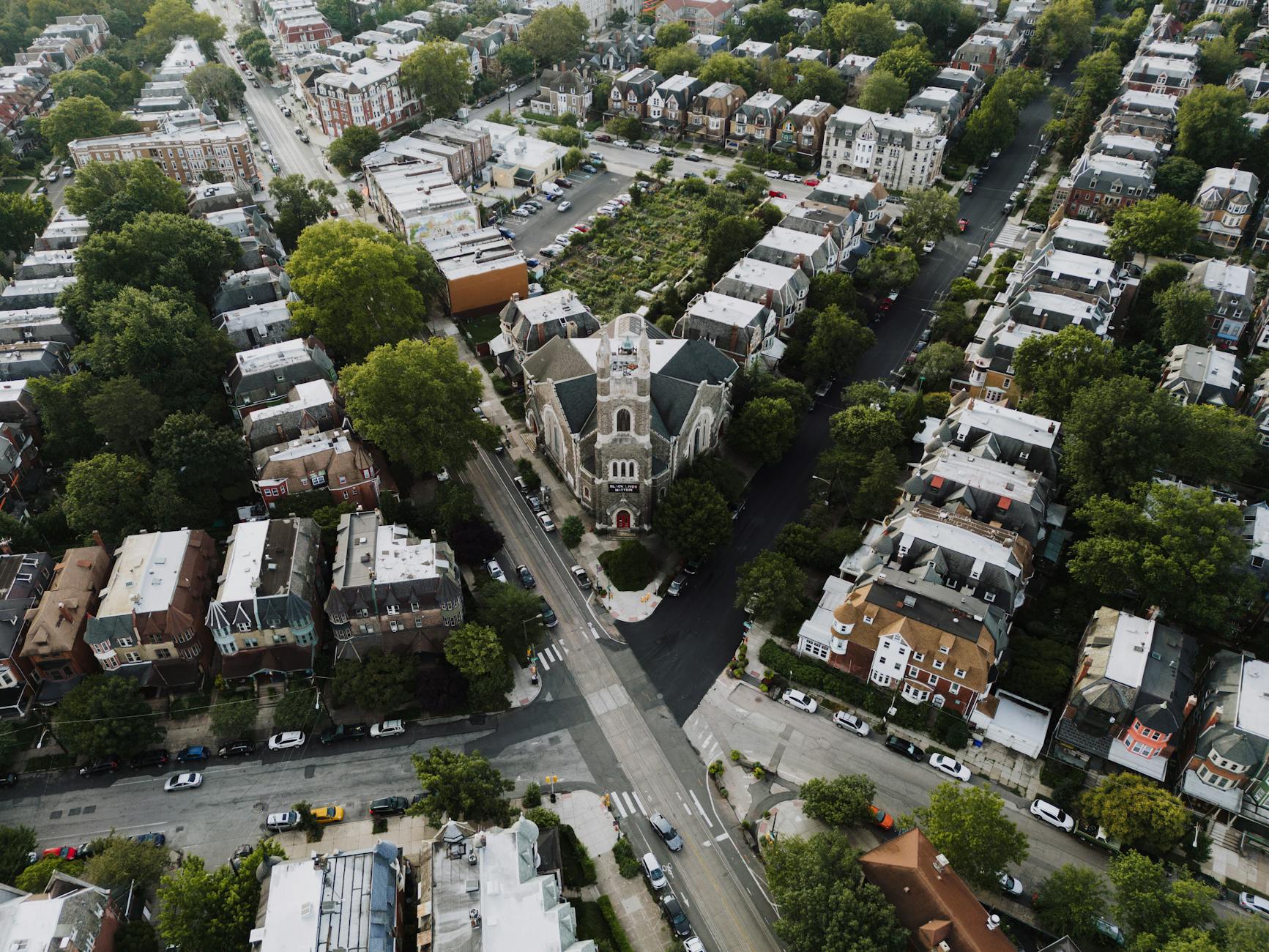
East Boston has quietly transformed into one of the most compelling investment destinations in the greater Boston metropolitan area. Once overlooked in favor of trendier neighborhoods like South End or the Seaport District, East Boston now commands serious attention from seasoned investors, first time buyers, and real estate professionals alike. With its proximity to downtown Boston, easy access to Logan International Airport, and a vibrant cultural identity rooted in its diverse immigrant communities, East Boston offers a rare combination of affordability, growth potential, and neighborhood character that is increasingly difficult to find anywhere else in the city.
Boston Renter Intelligence Survey
How does your rent compare?
Add your numbers and get an instant read on what share of your income goes to rent, measured against what Boston renters actually report. You will also get the Q3 report free on October 7.
See how your rent compares →As we look ahead to 2026, the investment landscape in East Boston continues to evolve rapidly. New developments are reshaping the waterfront, transit oriented projects are bringing fresh energy to longstanding residential corridors, and rising rents across the city are pushing more renters and buyers eastward across the harbor. For investors who understand the nuances of each distinct neighborhood within East Boston, the opportunities available right now are genuinely exceptional.
This guide from Homzora breaks down the best neighborhoods in East Boston for investment in 2026, covering current market conditions, rental demand, appreciation trends, and everything you need to know before putting your capital to work in this dynamic corner of Boston.
Why East Boston Deserves Your Investment Attention in 2026
Before diving into specific neighborhoods, it helps to understand the broader forces driving investment appeal across East Boston as a whole. The neighborhood sits just one stop from downtown Boston on the Blue Line, making it one of the most transit accessible communities in the entire city. Commute times to major employment centers in the Financial District, Government Center, and Back Bay are genuinely short, which remains a powerful draw for renters who want Boston proximity without paying Back Bay prices.
The waterfront redevelopment ongoing along Bremen Street and the Harborwalk has fundamentally shifted how outsiders perceive East Boston. New restaurants, green spaces, boutique fitness studios, and coffee shops have arrived, attracting younger professionals and creative types who bring energy and spending power to the local economy. Meanwhile, the longstanding Latino community, particularly the large Central American population centered around Maverick Square and Meridian Street, gives East Boston an authentic cultural vitality that newer, more gentrified Boston neighborhoods often lack.
If you want to explore specific data before committing to an investment decision, reviewing current Boston Housing Data will give you a clearer picture of how East Boston compares to other neighborhoods on key metrics like median sale prices, days on market, and price per square foot trends heading into 2026.
Maverick Square and the Central Core
The Heart of East Boston Investment Activity
Maverick Square is the commercial and transit hub of East Boston, anchored by the Maverick Blue Line station that delivers riders directly into downtown Boston in just minutes. This central location makes properties within walking distance of Maverick Square perennially attractive to renters, and investor demand in this zone reflects that reality. Multifamily properties near Maverick Square command strong rents, low vacancy rates, and consistent tenant demand across market cycles.
Two and three family homes on streets like Trenton Street, Havre Street, and Porter Street have appreciated significantly over the past several years, and the trajectory heading into 2026 remains positive. Investors purchasing in this zone should anticipate competition from other buyers, as off market opportunities are increasingly rare. Working with a knowledgeable local agent who understands Maverick Square specifically can make a meaningful difference in deal flow and negotiation outcomes.
Rental Market Dynamics Near Maverick
The rental market near Maverick Square continues to tighten as more workers return to hybrid office schedules and prioritize short commutes. One bedroom apartments in this corridor regularly achieve rents that compare favorably with neighborhoods further from the Blue Line, while purchase prices remain at a meaningful discount compared to comparable properties in Somerville or Cambridge. For investors focused on cash flow rather than pure appreciation, the numbers around Maverick Square can pencil out in ways that are genuinely difficult to replicate elsewhere in Greater Boston.
Jeffries Point
Waterfront Charm Meets Investment Upside
Jeffries Point occupies the northern tip of East Boston, bordered by the harbor to the north and east and by the airport to the south. What makes Jeffries Point particularly compelling for 2026 investment is its unique combination of genuine waterfront access, a tight knit residential character, and continued appreciation momentum driven by limited housing supply. The neighborhood is genuinely attractive in ways that photographs cannot fully capture. Tree lined streets, Victorian era triple deckers, a strong sense of community, and stunning harbor views from elevated blocks create an environment that residents actively choose and rarely leave.
Condo conversions in Jeffries Point have proven extremely successful as an investment strategy, particularly in larger Victorian era buildings where thoughtful renovation can create multiple units with individual appeal. The buyer pool for finished condos in Jeffries Point includes both owner occupants and investors, which provides exit flexibility that not every East Boston micro market can offer.
New Development and Rising Values
Several new construction projects along the waterfront edge of Jeffries Point have introduced contemporary condominiums and mixed use buildings to the neighborhood. While these projects increase local supply in the short term, they also signal developer confidence in the long term trajectory of the area and bring amenities that attract higher income residents to the neighborhood. The rising tide effect from waterfront development in Jeffries Point benefits owners of existing residential properties throughout the surrounding blocks.
Property values in Jeffries Point have appreciated at rates that outpace many comparable Boston neighborhoods over the past decade, and the structural factors supporting that appreciation, including limited land availability and strong location fundamentals, are unlikely to change heading into 2026 and beyond.
Orient Heights
Undervalued and Ready for Growth
Orient Heights sits in the northern section of East Boston and remains one of the most undervalued investment opportunities in the entire city. Anchored by the Orient Heights Blue Line station and surrounded by a mix of residential neighborhoods and green space including the expansive Orient Heights Reservation, this area offers investors a genuine opportunity to acquire properties at prices that reflect the East Boston of five years ago rather than the East Boston of today.
The housing stock in Orient Heights is predominantly triple deckers and two family homes, which aligns perfectly with investor strategies focused on house hacking, buy and hold rental portfolios, or value add renovation plays. Purchase prices in Orient Heights regularly come in at meaningful discounts compared to Maverick Square or Jeffries Point, while rental demand from the large working class community that calls this neighborhood home remains steady and reliable.
Infrastructure Investment and Future Catalysts
Planned infrastructure improvements along the Blue Line corridor and continued spillover from rising prices in central East Boston neighborhoods position Orient Heights for meaningful appreciation as we move into 2026 and beyond. Investors who acquire properties in Orient Heights today are positioning themselves ahead of the price curve in a neighborhood that the broader market has not yet fully repriced. This is precisely the type of opportunity that generates the strongest long term returns for patient investors.
Are You a Licensed MA Real Estate Agent?
List your Boston rentals and properties free on Homzora. Zero fees. Zero commissions. Direct leads sent to you.
For investors new to the East Boston market who want a comprehensive view of how different neighborhoods compare, the Boston Neighborhood Finder tool from Homzora provides detailed breakdowns of neighborhood characteristics, investment metrics, and market trends that make it much easier to identify the right geographic focus for your investment strategy.
Eagle Hill
A Neighborhood Experiencing Rapid Transformation
Eagle Hill, located between Maverick Square and the border with Revere, has emerged as one of the most actively transforming neighborhoods in East Boston over recent years. A surge of young professionals and creative workers has discovered Eagle Hill as a more affordable alternative to Jeffries Point and central East Boston while still offering Blue Line access and genuine neighborhood character. This demographic shift has driven restaurant openings, coffee shops, and small retail businesses along Chelsea Street and Meridian Street that have meaningfully improved the neighborhood’s amenities and appeal.
Multifamily investors in Eagle Hill are benefiting from this transformation through rising rents and compressed vacancy rates. The neighborhood still offers purchase prices that lag behind the most expensive East Boston micro markets, creating a window of opportunity for investors who act before prices fully catch up to the neighborhood’s improved fundamentals.
Renovation Opportunities in Eagle Hill
The older housing stock in Eagle Hill presents compelling value add renovation opportunities for investors with the vision and capital to execute meaningful upgrades. Triple deckers in Eagle Hill that receive thoughtful renovation, particularly improvements to kitchens, bathrooms, and building systems, are achieving rents that justify significant renovation investment while still producing positive cash flow at current purchase prices. This value add playbook is one of the most reliable paths to strong returns in the current East Boston market.
Key Investment Considerations for East Boston in 2026
Understanding Tenant Protections and Lease Structures
Protecting Your Investment with the Right Coverage
Preparing Your Credit Profile for Investment Financing
East Boston Market Outlook for 2026
The consensus view among Boston area real estate professionals heading into 2026 is that East Boston will continue its trajectory of strong investment performance. The combination of limited land availability, high barriers to new construction in established residential neighborhoods, ongoing demographic changes, and the neighborhood’s fundamental locational advantages relative to downtown Boston creates a durable foundation for continued price appreciation and rental demand growth.
Investors who focus on the micro market dynamics within specific East Boston neighborhoods, rather than treating the entire area as a monolithic market, will identify the best opportunities and avoid overpaying in segments where prices have already run ahead of fundamentals. The variation in pricing and trajectory between Maverick Square, Jeffries Point, Orient Heights, and Eagle Hill is meaningful enough that neighborhood specific analysis is genuinely essential to making well informed investment decisions.
Interest rates remain a significant variable for 2026 investment returns. While rates have moderated from their recent peaks, they continue to meaningfully affect both purchase affordability and investor cash flow calculations. Staying current on rate movements and actively comparing financing options across multiple lenders is simply good practice for anyone deploying capital into East Boston real estate this year.
Working with the Right Real Estate Partner
Navigating the East Boston investment market requires local expertise, market specific data, and relationships with the network of professionals, inspectors, contractors, attorneys, and lenders who understand the unique characteristics of this neighborhood. Making investment decisions based on general Boston market statistics without neighborhood level insight is a reliable path to overpaying or missing the best opportunities available.
Homzora specializes in connecting investors with the East Boston opportunities that match their specific investment goals, risk tolerance, and capital position. Whether you are pursuing your first investment property, expanding an existing portfolio, or evaluating a specific deal you have identified, working with professionals who know East Boston deeply will consistently produce better outcomes than going it alone.
East Boston in 2026 offers a genuinely rare combination of existing cash flow potential, meaningful appreciation upside, and neighborhood fundamentals that support long term holding strategies. The window to acquire properties in emerging micro markets like Orient Heights and Eagle Hill at prices that reflect yesterday’s valuations rather than tomorrow’s is open right now, but it will not remain open indefinitely. The investors who act with informed conviction in this market are the ones who will look back on 2026 as the year they made one of their smartest capital allocation decisions.
Ready to find your next East Boston investment opportunity? Visit homzorarealty.com today to connect with our team of Boston real estate specialists, explore current listings, and access the market intelligence tools you need to invest with confidence in East Boston and across Greater Boston in 2026.
Stay Ahead of the Boston Market
Monthly insights on Boston rents, home tips, and investment opportunities delivered free to your inbox.
Related Boston Housing Resources