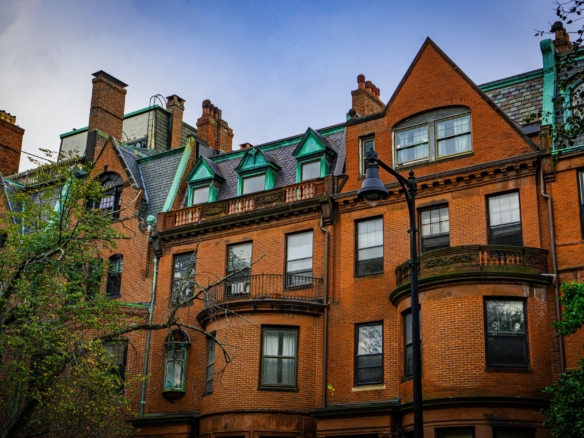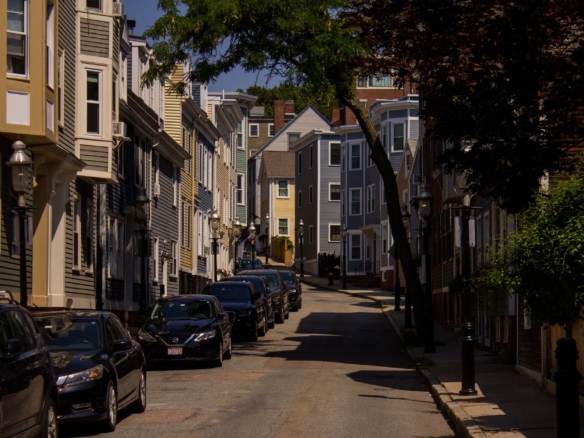
Choosing between Boston and Cambridge is one of the most consequential decisions a homebuyer or renter can make in the Greater Boston area. Both cities offer world class amenities, prestigious universities, thriving job markets, and vibrant cultural scenes. However, the cost of living differences between these two neighboring cities can significantly impact your monthly budget, long term financial health, and overall quality of life. This comprehensive comparison breaks down every major cost category to help you make the most informed decision possible heading into 2026.
Overview of Boston and Cambridge in 2026
Boston and Cambridge sit on opposite sides of the Charles River, yet they feel worlds apart in terms of character, demographics, and pricing. Boston is the capital of Massachusetts and functions as a major metropolitan hub with diverse neighborhoods ranging from the historic charm of Beacon Hill to the trendy streets of the South End. Cambridge, while technically a separate city, is deeply intertwined with Boston through public transit, employment corridors, and academic culture driven by Harvard University and the Massachusetts Institute of Technology.
In 2026, both cities continue to attract high income professionals, graduate students, biotech researchers, and tech workers. This sustained demand keeps housing costs elevated across the board, but the nuances between the two cities reveal important financial trade offs that every prospective resident should understand before signing a lease or making an offer on a home.
Housing Costs: Renting vs. Buying
Rental Market Comparison
Rental prices in both cities remain among the highest in the entire country entering 2026. In Boston, the average one bedroom apartment rents for approximately $2,800 to $3,200 per month depending on the neighborhood. Prime areas like Back Bay, Beacon Hill, and the Seaport District push those numbers even higher, with some one bedroom units exceeding $4,000 per month. More affordable Boston neighborhoods such as Dorchester, Mattapan, and Hyde Park offer one bedroom units in the $2,000 to $2,500 range, providing a meaningful budget alternative for renters willing to commute further.
Cambridge consistently commands higher average rents than most Boston neighborhoods. The average one bedroom in Cambridge ranges from $3,000 to $3,800 per month, with neighborhoods near Harvard Square or Kendall Square pushing toward $4,500 for well appointed units. Studio apartments in Cambridge average around $2,400 to $2,900 monthly. The premium in Cambridge is driven largely by proximity to major employers in the biotech and tech sectors, as well as the desirability of the academic environment.
Home Purchase Prices
For buyers, the median home sale price in Boston hovered around $720,000 in late 2025 and is projected to remain in a similar range through 2026 with modest appreciation. Condominiums dominate the Boston market, particularly in urban core neighborhoods, with median condo prices ranging from $650,000 in transitional neighborhoods to well over $1.2 million in premium zip codes.
Cambridge home prices remain substantially higher. The median sale price for a single family home in Cambridge exceeds $1.3 million, and condos rarely sell below $800,000 in any neighborhood. The extremely limited inventory in Cambridge combined with relentless demand from high income professionals and institutional investors keeps prices elevated regardless of broader market conditions.
Transportation Costs
Public Transit
One of the most significant cost advantages in both cities is access to the Massachusetts Bay Transportation Authority, commonly known as the MBTA or the T. A monthly LinkPass for unlimited subway and bus rides costs $90 per month in 2026, offering exceptional value for residents who rely on public transit for their daily commute.
Cambridge is particularly well served by the Red Line, which connects Alewife, Porter Square, Harvard Square, Central Square, and Kendall Square directly to downtown Boston stations including Park Street, Downtown Crossing, and South Station. This connectivity means many Cambridge residents can access major Boston employment centers without ever needing a car.
Boston neighborhoods vary considerably in transit access. Areas like Back Bay, Beacon Hill, the South End, and Fenway enjoy multiple T lines and frequent bus service. Outer neighborhoods like Roslindale, West Roxbury, and Hyde Park depend more heavily on bus routes and commuter rail, which require additional fare spending beyond the standard LinkPass.
Car Ownership and Parking
Car ownership costs in both cities are punishing. Parking in Cambridge near Kendall Square or Harvard Square can run $300 to $500 per month for a dedicated space. Boston garage parking in premium neighborhoods like Back Bay or the Financial District is similarly priced. Both cities also assess annual excise taxes on vehicles registered within city limits.
Insurance rates in the Greater Boston area are notoriously high, with average annual premiums exceeding $1,800 for a standard policy. Combined with fuel, maintenance, and parking, owning a car in either city easily adds $600 to $900 per month to your budget, making a compelling case for relying on public transit wherever possible.
Grocery and Food Costs
Grocery Expenses
Grocery costs in Boston and Cambridge are roughly comparable and run approximately 15 to 20 percent above the national average. A single adult can expect to spend between $400 and $600 per month on groceries depending on dietary preferences and shopping habits. Cambridge residents often have convenient access to Whole Foods, Star Market, and various specialty grocery stores, while Boston offers a broader range of options including more affordable discount grocers in residential neighborhoods further from downtown.
Dining Out
Cambridge benefits from an exceptionally diverse restaurant scene anchored by its university populations. A mid range dinner for two in Cambridge typically costs $70 to $110 before drinks and tip. Boston offers more variety across price points, from affordable ethnic restaurants in neighborhoods like East Boston and Chinatown to upscale dining in the Seaport and Back Bay where dinner for two can easily reach $150 to $250.
Both cities share a robust cafe culture, with specialty coffee drinks averaging $5 to $7 each. Residents who grab coffee daily should budget an additional $150 to $200 per month for this expense alone.
Healthcare Costs
Both Boston and Cambridge sit within one of the most concentrated healthcare ecosystems in the world, home to Massachusetts General Hospital, Brigham and Women’s Hospital, Beth Israel Deaconess Medical Center, and numerous Harvard affiliated medical institutions. The abundance of providers creates competitive options for patients, though healthcare in Massachusetts remains expensive relative to national averages.
Are You a Licensed MA Real Estate Agent?
List your Boston rentals and properties free on Homzora. Zero fees. Zero commissions. Direct leads sent to you.
Monthly health insurance premiums for an individual through the Massachusetts Health Connector average between $350 and $600 in 2026 depending on the plan tier. Out of pocket costs for routine visits, specialist consultations, and prescription medications add several hundred dollars annually for the average resident.
Utilities and Everyday Expenses
Utility Costs
Utility costs in both cities follow similar patterns. Monthly electricity and gas expenses for a standard one bedroom apartment average between $100 and $180 in warmer months, rising to $200 to $300 during the cold New England winter months from November through March. Many Boston apartments, particularly older buildings in historic neighborhoods, feature older heating systems that are less energy efficient, potentially driving winter utility bills higher.
Internet service in both cities runs approximately $60 to $100 per month for standard broadband packages from major providers including Comcast and Verizon Fios where available. Cambridge residents near MIT often benefit from higher competition among providers, which can create slightly better pricing options.
Childcare and Education
For families, childcare costs represent one of the largest budget line items. Daycare and preschool programs in both Boston and Cambridge average $2,500 to $3,500 per month for full time enrollment, placing the Greater Boston area among the most expensive childcare markets in the United States. Cambridge residents do benefit from strong public school options partly influenced by the academic culture of the city, while Boston offers a mix of well regarded public exam schools alongside neighborhood schools with varying performance levels.
Taxes and Government Fees
Massachusetts residents pay a flat state income tax rate of 5 percent on most ordinary income in 2026, with a surtax of 4 percent applied to income exceeding $1 million under the so called millionaires tax that voters approved in 2022. Both Boston and Cambridge residents pay identical state income taxes, so there is no differentiation between the two cities on this front.
Property taxes, however, differ meaningfully. Boston maintains one of the lowest residential property tax rates among major American cities, at approximately $10.74 per $1,000 of assessed value for fiscal year 2025 going into 2026. This is a meaningful financial advantage for Boston homeowners relative to many comparable metro areas. Cambridge property tax rates are similarly competitive at around $5.86 per $1,000, though assessed values in Cambridge tend to be higher, partially offsetting the lower rate.
Neighborhood by Neighborhood Breakdown
Most Affordable Areas in Boston
Boston’s size creates genuine affordability variation across its many distinct neighborhoods. Dorchester, Hyde Park, Mattapan, and Roslindale consistently offer the most accessible price points for both renters and buyers while still providing full access to city services and MBTA connections. These neighborhoods attract working class families, first time buyers, and renters seeking more square footage for their dollar.
To explore the full range of options across Boston’s neighborhoods, the Boston Neighborhood Finder tool from Homzora provides an intuitive, data driven way to compare neighborhoods by price range, transit access, school quality, and lifestyle factors, making your search far more efficient and targeted.
Cambridge Neighborhoods and Their Price Tiers
Cambridge divides naturally into several distinct neighborhoods with different price personalities. East Cambridge near Kendall Square commands the highest prices due to its proximity to major biotech and tech employers. Harvard Square and Brattle Street area homes represent the historic prestige tier of the Cambridge market. Inman Square and East Cambridge closer to the Somerville border offer slightly more accessible entry points while still commanding significant premiums over comparable Boston neighborhoods.
Who Should Choose Boston vs. Cambridge?
The decision between Boston and Cambridge ultimately depends on your professional priorities, lifestyle preferences, and financial capacity. Cambridge makes the most sense for professionals working directly in Kendall Square biotech firms, anyone affiliated with Harvard or MIT, and buyers or renters who specifically prioritize proximity to the academic and innovation ecosystem along the northern bank of the Charles River.
Boston offers greater neighborhood variety, more inventory at a wider range of price points, and a larger overall real estate market with more opportunities for value discovery. Buyers and renters with more flexibility in their commute or those working in downtown Boston financial, healthcare, or government sectors will often find Boston delivers significantly more value per dollar spent.
For anyone serious about the Boston market, reviewing current and historical Boston Housing Data provides invaluable context for evaluating whether a listing is fairly priced, how inventory levels compare to previous years, and which neighborhoods are experiencing the strongest appreciation trends heading into 2026.
Protecting Your Investment in Either City
Final Cost Comparison Summary
- Average one bedroom rent in Boston: $2,800 to $3,200 per month
- Average one bedroom rent in Cambridge: $3,000 to $3,800 per month
- Median home sale price in Boston: approximately $720,000
- Median home sale price in Cambridge: exceeding $1.3 million for single family
- Monthly MBTA LinkPass: $90 for both cities
- Monthly groceries for one adult: $400 to $600 in both cities
- Monthly utilities average: $100 to $300 depending on season
- Property tax rate in Boston: approximately $10.74 per $1,000 assessed value
- Property tax rate in Cambridge: approximately $5.86 per $1,000 assessed value
The data consistently shows that Cambridge carries a meaningful cost premium over most Boston neighborhoods, particularly in housing where the difference can amount to hundreds of thousands of dollars in purchase price or several hundred dollars monthly in rent. For buyers and renters who do not have a compelling reason to be in Cambridge specifically, the greater Boston market almost always delivers superior value per dollar spent while maintaining access to virtually all of the same amenities, employment centers, and cultural offerings through the integrated MBTA network.
Make Your Move with Homzora
Navigating the Boston and Cambridge real estate markets requires local expertise, deep data analysis, and a trusted partner who understands the unique dynamics of every neighborhood on both sides of the Charles River. Whether you are a first time buyer exploring entry level condos in Boston’s emerging neighborhoods, a seasoned investor evaluating multi family properties, or a professional relocating to the Cambridge innovation corridor, Homzora provides the comprehensive guidance you need to make confident, financially sound decisions in 2026 and beyond. Visit homzorarealty.com today to connect with experienced local agents, access exclusive market data, and take the first step toward finding your ideal home in Greater Boston.
Stay Ahead of the Boston Market
Monthly insights on Boston rents, home tips, and investment opportunities delivered free to your inbox.
Related Boston Housing Resources