Boston has always been a magnet for ambitious young professionals, and heading into 2026, the city’s real estate landscape is more dynamic and opportunity rich than ever before. Whether you are a recent graduate landing your first tech job in the Seaport District or a healthcare professional joining one of Boston’s world class medical institutions, choosing the right neighborhood can make an enormous difference in your quality of life, your commute times, and your long term financial health. The good news is that Boston offers a remarkable variety of neighborhoods, each with its own personality, price point, and lifestyle appeal. This guide breaks down the best neighborhoods for young professionals in Boston heading into 2026, giving you the detailed, data driven insights you need to make a confident decision about where to plant your roots in one of America’s most exciting cities.
Boston Renter Intelligence Survey
How does your rent compare?
Add your numbers and get an instant read on what share of your income goes to rent, measured against what Boston renters actually report. You will also get the Q3 report free on October 7.
See how your rent compares →Why Boston Remains One of the Top Cities for Young Professionals in 2026
Before diving into specific neighborhoods, it is worth understanding why Boston continues to attract talented young people from across the country and around the world. The city boasts one of the lowest unemployment rates among major American metros, driven largely by its concentration of education, biotechnology, finance, and healthcare industries. Major employers like Fidelity Investments, Massachusetts General Hospital, Biogen, and a rapidly growing roster of tech startups continue to bring high paying jobs to the region.
Beyond employment, Boston offers something rare in the modern American city: a genuine sense of walkability, excellent public transit through the MBTA system, and a vibrant cultural scene that punches well above the city’s relatively compact geographic footprint. For young professionals who want to live, work, and play without relying entirely on a car, Boston remains one of the most practical and rewarding cities in the nation.
If you are serious about finding the right place to live and invest, tools like the Boston Neighborhood Finder can help you compare neighborhoods based on your commute needs, budget, and lifestyle preferences, giving you a personalized shortlist that matches your specific situation.
South End: Sophisticated Living with a Creative Edge
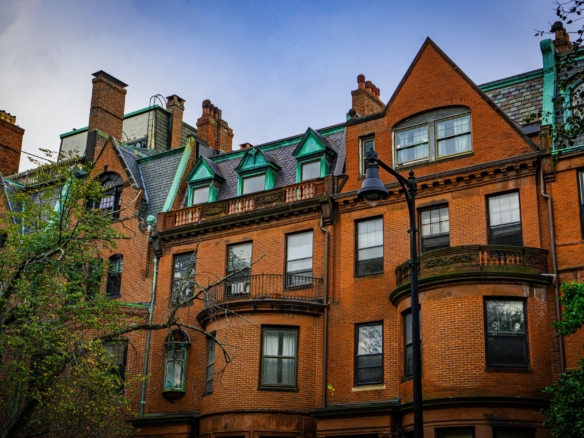
The South End consistently ranks as one of the most desirable neighborhoods for young professionals in Boston, and 2026 is no exception. Characterized by its stunning Victorian brownstones, tree lined streets, and one of the most celebrated restaurant scenes in New England, the South End strikes a perfect balance between urban energy and residential charm.
Housing Market Overview
The South End is not the cheapest option on this list, but it offers exceptional value relative to what you receive. Median rental prices for a one bedroom apartment typically hover in the range of $2,800 to $3,500 per month, while condominiums for purchase range from approximately $600,000 to well over $1.2 million depending on size and renovation quality. The neighborhood has maintained strong appreciation rates over the past decade, making it an attractive choice for young professionals who are ready to transition from renting to buying.
Why Young Professionals Love It
- Exceptional dining along Tremont Street and Washington Street
- Proximity to the Back Bay and Financial District for short commutes
- Strong walkability scores and easy MBTA Orange Line access
- Thriving arts community and gallery scene
- A diverse, welcoming community with an active social calendar
Seaport District: Boston’s Innovation Hub
If you work in technology, finance, or biotech, the Seaport District is arguably the most strategically located neighborhood in all of Boston heading into 2026. What was once a collection of warehouses and fish processing facilities has transformed over the past decade into one of the most exciting urban districts on the East Coast. The Seaport is now home to major corporate campuses, sleek residential towers, and a restaurant and entertainment scene that continues to expand at a remarkable pace.
Housing Market Overview
The Seaport commands premium pricing, reflecting its status as Boston’s newest and most amenity rich neighborhood. One bedroom rentals typically start at $3,200 per month and can climb significantly for newer luxury buildings with concierge services and rooftop amenities. Purchase prices for condominiums generally range from $750,000 to over $2 million for larger waterfront units. While the costs are high, many young professionals find that eliminating a daily commute is worth the premium when measured against time saved and quality of life gained.
Why Young Professionals Love It
- Walking distance to major tech and finance employers
- Modern residential buildings with premium amenities
- Waterfront parks and outdoor recreational spaces
- Silver Line and Red Line access for easy transit connections
- A rapidly growing retail and dining corridor
Jamaica Plain: Affordability Meets Community Character
For young professionals seeking a neighborhood that combines genuine character, strong community bonds, and relative affordability by Boston standards, Jamaica Plain continues to be one of the city’s best kept secrets heading into 2026. Located along the Southwest Corridor and centered around the beautiful Jamaica Pond, this neighborhood has attracted a creative, socially conscious crowd for decades.
Housing Market Overview
Jamaica Plain offers significantly more affordable options compared to the Seaport or South End. One bedroom rentals typically range from $1,900 to $2,600 per month, while two and three bedroom apartments can represent excellent value for young professionals considering roommate arrangements. Purchasing a condo or multi family property in Jamaica Plain remains accessible compared to many other Boston neighborhoods, with entry level condos available in the $450,000 to $650,000 range.
Why Young Professionals Love It
- Vibrant Centre Street restaurant and bar scene
- Jamaica Pond and Arnold Arboretum for outdoor recreation
- Strong LGBTQ friendly community
- Orange Line access providing direct connections to downtown
- A diverse, politically engaged neighborhood with a strong sense of identity
Cambridge: Academic Energy and Intellectual Vitality
Technically a separate city from Boston, Cambridge is so deeply integrated into the professional and cultural fabric of the metro area that excluding it from any serious neighborhood guide would be a significant oversight. Home to Harvard University, MIT, and an extraordinary concentration of biotech and pharmaceutical companies clustered along Kendall Square and Cambridge Street, Cambridge offers a uniquely stimulating environment for young professionals who thrive on intellectual energy and innovation culture.
Housing Market Overview
Cambridge is consistently one of the most expensive rental markets in Massachusetts, with one bedroom apartments in desirable areas like Kendall Square, Harvard Square, and Inman Square typically ranging from $2,700 to $3,800 per month. Purchase prices reflect the neighborhood’s premium status, with condominiums generally starting around $600,000 and climbing steeply for properties near Harvard Square or with views of the Charles River. Despite the costs, Cambridge has historically delivered strong appreciation, making it a sound long term investment for those who can afford the entry point.
Why Young Professionals Love It
- Unmatched concentration of biotech and pharmaceutical employers in Kendall Square
- Red Line provides fast, direct access to downtown Boston
- Exceptional dining and nightlife in Harvard Square and Inman Square
- Highly walkable and bicycle friendly street design
- A stimulating intellectual environment driven by world class universities
Somerville: The Underrated Gem for 2026
Somerville has undergone a remarkable transformation over the past decade, evolving from an overlooked working class suburb into one of the most desirable destinations for young professionals in the entire Boston metro area. The opening of the Green Line Extension into Union Square and Medford has fundamentally changed Somerville’s accessibility profile, making it possible to reach downtown Boston quickly and reliably without owning a car.
Are You a Licensed MA Real Estate Agent?
List your Boston rentals and properties free on Homzora. Zero fees. Zero commissions. Direct leads sent to you.
Housing Market Overview
Somerville continues to offer a meaningful price advantage over Cambridge and the core Boston neighborhoods, though that gap has been narrowing steadily as more young professionals discover the area’s charms. One bedroom rentals typically range from $2,200 to $3,000 per month, while condominiums for purchase can be found in the $450,000 to $750,000 range, representing some of the best value available anywhere in the immediate Boston metro area heading into 2026.
Why Young Professionals Love It
- Davis Square and Union Square offer outstanding restaurant and bar scenes
- New Green Line Extension stops provide dramatically improved transit access
- Strong artistic and creative community
- More space for your dollar compared to core Boston neighborhoods
- Excellent proximity to Cambridge and the Kendall Square job market
Fenway and Kenmore: Energy, Entertainment, and Value
The Fenway and Kenmore neighborhoods have historically been associated with college students and game day crowds, but heading into 2026, a wave of new luxury residential development is repositioning this area as a genuine destination for young professionals who want to be at the center of Boston’s entertainment scene without paying South End or Seaport prices.
Housing Market Overview
New residential towers along Boylston Street and Brookline Avenue have introduced a range of modern rental options at various price points. One bedroom rentals in newer buildings typically range from $2,600 to $3,400 per month, while older stock can still be found at meaningful discounts. For buyers, the condominium market in this area ranges broadly from $450,000 to over $900,000 depending on the building, floor, and finishes.
Why Young Professionals Love It
- Fenway Park and the surrounding entertainment district create a vibrant atmosphere
- Green Line provides multiple routes into downtown and beyond
- Close proximity to Longwood Medical Area for healthcare professionals
- Excellent dining options along Peterborough Street and Boylston Street
- A neighborhood in active transition with strong appreciation potential
Making Smart Financial Decisions in the Boston Market
Staying informed about market trends is equally important. The Boston Housing Data resource from Homzora provides regularly updated statistics on pricing trends, inventory levels, and neighborhood performance metrics that help buyers and renters make data driven decisions rather than relying on outdated information or neighborhood reputation alone.
Key Factors to Consider When Choosing Your Boston Neighborhood
With so many strong options available, narrowing down your neighborhood choice ultimately comes down to a personal evaluation of several interconnected factors. Here are the most important considerations for young professionals evaluating Boston neighborhoods heading into 2026.
Commute and Transit Access
Boston’s MBTA system, while imperfect, remains one of the most useful public transit networks in the United States for urban commuters. Prioritizing a neighborhood with direct Red Line, Orange Line, or Green Line access will typically save more time and stress over the course of a year than almost any other single factor in your neighborhood decision.
Budget and Long Term Financial Goals
Be honest with yourself about your budget, not just for the first year, but for the three to five year horizon. If you are considering purchasing property, building your credit score proactively before entering the Boston market can make a substantial difference in the interest rate you qualify for, which directly impacts your monthly payment and total ownership costs over time.
Lifestyle Fit
Boston’s neighborhoods each have a distinct personality. The Seaport is polished and professional. Jamaica Plain is creative and community oriented. Cambridge is intellectual and globally connected. Somerville is eclectic and artistically driven. Spend time in each area at different times of day and on different days of the week before making a final decision, because the right neighborhood should feel like an extension of your own identity and values.
Your Next Steps Toward Finding the Perfect Boston Neighborhood
The Boston real estate market in 2026 rewards those who are prepared, informed, and strategic. Whether you are ready to sign a lease next month or are laying the groundwork for a purchase eighteen months from now, the decisions you make today about credit health, financial planning, and neighborhood research will determine the quality of your experience in one of America’s most dynamic cities.
Young professionals who approach Boston with a clear plan consistently find that the city rewards their ambition not just professionally, but personally and financially as well. The neighborhoods outlined in this guide each offer a compelling combination of career opportunity, lifestyle quality, and real estate potential that is difficult to match anywhere else on the East Coast.
Ready to take the next step? Visit Homzora today to explore detailed neighborhood profiles, connect with experienced Boston real estate professionals, and access the tools and resources you need to make your smartest housing decision yet. The Boston of 2026 is waiting for you, and Homzora is here to help you find exactly where you belong.
Stay Ahead of the Boston Market
Monthly insights on Boston rents, home tips, and investment opportunities delivered free to your inbox.
Related Boston Housing Resources