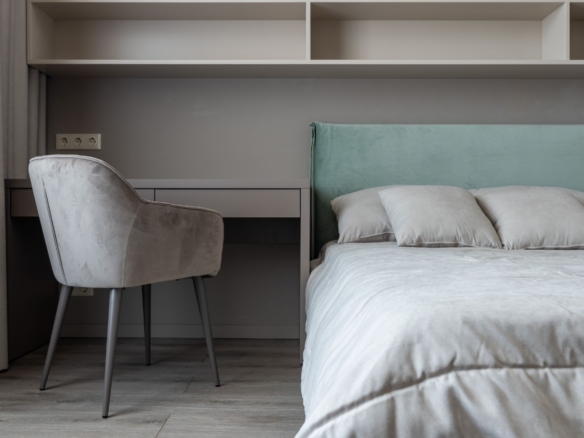
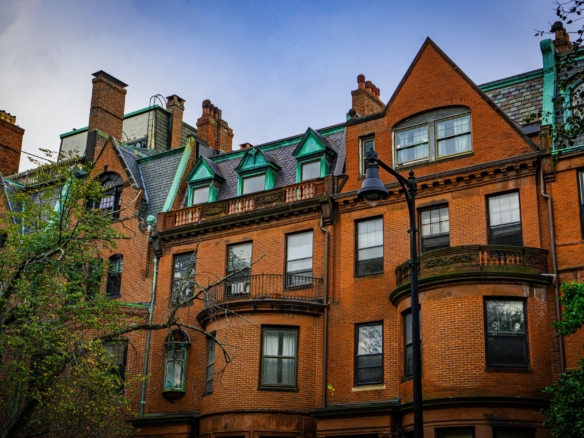
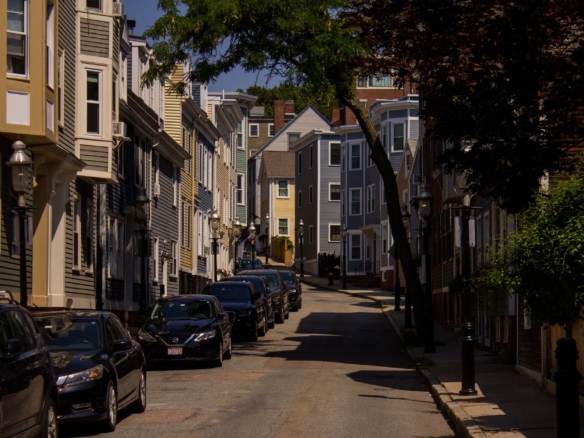
Boston remains one of the most desirable cities in the entire United States for families, young professionals, and real estate investors alike. With its world-class universities, thriving job market, and rich cultural history, the city attracts thousands of new residents every single year. But before you sign a lease or make an offer on a home, safety is almost always the first question on every buyer’s and renter’s mind. This complete guide breaks down the safest neighborhoods in Boston for 2026, giving you everything you need to make a confident, informed decision about where to live or invest.
Boston Renter Intelligence Survey
How does your rent compare?
Add your numbers and get an instant read on what share of your income goes to rent, measured against what Boston renters actually report. You will also get the Q3 report free on October 7.
See how your rent compares →Why Neighborhood Safety Matters in Boston Real Estate
Safety directly impacts property values, rental demand, and long-term investment returns. Neighborhoods with lower crime rates consistently see stronger appreciation, higher occupancy rates for rental properties, and greater buyer competition during home sales. For families with children, proximity to safe streets, good schools, and low violent crime statistics often outweighs all other factors when choosing a place to call home.
Boston is a collection of diverse neighborhoods, each with its own personality, price point, and safety profile. Understanding the differences between these communities is absolutely essential before committing to a purchase or a long-term lease. Whether you are relocating from out of state or simply moving across the city, using a reliable Boston Neighborhood Finder can save you enormous time and help you compare communities side by side based on the factors that matter most to your lifestyle.
How We Evaluated Safety for 2026
This guide draws on the latest crime data from the Boston Police Department, FBI Uniform Crime Reports, community surveys, resident feedback, and housing market analytics. Safety scores reflect violent crime rates, property crime rates, police response times, community engagement levels, and infrastructure quality. Neighborhoods are evaluated holistically, meaning a community with excellent violent crime numbers but high rates of vehicle theft will be noted accordingly so you can make the most balanced decision possible.
The Safest Neighborhoods in Boston for 2026
West Roxbury
West Roxbury consistently ranks as one of the safest neighborhoods in all of Boston, and 2026 is no exception. Located at the southwestern edge of the city, West Roxbury feels more like a quiet suburb than an urban neighborhood. Tree-lined streets, single-family homes, excellent public schools, and a tight-knit community atmosphere make this area particularly attractive to families and retirees. The violent crime rate here is among the lowest in the city, and property crime statistics remain well below the Boston average.
West End and Beacon Hill
Beacon Hill is one of Boston’s most iconic and historically significant neighborhoods, and it ranks among the safest communities in the city year after year. Cobblestone streets, Federal-style brick townhouses, and a prestigious residential atmosphere define this area. Its proximity to Massachusetts General Hospital, the Boston Common, and the State House makes it a top choice for professionals and established families who want convenience without sacrificing safety.
South End
The South End has undergone one of the most remarkable transformations in Boston’s recent history. Once considered a struggling neighborhood, it has evolved into one of the city’s most sought-after residential destinations. Brownstone townhouses, vibrant restaurant scenes, and a strong sense of community have attracted a diverse and engaged population that takes tremendous pride in the neighborhood.
Crime rates in the South End have dropped significantly over the past ten years, and community policing programs have helped maintain those gains. For real estate buyers, the South End represents a compelling combination of safety, walkability, and cultural richness. Median home prices are on the higher end of the Boston spectrum, but the demand from buyers and renters remains consistently strong, making it a sound long-term investment choice.
Back Bay
Back Bay is synonymous with Boston elegance. Known for its Victorian brownstones, high-end retail along Newbury Street, and proximity to the Charles River Esplanade, Back Bay offers a lifestyle that is hard to match anywhere in the Northeast. The neighborhood benefits from high foot traffic, well-lit streets, strong community surveillance, and an engaged resident base that actively works with local authorities to maintain safety standards.
Roslindale
Roslindale is one of Boston’s best kept secrets and one of its safest neighborhoods. Positioned between West Roxbury and Jamaica Plain, Roslindale offers a village-like atmosphere with a strong independent business district, diverse housing stock, and excellent community programming. The neighborhood has attracted a growing number of young families and first-time homebuyers who are looking for genuine value within Boston city limits.
Crime statistics in Roslindale have remained stable and well below the city average for several consecutive years. The neighborhood’s active civic associations, community policing partnerships, and strong school system all contribute to a safe and welcoming environment. Real estate prices here are more moderate than in Back Bay or Beacon Hill, creating real opportunities for buyers who want quality and safety without the highest price tags in the city.
Jamaica Plain
Jamaica Plain, commonly referred to as JP by locals, blends urban energy with neighborhood warmth in a way that few Boston communities can match. Home to Jamaica Pond, the Arnold Arboretum, and a thriving arts and food scene, Jamaica Plain has become one of the city’s most popular destinations for young professionals and families. Safety metrics have improved steadily over the past several years as investment in the neighborhood has grown.
The real estate market in Jamaica Plain is highly competitive, with well-maintained multi-family homes and condominiums attracting strong buyer interest. Investors who purchase multi-family properties here benefit from reliable rental demand driven by proximity to major medical institutions, universities, and downtown employment centers. Reviewing the latest Boston Housing Data is an essential step for anyone looking to understand current price trends, inventory levels, and rental yield metrics across Jamaica Plain and comparable neighborhoods.
Charlestown
Charlestown is a historic neighborhood that sits just across the inner harbor from downtown Boston, connected by the Tobin Bridge and the Sullivan Square transit hub. Best known for the Bunker Hill Monument and the USS Constitution, Charlestown has a strong residential identity and a well-established community that takes safety seriously. Violent crime rates in Charlestown remain consistently low, and the neighborhood’s compact geography makes it easy to navigate on foot.
Are You a Licensed MA Real Estate Agent?
List your Boston rentals and properties free on Homzora. Zero fees. Zero commissions. Direct leads sent to you.
Hyde Park
Hyde Park is Boston’s southernmost neighborhood and one of the most affordable areas within city limits. Despite its lower price point, Hyde Park maintains respectable safety statistics and has benefited from sustained investment in community programs and infrastructure improvements. The neighborhood is particularly popular with families who need more space than inner-city neighborhoods can provide but still want to remain within Boston’s boundaries for school system access and city services.
Real estate in Hyde Park offers some of the strongest value propositions in all of Boston. Single-family homes and multi-family properties are available at prices that would be unthinkable in Beacon Hill or Back Bay. For buyers who are maximizing their budgets and want to build long-term equity, Hyde Park deserves serious consideration as a safe, stable, and growing community.
What to Look for Beyond Crime Statistics
School Quality and Proximity
For families with children, school quality is often just as important as crime rates when evaluating neighborhood safety. Boston Public Schools vary significantly by location, and proximity to strong schools tends to correlate with overall neighborhood investment and resident engagement. Research specific school assignments for any address you are considering and talk to local parents about their experiences.
Infrastructure and Lighting
Well-maintained streets, functioning streetlights, and clean public spaces all contribute to a neighborhood’s safety profile. When touring a potential home, walk the surrounding blocks at different times of day and pay attention to the condition of public infrastructure. Neighborhoods where the city actively invests in maintenance tend to see lower rates of opportunistic crime.
Community Engagement
Active neighborhood associations, community watch programs, and regular communication between residents and local police precincts are powerful indicators of a safe neighborhood. When communities take ownership of their safety, the results are consistently positive. Ask local residents about the strength of civic organizations before committing to a specific area.
Transportation and Walkability
Access to reliable public transportation and walkable commercial districts contributes to neighborhood vitality and safety. Areas where residents are active on the streets during all hours tend to experience lower property crime rates. Boston’s MBTA network serves most of the safest neighborhoods discussed in this guide, making car-free or car-light living entirely feasible for many residents.
Real Estate Investment Considerations in Safe Boston Neighborhoods
Investing in real estate within Boston’s safest neighborhoods requires careful financial planning and market awareness. Demand for properties in these areas is consistently high, which means competition among buyers can be intense and negotiation leverage is often limited. Understanding current market conditions, average days on market, and typical price per square foot for each neighborhood is essential before making any offer.
Investors who plan to rent their properties should ensure that their leases are thorough, legally sound, and compliant with Massachusetts landlord-tenant law, which is among the most tenant-protective in the country. First-time landlords in particular should invest in professionally prepared lease documentation to avoid costly legal complications down the road.
Homeowners across all Boston neighborhoods would also benefit from protecting their investments with comprehensive home warranty coverage, especially in older housing stock where systems like HVAC, plumbing, and electrical can present significant maintenance challenges. A reliable warranty plan converts unpredictable large expenses into manageable monthly costs, which is an important consideration for both homeowners and investors.
How to Start Your Boston Neighborhood Search in 2026
The most effective way to begin your Boston neighborhood search is by clearly defining your priorities. Are you focused on top-tier safety scores, school quality, investment returns, walkability, or some combination of all of these factors? Once your priorities are established, you can begin narrowing your geographic focus and allocating your research time accordingly.
Online tools and professional real estate guidance are invaluable resources during this process. Working with agents who specialize in specific Boston neighborhoods gives you access to hyperlocal knowledge that general market reports simply cannot provide. Combining that local expertise with data-driven resources gives you the clearest possible picture of where to focus your attention and your budget.
Final Thoughts on Boston’s Safest Neighborhoods
Boston offers a genuinely impressive range of safe, vibrant, and diverse neighborhoods for buyers, renters, and investors in 2026. From the quiet residential streets of West Roxbury to the elegant brownstones of Beacon Hill and the growing energy of Jamaica Plain, there is a safe Boston neighborhood for virtually every lifestyle and budget. The key is matching your personal priorities to the specific character and market conditions of each community.
Safety is not just about crime statistics. It is about community investment, neighborhood pride, quality infrastructure, and the collective commitment of residents to maintain the places they call home. Boston’s safest neighborhoods share all of these qualities, and they continue to attract the buyers and renters who recognize the long-term value of choosing wisely.
Whether you are a first-time buyer, an experienced investor, or a family searching for the perfect community, Homzora is here to guide you through every step of the process. Our team combines deep local knowledge with professional expertise to help you find the right neighborhood at the right price with complete confidence. Visit homzorarealty.com today to explore current listings, connect with a Boston real estate specialist, and take the first step toward finding your ideal home in one of the safest and most dynamic cities in America.
Stay Ahead of the Boston Market
Monthly insights on Boston rents, home tips, and investment opportunities delivered free to your inbox.
Related Boston Housing Resources