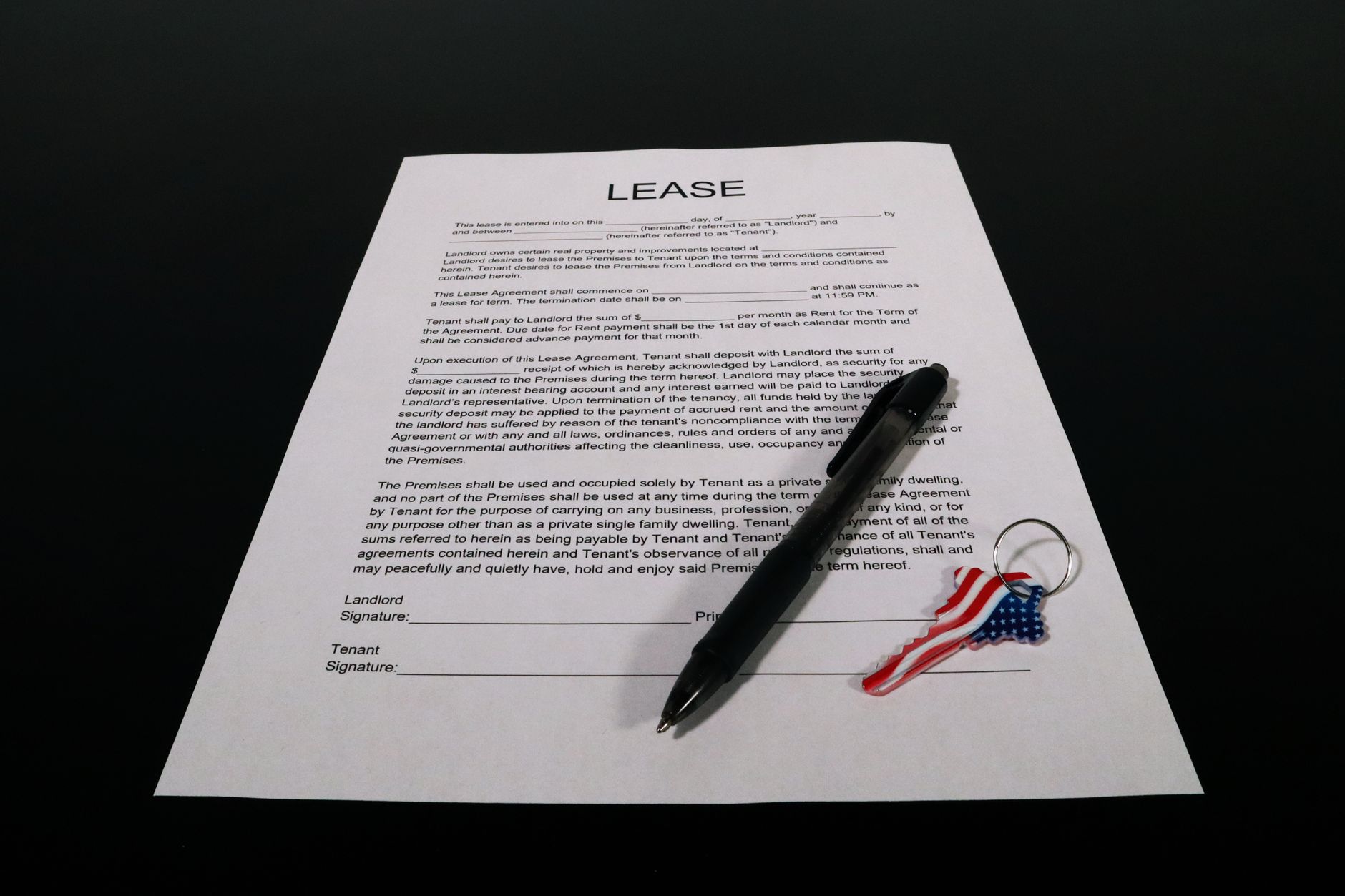
Every Massachusetts landlord faces the same critical decision when a lease approaches its end date. Do you offer a formal lease renewal, or do you let the tenancy shift to a month to month arrangement? In 2026, this question carries more weight than ever before. Rising rental prices, shifting tenant protections, and evolving local ordinances across cities like Boston, Cambridge, and Worcester have made this choice genuinely consequential for your bottom line and legal standing. At Homzora Realty, we work with landlords across the Commonwealth every day, and this is one of the most frequently asked questions we receive. This guide will walk you through everything you need to know to make the right call for your specific situation.
Recommended Furniture for Boston Apartments
Boston Renter Intelligence Survey
You are exactly who this is for.
We are building Boston's first independent renter intelligence report from real tenant data, not listing-site estimates. Add your numbers and get the Q3 report free when it publishes October 7.
Take the 2-minute survey →Furnish your Boston home with elegant and affordable modern furniture from Sicotas. Fast delivery to Greater Boston.
Understanding the Core Difference Between a Lease Renewal and Month to Month in Massachusetts
Before you can make a smart decision, you need to understand exactly what each arrangement means under Massachusetts law. A lease renewal is a binding agreement that locks both the landlord and tenant into a fixed term, typically another 12 months. A month to month tenancy, on the other hand, is a rolling arrangement that either party can terminate with proper notice. Each option comes with distinct legal obligations, financial implications, and strategic advantages depending on your goals as a landlord.
What a Fixed Term Lease Renewal Actually Means
When you offer a lease renewal, you are entering a new binding contract with your tenant. Under Massachusetts General Laws Chapter 186, the terms of that agreement are enforceable for the full duration. This means you cannot raise the rent mid term, cannot ask the tenant to leave without cause during the term, and must honor every provision you include in the renewed lease. The stability this provides is a double edged consideration. You gain predictable income and a committed occupant, but you also sacrifice flexibility if your circumstances change.
A professionally prepared lease document is essential at this stage. Using a tool like the LawDepot Lease Agreement platform can help Massachusetts landlords generate legally sound, state specific lease agreements that cover all required disclosures, including the lead paint disclosure requirement and the security deposit interest provisions that Massachusetts law mandates. Skipping this step or reusing an old template can expose you to costly legal disputes down the road.
What a Month to Month Tenancy Actually Means
A month to month tenancy arises automatically in Massachusetts when a fixed term lease expires and neither party takes action to renew or terminate. The tenant continues paying rent and the landlord continues accepting it, which legally creates a periodic tenancy governed by the original lease terms. Under Massachusetts law, a landlord must provide at least 30 days written notice to terminate a month to month tenancy, and that notice must align with the rental period. Tenants must provide the same 30 days notice to vacate.
This arrangement offers flexibility but also uncertainty. Rent can be adjusted with proper notice at the end of any monthly period, which is a significant advantage in a market where rental values have shifted considerably. However, tenant turnover risk increases, and inconsistent occupancy can disrupt your financial planning significantly.
The 2026 Massachusetts Rental Market Context
Making this decision without understanding the current market is like navigating without a map. In 2026, the Greater Boston metro area continues to experience some of the highest rental prices in the country, with strong demand driven by the region’s concentration of universities, hospitals, and technology employers. However, vacancy rates have shown more variability than in previous years, particularly in outer suburban markets and mid tier cities.
Landlords considering their options should explore current trends using the Boston Housing Data resource available through Homzora Realty. Understanding neighborhood level vacancy rates, average rent growth, and days on market for rental listings gives you a data informed foundation for deciding whether locking in a tenant for another year or retaining flexibility makes more financial sense in your specific submarket.
How Market Conditions Should Influence Your Decision
In a strong rental market where demand consistently outpaces supply, landlords have more leverage. If you can realistically re rent your unit within a short period at a higher price, the flexibility of a month to month arrangement might be worth the short term uncertainty. Conversely, in a softer market where vacancies linger and tenant acquisition costs are high, securing a quality tenant with a 12 month renewal may be the financially superior choice even if the locked in rent is slightly below current market rates.
Location plays an enormous role in this analysis. A two bedroom unit near the MBTA Red Line in Cambridge behaves very differently than a comparable unit in Springfield or Lowell. Landlords managing properties in multiple neighborhoods should evaluate each property independently rather than applying a blanket policy.
Legal Considerations Specific to Massachusetts Landlords in 2026
Massachusetts has some of the most tenant protective laws in the United States, and those protections extend into the lease renewal and termination process. Understanding the legal landscape is not optional. It is a fundamental requirement of operating a rental property in this state.
Notice Requirements and Timing
If you intend to not renew a lease and do not want to transition to month to month, you must communicate your intentions clearly and with adequate notice. While Massachusetts does not have a statewide mandatory notice period for lease non renewal beyond the standard 30 days for month to month tenancies, the specific terms of your existing lease may impose additional requirements. Always review your current lease document before making any decisions.
If you choose to raise rent at renewal, the new rate must be clearly stated in the renewal agreement and agreed upon by the tenant in writing. Oral agreements about rent increases are rarely enforceable and frequently lead to disputes that damage the landlord tenant relationship unnecessarily.
Just Cause Eviction Considerations
Several Massachusetts municipalities, including Cambridge and Somerville, have local ordinances that impose just cause eviction requirements. These rules can affect your ability to terminate a month to month tenancy even when you provide proper notice. Before deciding to let a lease lapse into month to month status, confirm whether your city or town has enacted any such ordinances. A local real estate attorney familiar with your jurisdiction is your best resource for this specific legal question.
Security Deposit Handling at Renewal
Massachusetts has strict security deposit laws that continue to apply through a lease renewal. If you hold a security deposit, you must continue to keep it in a separate interest bearing account, provide the tenant with annual interest statements, and return it within 30 days of tenancy termination with an itemized list of any deductions. These obligations do not reset or pause during a renewal period. Failure to comply can result in treble damages under Massachusetts General Laws Chapter 186 Section 15B.
Financial Implications of Each Option for Massachusetts Landlords
The financial calculus here involves more than just monthly rent. Landlords must consider vacancy costs, tenant acquisition expenses, property turnover costs, and the long term reliability of their rental income stream.
The True Cost of Tenant Turnover
Industry estimates consistently show that the cost of replacing a tenant ranges from one to three months of rent when you account for vacancy, cleaning, minor repairs, marketing, and the time invested in screening new applicants. If your unit rents for $2,500 per month, a single turnover event can cost you between $2,500 and $7,500 or more depending on the condition the tenant leaves the property in and how competitive your local market is.
This is why tenant screening matters so much at every renewal decision point. When evaluating whether to renew with your current tenant, assess their payment history, how they have maintained the property, and whether your relationship has been professional and respectful. A reliable, low maintenance tenant is worth meaningful financial consideration even if you could theoretically get slightly higher rent from a new occupant.
For new tenants or situations where you need to verify financial reliability, using a credit monitoring and screening tool like SmartCredit can help landlords make informed decisions about applicant creditworthiness and financial stability before committing to a new lease agreement.
Are You a Licensed MA Real Estate Agent?
List your Boston rentals and properties free on Homzora. Zero fees. Zero commissions. Direct leads sent to you.
Rent Adjustment Opportunities
One major financial consideration is your ability to adjust rent. With a fixed term renewal, the rent you agree to at signing is locked in for the duration. With a month to month arrangement, you have the theoretical ability to adjust rent monthly with proper notice, though frequent changes are disruptive and often counterproductive to tenant retention.
A common best practice among experienced Massachusetts landlords is to offer a lease renewal with a modest and justified rent increase, typically in the range of 3 to 6 percent depending on current market conditions, rather than attempting larger adjustments that might push a good tenant to look elsewhere. This balances income optimization with stability.
Property Maintenance and Long Term Planning Considerations
Your decision about lease structure also intersects with your property maintenance strategy and long term investment plans. If you are planning significant renovations, considering selling the property, or anticipating a change in personal use of the property within the next 12 to 24 months, the flexibility of a month to month arrangement may serve your interests better despite the added uncertainty.
Massachusetts landlords who own older properties should also consider the benefits of comprehensive home warranty coverage. Unexpected repairs can be financially devastating, particularly during periods of vacancy or when rental income is your primary cash flow source. A plan from Choice Home Warranty can help landlords manage the unpredictable costs of major system and appliance failures, giving you more financial stability regardless of which lease structure you choose.
Planning for Property Sale or Refinancing
If you are considering refinancing your Massachusetts rental property in 2026 or evaluating whether ownership still makes financial sense for your portfolio, understanding how your lease structure affects your options is important. A tenant on a fixed term lease that runs through the end of the year creates specific considerations for buyers and lenders. Month to month tenancies offer more flexibility in terms of timing a sale, but they may also be viewed as less stable income by mortgage underwriters.
Landlords exploring refinancing options or evaluating their investment strategy should consider consulting resources like the Mortgage Research Center to understand how rental property financing works and what lenders look for when evaluating income producing properties in the current rate environment.
Making the Decision: A Practical Framework for Massachusetts Landlords
Now that you understand the legal, financial, and strategic dimensions of this choice, here is a practical framework for arriving at your decision. Work through each of these considerations before you contact your tenant about their renewal options.
Questions to Ask Yourself Before Deciding
- Has this tenant paid rent on time consistently throughout their tenancy?
- Is the property in good condition with no ongoing disputes about maintenance or care?
- Is your current rent at, above, or below market rate for comparable units in your neighborhood?
- Do you anticipate needing to access the property, sell it, or significantly renovate it within the next 12 months?
- Does your municipality have just cause eviction protections that would limit your ability to end a month to month tenancy?
- What are current vacancy rates for comparable properties in your area?
- How long would it realistically take you to find a new qualified tenant if this one left?
If you answered positively to the first two questions and answered that you have no plans to change the property’s use or status in the near term, a lease renewal with an appropriate rent adjustment is almost certainly the right move. If you answered that you may need flexibility or that market conditions strongly favor higher rents that a current tenant would not accept, a month to month arrangement or a short term lease might serve your interests better.
How to Communicate Your Decision to Your Tenant
Regardless of which option you choose, communicate with your tenant clearly, professionally, and well in advance of the lease expiration date. Provide at least 60 days notice of your intentions if you can, even when only 30 days is legally required. This demonstrates respect for your tenant’s situation and almost always results in a smoother transition regardless of the outcome.
If you are offering a renewal, provide a written renewal agreement for the tenant to review and sign. If you are transitioning to month to month, put that agreement in writing as well, clearly stating the monthly rent amount, the notice requirements for termination, and any changes to the terms that will apply going forward. Clear documentation protects both parties and significantly reduces the likelihood of disputes.
Neighborhood Considerations Across Greater Boston
Massachusetts landlords operating in the Greater Boston area face particularly nuanced decisions because neighborhood conditions vary so dramatically across short distances. A landlord with properties in Jamaica Plain, Dorchester, and the South End might reach different conclusions for each location based on local vacancy trends, demographic shifts, and proximity to employment centers and transit.
The Boston Neighborhood Finder from Homzora Realty is a valuable resource for understanding what is happening at the neighborhood level across Greater Boston. Whether you own property in Allston, Roxbury, East Boston, or one of the surrounding communities, having current neighborhood level data helps you make lease renewal decisions grounded in local market reality rather than broad generalizations about the Massachusetts rental market as a whole.
Common Mistakes Massachusetts Landlords Make at Renewal Time
After working with landlords across the Commonwealth for years, Homzora Realty has observed several recurring mistakes that cost landlords money, time, and legal exposure. Avoid these common errors as you navigate your 2026 renewal decisions.
- Failing to use a written agreement when transitioning to month to month, leaving terms unclear and legally ambiguous.
- Assuming that an expired lease means the tenant has no rights, which is completely false under Massachusetts law.
- Raising rent without proper written notice and agreement, creating disputes about what the actual rent obligation is.
- Ignoring local ordinances and relying solely on state law, which can result in unlawful eviction claims in cities with additional tenant protections.
- Delaying the renewal conversation until the final weeks of the lease term, leaving insufficient time for negotiation or finding a new tenant.
- Failing to update lease terms at renewal time to reflect changes in law or property conditions.
Final Thoughts on Lease Renewal vs Month to Month in 2026
There is no universally correct answer to the question of whether a lease renewal or month to month arrangement is better for Massachusetts landlords in 2026. The right choice depends on your tenant’s history, your financial goals, your property’s condition and location, and your plans for the asset going forward. What is clear is that this decision deserves careful, deliberate consideration rather than a default to whatever is easiest in the moment.
Taking the time to review current market data, understand your legal obligations, screen tenants thoroughly, and document your agreements properly will position you for success regardless of which path you choose. Massachusetts landlords who approach these decisions with professionalism and preparation consistently outperform those who manage reactively.
For more expert guidance on Massachusetts rental property management, neighborhood specific market data, and landlord resources tailored to the Greater Boston area and beyond, visit homzorarealty.com. Our team at Homzora Realty is here to help you make confident, informed decisions at every stage of your rental property ownership journey. Whether you are managing your first investment property or a growing portfolio across multiple Massachusetts markets, we have the tools, data, and expertise to support your goals in 2026 and beyond.
Stay Ahead of the Boston Market
Monthly insights on Boston rents, home tips, and investment opportunities delivered free to your inbox.
Premium Furniture for Your Boston Home
Elevate your Boston apartment or home with HERNEST modern furniture. Timeless designs built to last with fast delivery to Greater Boston.
Data sources and methodology
Data compiled from publicly available sources including the U.S. Census Bureau, Massachusetts Association of Realtors, Zillow Research, CoStar Group, and MBTA ridership reports. Statistics reflect current market conditions as of 2026 and should be used for informational purposes only.
Related Boston Housing Resources