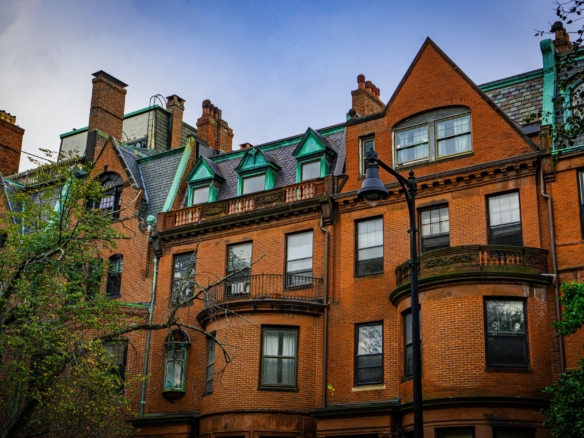
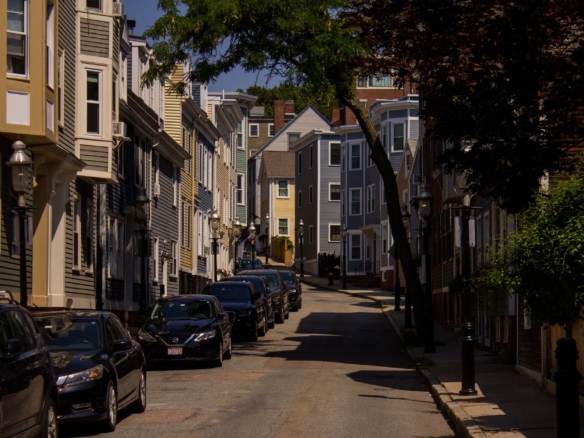
Woburn, Massachusetts is quietly becoming one of the most sought after communities in the Greater Boston area, and for good reason. Nestled in Middlesex County just 10 miles north of downtown Boston, this city of roughly 42,000 residents offers an exceptional blend of suburban comfort, urban convenience, and genuine New England character. Whether you are relocating for work, searching for your first home, or simply exploring your options before making a move in 2026, this complete guide from Homzora will walk you through everything you need to know about living in Woburn, MA.
Boston Renter Intelligence Survey
How does your rent compare?
Add your numbers and get an instant read on what share of your income goes to rent, measured against what Boston renters actually report. You will also get the Q3 report free on October 7.
See how your rent compares →Why Woburn MA Is Attracting Homebuyers and Renters in 2026
Over the past several years, Woburn has emerged as a compelling alternative to pricier communities like Burlington, Lexington, and Winchester. Home prices remain more accessible than many neighboring towns while still offering strong school systems, a growing restaurant scene, and excellent highway access. The city has invested heavily in its downtown corridor, and new residential and mixed use developments have brought fresh energy to the area without eroding its small city charm.
In 2026, Woburn continues to attract a diverse mix of young professionals, growing families, and long term residents who appreciate its practical advantages. The real estate market here remains competitive, but buyers and renters who do their homework often find better value per square foot compared to communities closer to the Boston city limits. For anyone considering a move, understanding the neighborhoods, commute options, schools, and lifestyle offerings is essential before signing on the dotted line.
A Closer Look at Woburn Neighborhoods
Woburn is divided into several distinct neighborhoods, each with its own personality and appeal. Knowing which area fits your lifestyle can make a significant difference in your daily quality of life.
Downtown Woburn
The downtown district has undergone a notable transformation in recent years. Main Street and its surrounding blocks now feature a growing collection of locally owned restaurants, coffee shops, and small businesses. This neighborhood tends to appeal to younger residents and professionals who want walkability and a sense of community activity close to home. Condominiums and multi family homes are common here, making it a popular area for renters and first time buyers alike.
North Woburn
North Woburn is known for its more residential feel, with tree lined streets, established single family homes, and a quieter atmosphere. Families with school age children frequently gravitate toward this part of the city, and property values here reflect the demand. Parks and recreational facilities are plentiful, and residents enjoy a sense of community that comes with a more suburban setting.
West Woburn and the Horn Pond Area
Horn Pond is one of Woburn’s most beloved natural assets, and the neighborhoods surrounding it are consistently among the most desirable in the city. Horn Pond Mountain and the surrounding reservation offer hiking trails, fishing access, and some of the most scenic views in Middlesex County. Homes in this part of town tend to sell quickly, and prices reflect the premium placed on access to green space.
East Woburn
East Woburn blends residential streets with commercial corridors, offering convenient access to Route 38 and Interstate 93. This area is practical for commuters and those who want easy access to shopping, dining, and services without sacrificing a residential feel. The neighborhood has a mix of housing styles and price points, making it accessible to a broad range of buyers and renters.
The Woburn Commuter Experience in 2026
One of the most compelling reasons people choose Woburn is its outstanding commuter options. Whether you work in Boston, Cambridge, Burlington, or the Route 128 tech corridor, Woburn offers multiple routes and transit connections that make the daily commute manageable.
Commuting by MBTA Commuter Rail
Woburn is served by the Lowell Line on the MBTA Commuter Rail, with Anderson Regional Transportation Center serving as the primary station. This station is a major hub that connects riders not only to Boston’s North Station but also to regional bus service and the MBTA bus network. The ride from Anderson to North Station typically takes between 20 and 30 minutes, making it one of the faster commuter rail options available to suburban Boston residents. Parking is available at the station, though arriving early during peak hours is strongly recommended.
Driving and Highway Access
For those who prefer driving, Woburn’s location at the intersection of Interstate 93 and Interstate 95, also known as Route 128, is a tremendous advantage. These two major highways connect residents to Boston, Cambridge, the South Shore, the North Shore, and the western suburbs with relative ease. During off peak hours, the drive into downtown Boston can take as little as 20 minutes. Residents commuting to Burlington, Waltham, or Woburn’s own business park areas on New Boston Street often find that their commute is minimal.
Biking and Alternative Transportation
While Woburn is primarily a driving city, there are ongoing efforts to improve cycling infrastructure and pedestrian pathways. Several rail trail connections and shared use paths make it possible to commute by bicycle to nearby communities, and the city has been gradually expanding its sidewalk and crosswalk network. For those who prefer not to own a vehicle, the combination of commuter rail service and MBTA bus routes provides reasonable connectivity to surrounding areas.
Woburn Public Schools and Educational Resources
Families evaluating Woburn as a potential home base will find a public school system that performs solidly by state standards. The Woburn Public Schools district includes several elementary schools, a middle school, and Woburn Memorial High School. The high school offers Advanced Placement courses, vocational programs, and extracurricular activities that serve a wide range of student interests.
In addition to public schools, Woburn is home to several private school options and is within reasonable distance of prestigious universities and colleges throughout the Greater Boston region. Families who prioritize education will find Woburn to be a practical and affordable alternative to some of the higher priced towns known primarily for their school districts.
Real Estate Market Overview for 2026
The Woburn real estate market in 2026 reflects broader trends across the Greater Boston region, including limited inventory, steady demand, and gradual price appreciation. Single family home prices in Woburn typically range from the upper $500,000s to well over $800,000, depending on location, lot size, and condition. Condominiums and townhomes offer entry points that are more accessible for first time buyers, often starting in the $400,000 range.
Rental demand in Woburn remains strong, driven by the city’s proximity to major employment centers and its relative affordability compared to Cambridge, Somerville, and Boston proper. Two bedroom apartments in Woburn generally rent for between $2,200 and $2,800 per month, though prices vary based on neighborhood and amenities.
Related Boston Housing Resources
Recommended for Boston Property Owners
Upgrade your Boston rental property with a reliable automatic gate opener. Easy installation, app control, and built for New England weather.
Power Backup for Boston Homeowners
Power your Boston home or rental property with BLUETTI portable power stations. Perfect backup power for New England winters and storm season.
Find trusted moving companies in Greater Boston through Angi. Compare quotes from vetted local movers.
Data sources and methodology
Rent data compiled from publicly available sources including the U.S. Census Bureau American Community Survey, Massachusetts Association of Realtors, Zillow Research, CoStar Group, and MBTA ridership reports. Neighborhood statistics reflect current market conditions as of 2026. Figures are estimates based on available market data and should be used for informational purposes. For precise current listings and pricing contact a licensed Massachusetts real estate professional.