Boston homeowners and renters are no strangers to high energy costs. Between the brutal New England winters, humid summers, and aging housing stock found throughout neighborhoods like Dorchester, Jamaica Plain, and Somerville, electric bills can climb to uncomfortable levels throughout the year. The good news is that smart home technology has made it easier than ever to take control of your energy consumption, reduce monthly expenses, and even increase the value of your property. Whether you own a triple decker, a condo in the South End, or a single family home in the suburbs, the strategies in this guide will help you make meaningful cuts to your electric bill while modernizing your living space.
Why Boston Homeowners Should Care About Energy Efficiency
Massachusetts consistently ranks among the most expensive states in the country for electricity. The average Boston household pays significantly more per kilowatt hour than the national average, which means even modest improvements in energy efficiency can translate into hundreds of dollars in annual savings. Beyond the immediate financial relief, energy efficient upgrades also make properties more attractive to buyers and renters in a competitive market.
If you are planning to buy or sell a home in the Boston area, understanding how energy costs affect property values is critical. Buyers are increasingly factoring monthly utility costs into their overall budget calculations. A home equipped with smart energy technology can command a higher asking price and spend fewer days on the market. To get a better sense of how these factors play into the local real estate landscape, explore the latest Boston Housing Data from Homzora Realty, which breaks down market trends by neighborhood and property type.
Understanding Your Energy Consumption Before You Upgrade
Before investing in any smart home technology, it helps to understand where your energy is actually going. Most Boston homes lose energy through a combination of outdated appliances, inefficient heating and cooling systems, and poor insulation. Smart home technology works best when it is layered on top of a basic understanding of your usage patterns.
Smart Energy Monitors
A smart energy monitor plugs into your electrical panel or connects via your utility account and gives you real time data about which devices and systems are consuming the most power. Products like the Sense Energy Monitor or Emporia Vue allow you to track usage down to the individual appliance level. Once you know that your old electric water heater or your aging window AC units are the biggest culprits, you can prioritize which upgrades will deliver the fastest return on investment. You can find a wide selection of energy monitors and related smart home products when you Shop on Amazon and compare options from top brands.
Smart Plugs and Power Strips
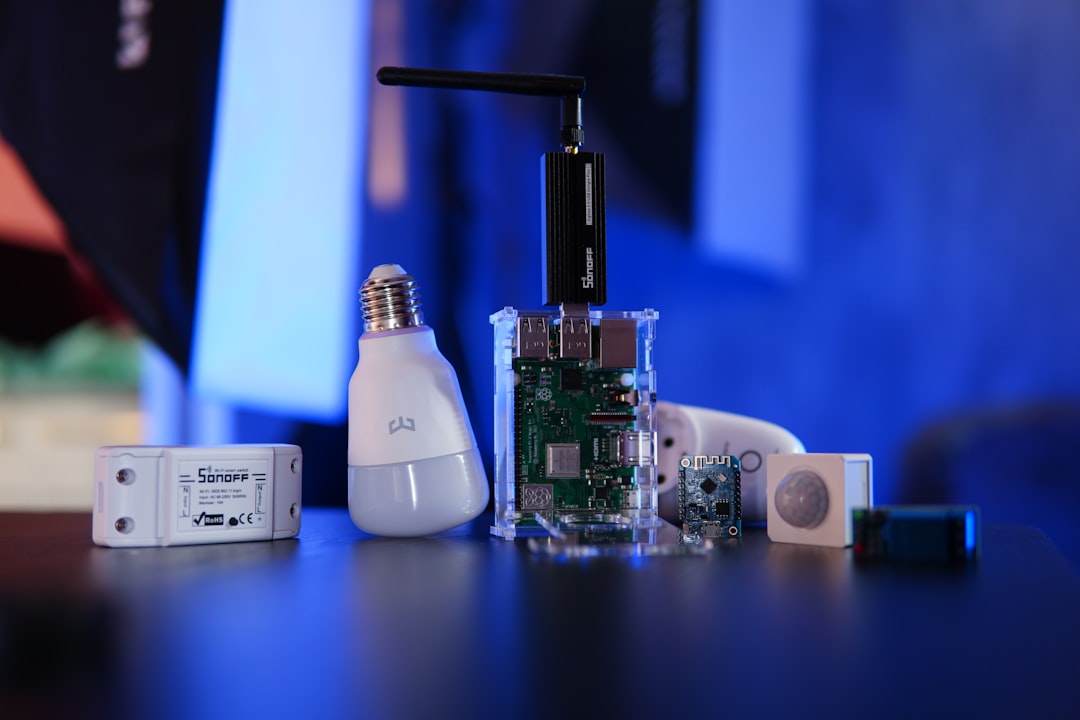
One of the simplest and most affordable entry points into smart home energy management is the smart plug. These devices fit between your standard outlet and any appliance or device, allowing you to monitor energy draw and set schedules remotely from your smartphone. Smart power strips take this a step further by cutting power to peripheral devices when a primary device like a television or computer enters standby mode. For a Boston apartment or condo where every square foot and every dollar counts, smart plugs offer an immediate and low cost way to eliminate phantom load, which is the energy your devices consume even when they appear to be off.
Smart Thermostats: The Single Biggest Upgrade You Can Make
If you are only going to make one smart home investment to reduce your electric bill, a smart thermostat should be at the top of your list. Heating and cooling account for the largest share of energy costs in most Boston homes, and a smart thermostat can reduce that burden by a significant margin through intelligent scheduling and adaptive learning.
How Smart Thermostats Work
Smart thermostats like the Google Nest Learning Thermostat, the Ecobee SmartThermostat, and the Honeywell Home T9 use a combination of occupancy sensors, machine learning, and weather data to optimize your home temperature automatically. They learn your schedule over time and adjust heating and cooling cycles to avoid wasting energy when no one is home. Many models also integrate with utility programs in Massachusetts that reward you for reducing consumption during peak demand periods, which can result in bill credits in addition to your regular savings.
Installation Considerations for Boston Homes
Boston has a wide variety of home types, and not all of them are immediately compatible with standard smart thermostat models. Older buildings that use steam heat or radiant systems may require additional adapters or specialized models. If you live in a multifamily property, you may also need to coordinate with your landlord or property manager before making any changes to the HVAC system. For renters who want to formalize the approval process for upgrades like this, a well structured lease agreement can protect both parties. Resources like LawDepot Lease Agreement make it easy to create clear, legally sound agreements that outline tenant rights and responsibilities when it comes to property modifications.
Smart Lighting Systems That Reduce Energy Waste
Lighting is another major contributor to high electric bills, especially in homes that still rely on incandescent or older fluorescent bulbs. Smart lighting systems address this problem on multiple levels, combining energy efficient LED technology with automated controls that ensure lights are never left on unnecessarily.
LED Smart Bulbs
Smart LED bulbs use roughly 75 percent less energy than traditional incandescent bulbs and last significantly longer. Brands like Philips Hue, LIFX, and Sengled offer bulbs that connect to your home Wi-Fi or a dedicated hub, allowing you to control brightness, color temperature, and schedules from your phone or through voice assistants like Amazon Alexa or Google Assistant. Setting schedules that align with your actual routine means lights turn off automatically when you leave a room or go to bed, eliminating one of the most common sources of unnecessary energy waste.
Motion Sensors and Occupancy Controls
For common areas, hallways, and exterior spaces, motion activated smart switches and occupancy sensors ensure that lights are only on when someone is actually present. In a Boston triple decker or condo building with shared entryways and stairwells, this type of automation can add up to meaningful savings over the course of a year. Many smart switches can be installed without rewiring and are designed to work with existing light fixtures, making them an accessible upgrade for renters and owners alike.
Smart Appliances and Energy Efficient Equipment
The appliances in your home work around the clock and account for a substantial portion of your monthly electric bill. Upgrading to smart, energy efficient models may require a larger upfront investment, but the long term savings and added home value make it worthwhile for Boston property owners thinking about resale or rental income.
Smart Washers, Dryers, and Dishwashers
Modern smart appliances can connect to your home network and receive signals from your utility about peak and off peak pricing windows. By scheduling your washer, dryer, or dishwasher to run during off peak hours, you take advantage of lower electricity rates that many Massachusetts utilities offer through time of use programs. Some models can even pause mid cycle during demand response events and resume automatically when rates drop, all without any manual intervention from you.
Smart Water Heaters
Electric water heaters are among the most energy intensive appliances in any home. Smart heat pump water heaters, like those made by Rheem or A.O. Smith, are significantly more efficient than conventional electric models and can be controlled remotely to optimize heating schedules. Massachusetts also offers rebates through Mass Save and other utility programs for qualifying smart water heater upgrades, which can offset a significant portion of the purchase and installation cost.
Solar Panels and Smart Energy Storage
For Boston homeowners who want to make the most ambitious leap toward energy independence, solar panels paired with smart battery storage systems offer the potential to dramatically reduce or even eliminate monthly electric bills. Massachusetts is one of the better states for solar investment, thanks to net metering programs, the SMART incentive program, and federal tax credits that remain available through 2032.
Are You a Licensed MA Real Estate Agent?
List your Boston rentals and properties free on Homzora. Zero fees. Zero commissions. Direct leads sent to you.
How Smart Solar Systems Work
Modern solar installations include smart inverters and monitoring systems that track production in real time and automatically route excess energy to battery storage or back to the grid for credit. Systems like the Tesla Powerwall or Enphase IQ Battery allow homeowners to store solar energy generated during the day for use during evening peak hours, maximizing the financial benefit of every kilowatt generated. For Boston neighborhoods with good southern exposure, the return on investment for a properly sized solar system is often more attractive than many people expect.
Impact on Property Value
Studies have consistently shown that homes with solar installations sell for more than comparable homes without them. In a market as competitive as Boston, that premium can be significant. If you are considering a solar investment as part of a broader property improvement strategy, it is worth exploring how energy upgrades fit into your overall financial picture, including your mortgage situation. Taking a few minutes to Compare Mortgage Rates could also reveal refinancing opportunities that free up capital for energy upgrades while keeping your monthly housing costs manageable.
Smart Home Hubs and Automation Platforms
One of the most powerful aspects of smart home technology is the ability to connect individual devices into a unified system that works together intelligently. A smart home hub or automation platform like Amazon Echo, Google Home, or Apple HomeKit allows you to create routines that coordinate multiple devices simultaneously, maximizing the energy saving potential of each individual upgrade.
Creating Energy Saving Routines
With a connected smart home system, you can create a single routine that does the following when you leave for work in the morning. It adjusts the thermostat to an energy saving temperature, turns off all lights and unnecessary devices, activates occupancy monitoring for security, and shifts your scheduled appliance cycles to off peak hours. When you return home in the evening, the system can reverse the process, pre heating or cooling your home before you arrive so it is comfortable the moment you walk in the door without wasting energy throughout the day.
Financial Planning for Smart Home Upgrades
Smart home technology represents a real financial investment, and it is important to approach these upgrades with a clear sense of priorities and budget. Not every device or system will deliver the same return, and the right combination for your home depends on your specific usage patterns, property type, and financial goals.
For homeowners who are also thinking about the broader financial picture, keeping your credit profile in good shape can open doors to better financing options for home improvement projects. Services like SmartCredit provide tools to monitor and improve your credit score, which can make a meaningful difference when you apply for a home equity line of credit or a home improvement loan to fund energy upgrades.
Protecting Your Investment With a Home Warranty
As you invest in smart appliances and advanced home systems, it is also wise to think about how you will protect that investment over time. Smart appliances and integrated home systems can be expensive to repair or replace when they malfunction. A comprehensive home warranty plan can cover the cost of repairs and replacements for major systems and appliances, giving you peace of mind as you modernize your home. Choice Home Warranty offers plans that cover a wide range of home systems and appliances, making it a smart complement to any significant home upgrade investment.
Finding the Right Boston Neighborhood for Energy Efficient Living
If you are in the market for a new home in the Boston area and energy efficiency is a priority, the neighborhood you choose can be just as important as the home itself. Older neighborhoods with aging housing stock may require more initial investment to bring properties up to modern energy standards, while newer developments in areas like Seaport or parts of South Boston often feature more energy efficient construction from the ground up.
Understanding the characteristics of different Boston neighborhoods can help you make a smarter buying decision that aligns with your energy goals and budget. The Boston Neighborhood Finder from Homzora Realty is an excellent resource for exploring the housing options, lifestyle factors, and property types available across the city and its surrounding communities.
Getting Started With Your Smart Home Energy Plan
The most effective approach to lowering your electric bill with smart home technology is to start with a clear assessment of your current energy use and then prioritize upgrades based on the potential savings each one can deliver. Here is a simple framework for getting started.
- Install a smart energy monitor to identify your highest consumption devices and systems.
- Upgrade to a smart thermostat as your first major investment, since heating and cooling represent the largest share of most energy bills.
- Replace standard bulbs with smart LED bulbs and add motion sensors to high traffic areas.
- Add smart plugs to eliminate phantom load from entertainment systems, computers, and other standby devices.
- Consider smart appliance upgrades when existing appliances reach the end of their useful life.
- Explore solar options if your property and financial situation make the investment viable.
- Connect everything through a smart home hub to create automated routines that maximize savings without requiring daily manual adjustments.
Each step builds on the last, and even starting with just one or two changes can produce noticeable results on your next electric bill. The key is to take action rather than waiting for the perfect moment to overhaul everything at once.
Start Saving and Start Smart With Homzora Realty
Lowering your electric bill with smart home technology is not just about saving money month to month. It is about investing in a more comfortable, more sustainable, and more valuable home for the long term. In a city like Boston, where housing costs are high and energy prices are higher than the national average, every dollar saved on utilities is a dollar that stays in your pocket or goes toward building equity in your property.
Whether you are buying your first home, upgrading your current property, searching for an investment opportunity, or trying to make your rental more attractive to quality tenants, smart energy technology is one of the most practical and rewarding improvements you can make. The team at Homzora Realty understands the unique dynamics of the Boston real estate market and can help you find properties that align with your lifestyle, budget, and energy efficiency goals. Visit homzorarealty.com today to explore listings, access market data, and connect with local real estate experts who are ready to help you make your next smart move.
Stay Ahead of the Boston Market
Monthly insights on Boston rents, home tips, and investment opportunities delivered free to your inbox.
Related Boston Housing Resources