Boston homeowners and real estate investors heading into 2026 are discovering that smart home technology is no longer a luxury reserved for high-end properties. It has become a practical, measurable strategy for increasing property value, attracting qualified buyers, and commanding higher rents across every neighborhood from South Boston to Jamaica Plain. The Boston real estate market remains one of the most competitive in the country, and buyers today expect more from the homes they purchase. Smart upgrades done correctly can add thousands of dollars in appraised value, reduce utility costs, improve safety compliance under Massachusetts law, and make a property significantly more attractive in a crowded listing environment. Understanding which upgrades actually deliver returns and which ones drain your renovation budget without moving the needle is the critical difference between a smart investment and an expensive mistake.
Why Smart Home Technology Matters More Than Ever for Boston Properties
The Boston housing market in 2026 is being shaped by a tech-savvy buyer pool that includes thousands of graduate students, healthcare professionals, finance workers, and young families who live digitally integrated lives. These buyers are not impressed by cosmetic upgrades alone. They want homes that work intelligently, reduce their monthly expenses, and connect seamlessly with the devices they already own. Sellers who have invested thoughtfully in smart home systems are routinely receiving faster offers and stronger closing prices than comparable listings without those features.
Reviewing current Boston Housing Data confirms that properties marketed with documented smart home features spend fewer days on the market and attract more competitive offer situations than properties without those features, particularly in neighborhoods like Beacon Hill, Back Bay, Cambridge adjacent zip codes, and the rapidly developing Seaport District. For landlords managing multi-family properties, smart upgrades translate directly into reduced vacancy rates and higher monthly rents across all unit types.
Smart Thermostats and Energy Savings That Appeal to Boston Buyers
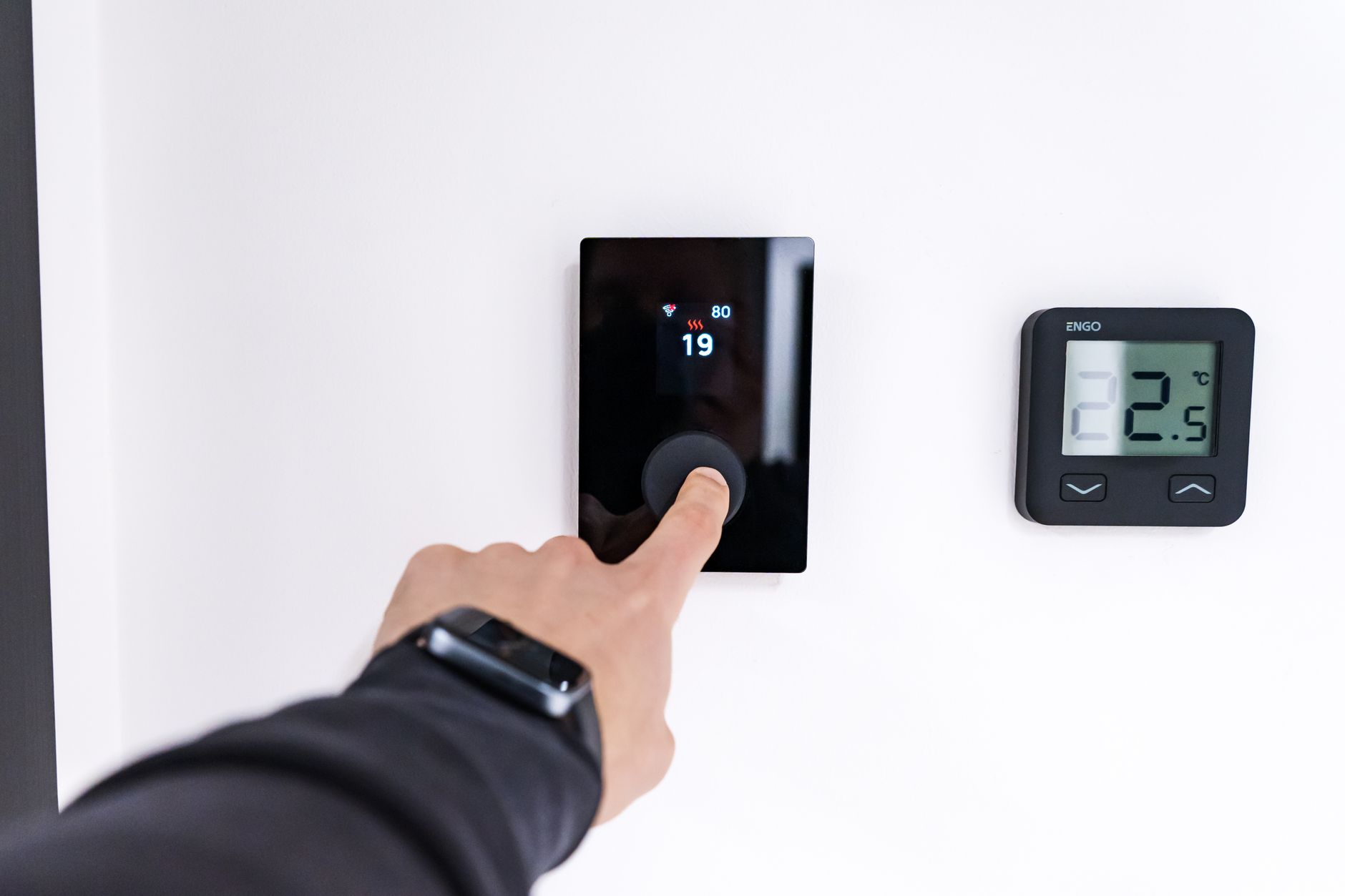
Few smart upgrades offer a better combination of low installation cost and immediate buyer appeal than a smart thermostat. In Boston, where winters are genuinely harsh and heating costs can push monthly bills well above what buyers in warmer climates ever experience, the promise of a learning thermostat that optimizes energy use resonates deeply with practically every buyer demographic.
Devices like the Nest Learning Thermostat and the Ecobee SmartThermostat with built-in sensors allow homeowners to reduce heating and cooling costs by an average of 10 to 15 percent annually. In a Boston home where annual heating expenses can easily reach $2,500 to $4,000 depending on the heating system and property size, those savings are meaningful. Smart thermostats typically cost between $150 and $300 for the device plus another $100 to $200 for professional installation, making the total investment modest relative to the ongoing savings and the marketing value when listing the property.
Smart Locks and Keyless Entry Systems
Smart locks have moved from novelty to near-standard expectation in the Boston rental market and are increasingly common in residential sales listings as well. Keyless entry systems offer genuine practical benefits including the ability to grant temporary access codes to contractors or houseguests, remote locking and unlocking capability through smartphone apps, and detailed access logs that appeal to both homeowners and landlords.
For single-family properties, smart locks like the Schlage Encode or the Yale Assure Lock provide deadbolt-grade security with smart connectivity. Installation is straightforward and costs typically range from $250 to $500 all-in. For multi-family properties in Boston, smart locks represent a particularly strong investment because they eliminate the recurring cost and logistical headache of rekeying units between tenants. A landlord managing a six-unit building in Somerville or Allston can save several hundred dollars per turnover cycle while simultaneously marketing the property as a premium smart-enabled rental.
Video Doorbells and Smart Security Camera Systems
Video doorbells have achieved mass-market adoption across Boston neighborhoods at a pace that few predicted even three years ago. Ring, Nest Hello, and Arlo products are now visible on doorways throughout every price point from triple-deckers in Dorchester to brownstones in the South End. Buyers have come to expect them, and their absence can actually raise questions about a property during showings.
A complete smart security setup that includes a video doorbell plus two to four exterior cameras costs between $500 and $1,500 installed depending on the quality of equipment selected. The value delivered extends beyond the equipment itself. Documented security systems are a selling point in listing descriptions, they reassure buyers with families, and they provide tangible support when seeking insurance discounts, which are discussed in more detail later in this article.
Smart Lighting Systems and Automated Controls
Smart lighting is one of the most visually impactful smart upgrades available, and it works across every property type from condominiums to large single-family homes in Newton or Wellesley. Systems like Philips Hue, Lutron Caseta, and LIFX allow homeowners to control every light in the property through voice commands, smartphone apps, or programmed schedules.
The appeal to buyers extends beyond convenience. Smart lighting can reduce electricity consumption by 20 to 40 percent compared to traditional bulbs when combined with occupancy sensors and automated schedules. For staging purposes, smart lighting allows sellers to set perfect ambiance for open houses and showings with a single tap, which is a detail that experienced listing agents genuinely appreciate.
For multi-family properties, smart lighting in common areas such as hallways, entryways, and laundry rooms reduces landlord-paid electricity costs while simultaneously improving the perceived quality of the building. Motion-activated smart lighting in common areas is a practical upgrade that pays for itself quickly in a Boston multi-family with four or more units.
Smart Smoke and Carbon Monoxide Detectors Required by Massachusetts Law
This category is not optional in Massachusetts, making it one of the most important smart upgrades any property owner should prioritize. Massachusetts fire code requires working smoke detectors and carbon monoxide detectors in all residential properties, and requirements for interconnected systems have become increasingly stringent in recent years. Smart detectors from brands like Nest Protect satisfy these legal requirements while adding substantial practical value beyond basic compliance.
Nest Protect and similar smart detectors send smartphone alerts when triggered, can self-test automatically, distinguish between fast and slow-burning fires, and integrate with other smart home systems to trigger automated responses such as turning on lights during an emergency. For sellers, having compliant smart detectors already installed simplifies the sale process because Massachusetts requires detector inspections as part of the property transfer process. For landlords, smart detectors reduce liability exposure and can be monitored remotely across multiple properties from a single app dashboard.
Home Automation Hubs and Compatibility With Alexa and Google Home
One of the most common smart home mistakes Boston property owners make is installing devices from multiple brands that do not communicate with each other. A smart lock that uses one app, a thermostat that uses another, and lighting that requires a third creates a frustrating experience that undermines the entire value proposition of a smart home. Buyers recognize this immediately during showings, and appraisers note it as a limitation.
A properly integrated smart home uses a central hub or a common platform to unify all devices. Amazon Alexa, Google Home, and Apple HomeKit are the three dominant ecosystems. Samsung SmartThings and Hubitat are popular hub options for homeowners who want more sophisticated automation without relying entirely on any single tech company’s ecosystem. When every device in the home responds to a single voice command or a single app interface, the upgrade feels cohesive and premium rather than patchy and experimental.
Buyers who are evaluating properties in multiple Boston neighborhoods will find the Boston Neighborhood Finder a useful resource for identifying which areas are seeing the strongest demand for smart-enabled properties and which neighborhoods are attracting the tech-forward buyer demographics most likely to pay a premium for fully integrated systems.
Which Smart Upgrades Actually Show Up in Appraisals Versus Which Ones Do Not
This question matters enormously for sellers who are investing in smart technology with the expectation of a higher appraised value. The reality is nuanced. Appraisers evaluate smart home features primarily on the basis of whether comparable sales in the area reflect similar features, whether the upgrades are permanent and physically integrated into the property, and whether there is documented buyer demand in the local market.
Are You a Licensed MA Real Estate Agent?
List your Boston rentals and properties free on Homzora. Zero fees. Zero commissions. Direct leads sent to you.
Smart upgrades that tend to show up positively in appraisals include whole-home integrated systems with professional installation documentation, EV chargers installed in garages, smart HVAC systems including smart thermostats connected to upgraded mechanical systems, and security systems that are physically wired into the property rather than relying entirely on wireless portable devices. Removable smart devices like standalone smart speakers, portable smart plugs, and tablet-based home control panels typically do not contribute to appraised value because they travel with the seller.
Cost Versus Return on Investment for Each Upgrade Category
Understanding the financial return of each smart upgrade category helps property owners allocate renovation budgets strategically rather than spending indiscriminately on technology that sounds impressive but delivers minimal measurable return.
- Smart thermostats cost $250 to $500 installed and typically deliver returns of 2 to 5 times investment through energy savings and buyer appeal over a three-year ownership period.
- Smart locks cost $250 to $500 installed per unit and deliver strong returns in rental properties through reduced rekeying costs and higher rents.
- Video doorbells and cameras cost $500 to $1,500 for a complete system and deliver returns through insurance discounts, buyer appeal, and marketing differentiation.
- Smart lighting costs $800 to $3,000 for a whole-home setup and delivers returns through electricity savings and staging value in sales listings.
- Smart smoke and CO detectors cost $200 to $600 for a whole-home setup and deliver returns through compliance simplification and reduced liability.
- EV chargers cost $1,200 to $3,500 installed and deliver some of the strongest returns among all smart upgrades in the Boston market given the city’s growing electric vehicle adoption rate.
Smart Home Upgrades That Appeal Specifically to Younger Boston Buyers and Renters
Boston’s buyer and renter pool includes one of the highest concentrations of millennials and Gen Z adults of any major American city, driven by the presence of dozens of universities, major hospitals, technology companies, and financial institutions. This demographic has specific expectations that differ meaningfully from older buyer cohorts.
Younger buyers prioritize seamless connectivity above almost everything else. They want USB-C charging outlets built into walls, strong whole-home WiFi coverage supported by smart mesh networking systems, voice-controlled everything, and smart appliances that can be monitored from their phones. Properties that deliver this experience command significant premiums in competitive neighborhoods like Cambridge, Somerville, Fenway, and the South End.
Package management systems for multi-family buildings are another upgrade that resonates strongly with younger renters who shop online frequently. Smart package lockers or video-enabled package delivery systems reduce package theft, eliminate landlord headaches, and are perceived as a meaningful amenity by the rental applicants most likely to stay for multiple lease cycles.
Smart Irrigation Systems for Single Family Properties
For single-family homeowners in Boston suburbs like Newton, Brookline, Milton, and Needham where landscaped yards are a meaningful part of property appeal, smart irrigation systems offer measurable value. Systems like Rachio and RainBird’s smart controllers adjust watering schedules automatically based on local weather data, soil conditions, and seasonal changes, reducing outdoor water consumption by 30 to 50 percent compared to traditional timer-based systems.
In Massachusetts, where water rates have increased substantially over the past decade and drought restrictions have become more common during summer months, the practical appeal of a smart irrigation system is growing. Installation costs typically range from $300 to $800 for the controller plus professional programming, and the investment is visible in both lower water bills and healthier landscaping that photographs well for listing presentations.
EV Charger Installation as a Value Add Amenity
Electric vehicle charger installation has emerged as one of the single highest-return smart upgrades available to Boston property owners heading into 2026. Massachusetts leads the nation in electric vehicle adoption among its professional class, and the greater Boston area has one of the highest per-capita EV ownership rates in the country. A Level 2 EV charger installed in a garage or designated parking space is no longer viewed as an unusual amenity. It is becoming an expected feature among buyers in the $600,000 and above price range.
Installation of a Level 2 charger typically costs between $1,200 and $3,500 depending on the electrical panel’s existing capacity and the distance between the panel and the parking location. The return on this investment in the Boston market frequently exceeds the installation cost when evaluated through buyer willingness to pay more for a property that eliminates the need to install their own charger after purchase.
Smart Home Upgrades for Multi-Family and Rental Properties
Landlords operating multi-family properties in Boston face a different calculus than owner-occupants preparing a home for sale. The return on investment must be evaluated through the lens of monthly rent premiums, reduced vacancy, lower operating costs, and protection against tenant-related liability.
The highest-priority smart upgrades for Boston multi-family properties in 2026 are smart locks for individual units, smart thermostats in units where landlords pay heating costs, smart smoke and carbon monoxide detectors for code compliance, package management systems for buildings with four or more units, and smart common area lighting controlled by occupancy sensors.
What Landlords Should Prioritize Versus What Homeowners Selling Should Prioritize
The strategic priorities for landlords and sellers differ significantly, and conflating them leads to misallocated renovation budgets.
Priorities for Landlords
Landlords should focus on upgrades that reduce operating costs, lower turnover expenses, improve tenant safety and satisfaction, and reduce liability exposure. Smart locks, smart thermostats, smart detectors, and package management systems deliver on all of these criteria simultaneously and should form the foundation of any landlord smart home investment strategy.
Priorities for Sellers
Sellers should focus on upgrades that are visible, demonstrable during showings, and permanently integrated into the property. A fully unified smart home system that a listing agent can walk buyers through during a showing creates a memorable experience that supports premium pricing. EV chargers, integrated smart lighting, a cohesive hub system, and documented smart security infrastructure are the upgrades most likely to move the needle on sale price and time on market.
Insurance Discounts Available for Smart Security Systems in Massachusetts
One of the most underutilized financial benefits of smart home upgrades in Massachusetts is the availability of homeowners and landlord insurance discounts for properties equipped with monitored security systems, smart smoke and carbon monoxide detectors, and water leak detection systems.
Stay Ahead of the Boston Market
Monthly insights on Boston rents, home tips, and investment opportunities delivered free to your inbox.