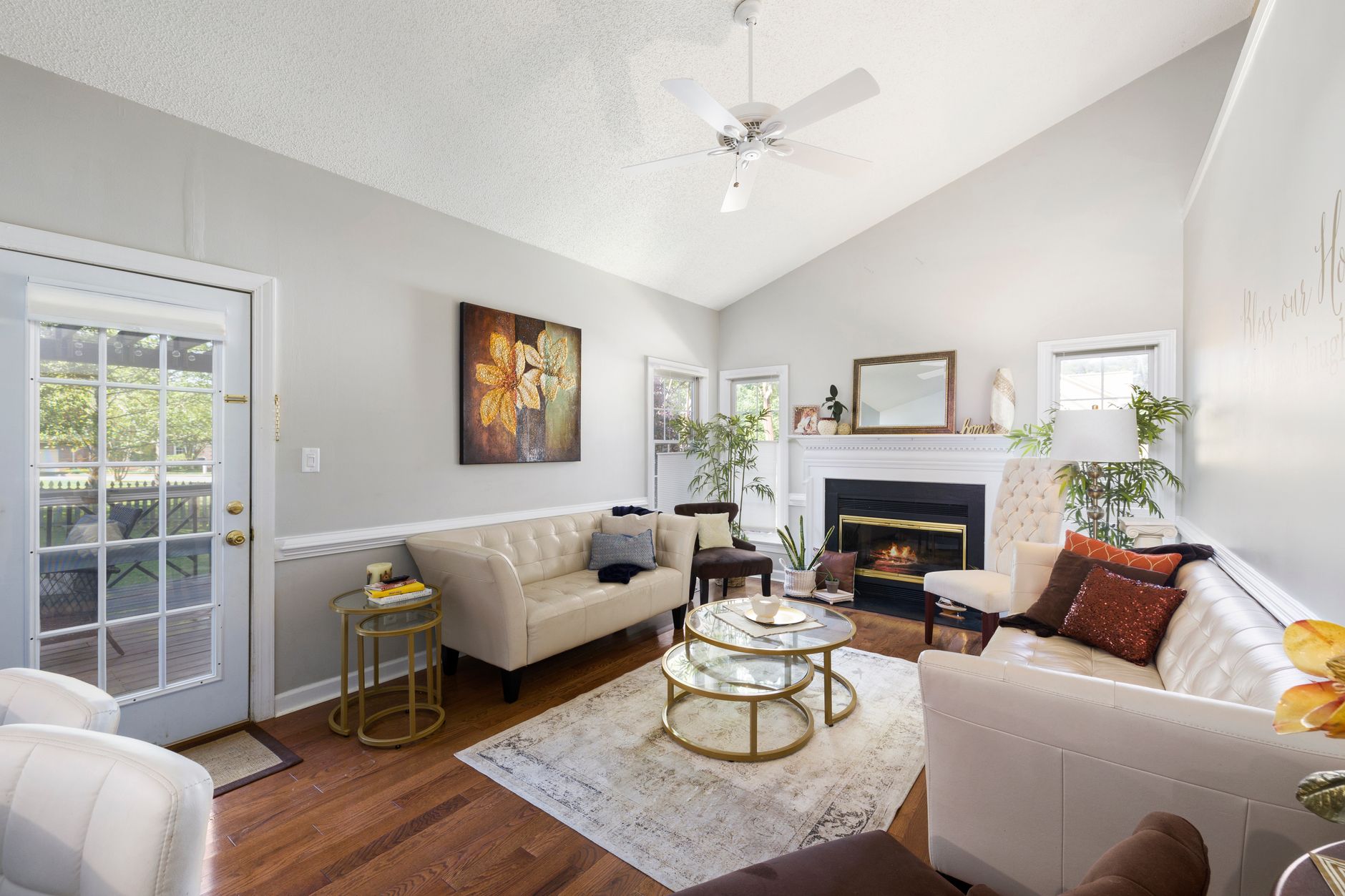
Selling a home in Boston has never been more competitive. With inventory fluctuating, buyer expectations rising, and online listing photos serving as the first showing for nearly every sale, the way you present your property before it hits the market can mean the difference between a bidding war and a price reduction. Home staging is no longer optional in this city. It is a strategic investment that directly influences how quickly your home sells and how much money ends up in your pocket at the closing table. Whether you own a Beacon Hill brownstone, a South End row house, a Jamaica Plain triple decker, or a Back Bay condo, this complete guide will walk you through everything you need to know about staging your Boston home for sale in 2026.
Why Staging Matters More in a Competitive Boston Market
Boston consistently ranks among the most competitive real estate markets in the United States. Buyers are educated, often working with experienced agents, and they view dozens of listings before scheduling a single showing. According to data from the National Association of Realtors, staged homes sell between 73 and 79 percent faster than non-staged homes, and many sellers recover more than the cost of staging in their final sale price. In a city where the median home price regularly exceeds $700,000, even a modest percentage increase in sale price represents tens of thousands of dollars.
Boston buyers are also particularly savvy about space. Many properties in this city were built in the late 1800s and early 1900s, featuring smaller rooms, unusual layouts, and architectural details that can either charm buyers or confuse them. Staging helps buyers understand how to live in a space and removes the mental work of imagining furniture arrangements. When a buyer walks into a well-staged home, they feel an emotional connection almost immediately. That emotional connection drives offers, and competitive offers drive prices upward.
You can explore current market trends and pricing data by reviewing the Boston Housing Data available from Homzora, which provides neighborhood-level insights that will help you understand what buyers in your area are expecting.
The Real Cost of Professional Staging Versus DIY Staging
One of the first questions sellers ask is whether professional staging is worth the money. The honest answer depends on your property, your timeline, and your comfort level with interior design decisions. Professional stagers in the Boston market typically charge between $1,500 and $5,000 for a full staging of an occupied home, and between $3,000 and $10,000 for a vacant property that requires furniture rental. These costs can feel steep, but when measured against a potential increase in sale price of 5 to 10 percent on a $750,000 home, the math becomes very compelling very quickly.
DIY staging is a legitimate option for sellers who are willing to put in the time and effort. If your home is already well-furnished, clean, and reasonably updated, a DIY approach combined with a professional consultation can yield excellent results. A one-hour staging consultation with a professional in Boston typically costs between $150 and $400, and the stager will walk through your home providing specific actionable recommendations that you implement yourself. This hybrid approach is increasingly popular and delivers strong results when sellers follow through completely on the recommendations they receive.
Decluttering and Depersonalizing Before Listing
Before any furniture is moved or paint is chosen, decluttering and depersonalizing your home is the single most important step in the entire staging process. Boston homes, particularly older ones, often suffer from accumulated belongings that crowd rooms and make spaces feel smaller than they actually are. Every item on a surface, every piece of furniture that does not serve a clear purpose, and every personal photograph on a wall is competing for a buyer’s attention and pulling them out of the experience of imagining the home as their own.
A Room-by-Room Decluttering Strategy
Start with closets and storage areas, because buyers will open every door. A closet that appears organized and half-full signals ample storage to buyers. A closet stuffed to capacity signals the opposite. Remove at least one-third of the clothing from every closet and organize what remains. In the kitchen, clear countertops entirely and store away small appliances that are not used daily. In bathrooms, remove all personal care products from the surfaces and store them in cabinets or bins under the sink. Personal photographs, religious items, and highly specific decorative pieces should be packed away before listing. You are not erasing your identity permanently. You are creating a neutral canvas that allows buyers to project their own lives into the space.
Paint Colors That Perform Best for Boston Buyers
Choosing the right paint color before listing is one of the highest-return investments a seller can make. A fresh coat of paint in the right color can make rooms feel larger, brighter, and more updated. Research consistently shows that neutral warm whites and soft greiges outperform bold or highly specific colors in home sales. In the Boston market specifically, where many homes feature dark wood trim, brick fireplaces, and smaller windows, the right paint color can visually transform a room without a major renovation.
For living rooms and bedrooms, consider warm whites like Benjamin Moore’s White Dove or Sherwin-Williams Alabaster. These colors work beautifully against both dark trim and lighter trim and photograph exceptionally well. For kitchens, soft warm whites and very light greiges tend to make the space feel clean and updated. Avoid stark cool whites, which can feel clinical and unflattering in older Boston homes. For bathrooms, a warm white or very pale blue-gray creates a spa-like feeling without being trendy in a way that will quickly date the space. Avoid painting over brick or stone fireplaces, which are highly desirable architectural features that Boston buyers actively seek out.
Staging Small Boston Condos and Triple Deckers Versus Larger Single Family Homes
Not all Boston properties are staged the same way. A 650-square-foot condo in the Fenway neighborhood requires an entirely different approach than a 2,800-square-foot single family home in West Roxbury. Understanding the specific staging needs of your property type is essential to getting results.
Staging Condos and Small Units
In small condos, every square inch of floor space matters. The goal of staging is to demonstrate maximum functionality with minimum visual clutter. Use furniture that is scaled appropriately to the room, choosing pieces that are slightly smaller than what you might use in a larger home. In a small living room, a loveseat paired with a chair often reads better than a full sofa. Use mirrors strategically to create the illusion of depth and to reflect light. Keep color palettes consistent throughout the unit so that the eye travels smoothly from room to room, creating a sense of flow and continuity that makes the unit feel larger than it is.
Staging Triple Deckers and Multi-Family Properties
Kitchen and Bathroom Staging Tips That Affect Perceived Value
Kitchens and bathrooms sell homes. This is a well-documented reality in real estate, and it is particularly true in the Boston market where buyers often expect updated finishes even in older properties. You do not need to undertake a full renovation to dramatically improve the perceived value of these spaces through staging.
In the kitchen, remove everything from the countertops except for one or two carefully chosen decorative items such as a small potted herb plant or a bowl of fresh fruit. Clean cabinet fronts thoroughly and consider replacing hardware if the existing hardware is dated. A new faucet can transform the look of a kitchen for a relatively small investment. Set out fresh white hand towels and ensure the sink is spotless for every showing. If the appliances are older, ensure they are polished to a shine and consider stainless steel appliance covers for the most outdated pieces.
In bathrooms, remove all personal products from visible surfaces, install new towels in white or light neutral tones, and add a small plant if the light allows it. Replace toilet seats if they are worn or discolored, as this is a minor expense that creates an outsized impression. A diffuser with a light, clean scent can create a pleasant atmosphere without the overpowering effect that can trigger concerns about odors being masked.
Curb Appeal Specific to Boston Row Houses and Brownstones
First impressions are formed before a buyer steps through the door. In Boston, where row houses, brownstones, and attached homes are extremely common, curb appeal takes on a specific character. You may not have a sprawling front yard to landscape, but the front stairs, the entry door, the window boxes, and the facade all contribute powerfully to a buyer’s first impression.
Are You a Licensed MA Real Estate Agent?
List your Boston rentals and properties free on Homzora. Zero fees. Zero commissions. Direct leads sent to you.
Paint or refinish the front door in a color that complements the facade. Deep navy, forest green, and classic black are perennially popular for Boston brownstones and perform well with buyers. Power wash front stoops and railings, replacing any loose or damaged materials. Window boxes with seasonal plantings add significant charm to a Boston row house facade at minimal cost. Ensure that all exterior light fixtures are clean and functioning, and that the address numbers are visible and in good condition. These small investments signal to buyers that the home has been carefully maintained, which builds confidence in the quality of the entire property.
Virtual Staging for Online Listings
The first showing for virtually every home sold in Boston today happens online. Buyers browse listing photos on their phones and computers before they ever call an agent to schedule a visit. Virtual staging, which uses digital tools to add furniture and decor to photographs of empty rooms, has become an increasingly important tool in the Boston market.
For vacant properties, virtual staging costs a fraction of physical furniture rental and can be completed in as little as 24 to 48 hours. High-quality virtual staging is virtually indistinguishable from real staging in listing photographs and allows buyers to understand the scale and potential of empty rooms. It is important that the virtual staging reflects realistic furniture placement and sizing rather than aspirational or oversized designs that would not actually fit in the space. Always disclose virtual staging in listings to maintain buyer trust and avoid disappointment during showings.
Staging During Different Boston Seasons, Especially Winter Listings
Boston is a four-season city, and the season in which you list your home should influence your staging decisions. Spring and summer listings benefit from open windows, fresh flowers, and light linen textiles that create a breezy, welcoming atmosphere. Fall listings can lean into the warmth of the season with rich jewel-toned accents, harvest-inspired decor, and well-placed area rugs. Winter listings, which are common in Boston given the strong year-round market activity, require special attention.
For winter listings, the goal is warmth, coziness, and light. Ensure all lighting is working and add supplemental lamps to rooms that feel dark. Use warm-toned bulbs throughout the home rather than cool white or daylight bulbs. A clean, lit fireplace staged with simple accessories creates an immediately inviting focal point. Keep exterior pathways and stairs completely clear of snow and ice before every showing, as this is both a safety issue and a critical first impression. Use tasteful seasonal decor sparingly, avoiding anything that feels overly holiday-specific, which can make buyers feel they are viewing the home at the wrong time of year.
What to Do With Pets During Showings
Pets are beloved family members, but during showings they can be significant obstacles to a successful sale. Some buyers have allergies, others have phobias, and even buyers who love animals can be distracted from evaluating the property when a dog or cat is present. The best approach is to remove pets from the property entirely for all showings. Take dogs for a walk or to a friend’s home, and consider boarding cats or placing them with a friend or family member during active showing periods.
Beyond the animals themselves, all evidence of pets should be minimized before showings. Remove food bowls, litter boxes, pet beds, and toys from all visible areas. Address pet odors thoroughly using enzymatic cleaners and professional carpet cleaning if necessary. Pet odors are among the most common reasons buyers decline to make offers on properties they otherwise liked, and they are entirely addressable with proper preparation.
Lighting Techniques for Older Boston Homes With Smaller Windows
Many of Boston’s most desirable homes, particularly in neighborhoods like the South End, Beacon Hill, and Charlestown, were built during an era when windows were smaller by design. This can create lighting challenges that need to be addressed strategically for showings and photography.
Layer your lighting throughout the home by using a combination of overhead fixtures, floor lamps, table lamps, and under-cabinet lighting where applicable. Replace all bulbs with warm white LED bulbs rated between 2700K and 3000K for a welcoming glow that photographs beautifully. Open all window treatments fully before every showing to maximize natural light. Use mirrors placed opposite or adjacent to windows to reflect natural light deeper into rooms. In basement units or garden-level condos, this technique can create a dramatic improvement in perceived brightness.
Common Staging Mistakes That Turn Off Buyers
Even well-intentioned staging efforts can backfire if common mistakes are made. Over-staging, which means filling a space with too many decorative accessories, can feel overwhelming and hide the architectural features buyers are trying to evaluate. Matching furniture sets that feel too coordinated can make a space feel like a showroom rather than a home. Strong fragrances, whether from candles, plugins, or air fresheners, are often interpreted by buyers as attempts to conceal unpleasant odors and should be avoided entirely. Leaving too much personal memorabilia in the home prevents buyers from imagining themselves in the space. Neglecting minor repairs like dripping faucets, squeaky doors, and cracked switch plates before staging signals deferred maintenance and undermines buyer confidence.
How Staging Affects Days on Market and Final Sale Price
The data on staging is consistent and compelling. Staged homes spend fewer days on market and generate higher sale prices than comparable non-staged properties. In a market like Boston, where carrying costs are substantial and every week a home sits unsold represents mortgage payments, utility bills, and continued maintenance expenses, reducing days on market has direct financial value beyond the sale price itself.
Vacant Home Staging Versus Occupied Home Staging
Vacant homes present unique challenges in the staging process. Empty rooms photograph poorly, feel cold and uninviting during showings, and give buyers no reference point for understanding how furniture would fit in the space. Buyers frequently overestimate room sizes in vacant properties, which leads to disappointment when they return with tape measures. Vacant home staging requires either renting physical furniture and decor or using virtual staging for online listings.
Occupied home staging, by contrast, works with what is already in the property and focuses on editing, repositioning, and supplementing existing furnishings. The occupied staging process is often more efficient and less expensive, but it requires the seller to live in a staged home for the duration of the listing period, which demands a higher level of daily discipline and organization.
When to Hire a Professional Stager Versus Doing It Yourself
The decision to hire a professional stager or handle the process yourself should be based on an honest assessment of your design sensibility, your available time, and the price point of your property. For luxury properties priced above $1.5 million, professional staging is almost always the right choice. The investment represents a small fraction of the sale price, and buyers at this level have high expectations for presentation. For properties in the $500,000 to $1.5 million range, a professional consultation combined with DIY implementation often strikes the best balance. For properties below $500,000 or for investment properties where occupancy and turnover are the primary concern, a careful DIY approach guided by a staging checklist can be highly effective.
Stay Ahead of the Boston Market
Monthly insights on Boston rents, home tips, and investment opportunities delivered free to your inbox.
Related Boston Housing Resources