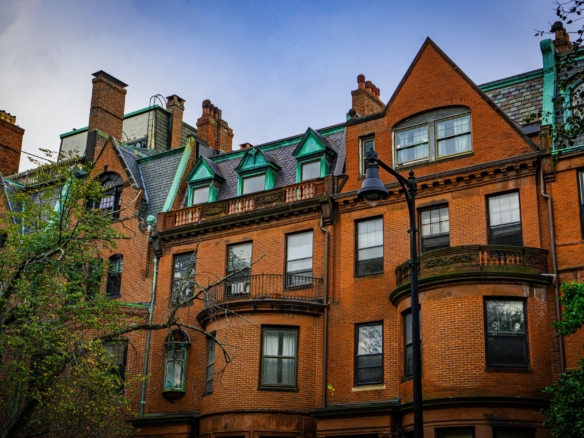
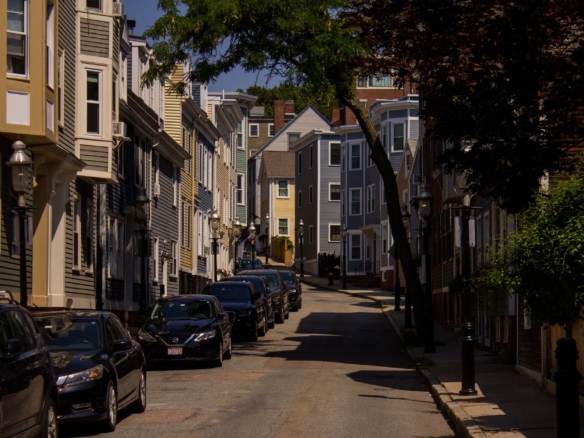
Fenway is one of Boston’s most dynamic and beloved neighborhoods, offering a rare combination of cultural richness, athletic energy, academic vibrancy, and urban convenience. Whether you are a lifelong Red Sox fan, a graduate student at one of the nearby universities, a young professional craving walkable city living, or a family looking for a community with genuine character, Fenway delivers on nearly every front. This guide covers everything you need to know about living in Fenway in 2026, from current rental prices and transit options to the best local restaurants, green spaces, and practical renting advice.
Boston Renter Intelligence Survey
How does your rent compare?
Add your numbers and get an instant read on what share of your income goes to rent, measured against what Boston renters actually report. You will also get the Q3 report free on October 7.
See how your rent compares →Check your numbers against Boston data
See what share of your income goes to rent, and how your neighborhood compares. Free, no email required.
What Makes Fenway One of Boston’s Most Sought After Neighborhoods
Fenway sits in the heart of Boston, bordered by the Back Bay Fens, Kenmore Square, the Longwood Medical Area, and the South End. Its identity is built around Fenway Park, the oldest active Major League Baseball stadium in the country, which opened in 1912. But Fenway is far more than a baseball shrine. It is a neighborhood teeming with hospitals, colleges, museums, restaurants, and green spaces that attract tens of thousands of residents who never watch a single game.
The neighborhood has undergone remarkable transformation over the past decade. Formerly underutilized parcels near the ballpark have been replaced with sleek residential towers, boutique hotels, and upscale dining options. Yet Fenway has managed to preserve its local charm through independent businesses, arts institutions, and the undeniable energy that comes from a community rooted in sports history and academic culture.
Fenway Boston Rents in 2026: What to Expect
Fenway remains a competitive rental market heading into 2026. Demand is consistently high due to the proximity to major employers in the Longwood Medical Area, several universities including Northeastern, Boston University, and the Massachusetts College of Art and Design, and excellent transit access. Here is a general breakdown of what renters can expect to pay in 2026.
Studio Apartments
Studios in Fenway typically range from $1,950 to $2,600 per month depending on building age, amenities, and proximity to Fenway Park or the Fens. Newer luxury buildings on the Boylston Street corridor tend to command the higher end of this range, while older walk up buildings on quieter streets offer more affordable entry points.
One Bedroom Apartments
One bedroom units are the most common rental type in Fenway and generally run between $2,400 and $3,400 per month. Buildings with in unit laundry, gym access, roof decks, and concierge services push rents toward the top of this range. Units in converted triple decker buildings or older mid rise properties without amenities sit toward the lower end.
Two Bedroom Apartments
Two bedroom apartments in Fenway average between $3,200 and $4,800 per month. Roommate situations are extremely popular in this price range, making Fenway accessible to graduate students and young professionals who split costs. Some premium new construction two bedrooms with high end finishes and parking can exceed $5,000 per month.
Luxury and High Rise Living
Understanding the Fenway Rental Process
Renting in Fenway is a competitive endeavor. Units often receive multiple applications within days of being listed, especially for the September 1 lease start date that dominates the Boston market due to the academic calendar. Prospective renters should be prepared to act quickly and have their documents ready in advance.
Getting Around Fenway: Transit Options in 2026
One of Fenway’s greatest assets is its transit connectivity. Boston’s MBTA Green Line runs directly through the neighborhood, providing fast and frequent service to Downtown Boston, Cambridge, and the western suburbs. The neighborhood is also extremely walkable and bikeable, making car ownership largely optional for most residents.
MBTA Green Line Access
Fenway is served by two key Green Line stops. The Kenmore Station on the B, C, and D branches is the primary hub and connects Fenway residents to Copley Square, Government Center, and Lechmere in just minutes. The Fenway Station on the D branch sits closer to the Fens and Longwood Avenue, providing direct access to the Longwood Medical Area, Brookline, and Newton. Both stations are within easy walking distance of most Fenway apartment buildings.
Bus Routes and Cycling
Several MBTA bus routes supplement Green Line access throughout the neighborhood. The 39 bus connects Fenway to Jamaica Plain and Forest Hills, while the 55 bus runs through the Back Bay and Copley. Boston’s BlueBikes bike share program has multiple stations throughout Fenway, and dedicated protected bike lanes along Boylston Street and the Fenway roadway make cycling a safe and efficient daily commute option for many residents.
Walking Score and Pedestrian Life
Fenway consistently earns a Walker’s Paradise designation from major urban scoring platforms. The neighborhood is dense, flat, and grid like in its layout, making errands on foot effortless. Grocery stores, pharmacies, coffee shops, restaurants, and medical offices are all accessible within a short walk from most residential addresses. For commuters heading into the Financial District or Seaport, a combination of the Green Line and the Silver Line or a short ride share trip covers the distance in under 30 minutes.
Lifestyle and Amenities: Living in Fenway
Life in Fenway offers a texture that few other Boston neighborhoods can match. The blend of collegiate energy, medical community professionalism, artistic culture, and sports fanfare creates a neighborhood that feels perpetually alive without ever becoming overwhelming.
Are You a Licensed MA Real Estate Agent?
List your Boston rentals and properties free on Homzora. Zero fees. Zero commissions. Direct leads sent to you.
Dining and Nightlife
The Fenway dining scene has grown considerably in recent years. Landmark Road, Time Out Market Boston, and Boylston Street are packed with options ranging from casual tacos and ramen to elevated American bistros and craft cocktail bars. Popular spots include Eastern Standard Kitchen, Island Creek Oyster Bar, Bleacher Bar built directly into the wall of Fenway Park, and numerous international cuisine restaurants. The neighborhood also has a strong coffee culture with several independent cafes alongside well known chains.
Green Spaces and Outdoor Recreation
The Back Bay Fens, part of Frederick Law Olmsted’s Emerald Necklace park system, offers one of Boston’s most beautiful urban green spaces directly adjacent to the neighborhood. Residents enjoy the Fens for jogging, cycling, picnicking, and visiting the Kelleher Rose Garden, one of the most photographed spots in the city. The Fens also connects to the Riverway and Jamaica Pond for longer walks and runs along the park system.
Arts, Culture and Education
Fenway has an extraordinary concentration of cultural institutions. The Museum of Fine Arts, the Isabella Stewart Gardner Museum, and the Huntington Theatre are all within or immediately adjacent to the neighborhood. Northeastern University, Wentworth Institute of Technology, and Emmanuel College all have campuses nearby, keeping the neighborhood energized with academic programming, public lectures, and community events throughout the year.
Healthcare Access
The Longwood Medical Area, just steps from the Fenway neighborhood border, is one of the most concentrated medical campuses in the world. Brigham and Women’s Hospital, Boston Children’s Hospital, Beth Israel Deaconess Medical Center, and several major research institutions are all within walking distance or a single Green Line stop. This makes Fenway an especially attractive place to live for healthcare workers and medical students, and it also means residents enjoy some of the easiest hospital access of any Boston neighborhood.
Practical Tips for New Fenway Residents
Moving into Fenway requires some preparation and planning. Here are several tips that will help new residents settle in smoothly.
- Apply for apartments well in advance of September 1, ideally beginning your search in February or March for a fall move in date.
- Budget for a security deposit equal to one to two months rent and first and last month up front payments, which are standard in Boston.
- Confirm parking arrangements before signing a lease, as street parking in Fenway is extremely limited and permit zones fill quickly.
- Familiarize yourself with Red Sox home game schedules, as game days bring significant foot traffic and noise near the park, affecting parking, grocery runs, and street access.
- Consider renters insurance from day one. Many landlords require it, and it protects your belongings from fire, theft, and water damage at a relatively low monthly cost.
- If you own a home or are a landlord renting units in Fenway, protecting your investment with a service like can cover major appliance and system repairs that otherwise come as expensive and unexpected surprises.
Who Moves to Fenway and Why
Fenway draws a remarkably diverse population. Graduate students from Northeastern, BU, Harvard Medical School, and MIT who rotate through research appointments at Longwood make up a large portion of the renter population. Young professionals working in healthcare, biotech, finance, and technology also flock to Fenway for its central location and transit access. Empty nesters and older residents who want urban walkability without the intensity of downtown also find Fenway appealing, particularly given the cultural amenities at the MFA and Gardner Museum.
Are You a Licensed MA Real Estate Agent?
List your Boston rentals and properties free on Homzora. Zero fees. Zero commissions. Direct leads sent to you.
Couples and small families increasingly choose Fenway as well, attracted by the Fens green space, strong school options in the surrounding area, and the neighborhood’s relative safety and sense of community despite its urban density. Fenway also has a welcoming and inclusive culture, with LGBTQ friendly businesses and community organizations well represented throughout the neighborhood.
Comparing Fenway to Nearby Boston Neighborhoods
When deciding where to live in Boston, it helps to understand how Fenway stacks up against its neighbors. Compared to the Back Bay, Fenway offers younger energy and lower rents, though it sacrifices some of the polish and upscale retail of Newbury Street. Compared to the South End, Fenway is more affordable and transit accessible but has a less defined culinary identity and fewer historic brownstone blocks. Compared to Allston and Brighton, Fenway is more expensive but offers considerably better transit, safer streets, and more premium amenities.
For a broader comparison of Boston neighborhoods and help finding the right fit for your lifestyle and budget, the Boston Neighborhood Finder at Homzora is an excellent starting point that lets you filter by rent range, transit access, walkability, and neighborhood character.
Fenway Market Trends and What to Watch in 2026
The Fenway rental market remains tight heading into 2026. New construction deliveries over the past few years have added supply, but demand continues to outpace availability due to ongoing job growth in the Longwood Medical Area and the strong pipeline of students and postdoctoral researchers cycling through Boston’s academic institutions. Rent growth in Fenway is expected to remain moderate, likely tracking at 3 to 5 percent annually for most unit types.
One notable trend is the increasing prevalence of furnished and short term rental units in Fenway, driven partly by medical residents and visiting researchers who need flexible lease terms. This has created a two tier market where furnished short term units command a significant premium over traditional unfurnished annual leases. Renters with flexibility on timing and furnishing preferences can find meaningful savings by choosing traditional leases and furnishing gradually.
For the latest data on Boston rental pricing, vacancy rates, and neighborhood comparisons, the team at Homzora maintains regularly updated resources at the Boston Housing Data page, providing renters, buyers, and investors with actionable market intelligence.
Final Thoughts on Living in Fenway Boston
Fenway is a neighborhood that earns its reputation year after year. It offers genuine urban energy, unparalleled transit connectivity, a world class concentration of cultural and medical institutions, and a rental market that, while competitive, rewards prepared and informed renters with excellent value relative to other premium Boston addresses. Whether you are arriving in Boston for the first time or simply ready to try a new part of the city, Fenway delivers a living experience that is hard to match anywhere else in New England.
Ready to find your next home in Fenway or anywhere across Greater Boston? Visit homzorarealty.com to browse current listings, connect with local real estate experts, and access the tools and resources you need to make your next move with confidence.
Stay Ahead of the Boston Market
Monthly insights on Boston rents, home tips, and investment opportunities delivered free to your inbox.
Recommended for Boston Property Owners
Upgrade your Boston rental property with a reliable automatic gate opener. Easy installation, app control, and built for New England weather.
Power Backup for Boston Homeowners
Power your Boston home or rental property with BLUETTI portable power stations. Perfect backup power for New England winters and storm season.
Furnish your Boston apartment with elegant and affordable modern furniture from Sicotas. Free shipping on many items with 60 day returns.
Elevate your Boston apartment or home with HERNEST modern furniture. Timeless designs built to last with fast delivery to Greater Boston.
Data sources and methodology
Rent data compiled from publicly available sources including the U.S. Census Bureau American Community Survey, Massachusetts Association of Realtors, Zillow Research, CoStar Group, and MBTA ridership reports. Neighborhood statistics reflect current market conditions as of 2026. Figures are estimates based on available market data and should be used for informational purposes. For precise current listings and pricing contact a licensed Massachusetts real estate professional.
Related Boston Housing Resources
📚 Related Reading on Homzora
📋 Free: The Boston Renter’s Move-In Rights Checklist
What landlords can legally charge, the 2025 broker-fee rule, and your deposit rights — one printable page.
Download the checklist (PDF) → — and subscribe for the quarterly Boston Renter Report:
Related posts