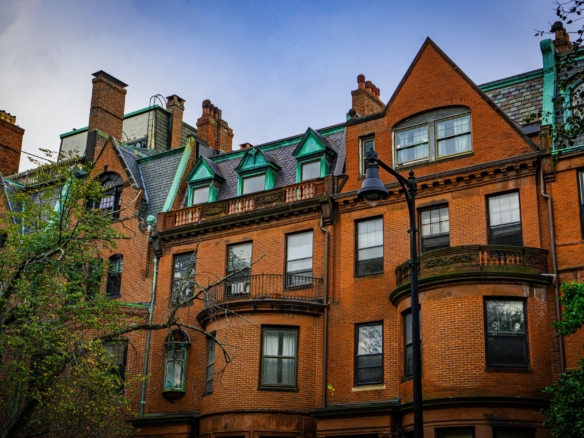
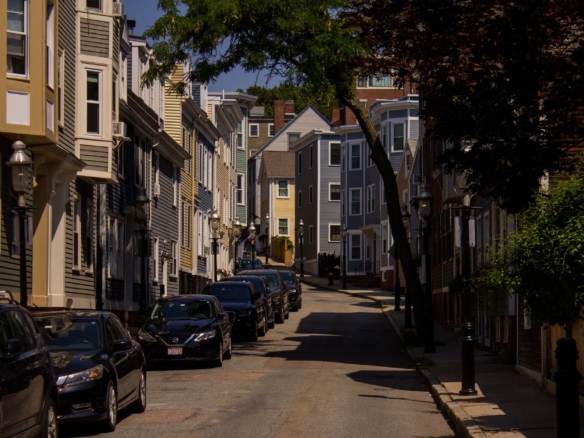
Dorchester is one of those Boston neighborhoods that refuses to be summarized in a single sentence. It is too large, too layered, and too genuinely diverse for any broad stroke to do it justice. Stretching across a significant portion of Boston’s southern geography, Dorchester contains multitudes: quiet residential streets lined with triple deckers, vibrant commercial corridors packed with Vietnamese bakeries and Caribbean restaurants, waterfront parks with skyline views, and transit connections that make downtown Boston surprisingly accessible. For renters in 2026, the challenge is not deciding whether to live in Dorchester. The challenge is figuring out which corner of Dorchester fits your budget, your commute, and your daily life. This article breaks it all down sub-neighborhood by sub-neighborhood, so you can make a genuinely informed decision before signing anything.
Boston Renter Intelligence Survey
How does your rent compare?
Add your numbers and get an instant read on what share of your income goes to rent, measured against what Boston renters actually report. You will also get the Q3 report free on October 7.
See how your rent compares →Why Dorchester Deserves a Closer Look in 2026
Boston’s rental market has tightened considerably across most desirable neighborhoods. Back Bay, South End, and Beacon Hill have priced out a significant portion of the workforce housing demographic. Somerville and Cambridge have followed suit. Dorchester, however, remains one of the few places in Boston proper where a renter can find a full apartment with real square footage at a price that does not require sacrificing groceries. That value proposition is not a secret anymore, which means rents in parts of Dorchester have climbed. But the neighborhood is large enough that pockets of affordability still exist, and knowing where to look makes all the difference.
Before diving into specific areas, it is worth understanding how to evaluate a neighborhood beyond just the rent number. Transit access, walkability, proximity to grocery stores, and neighborhood safety all factor into quality of life. For renters who want data to support their decision making, the Boston Housing Data resource at Homzora provides current figures broken down by area, which is worth consulting alongside this breakdown.
Savin Hill: The Waterfront Gem That Has Figured Out Its Value
Savin Hill sits at the northern end of Dorchester, hugging the coast of Savin Hill Cove and offering something genuinely rare in Boston: waterfront proximity without a South Boston price tag. The neighborhood has a residential, almost village-like quality that surprises people who expect Dorchester to feel uniformly urban. Streets here are quieter, the housing stock includes not just triple deckers but also single and two family homes, and the overall atmosphere feels settled and established rather than in flux.
What Rents Look Like in Savin Hill
Savin Hill has seen meaningful rent appreciation over the past several years as more renters have discovered its appeal. In 2026, expect to pay in the range of $2,100 to $2,500 per month for a one bedroom apartment depending on condition and proximity to the water. Two bedroom units typically land between $2,600 and $3,200 per month. Three bedrooms, which are common in the triple decker stock here, range from approximately $3,200 to $4,000 per month when split among roommates. These figures represent a significant jump from what Savin Hill rents looked like five years ago, reflecting its transition from an underpriced gem to a recognized value neighborhood. Compared to comparable units in South Boston or East Boston, Savin Hill still offers meaningful savings.
MBTA Access from Savin Hill
The Savin Hill station on the Red Line MBTA is the centerpiece of the neighborhood’s transit infrastructure. This stop on the Ashmont branch places residents roughly 15 to 20 minutes from Downtown Crossing by train, which is genuinely competitive with commute times from much more expensive neighborhoods. The Red Line is one of Boston’s busiest and most reliable rapid transit lines, connecting Savin Hill to major employment centers including the Financial District, Kendall Square in Cambridge, and Longwood Medical Area via transfers. Bus routes also supplement transit access, though most residents rely primarily on the Red Line for daily commuting.
Fields Corner: The Commercial Heart and Cultural Anchor
Fields Corner is the most energetic and commercially active sub-neighborhood in Dorchester, and in many respects it functions as the neighborhood’s cultural center of gravity. The area is home to one of the largest Vietnamese American communities in New England, and that cultural identity is visible in the restaurants, markets, bakeries, and community organizations that line Dorchester Avenue. Fields Corner is also notably more affordable than Savin Hill, making it attractive to first time renters, young professionals, and families navigating Boston’s rental market on tighter budgets.
Rent Ranges in Fields Corner
Fields Corner offers some of the most accessible rents in Boston proper. One bedroom apartments typically range from $1,700 to $2,200 per month in 2026. Two bedroom units, which are plentiful given the triple decker housing stock, generally run between $2,200 and $2,800 per month. Three bedroom apartments can be found in the $2,800 to $3,500 range, making it a genuinely feasible option for roommate groups or small families. The range reflects significant variation based on unit condition, building age, and whether utilities are included. Landlords in Fields Corner range from small individual owners with a single triple decker to small portfolio investors who have renovated several units, and the quality difference between these two categories can be considerable.
MBTA Access from Fields Corner
Fields Corner has its own dedicated Red Line station, also on the Ashmont branch, placing it just a few stops further from downtown than Savin Hill. The commute to Downtown Crossing typically runs 18 to 22 minutes by train, still well within what most Boston professionals would consider a reasonable commute. Dorchester Avenue, which runs directly through Fields Corner, is also served by multiple bus routes that connect to other parts of Dorchester and to transit hubs in Roxbury and South Boston. The combination of Red Line access and robust bus service makes Fields Corner one of the better connected lower cost neighborhoods in Boston.
Uphams Corner: The Creative District With Emerging Rents
Uphams Corner occupies a fascinating position in Dorchester’s sub-neighborhood landscape. It has long been home to the Strand Theatre, one of Boston’s historic performance venues, and the surrounding area has developed a modest but genuine arts and creative scene. The neighborhood is more racially and economically diverse than either Savin Hill or Fields Corner, and that diversity is reflected in the mix of housing types, commercial uses, and community organizations you encounter here. Uphams Corner is in the early stages of a transition that has already played out in other parts of Dorchester, which means renters who move here now are ahead of the curve in terms of price.
What Rents Look Like in Uphams Corner
Uphams Corner currently offers some of the most competitive rents in Dorchester. One bedroom apartments range from approximately $1,600 to $2,100 per month depending on building condition and amenities. Two bedrooms run from $2,000 to $2,700 per month, and three bedroom units in the neighborhood’s many triple deckers can be found from $2,600 to $3,300 per month. These numbers have been rising, and several new development projects in and around the Uphams Corner commercial district suggest continued upward pressure on rents over the next several years. For renters who want to get into a neighborhood before prices spike, Uphams Corner in 2026 presents a window of opportunity that may not remain open indefinitely.
MBTA Access from Uphams Corner
Uphams Corner is served by a commuter rail station on the Fairmount Line, which provides access to South Station in downtown Boston in approximately 10 to 15 minutes. The Fairmount Line runs with less frequency than the Red Line, which is an important practical consideration for commuters who need consistent scheduling. However, several bus routes also connect Uphams Corner to other transit nodes, including connections to the Red Line at JFK/UMass and to bus routes serving Roxbury and Jamaica Plain. For renters whose work schedules align with the Fairmount Line schedule, the commute can actually be faster than from some Red Line stations in Dorchester.
Are You a Licensed MA Real Estate Agent?
List your Boston rentals and properties free on Homzora. Zero fees. Zero commissions. Direct leads sent to you.
Comparing the Three Sub-Neighborhoods Side by Side
Understanding each area individually is useful, but comparing them directly helps clarify which fits different renter profiles. Here is a practical breakdown of how Savin Hill, Fields Corner, and Uphams Corner differ across the most important variables renters consider.
Rent and Value Comparison
- Savin Hill offers the highest rents of the three areas, reflecting its waterfront proximity and residential appeal, with one bedrooms starting near $2,100 and three bedrooms reaching $4,000 in premium units.
- Fields Corner sits in the middle range, offering genuine affordability with strong transit access, with one bedrooms available from $1,700 and three bedrooms topping out around $3,500.
- Uphams Corner provides the lowest entry point in 2026, with one bedrooms starting near $1,600, though this advantage may compress as development continues.
Transit Access Comparison
- Savin Hill offers direct Red Line access with consistent headways and a predictable commute to downtown in approximately 15 to 20 minutes.
- Fields Corner also offers direct Red Line access with comparable commute times and the additional benefit of multiple bus routes for cross-neighborhood travel.
- Uphams Corner relies on the Fairmount commuter rail and bus connections, which provides a fast downtown connection for riders whose schedules align but requires more planning than direct rapid transit access.
Lifestyle and Commercial Activity Comparison
- Savin Hill skews toward a quieter, more residential feel with limited commercial activity and strong waterfront recreation access at the Cove and nearby Constitution Beach.
- Fields Corner is the most commercially active and culturally vibrant of the three, with extensive dining options, markets, and community services within walking distance.
- Uphams Corner sits between the two in terms of activity level, offering a developing commercial corridor anchored by arts organizations and small businesses, with more growth anticipated as new development arrives.
Practical Advice for Renting in Dorchester Sub-Neighborhoods
Several realities about renting in Dorchester are worth understanding before you begin your search in any of these sub-neighborhoods. The housing stock is predominantly triple deckers, which means your landlord often lives in the building. This creates a different dynamic than renting from a large property management company. Relationships matter more, communication tends to be more direct, and lease terms are sometimes more negotiable than in professionally managed buildings. It also means that building condition varies enormously from one property to the next, even on the same street.
Heat and hot water are often included in rent in older Dorchester triple deckers, particularly when the landlord controls a shared boiler system. Always clarify exactly what utilities are included before signing any agreement. Parking is another important consideration, as street parking in all three sub-neighborhoods can be competitive, and dedicated off street parking can add $150 to $250 per month to your housing costs if it is available at all.
Pet policies in Dorchester are inconsistent. Small landlords range from completely welcoming to strictly prohibiting pets, and the policies are rarely posted publicly. Direct inquiry early in the search process saves time for renters with animals. Laundry availability is another variable to confirm: some triple deckers have in unit washer and dryer hookups, others have shared basement laundry, and some have no laundry on site at all.
For renters who want a broader view of how Dorchester fits into the larger Boston rental landscape, the Boston Neighborhood Finder at Homzora provides a structured comparison tool that allows you to filter neighborhoods by rent range, transit access, and lifestyle factors. It is a practical starting point for anyone who is still deciding between Dorchester and other Boston neighborhoods.
Who Each Sub-Neighborhood Works Best For
Every neighborhood ultimately serves some renters better than others, and Dorchester’s sub-neighborhoods are no exception. Understanding which profile matches each area helps narrow the decision.
Savin Hill Is Best For
Renters who prioritize quiet residential streets, waterfront access, and a settled neighborhood feel will find Savin Hill most appealing. It works particularly well for young professionals commuting downtown who want a calmer home environment after a busy workday, and for renters who have pets or plan to spend significant time outdoors. The Red Line access makes it competitive for transit commuters despite its premium pricing relative to the rest of Dorchester.
Fields Corner Is Best For
Fields Corner is the best fit for renters who value walkable commercial activity, cultural diversity, and lower rents without sacrificing transit access. It works especially well for renters who enjoy cooking at home and appreciate proximity to specialty grocery stores and ethnic markets, as well as for those who want a genuine sense of urban neighborhood energy at a non-South-End price point.
Uphams Corner Is Best For
Renters who are budget conscious, interested in arts and culture, and comfortable with a neighborhood that is clearly in the early stages of a longer transformation will find the most value in Uphams Corner. It is also a strong option for renters whose work locations align with the Fairmount Line schedule, since that commuter rail connection to South Station is genuinely fast when it works for your schedule.
Final Thoughts on Dorchester in 2026
Dorchester in 2026 is not the Dorchester of a decade ago, nor is it the finished gentrified product that some more centrally located Boston neighborhoods have become. It is a neighborhood in motion, with sub-areas at distinctly different stages of that motion. Savin Hill has largely realized its market value. Fields Corner has established itself as a recognized value option with genuine transit infrastructure. Uphams Corner represents the frontier of that value proposition, with lower current rents and rising future potential that may or may not suit your timeline and risk tolerance as a renter.
The right choice among these three sub-neighborhoods depends on your budget, your commute, your lifestyle preferences, and how much weight you give to current affordability versus long term neighborhood stability. What all three share is the fundamental advantage of being within Boston proper, with access to the city’s transit network, cultural institutions, and employment base at prices that remain meaningfully below comparable options in neighborhoods closer to downtown.
For more detailed guidance on finding your specific fit within Boston’s rental market, visit Homzora. The team at Homzora specializes in helping renters and buyers navigate Boston’s complex and highly localized market with data driven insight and neighborhood specific expertise.
Stay Ahead of the Boston Market
Monthly insights on Boston rents, home tips, and investment opportunities delivered free to your inbox.
Power Backup for Boston Homeowners
Power your Boston home or rental property with BLUETTI portable power stations. Perfect backup power for New England winters and storm season.
Shop Sicotas for nightstands, TV stands, sideboards, and more. Quality furniture at affordable prices with fast delivery to Greater Boston.
Related Boston Housing Resources
📚 Related Reading on Homzora
Related posts