Running a rental property in Boston in 2026 requires more than a handshake agreement and a spare key. The city’s competitive rental market, aging housing stock, and increasingly savvy tenants demand that landlords show up prepared, professional, and fully equipped. Whether you manage a single unit in Dorchester or a multi-family building in Somerville, having the right tools at your disposal separates landlords who thrive from those who struggle through every tenant cycle. This guide breaks down the essential equipment, software, legal resources, and financial tools every Boston landlord needs heading into 2026.
Why Boston Landlords Need to Upgrade Their Toolkit in 2026
Boston remains one of the most competitive rental markets in the country. Vacancy rates in neighborhoods like the South End, Jamaica Plain, and Allston Brighton hover near historic lows, and tenant expectations have risen sharply over the past several years. Renters in 2026 expect digital lease signing, online rent payment portals, transparent communication, and well-maintained properties. Landlords who rely on outdated systems and paper-based processes are losing quality tenants to better-prepared competitors.
Beyond tenant expectations, Boston’s regulatory environment has grown more complex. The city enforces strict habitability codes, lead paint disclosure requirements, and security deposit regulations. Staying compliant requires organization, documentation, and access to reliable legal resources. The tools you choose today will determine how efficiently you operate and how well you protect your investment.
If you are evaluating properties or expanding your portfolio, start by reviewing current Boston Housing Data to understand market trends, rental pricing benchmarks, and neighborhood vacancy patterns before making any equipment or property investment decisions.
Essential Property Management Software Tools
Digital Rent Collection Platforms
Paper checks and cash payments are a liability in 2026. Digital rent collection platforms eliminate the risk of lost payments, streamline bookkeeping, and give tenants the convenience they expect. Platforms like Buildium, Avail, and TurboTenant allow landlords to set up automatic payment reminders, track payment history, and generate financial reports with minimal effort. For Boston landlords managing multiple units across different neighborhoods, centralized rent collection software is not optional, it is essential.
When selecting a platform, look for features like automatic late fee assessment, maintenance request tracking, and tenant communication logs. These features create an auditable record of every interaction, which becomes invaluable if a dispute ever reaches housing court.
Tenant Screening Tools
Placing the wrong tenant in your Boston rental unit can cost you thousands of dollars in lost rent, legal fees, and property damage. Thorough tenant screening is one of the most important investments a landlord can make. In 2026, comprehensive screening means checking credit scores, rental history, income verification, and criminal background in a single streamlined process.
Property Inspection Software
Move-in and move-out inspections are legally required in Massachusetts, and documentation is everything. Property inspection apps like Snapinspect and zInspector allow landlords to conduct digital walkthroughs, capture time-stamped photos, generate professional inspection reports, and store everything in the cloud. In a city where security deposit disputes are common, having a thorough digital inspection record is your strongest protection against unfounded damage claims.
Legal and Documentation Tools Every Landlord Must Have
Legally Sound Lease Agreements
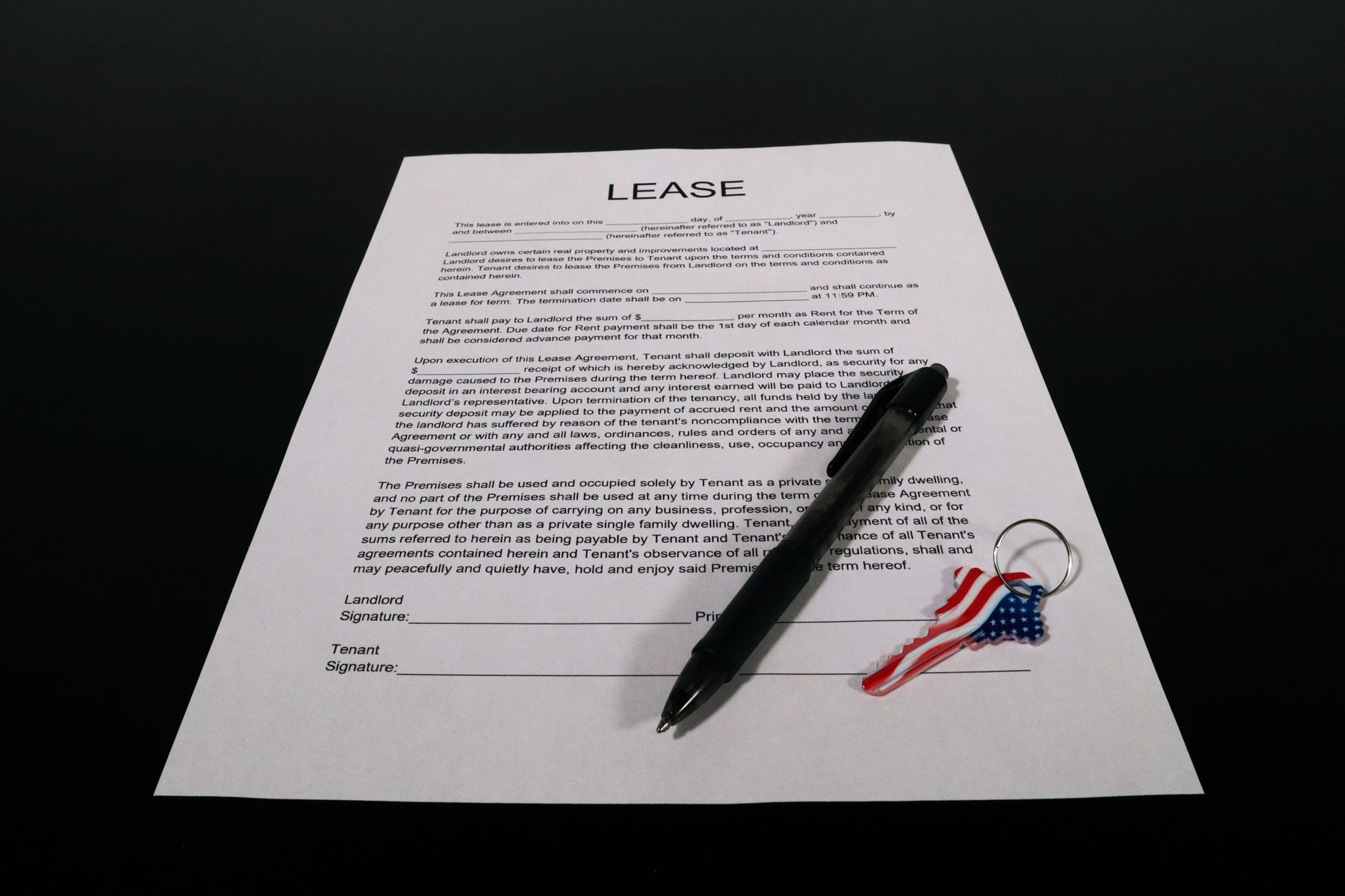
A lease agreement is the foundation of every landlord-tenant relationship, and a poorly written lease can expose you to significant legal risk in Massachusetts. Boston tenants are increasingly aware of their rights, and courts in Suffolk County take lease compliance seriously. Your lease must address rent payment terms, security deposit handling, pet policies, subletting restrictions, and lease termination procedures with precision and clarity.
Using a professionally drafted template from a trusted legal resource like LawDepot Lease Agreement ensures your rental agreement meets Massachusetts legal standards while covering all the provisions necessary to protect your property. LawDepot offers state-specific lease templates that landlords can customize for their specific situation, saving time and reducing the risk of costly legal errors that a generic form might introduce.
Digital Document Storage and Signature Tools
Every lease, addendum, inspection report, and maintenance request should be stored digitally with a reliable backup. Tools like DocuSign and HelloSign enable landlords to execute lease agreements electronically, creating a legally binding record with timestamps and audit trails. Paired with cloud storage solutions like Google Drive or Dropbox, digital documentation ensures you can access critical records from anywhere, whether you are at your property, your office, or out of state.
Boston landlords who manage multiple properties across different neighborhoods benefit enormously from centralized document management. Being able to pull up a lease, an inspection report, or a maintenance receipt within seconds gives you a professional edge and keeps you prepared for any situation.
Financial Tools for Smart Landlord Decision Making
Mortgage Rate Comparison Tools
For landlords looking to expand their Boston portfolio in 2026, financing strategy is critical. Interest rates continue to influence the economics of rental property investment, and even a fraction of a percentage point difference in your mortgage rate can translate into thousands of dollars over the life of a loan. Before purchasing additional investment properties, smart landlords compare multiple lender offers to find the most competitive terms.
Accounting and Expense Tracking Software
Tax time does not have to be stressful if you maintain organized financial records throughout the year. Landlord-focused accounting tools like Stessa and QuickBooks allow you to track rental income, categorize expenses, monitor cash flow, and generate profit and loss statements automatically. For Boston landlords dealing with property taxes, maintenance costs, insurance premiums, and management fees across multiple units, automated expense tracking is a genuine time and money saver.
Stessa, in particular, was built specifically for rental property investors and integrates with bank accounts to automatically import transactions and categorize them by property. At year end, generating a Schedule E report for your tax preparer takes minutes rather than days.
Physical Equipment Every Boston Landlord Should Own
Maintenance and Inspection Hardware
Beyond software, landlords need reliable physical tools to manage properties effectively. A good landlord toolkit should include a quality moisture meter for detecting water intrusion in Boston’s older building stock, a non-contact voltage tester for safely checking electrical work, a reliable cordless drill, and a carbon monoxide and smoke detector tester to verify that safety devices are functioning properly during inspections.
Are You a Licensed MA Real Estate Agent?
List your Boston rentals and properties free on Homzora. Zero fees. Zero commissions. Direct leads sent to you.
Boston’s climate creates specific maintenance challenges. Freeze and thaw cycles stress foundations and plumbing systems, and older buildings are prone to moisture problems in basements and around window frames. A moisture meter is an underrated tool that can catch water damage before it becomes a major repair, saving landlords thousands of dollars in remediation costs.
Smart Home Technology
Smart home devices are no longer luxury additions. They are practical tools that help landlords manage properties remotely, reduce energy costs, and attract quality tenants. Smart locks allow landlords to grant and revoke access without physical key exchanges, which is particularly useful during tenant turnover periods. Smart thermostats help reduce utility costs in common areas and provide data on energy usage patterns.
Video doorbells and smart security cameras add a layer of security that modern tenants appreciate and insurance companies reward with lower premiums. For Boston landlords managing properties in high-demand neighborhoods, smart home features can justify higher rental rates and reduce vacancy periods during marketing.
Home Warranty Protection for Rental Properties
One of the most overlooked tools in a landlord’s financial strategy is a home warranty plan. Unexpected appliance failures and system breakdowns represent some of the most disruptive and costly events a rental property owner can face. A furnace failure in a Boston January or a water heater malfunction in the middle of a busy weekend creates emergency repair costs and tenant dissatisfaction simultaneously.
Neighborhood Research and Market Intelligence Tools
Understanding Boston’s Rental Micro-Markets
Boston is not one rental market. It is dozens of distinct micro-markets, each with its own rental price dynamics, tenant demographics, vacancy patterns, and investment characteristics. A landlord managing property in Cambridge faces different challenges and opportunities than one managing property in Hyde Park or Charlestown. Success in Boston real estate requires neighborhood-level intelligence, not just city-wide averages.
The Boston Neighborhood Finder from Homzora is an invaluable resource for landlords and investors who want to understand which Boston neighborhoods offer the best rental yields, lowest vacancy rates, and strongest tenant demand in 2026. Whether you are evaluating a new acquisition or repositioning an existing property, neighborhood-level data helps you make decisions with confidence.
Rental Pricing Intelligence Platforms
Pricing your rental unit correctly in the Boston market requires current, neighborhood-specific data. Tools like Rentometer and Zillow Rental Manager provide comparative rental data that helps landlords benchmark their units against similar properties in the immediate area. Overpricing leads to extended vacancies, while underpricing leaves money on the table in a market where every dollar of monthly rent compounds significantly over a lease term.
Combining rental pricing intelligence with the broader market data available through Homzora’s Boston Housing Data resources gives landlords a complete picture of where their property stands relative to the market and how to position it for maximum occupancy and revenue.
Communication and Tenant Management Tools
Clear, documented communication is the backbone of every successful landlord-tenant relationship. Dedicated property management communication platforms like Rentec Direct and Cozy keep all tenant messages, maintenance requests, and lease communications in one organized system separate from personal email and text threads. This separation protects landlords legally and keeps operations professional.
Boston’s diverse tenant population means landlords may work with tenants who speak different languages and have different communication preferences. Platforms that support multiple communication channels, including email, text, and in-app messaging, help ensure that important notices are received and acknowledged. Documented communication also provides critical evidence in the event of a lease dispute or eviction proceeding.
Building Your Complete Landlord Toolkit for 2026
The most successful Boston landlords in 2026 will be those who treat their rental business like a professional operation. That means investing in the right combination of software tools, legal resources, physical equipment, financial instruments, and market intelligence to manage properties efficiently and profitably. No single tool solves every challenge, but the right combination creates a system that runs smoothly, protects your investment, and delivers a consistent tenant experience.
Start with the foundational tools: a solid lease agreement from LawDepot, a reliable tenant screening service like SmartCredit, and a home warranty plan from Choice Home Warranty to protect against unexpected repair costs. Add digital rent collection, property inspection software, and accounting tools to build operational efficiency. Layer in neighborhood research, mortgage rate comparison, and market data to sharpen your investment strategy.
Boston’s rental market rewards prepared, professional landlords. The tools and resources available in 2026 make it easier than ever to operate at a high level, regardless of portfolio size. Take the time to audit your current toolkit, identify the gaps, and invest in the resources that will have the highest impact on your operations and bottom line.
Take Your Boston Real Estate Investment Further
If you are ready to take your Boston landlord experience to the next level, Homzora is your local partner for market intelligence, neighborhood insights, and investment guidance. From evaluating new acquisitions to understanding the latest rental market trends across Boston’s diverse neighborhoods, the team at Homzora has the expertise and data-driven resources to support your goals.
Visit homzorarealty.com today to explore neighborhood profiles, access current housing market data, connect with experienced real estate professionals, and discover how Homzora can help you build and manage a more profitable Boston rental portfolio in 2026 and beyond.
Stay Ahead of the Boston Market
Monthly insights on Boston rents, home tips, and investment opportunities delivered free to your inbox.
Related Boston Housing Resources