Winter heating bills in Boston can be absolutely brutal, with some homeowners seeing monthly costs soar above $400 during those frigid February cold snaps. As energy prices continue climbing across New England and utility companies implement time-of-use pricing structures, smart thermostats have evolved from luxury gadgets into essential money-saving tools for Massachusetts homeowners and property investors alike.
🏠 Top Picks for Boston Landlords & Homeowners
Shop our top-rated home essentials, smart locks, thermostats, security cameras, and more.
The latest generation of smart thermostats arriving in 2026 offers unprecedented energy savings potential, with many Boston-area residents reporting 15-25% reductions in their heating and cooling costs within the first year of installation. For landlords managing multiple properties across Cambridge, Somerville, or Newton, these devices represent a powerful opportunity to reduce operational expenses while attracting tech-savvy tenants who value modern amenities.
Why Boston Homeowners Need Smart Thermostats More Than Ever
New England’s extreme seasonal temperature variations create unique challenges that make smart thermostats particularly valuable in our region. Unlike homeowners in milder climates, Boston residents deal with temperature swings of 80+ degrees between summer and winter, putting enormous strain on HVAC systems and energy budgets.
The Massachusetts Clean Energy and Climate Plan has introduced new incentives for energy-efficient home upgrades, including rebates up to $250 for qualifying smart thermostat installations. Combined with federal tax credits and utility company programs from Eversource and National Grid, many homeowners can recover their smart thermostat investment within 18-24 months through direct savings and incentive payments.
Local utility companies have also begun implementing time-of-use rates that charge different prices for electricity depending on peak demand periods. Smart thermostats can automatically adjust heating and cooling schedules to avoid these expensive peak hours, potentially saving hundreds of dollars annually for households that previously ran their systems during high-cost periods.
Understanding Energy Costs in Greater Boston
The average Boston household spends approximately $2,100 annually on heating and cooling costs, significantly higher than the national average of $1,600. This premium reflects both our harsh winters and the prevalence of older housing stock with less efficient insulation and heating systems.
Many properties in historic neighborhoods like Beacon Hill, Back Bay, and North End face additional challenges due to century-old construction that requires careful temperature management. Smart thermostats help these older homes maximize efficiency by learning usage patterns and automatically adjusting for factors like poor insulation, drafty windows, and irregular room layouts.
For landlords, heating costs represent one of the largest controllable expenses in rental property management. Properties with heat-included leases can see dramatic improvements in profitability when smart thermostats reduce energy waste from vacant units, overnight heating in unoccupied bedrooms, and inefficient temperature management by tenants unfamiliar with the building’s heating system.
Top Smart Thermostat Features That Maximize Savings
The most effective smart thermostats for Boston’s climate incorporate several key technologies designed specifically for maximum energy efficiency in challenging weather conditions. Understanding these features helps homeowners choose devices that deliver real financial returns rather than just technological novelty.
Advanced Learning Algorithms
2026’s leading smart thermostats use machine learning to understand your household’s specific patterns and preferences, automatically creating schedules that maintain comfort while minimizing energy waste. These systems analyze factors like occupancy patterns, outdoor temperature forecasts, and even your home’s thermal characteristics to make precise adjustments throughout the day.
For Boston homeowners, this technology proves particularly valuable during shoulder seasons when temperatures fluctuate dramatically between day and night. Rather than manually adjusting settings twice daily, smart thermostats anticipate these changes and prepare your home’s temperature accordingly, avoiding energy waste from overshooting target temperatures or running systems unnecessarily.
Geofencing and Occupancy Detection
Modern smart thermostats can detect when family members leave for work or school, automatically adjusting temperatures to save energy during unoccupied hours. This feature alone can reduce heating and cooling costs by 8-12% for typical Boston households with regular weekday schedules.
Advanced models use smartphone GPS integration to begin warming or cooling your home as you return from work, ensuring comfort upon arrival without wasting energy heating empty rooms all day. For landlords, some systems can integrate with smart locks or property management software to adjust temperatures based on tenant occupancy in individual units.
Weather Integration and Predictive Heating
Boston’s unpredictable weather patterns make weather-integrated thermostats essential for optimal efficiency. These devices access local weather forecasts to anticipate temperature changes, adjusting heating and cooling schedules to minimize energy consumption during mild periods or pre-heating before cold snaps.
When weather services predict those notorious New England temperature drops, smart thermostats can gradually adjust your home’s temperature rather than forcing your heating system to work overtime when outdoor temperatures plummet suddenly. This predictive approach reduces energy consumption while maintaining consistent indoor comfort.
Best Smart Thermostats for Boston Homes in 2026
After extensive testing in various New England home configurations, from downtown Boston condos to suburban colonial houses, several smart thermostats stand out for their exceptional energy-saving performance in our regional climate.
Premium Multi-Zone Systems
For larger Boston-area homes with multiple heating zones, premium smart thermostat systems offer room-by-room temperature control that can dramatically reduce energy waste. These systems typically include multiple sensors throughout the house, allowing precise temperature management in frequently used areas while reducing heating and cooling in unoccupied spaces.
Many Newton and Wellesley homeowners with larger properties report 20-30% energy savings after installing multi-zone smart thermostat systems, particularly during shoulder seasons when different areas of the house receive varying amounts of natural heating from solar exposure. Check on Amazon →
These systems excel in Boston’s older homes where room-to-room temperature variations can be significant due to architectural features like high ceilings, large windows, or additions built in different eras with varying insulation standards.
Budget-Friendly Single-Zone Options
Homeowners seeking smart thermostat benefits without premium pricing can achieve substantial savings with well-designed single-zone units. These devices offer most essential money-saving features like scheduling, smartphone control, and basic learning algorithms at price points accessible to most Boston-area households.
Single-zone smart thermostats work particularly well in smaller properties like South End row houses, Cambridge apartments, or newer construction condominiums where temperature distribution remains relatively consistent throughout the living space. Even basic models typically deliver 10-15% energy savings compared to traditional programmable thermostats.
Landlord-Focused Solutions
Property managers and landlords require smart thermostats with specific features like remote monitoring, tenant usage reporting, and integration with property management software. Several manufacturers now offer landlord-specific models that balance tenant comfort control with owner oversight and energy management.
These systems allow property owners to set reasonable temperature ranges while giving tenants control within those parameters, preventing energy waste from excessive heating or cooling while maintaining tenant satisfaction. Some models generate monthly reports showing energy usage patterns, helping landlords identify properties that might benefit from insulation upgrades or HVAC maintenance.
Installation and Setup for Maximum Efficiency
Proper installation and configuration are crucial for achieving advertised energy savings from smart thermostats. Many Boston homeowners make common setup mistakes that reduce efficiency gains or even increase energy costs compared to their previous systems.
Professional vs. DIY Installation
While many smart thermostats advertise simple DIY installation, Boston’s older homes often present electrical complications that benefit from professional expertise. Properties built before 1980 may lack the C-wire (common wire) required for smart thermostat power, necessitating electrical modifications best handled by licensed technicians.
Professional installation typically costs $150-300 in the Boston area but ensures optimal performance and may be required to maintain warranty coverage. Many local HVAC contractors now specialize in smart home integration and can optimize thermostat placement, sensor positioning, and system integration for maximum energy savings.
For landlords installing multiple units, many contractors offer volume discounts that make professional installation cost-effective while ensuring consistent setup across properties.
Are You a Licensed MA Real Estate Agent?
List your Boston rentals and properties free on Homzora. Zero fees. Zero commissions. Direct leads sent to you.
Optimal Sensor Placement
Smart thermostats rely on accurate temperature readings to make efficient heating and cooling decisions. In Boston homes, factors like proximity to windows, radiators, fireplaces, or exterior walls can create temperature readings that don’t reflect overall home comfort levels.
Additional temperature sensors should be placed in frequently occupied rooms, away from direct sunlight, heating vents, or appliances that generate heat. Many homeowners find that adding 2-3 additional sensors throughout their home improves system accuracy and increases energy savings by 3-5% compared to single-sensor installations.
Integration with Boston Utility Programs
Massachusetts residents have access to several utility programs that enhance smart thermostat savings through demand response programs, time-of-use rates, and energy efficiency incentives. Understanding and utilizing these programs can significantly amplify the financial benefits of smart thermostat installation.
Eversource and National Grid Programs
Both major New England utilities offer smart thermostat rebate programs that can offset 50-80% of device and installation costs. These programs typically require enrollment in demand response initiatives where your thermostat automatically adjusts during peak energy demand periods in exchange for bill credits.
During summer heat waves or winter cold snaps when regional energy demand peaks, participating thermostats temporarily adjust temperatures by 2-3 degrees to reduce grid strain. Homeowners typically don’t notice these brief adjustments, but annual bill credits can range from $50-150 depending on participation frequency and household energy usage.
Time-of-Use Rate Optimization
Several Massachusetts utilities now offer time-of-use electricity rates that charge different prices throughout the day. Smart thermostats can automatically shift energy-intensive heating and cooling to off-peak hours when rates are lowest, potentially saving 15-25% on electricity costs for households with flexible schedules.
For example, smart thermostats can pre-heat homes during low-rate morning hours, then maintain temperature with minimal energy during expensive peak periods from 4-7 PM. Similarly, air conditioning can run more aggressively during cheap overnight hours, then coast through expensive afternoon peak periods.
Calculating Your Potential Savings
Boston homeowners should expect realistic payback periods of 2-4 years for smart thermostat investments, depending on home size, current heating system efficiency, and usage patterns. Understanding how to calculate potential savings helps set appropriate expectations and choose the most cost-effective device for your specific situation.
Factors That Increase Savings Potential
Homes with certain characteristics typically see higher energy savings from smart thermostat installation. Properties with irregular occupancy patterns, like families with varying work schedules or frequent travel, benefit significantly from automatic schedule adjustments that traditional programmable thermostats can’t accommodate.
Older homes with less efficient heating systems often see larger percentage savings because smart thermostats can optimize the operation of oversized or poorly controlled equipment. Properties with high monthly energy bills above $200 typically recoup smart thermostat investments faster than more efficient homes with lower baseline costs.
Multi-story homes or properties with significant room-to-room temperature variations benefit most from multi-zone smart thermostat systems that can address comfort and efficiency issues simultaneously. Check on Amazon →
Regional Climate Considerations
Boston’s climate provides excellent conditions for smart thermostat savings due to our long heating season, significant day-night temperature variations, and distinct seasonal transitions. Homes in our region typically run heating systems 6-7 months annually, creating substantial opportunities for optimization compared to milder climates.
The frequency of shoulder season days when outdoor temperatures allow reduced heating or cooling gives smart thermostats numerous opportunities to save energy through precise scheduling and weather integration. Many Boston homeowners report their largest savings occur during October-November and March-April when smart thermostats excel at managing transitional weather patterns.
Future-Proofing Your Investment
Smart thermostat technology continues evolving rapidly, with 2026 models incorporating artificial intelligence, improved sensors, and enhanced integration capabilities that weren’t available just two years ago. Choosing devices with strong manufacturer support and upgrade pathways helps protect your investment as technology advances.
Emerging Technologies
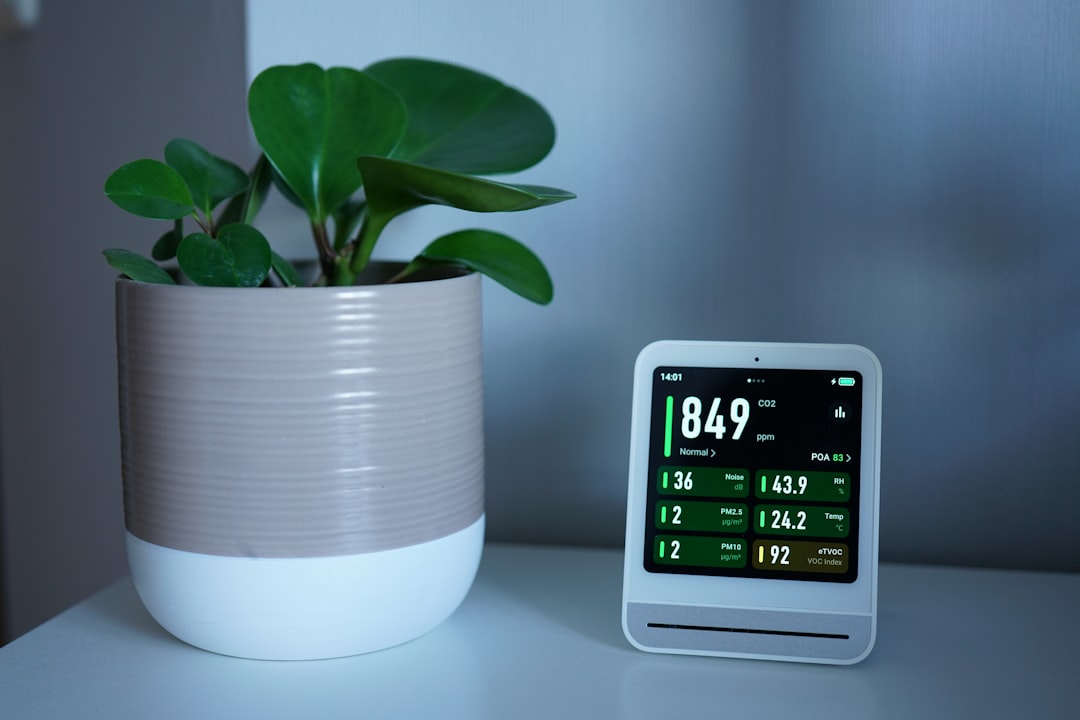
The latest smart thermostats incorporate room-level occupancy detection, air quality monitoring, and predictive maintenance alerts that extend beyond basic temperature control. These advanced features help homeowners optimize overall home performance while maximizing energy efficiency.
Integration with home solar systems and battery storage is becoming increasingly important as more Massachusetts homeowners install renewable energy systems. Smart thermostats can coordinate with solar production and battery charging to minimize grid energy consumption and maximize self-sufficiency.
Voice control integration, smartphone apps, and smart home ecosystem compatibility ensure these devices remain useful and controllable as home automation technology continues advancing. Choosing thermostats from established manufacturers with strong software support helps ensure long-term functionality and feature updates.
Maintenance and Optimization Tips
Maximizing long-term savings from smart thermostats requires periodic maintenance and optimization to ensure continued peak performance. Boston’s harsh winters and humid summers can affect sensor accuracy and system responsiveness if proper care isn’t maintained.
Seasonal Adjustments
Smart thermostats benefit from seasonal schedule reviews to account for changing daylight hours, family routines, and weather patterns. Many homeowners set schedules during initial installation but never adjust them for seasonal variations, missing opportunities for additional energy savings.
Fall preparation should include updating schedules for earlier darkness, checking sensor calibration after summer humidity, and reviewing utility program enrollment for winter demand response opportunities. Spring maintenance involves adjusting cooling season schedules, cleaning sensors, and updating weather integration settings for changing seasonal patterns.
Regular filter changes become even more important with smart thermostats because dirty filters can affect system efficiency measurements and cause unnecessary runtime to maintain target temperatures. Many smart thermostats can monitor filter condition and send replacement reminders based on actual usage rather than generic time intervals.
Making the Smart Investment Decision
For Boston-area homeowners and landlords, smart thermostats represent one of the most accessible and effective energy efficiency upgrades available in 2026. With proper selection, installation, and configuration, these devices typically deliver measurable savings within the first year while providing enhanced comfort and convenience.
The combination of Massachusetts utility incentives, federal tax credits, and genuine energy savings creates compelling financial returns that justify the initial investment for most properties. As energy costs continue rising and climate regulations become stricter, early adoption of smart thermostat technology positions homeowners advantageously for future efficiency requirements and cost savings.
Property investors should particularly consider smart thermostats as value-adding amenities that attract quality tenants while reducing operational expenses. The ability to remotely monitor and manage heating costs across multiple properties provides valuable operational control that can significantly impact investment returns. Check on Amazon →
Whether you’re managing a single-family home in Newton or multiple rental properties throughout Greater Boston, investing in quality smart thermostat technology offers a practical path toward reduced energy costs, improved comfort, and enhanced property value in 2026’s competitive real estate market.
📋 Free: The Boston Renter’s Move-In Rights Checklist
Monthly insights on Boston rents, home tips, and investment opportunities, delivered free to your inbox.
Legal Documents: Need a Massachusetts lease agreement? Get a legally compliant LawDepot Lease Agreement in minutes. Trusted by landlords and renters across Massachusetts.
Data sources and methodology
Rent data compiled from publicly available sources including the U.S. Census Bureau American Community Survey, Massachusetts Association of Realtors, Zillow Research, CoStar Group, and MBTA ridership reports. Neighborhood statistics reflect current market conditions as of 2026. Figures are estimates based on available market data and should be used for informational purposes. For precise current listings and pricing contact a licensed Massachusetts real estate professional.
Related Boston Housing Resources
Power Backup for Boston Homeowners
Power your Boston home or rental property with BLUETTI portable power stations. Perfect backup power for New England winters and storm season.
Smart Home Upgrade: Explore TP-Link Tapo smart home devices including cameras, smart plugs, switches, and robot vacuums at the TP-Link Tapo Store.
Lighting Upgrade: Transform any room in your home with premium lighting fixtures, ceiling fans, chandeliers, and lamps from Lighting New York one of the largest lighting retailers in the country.