Boston’s Red Line is one of the most storied transit corridors in all of New England, connecting vibrant urban neighborhoods with quieter suburban communities in a single seamless route. Whether you are relocating for work, searching for your first home, or upgrading to a larger space for a growing family, the neighborhoods along the Red Line offer an extraordinary range of lifestyles, price points, and community personalities. As the 2026 real estate market takes shape, understanding which stops offer the best value, the strongest community ties, and the most promising growth potential has never been more important. This complete living guide from Homzora breaks down every major neighborhood along the Red Line so you can make the most informed housing decision possible.
Boston Renter Intelligence Survey
How does your rent compare?
Add your numbers and get an instant read on what share of your income goes to rent, measured against what Boston renters actually report. You will also get the Q3 report free on October 7.
See how your rent compares →Check your numbers against Boston data
See what share of your income goes to rent, and how your neighborhood compares. Free, no email required.
Why the Red Line Remains Boston’s Most Desirable Transit Corridor in 2026
The Massachusetts Bay Transportation Authority’s Red Line stretches from Alewife in Cambridge all the way down through downtown Boston before splitting into two branches, one ending at Ashmont in Dorchester and the other at Braintree on the South Shore. This geographic range is precisely what makes the Red Line so appealing to such a wide variety of residents. Commuters working in Kendall Square, the Financial District, or the Longwood Medical Area all rely on the Red Line daily, and the neighborhoods surrounding each stop have developed distinctive characters shaped by their proximity to jobs, universities, parks, and cultural institutions.
In 2026, the Boston metro area continues to experience strong demand for housing, driven by the tech sector’s expansion in Cambridge, the life sciences boom in Somerville and Roxbury, and a steady influx of graduate students and young professionals seeking urban living with excellent transit access. Real estate along the Red Line holds its value remarkably well compared to other parts of Greater Boston, making it a reliable choice for both renters and buyers looking to build long-term equity.
Alewife and North Cambridge: Quiet Suburban Feel with Urban Access
At the northern terminus of the Red Line sits Alewife, a station surrounded by one of the largest park-and-ride facilities in the MBTA system. The neighborhoods immediately around Alewife and extending into North Cambridge offer a noticeably quieter atmosphere than the dense urban stops further down the line. Tree-lined streets, single-family homes, and well-maintained condominiums dominate the landscape here, making this area a favorite among families and professionals who want easy access to the city without the noise and congestion of downtown living.
Porter Square: The Eclectic Heart of Cambridge
Just one stop from Alewife, Porter Square has established itself as one of the most beloved neighborhoods along the entire Red Line. The area has a quirky, independent spirit that sets it apart from the more polished streets of Harvard Square to the south. Independent bookshops, Japanese restaurants, vintage clothing stores, and beloved neighborhood bars line the streets around the Porter Square T station, creating a community atmosphere that attracts artists, academics, and longtime Cambridge residents alike.
Real estate in Porter Square has appreciated significantly over the past decade, and 2026 is no exception. One-bedroom condominiums regularly list in the high five hundreds, while larger two and three-bedroom units in well-maintained buildings can easily exceed one million dollars. Despite the elevated prices, buyer demand remains strong because the neighborhood offers exceptional walkability, access to multiple grocery stores, and a genuine sense of community that can be hard to find in more transient parts of the city.
What Makes Porter Square Unique
- A strong concentration of independent businesses that have resisted chain retail
- Proximity to the Minuteman Bikeway for cyclists and commuters who prefer two wheels
- Easy access to both Cambridge and Somerville neighborhoods on foot
- A diverse dining scene with particularly strong options for Japanese and Korean cuisine
- Active neighborhood associations that engage residents in local planning decisions
Harvard Square: Prestige, Culture, and Consistent Demand
Harvard Square needs little introduction. One of the most famous urban neighborhoods in the United States, this stop on the Red Line places residents at the doorstep of Harvard University, the Charles River, and one of the most architecturally stunning streetscapes in all of New England. Living near Harvard Square means access to world-class lectures, museums, film screenings, and dining options that span every culinary tradition imaginable.
Central Square: Cambridge’s Creative and Tech-Driven Hub
Central Square sits between Harvard and Kendall on the Red Line and serves as perhaps the most diverse and energetic stop in all of Cambridge. The neighborhood has long been known for its music venues, eclectic restaurants, and a resident population that spans every demographic and profession. In recent years, Central Square has attracted significant tech and startup activity, with coworking spaces and venture-backed companies taking up office space throughout the neighborhood.
Kendall Square: The Innovation District’s Residential Boom
Once a collection of industrial warehouses and underutilized lots, Kendall Square has transformed into one of the most valuable real estate markets in the entire country. Home to MIT, dozens of biotech giants, and hundreds of tech startups, Kendall Square is now a genuine live-work-play destination where residents can walk from their apartment to some of the highest-paying jobs in the nation.
Kendall Square Real Estate by the Numbers
- Average one-bedroom apartment rent exceeds three thousand dollars per month in most new construction buildings
- Condo sales have remained robust even as interest rates fluctuated throughout 2024 and 2025
- The commercial to residential conversion trend is expected to continue through 2026 and beyond
- Walkability scores rank among the highest in all of Massachusetts
- Proximity to the Charles River Esplanade adds significant lifestyle value for outdoor enthusiasts
Charles MGH and Downtown Crossing: Urban Living at Its Most Intense
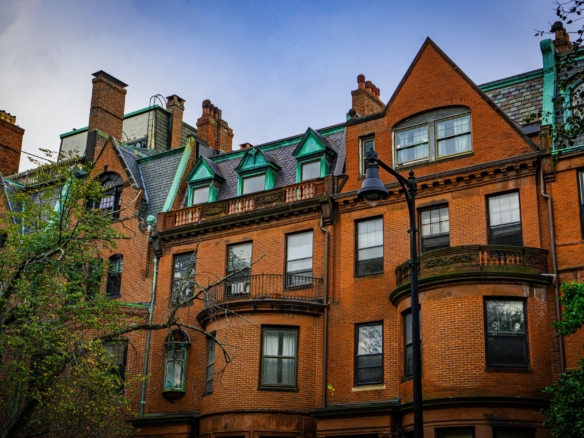
As the Red Line crosses the Charles River and enters downtown Boston proper, the neighborhoods around Charles MGH and Downtown Crossing offer some of the most intense urban living experiences in New England. Beacon Hill, just steps from the Charles MGH stop, is one of the most architecturally preserved and historically significant neighborhoods in the country, with Federal-style row houses lining gas-lit brick sidewalks that have changed little since the nineteenth century.
Beacon Hill real estate is among the most expensive in the city, with even modest condominiums frequently trading above one million dollars. The neighborhood appeals to buyers who value history, exclusivity, and a true urban village atmosphere within easy walking distance of the Public Garden and Boston Common. Downtown Crossing, meanwhile, has undergone significant revitalization in recent years, with new residential towers bringing younger residents into a neighborhood that was once primarily commercial.
Are You a Licensed MA Real Estate Agent?
List your Boston rentals and properties free on Homzora. Zero fees. Zero commissions. Direct leads sent to you.
South Boston and Andrew Square: Neighborhood Character at Competitive Prices
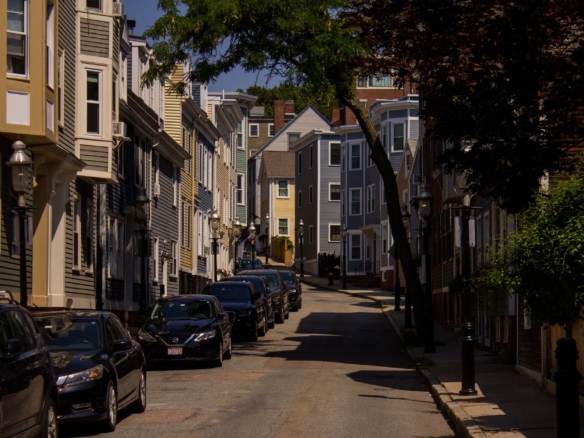
Continuing south from downtown, the Red Line passes through Broadway and Andrew Square before heading toward the Ashmont branch. South Boston, long known simply as Southie, has undergone a remarkable transformation over the past two decades, evolving from a tight-knit working-class Irish American enclave into one of Boston’s most sought-after residential neighborhoods. The beaches at Carson Beach and the extensive parks along the South Boston waterfront add recreational appeal that is unmatched anywhere else so close to downtown.
Andrew Square, one stop south of Broadway, offers slightly more affordable entry points into this desirable section of Boston and has been a focal point for development activity as the surrounding area continues to gentrify. Buyers who purchased in Andrew Square just five years ago have seen impressive appreciation, and analysts at Homzora expect this trend to continue through 2026 as infrastructure improvements and new commercial development further enhance the neighborhood’s appeal.
JFK and Savin Hill: Emerging Value Along the Ashmont Branch
The Ashmont branch of the Red Line serves neighborhoods in Dorchester that have historically been overlooked by buyers focused on Cambridge and downtown Boston. That dynamic is changing rapidly. Savin Hill, nicknamed Savage Hill by longtime residents in a nod to its competitive real estate market, offers genuine single-family homes with yards, driveways, and community parks at price points that would be unthinkable in Cambridge or Beacon Hill.
The neighborhood around the JFK and UMass stop benefits from proximity to the University of Massachusetts Boston campus and the Columbia Point waterfront, which includes the John F. Kennedy Presidential Library and Museum. These cultural anchors, combined with strong community organizations and improving schools, have made Savin Hill and Fields Corner popular destinations for first-time buyers who want homeownership without the premium of more established neighborhoods.
Braintree and Quincy: South Shore Value with Direct Red Line Access
The Braintree branch of the Red Line extends south through Quincy Center, Quincy Adams, and finally to Braintree, offering residents of the South Shore a direct connection to downtown Boston in under forty minutes. The neighborhoods around these stops represent some of the best overall value for money along the entire Red Line corridor, with spacious homes, excellent public schools, and suburban amenities all within reach of city jobs.
Quincy has long been one of Boston’s most diverse communities, with a particularly vibrant Asian American population that has built one of the strongest culinary and cultural scenes in Greater Boston outside the city itself. Home prices in Quincy remain considerably below those in Cambridge or South Boston while still offering direct transit access that most suburban communities simply cannot match.
Are You a Licensed MA Real Estate Agent?
List your Boston rentals and properties free on Homzora. Zero fees. Zero commissions. Direct leads sent to you.
Factors Driving South Shore Red Line Demand in 2026
- Remote and hybrid work arrangements allow more residents to live further from downtown while keeping transit access as a priority
- Growing families seeking larger homes at reasonable prices continue to discover Quincy and Braintree
- Ongoing commercial development along the Quincy Center waterfront is attracting new businesses and residents
- Strong school systems in Braintree consistently rank among the best in Norfolk County
- The Braintree split offers flexibility for commuters whose destinations vary between the eastern and southern parts of downtown Boston
How to Choose the Right Red Line Neighborhood for Your Lifestyle
With so many compelling options along the Red Line, narrowing down your search requires honest reflection on your priorities and budget. Homzora recommends asking yourself a series of practical questions before committing to any particular neighborhood. How much of your daily commute do you want to spend on the train? Do you prioritize walkability and density, or would you prefer a quieter residential street with more space? Are you buying for investment potential, primary residence, or both?
Budget is naturally a central consideration. Buyers and renters willing to venture south of downtown Boston, particularly into Dorchester, Quincy, and Braintree, will find dramatically more space for their money without sacrificing transit access. Those who place the highest value on walkability, nightlife, dining, and cultural institutions will find the Cambridge stops and downtown Boston neighborhoods worth the premium they command.
Regardless of which neighborhood you choose, the process of renting or buying along the Red Line follows the same fundamental steps. Renters should ensure their credit profiles are strong and current before beginning their search, work with a responsive and knowledgeable agent, and secure all lease terms in writing using properly structured legal documents. Buyers should obtain mortgage pre-approval early, understand their target neighborhoods’ price trajectories, and work with a local real estate team that has deep expertise in the specific micro-markets they are considering.
Investment Outlook for Red Line Real Estate Through 2026 and Beyond
From an investment perspective, Red Line properties have historically provided strong returns relative to other parts of the Greater Boston market. The combination of Harvard and MIT’s perpetual demand engine in Cambridge, the ongoing biotech and tech expansion in Kendall Square and along the East Cambridge corridor, and the steady appreciation of South Boston and Dorchester neighborhoods all contribute to a positive long-term outlook for Red Line real estate.
Investors considering multi-family properties along the Red Line should pay particular attention to the Dorchester and Quincy sections of the line, where cap rates remain more favorable than in Cambridge or downtown Boston and where long-term demographic trends support continued rental demand. The Braintree and Quincy Adams stops also present interesting opportunities for investors targeting the commuter market, particularly as hybrid work schedules have made slightly longer commutes more acceptable to a broader pool of renters.
New construction activity is likely to remain concentrated around Kendall Square and the downtown Boston stops through 2026, with scattered development continuing in Central Square and along the emerging corridors near Andrew Square and JFK. Supply constraints in Cambridge and Beacon Hill will continue to support elevated prices in those micro-markets regardless of broader interest rate environments.
Final Thoughts on Boston Red Line Living in 2026
The Red Line is more than a transit route. It is a thread connecting some of the most dynamic, historically rich, and economically vibrant communities in the entire Northeast. Whether you are drawn to the academic energy of Harvard Square, the innovation-driven pulse of Kendall Square, the neighborhood warmth of Savin Hill, or the value proposition of Quincy and Braintree, the Red Line places an exceptional variety of Boston living experiences within reach.
Making the right choice requires current market data, neighborhood-level expertise, and a trusted real estate partner who understands the nuances of each stop along this remarkable corridor.
Stay Ahead of the Boston Market
Monthly insights on Boston rents, home tips, and investment opportunities delivered free to your inbox.
Data sources and methodology
Rent data compiled from publicly available sources including the U.S. Census Bureau American Community Survey, Massachusetts Association of Realtors, Zillow Research, CoStar Group, and MBTA ridership reports. Neighborhood statistics reflect current market conditions as of 2026. Figures are estimates based on available market data and should be used for informational purposes. For precise current listings and pricing contact a licensed Massachusetts real estate professional.
Related Boston Housing Resources
Recommended for Boston Property Owners
Upgrade your Boston rental property with a reliable automatic gate opener. Easy installation, app control, and built for New England weather.
Power Backup for Boston Homeowners
Power your Boston home or rental property with BLUETTI portable power stations. Perfect backup power for New England winters and storm season.
Shop Sicotas for nightstands, TV stands, sideboards, and more. Quality furniture at affordable prices with fast delivery to Greater Boston.
📚 Related Reading on Homzora
📋 Free: The Boston Renter’s Move-In Rights Checklist
What landlords can legally charge, the 2025 broker-fee rule, and your deposit rights — one printable page.
Download the checklist (PDF) → — and subscribe for the quarterly Boston Renter Report:
Related posts