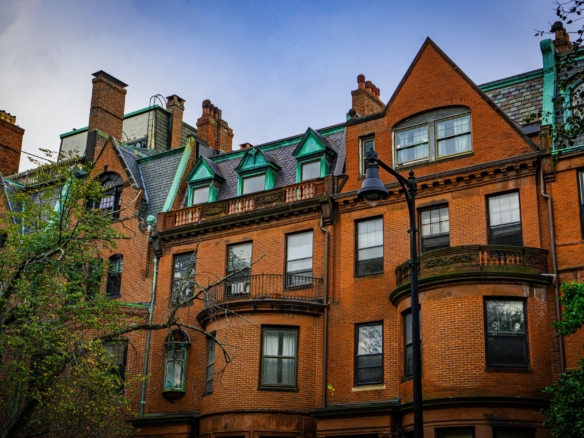
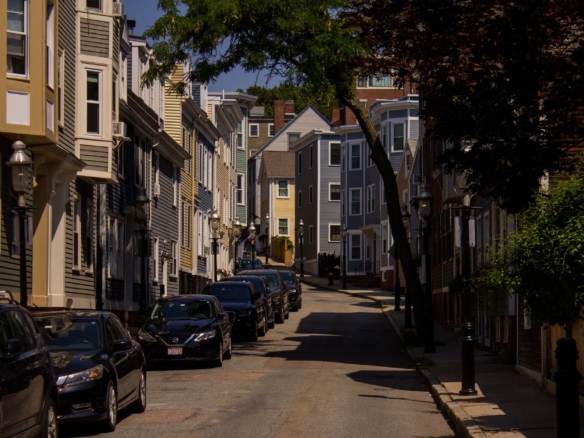
Boston has long been one of the most resilient real estate markets in the entire country, and heading into 2026, savvy investors are paying very close attention to what is happening across the city’s diverse collection of neighborhoods. From rapidly gentrifying pockets in East Boston to the perennially strong market in the South End, opportunities exist at nearly every price point and investment strategy. Whether you are a first time real estate investor looking to purchase a rental property or an experienced portfolio builder seeking your next value add acquisition, understanding which Boston neighborhoods are positioned for the strongest growth in 2026 is absolutely essential before you commit a single dollar.
Boston Renter Intelligence Survey
How does your rent compare?
Add your numbers and get an instant read on what share of your income goes to rent, measured against what Boston renters actually report. You will also get the Q3 report free on October 7.
See how your rent compares →At Homzora, we have spent considerable time analyzing market trends, demographic shifts, infrastructure investments, and rental demand data to bring you this comprehensive guide to the best Boston neighborhoods for real estate investment in 2026. Before diving into individual neighborhoods, take a moment to explore our Boston Neighborhood Finder tool, which allows you to filter neighborhoods by investment criteria, price range, and growth potential so you can match opportunities directly to your specific goals.
Why Boston Remains a Top Real Estate Investment Market in 2026
Boston consistently ranks among the top five real estate markets in the United States, and for very good reason. The city benefits from an extraordinary concentration of world class universities, major medical institutions, and a thriving technology and biotech sector that collectively generate enormous and sustained demand for housing. The Greater Boston area is home to more than 50 colleges and universities, including Harvard, MIT, Boston University, and Northeastern, creating a massive and perpetually renewing population of students, faculty, researchers, and healthcare professionals who need places to live.
Beyond the educational anchor institutions, Boston’s economy has continued to diversify in ways that support long term real estate values. The Seaport District has become one of the most significant biotech and innovation hubs in the world, attracting major corporate tenants and thousands of high income workers who demand quality housing close to their workplaces. This economic foundation creates a rental market that remains tight even during national economic slowdowns, giving Boston real estate investors a degree of stability that is genuinely difficult to find in other major American cities.
East Boston: The Value Play With Tremendous Upside
East Boston continues to be one of the most compelling investment stories in the entire Greater Boston market. Just one stop on the Blue Line from downtown, East Boston offers waterfront access, improving amenities, and a vibrant Latin American cultural community that has attracted a new wave of young professionals and creative class residents who are drawn to the neighborhood’s authenticity and relative affordability compared to adjacent areas.
What Makes East Boston Attractive for Investors
Multifamily properties in East Boston still trade at meaningful discounts compared to comparable assets in neighborhoods like the South End or Jamaica Plain. Investors who purchase two family and three family homes in East Boston are finding that rental income covers a substantial portion of carrying costs, making cash flow positive scenarios more achievable here than in many other Boston neighborhoods. The neighborhood’s waterfront parcels along the harbor have attracted significant mixed use development interest, which is contributing to rising property values throughout the entire East Boston market.
Gentrification in East Boston is proceeding at a measured pace, which actually benefits long term investors more than rapid price appreciation cycles do. Gradual appreciation allows investors to acquire additional assets before values fully reflect the neighborhood’s transformation, while rental demand remains strong and growing throughout the transition period. Infrastructure improvements including enhanced Blue Line service and expanded waterfront access points are expected to accelerate East Boston’s attractiveness to new residents throughout 2026 and beyond.
Dorchester: Boston’s Largest Neighborhood Offers Diverse Opportunities
Dorchester is the largest neighborhood in Boston by both land area and population, and it contains multitudes when it comes to real estate investment opportunities. From the rapidly appreciating corridors near Savin Hill and Fields Corner to the more established residential streets of Ashmont Hill, Dorchester offers investment opportunities at virtually every price point and risk tolerance level.
Rental Demand Drivers in Dorchester
Dorchester benefits from excellent public transportation access, with multiple Red Line stops connecting residents to downtown Boston, Cambridge, and the Seaport District in under 20 minutes. This connectivity makes Dorchester an extremely attractive choice for cost conscious professionals who work in high rent districts but prefer to live in neighborhoods where their dollars stretch further. For investors, this means a deep and growing rental pool of working professionals, graduate students, and healthcare workers who form a stable and reliable tenant base.
The neighborhood has also seen significant commercial investment along key corridors including Dorchester Avenue, with new restaurants, coffee shops, and retail establishments following the residential investment wave. This amenity development is an important quality of life signal that tends to precede accelerated residential appreciation, making now a strategic window for investors to establish positions before the next leg of value growth materializes.
Before finalizing any investment in Dorchester or anywhere else in Boston, make sure you review the latest data by visiting our Boston Housing Data page, where we track median sale prices, days on market, rental vacancy rates, and year over year appreciation trends across all Boston neighborhoods in real time.
Jamaica Plain: Established Values and Stable Returns
Jamaica Plain, affectionately known as JP by longtime Boston residents, represents the more established end of the Boston investment spectrum. Properties here command premium prices, but they also deliver premium stability and consistent appreciation that makes JP a favorite among investors who prioritize capital preservation and steady long term returns over aggressive growth strategies.
The JP Investment Profile
Jamaica Plain attracts a remarkably stable and educated tenant demographic, with strong demand coming from professionals working in the medical, academic, and nonprofit sectors. The neighborhood’s excellent school options, outstanding green space including the Arnold Arboretum and Jamaica Pond, and vibrant dining and arts scene make it consistently one of the most desirable places to live in the entire city for families and young professionals alike.
Multifamily investors in Jamaica Plain benefit from very low vacancy rates and the ability to attract long term tenants who genuinely care for their units and stay in place for multiple lease cycles. This reduces turnover costs significantly and contributes to the kind of predictable income stream that makes JP properties excellent candidates for long term buy and hold strategies. Cap rates are compressed compared to emerging neighborhoods, but the risk adjusted returns over a five to ten year horizon are consistently strong.
South Boston and the Seaport: Premium Positioning in Boston’s Innovation Core
South Boston and the adjacent Seaport District represent the premium tier of Boston real estate investment, and for investors with the capital to participate in these markets, the long term fundamentals remain compelling despite elevated entry price points. The Seaport has evolved from an underutilized industrial waterfront into one of the most sought after live, work, and play destinations in the entire Northeast, and the ripple effects of that transformation continue to lift values throughout adjacent South Boston.
Are You a Licensed MA Real Estate Agent?
List your Boston rentals and properties free on Homzora. Zero fees. Zero commissions. Direct leads sent to you.
Seaport Investment Considerations
Condominium investments in the Seaport attract a corporate professional tenant base that commands Boston’s highest rental rates per square foot. Investors who purchased Seaport condominiums in earlier years have seen extraordinary appreciation, and while the easy money from the neighborhood’s initial transformation has largely been realized, the continued corporate tenant base and new development pipeline ensure that demand side pressure on rents and values will remain elevated for the foreseeable future.
South Boston’s residential streets offer a slightly more accessible price point than the Seaport proper while still benefiting from proximity to all of the job centers, restaurants, and amenities that have transformed the neighborhood over the past decade. Two family and three family properties in Southie can generate strong rental income while also appreciating in value over time, particularly along the corridors closest to transit and waterfront access.
Roxbury and Nubian Square: Emerging Investment Opportunity
Roxbury and the Nubian Square area represent perhaps the most significant emerging opportunity in the Boston market for investors who have a longer investment horizon and a tolerance for some additional risk in exchange for potentially outsized returns. The neighborhood sits at the geographic center of Boston, surrounded by appreciating markets including the South End, Jamaica Plain, and Dorchester, and has benefited from ongoing public and private investment in infrastructure, community facilities, and commercial amenities.
Why Roxbury Deserves Investor Attention in 2026
The Nubian Square area has been the subject of significant city planning attention and investment, with transit improvements, new mixed income housing developments, and commercial corridor revitalization initiatives all pointing toward a neighborhood in the early stages of meaningful transformation. Investors who establish positions in Roxbury now are doing so at price points that reflect the neighborhood’s current character rather than its emerging future, which is precisely the value creation moment that generates the strongest long term returns.
Proximity to the Longwood Medical Area, one of the densest concentrations of medical and research employment in the world, also supports robust rental demand in Roxbury and adjacent neighborhoods. Medical residents, nurses, research scientists, and administrative professionals all seek affordable housing options close to the Longwood campus, and Roxbury’s location makes it a practical and increasingly attractive choice for this large and stable employment driven tenant pool.
Practical Steps Before You Invest in Boston Real Estate
Understanding which Boston neighborhoods offer the best investment potential is only the beginning of a successful real estate investment strategy. Before you make an offer on any property, there are several critical preparation steps that will significantly improve your chances of investment success.
Get Your Finances in Order
Protect Your Investment with the Right Coverage
Use Proper Legal Documentation From Day One
Boston Real Estate Investment Strategy Summary for 2026
The Boston market in 2026 rewards investors who do their homework, act with discipline, and take a long term perspective on value creation. East Boston offers the most accessible entry points with meaningful appreciation upside. Dorchester provides scale and diversity of opportunity across multiple price points. Jamaica Plain delivers stability and premium tenant quality. South Boston and the Seaport anchor the premium end of the market with proven long term value. And emerging neighborhoods like Roxbury and Nubian Square offer the kind of early stage positioning that generates the strongest returns for patient, well prepared investors.
Every successful Boston real estate investment begins with thorough market research, sound financial preparation, and access to experienced local expertise. The neighborhoods, trends, and strategies outlined in this guide represent a solid foundation for your 2026 investment planning, but every individual opportunity requires careful due diligence that accounts for the specific property, block, and market conditions at the time of purchase.
Start Your Boston Investment Journey with Homzora
At Homzora, we are deeply committed to helping investors at every experience level navigate the Boston real estate market with confidence and clarity. Our team combines deep local neighborhood expertise with sophisticated market analysis tools that give our clients a genuine competitive advantage in one of the most competitive real estate markets in the country. Whether you are just beginning to explore Boston investment opportunities or you are ready to make your next acquisition, we are here to provide the guidance, data, and professional support you need to succeed.
Visit homzorarealty.com today to connect with a Boston investment specialist, explore our full library of neighborhood guides and market reports, and take the first step toward building lasting wealth through strategic Boston real estate investment. Your next great investment opportunity in Boston is waiting, and Homzora is ready to help you find it.
Stay Ahead of the Boston Market
Monthly insights on Boston rents, home tips, and investment opportunities delivered free to your inbox.
Related Boston Housing Resources