Boston homeowners and real estate investors are discovering that bathroom upgrades, particularly shower panel systems, deliver some of the highest returns on investment in the current market. Whether you own a historic brownstone in Back Bay, a condo in the Seaport District, or a multi-family property in Dorchester, installing a shower panel system can transform an ordinary bathroom into a luxurious spa retreat that commands premium rent prices and higher resale values. This comprehensive guide covers everything you need to know about shower panel systems, from understanding the technology to navigating Massachusetts plumbing codes and maximizing your Boston real estate investment.
Shop Shower Panel Systems on Amazon
Find top-rated products for Boston homeowners and landlords. Free shipping on many items.
What Is a Shower Panel System and Why Boston Homeowners Love Them
A shower panel system is an all-in-one wall-mounted fixture that combines multiple shower functions into a single, elegant unit. Unlike traditional shower setups that require separate installations for a showerhead, body sprays, and hand shower, a panel system integrates all of these features into one sleek vertical panel that mounts directly to your bathroom wall. These systems have become increasingly popular among Boston homeowners who want to maximize functionality in often smaller urban bathrooms without undertaking a full renovation.
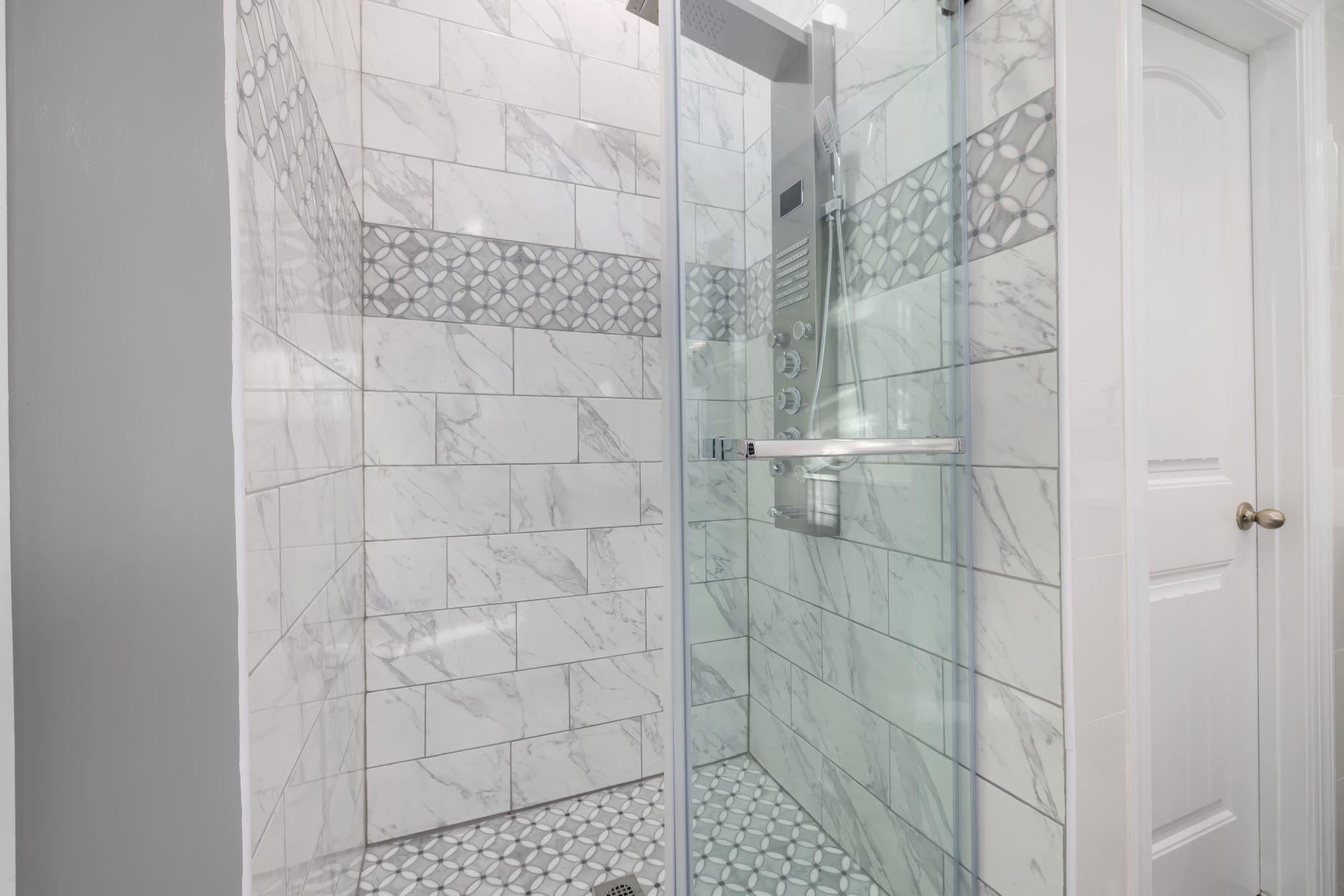
Modern shower panel systems typically range in height from 60 to 72 inches and connect to your existing water supply lines. The panel itself houses multiple components including overhead rainfall showerheads, adjustable body jets, handheld shower wands, and digital or manual control valves. High-end models even incorporate LED lighting, built-in speakers, steam generators, and digital temperature displays that elevate the entire bathing experience to something that rivals a five-star hotel spa.
For Boston residents dealing with the compact bathrooms common in the city’s older housing stock, a shower panel system offers a particularly smart solution. Rather than expanding square footage, which is often impossible or prohibitively expensive in a city where space comes at a premium, you can dramatically upgrade the quality and functionality of your existing shower space. You can explore some of the best options available today when you Shop Shower Panel Systems on Amazon and compare features, finishes, and price points across dozens of leading brands.
Understanding the Key Components: Rainfall Showerheads and Body Jets
Rainfall Showerheads Explained
The rainfall showerhead is the signature feature of most luxury shower panel systems. Designed to simulate the gentle, enveloping sensation of standing in warm rain, these oversized showerheads typically measure between 8 and 16 inches in diameter and are positioned directly overhead or at a slight angle to cascade water evenly across your entire body. The water flow from a rainfall showerhead is generally wider and gentler than a standard showerhead, creating a more immersive and relaxing experience.
Most rainfall showerheads in panel systems operate through a dedicated control valve that allows you to adjust both flow rate and temperature independently. Better quality models use precision-engineered nozzle arrays that prevent mineral buildup, a common issue in Boston’s water supply, which carries moderate levels of hardness depending on the season and your specific neighborhood’s water source.
Body Jets and Hydrotherapy Features
Body jets are perhaps the most therapeutically significant component of a shower panel system. Arranged in vertical columns along the panel, these directional nozzles shoot water at targeted pressure points on your body, mimicking the experience of a professional hydrotherapy session. Quality systems include between 6 and 12 individual body jets that can be angled and adjusted to direct water precisely where you want it.
For Boston residents who work physically demanding jobs, athletes training near the city’s many fitness centers and universities, or simply anyone dealing with the stress of urban commuting, body jets provide genuine therapeutic benefits. Consistent hydrotherapy has been associated with reduced muscle tension, improved circulation, and better sleep quality. When you consider these health benefits alongside the aesthetic upgrade, the investment in a shower panel system becomes even more compelling.
Thermostatic vs Pressure Balance Controls: Choosing the Right System for Your Boston Home
One of the most important decisions you will make when selecting a shower panel system is choosing between thermostatic and pressure balance control valves. Understanding the difference is critical for both comfort and safety, particularly in older Boston buildings where plumbing systems can behave unpredictably.
Pressure Balance Controls
Pressure balance valves maintain a consistent ratio between hot and cold water pressure, preventing dangerous temperature fluctuations when someone flushes a toilet or runs the dishwasher elsewhere in the home. These are the more common and less expensive option, and they meet the minimum requirements under Massachusetts plumbing code for residential shower installations. However, they do not maintain an exact temperature, meaning the water can shift warmer or cooler depending on overall system pressure changes.
Thermostatic Controls
Thermostatic valves represent the gold standard in shower control technology. These sophisticated valves continuously monitor and adjust water temperature to maintain your precise set point regardless of pressure fluctuations elsewhere in the building. For Boston landlords managing multi-unit properties where multiple tenants may be using water simultaneously, thermostatic controls are particularly valuable because they provide a consistent and safe shower experience at all times.
Thermostatic systems also offer significant energy efficiency benefits because users can set their preferred temperature once and the valve will maintain it precisely, eliminating the water wasted while waiting for the temperature to stabilize. In a city like Boston where utility costs are among the highest in New England, this efficiency translates to meaningful savings over time.
Installation Requirements for Boston Homes: Water Pressure Considerations
Installing a shower panel system in a Boston home requires careful attention to your existing water pressure and pipe configuration. Most quality shower panel systems require a minimum water pressure of 40 PSI and a maximum of 80 PSI to function properly. Boston’s municipal water system generally delivers pressure in the range of 60 to 80 PSI at street level, but pressure can vary significantly between floors in multi-story buildings, in older buildings with partially corroded pipes, and in neighborhoods served by different pressure zones.
Before purchasing a shower panel system, you should measure your actual water pressure at the shower supply point using an inexpensive pressure gauge. If your pressure falls below 40 PSI, you may need to install a booster pump. If pressure exceeds 80 PSI, a pressure-reducing valve is necessary to protect both the panel system and your existing plumbing from damage.
Boston’s older housing stock, particularly the triple-deckers and brownstones common in neighborhoods like Jamaica Plain, Roxbury, and Somerville, often features galvanized steel pipes that have accumulated decades of mineral deposits. These deposits reduce pipe diameter and consequently reduce water pressure and flow rate at fixtures. A qualified plumber can assess whether your supply lines are adequate to support a shower panel system or whether partial repiping is necessary before installation.
To find a licensed plumber in the Boston area who has specific experience with shower system installations, you can Find Plumbers on Angi and read verified reviews from homeowners in your specific neighborhood. Working with a licensed Massachusetts plumber ensures that the installation meets code requirements and that your system performs reliably from day one.
How Shower Panels Work in Older Boston Plumbing Systems
Boston’s housing stock is among the oldest in the United States, with a significant percentage of residential buildings constructed before 1950. These properties present unique challenges and opportunities for homeowners looking to install modern shower panel systems. The good news is that most shower panel systems are designed to connect to standard half-inch hot and cold water supply lines, which means they can integrate with virtually any existing plumbing configuration without requiring major infrastructure changes.
However, older buildings in Boston frequently use galvanized steel pipes rather than copper or modern PEX tubing. Galvanized steel is prone to corrosion and mineral buildup over decades of use, which can restrict flow and cause problems for the precision valves in high-end shower panel systems. If your building still has original galvanized supply lines, upgrading at least the lines serving your shower to copper or PEX is strongly recommended before panel installation.
Cast iron drain stacks, common in Boston buildings from the early and mid-twentieth century, generally handle the increased water volume from a shower panel system without modification. However, the drain configuration at the shower floor level may need to be evaluated. Panel systems with multiple simultaneous water outlets can deliver a combined flow rate of 4 to 8 gallons per minute, and your drain must be capable of handling this volume without backing up.
Are You a Licensed MA Real Estate Agent?
List your Boston rentals and properties free on Homzora. Zero fees. Zero commissions. Direct leads sent to you.
Massachusetts Plumbing Code for Shower Installation
Massachusetts has adopted the International Plumbing Code with state-specific amendments that govern all residential plumbing installations including shower systems. Key requirements that apply to shower panel system installations include the following considerations.
- All shower valves must include anti-scald protection, either through a pressure-balancing valve or thermostatic control, with a maximum deliverable temperature of 120 degrees Fahrenheit
- Shower enclosures must have a minimum interior floor area of 1024 square inches and fit within a 36 by 36 inch square
- All plumbing work that requires connection to supply or drain lines must be permitted and inspected by the local building department
- Licensed plumbers must perform any work involving the building’s main supply lines or drain stack
- Shower walls must be finished with waterproof materials to a minimum height of 72 inches from the drain
Boston property owners should be aware that the city’s Inspectional Services Department actively enforces these requirements, and unpermitted plumbing work can create serious complications during property sales and refinancing. Understanding and complying with Massachusetts code not only ensures safety but also protects your investment and legal standing as a property owner.
Steel vs Acrylic Shower Panel Comparison
Shower panel systems are manufactured from several different materials, but stainless steel and acrylic are the two most common options available in the consumer and professional market. Each material has distinct advantages and trade-offs that should factor into your purchasing decision based on your budget, design preferences, and the specific demands of your Boston property.
Stainless Steel Shower Panels
Stainless steel panels, typically made from brushed or polished 304-grade stainless steel, are the premium choice for durability and aesthetics. Steel panels resist corrosion, withstand Boston’s humid summer conditions and cold winters, and maintain their appearance with minimal maintenance. They complement modern and industrial design aesthetics that are popular in Boston’s converted loft spaces and newer condominium developments. Steel panels typically range in price from 300 dollars to well over 2000 dollars for top-tier models with advanced features.
Acrylic Shower Panels
Acrylic panels offer a more budget-friendly alternative that still delivers significant functional upgrades over traditional shower setups. High-quality acrylic panels can mimic the appearance of marble or stone and integrate seamlessly into more traditional bathroom designs, which is advantageous for Boston’s older homes where overly industrial aesthetics might feel out of place. Acrylic panels typically cost between 150 and 600 dollars and are somewhat easier to install due to their lighter weight. The trade-off is that acrylic is more susceptible to scratching and may yellow over time with prolonged exposure to certain cleaning chemicals.
Best Shower Panel System Models for Different Budgets
Budget-Friendly Options Under 300 Dollars
Entry-level shower panel systems in this price range offer basic rainfall showerheads, a limited number of body jets, and pressure-balance controls. Brands like DreamSpa and Pulse offer reliable options in this category that significantly upgrade the shower experience without a major financial commitment. These systems are excellent for rental properties where you want to attract quality tenants without overinvesting in fixtures.
Mid-Range Systems Between 300 and 800 Dollars
The mid-range category represents the sweet spot for most Boston homeowners and landlords. Systems in this price range typically feature stainless steel construction, thermostatic or dual-function pressure balance controls, 6 to 8 body jets, a large rainfall showerhead, and a handheld wand. Brands like AKDY, Anzzi, and Kohler offer compelling options in this segment that deliver genuine luxury performance.
Premium Systems Above 800 Dollars
Premium shower panel systems incorporate digital controls, LED chromotherapy lighting, built-in speakers with Bluetooth connectivity, and precision thermostatic valves. Brands like Moen, Hansgrohe, and Grohe lead this category with systems designed to last decades with proper maintenance. For high-end Boston condos, luxury rental apartments, or primary residences where you intend to stay long-term, premium systems offer an unmatched experience and contribute meaningfully to property value.
DIY vs Professional Installation: What Boston Homeowners Need to Know
One of the most appealing aspects of shower panel systems is that they are theoretically designed for DIY installation. Most panels connect to existing hot and cold supply lines via standard threaded connections, and the installation process does not inherently require advanced plumbing skills. However, the practical reality of Boston’s housing stock makes professional installation the strongly recommended choice for most homeowners.
Older buildings with corroded supply lines, non-standard pipe configurations, and limited access points create challenges that require professional problem-solving skills. Additionally, any work that involves modifying supply lines or drain connections requires a permit and licensed plumber under Massachusetts law. The cost savings from DIY installation can quickly evaporate if improper installation leads to leaks, water damage, or code violations that must be corrected before a property sale.
For landlords managing multiple properties, protecting your investment with comprehensive home warranty coverage is equally important after installation. Choice Home Warranty offers plans that cover plumbing systems and fixtures, providing financial protection against unexpected repair costs that could otherwise erode your rental income and property value.
Landlord ROI and How Luxury Bathroom Upgrades Attract Higher-Paying Boston Tenants
For Boston real estate investors, the financial case for shower panel system upgrades is compelling and supported by market data. Boston’s rental market consistently ranks among the most competitive in the United States, with strong demand from young professionals, graduate students, and corporate relocations who are willing to pay premium rents for apartments that offer hotel-quality amenities.
A bathroom renovation anchored by a luxury shower panel system can justify a monthly rent increase of 75 to 200 dollars per unit depending on the neighborhood and overall apartment quality. At 150 dollars per month in additional rent, a 500 dollar shower panel system investment pays for itself in under four months. Over a standard one-year lease, that represents 1800 dollars in additional revenue from a 500 dollar investment, a 260 percent return before accounting for any increase in property value.
Beyond the direct rental income benefit, luxury bathroom upgrades reduce vacancy rates by making your unit more desirable in a competitive market. Tenants who feel their apartment provides exceptional value are also more likely to renew their leases, reducing the costly turnover expenses that erode rental income. For investors managing lease agreements with multiple tenants, using a professional document service to formalize these arrangements is important. LawDepot Lease Agreement templates allow Boston landlords to create legally sound rental agreements that protect both parties and clearly outline responsibilities for fixture maintenance and care.
To understand how bathroom upgrades fit into the broader Boston rental market context, reviewing current Boston Housing Data can help you benchmark your property against comparable units and identify the neighborhoods where luxury upgrades command the greatest premium.
How a Spa Bathroom Increases Boston Home Resale Value
The impact of luxury bathroom renovations on Boston home resale values is well documented. Real estate professionals consistently report that bathroom and kitchen upgrades deliver the highest ROI of any home improvement project, and spa-quality bathrooms have become an increasingly significant selling point in Boston’s competitive resale market.
In a city where buyers are comparing properties that may vary only modestly in size and location, a bathroom that delivers an immediate spa experience creates a powerful emotional connection that drives both faster sales
Stay Ahead of the Boston Market
Monthly insights on Boston rents, home tips, and investment opportunities delivered free to your inbox.
Related Boston Housing Resources