If you own rental property in Massachusetts, understanding security camera laws is no longer optional. As we head into 2026, landlords across the state are installing surveillance systems at record rates, motivated by rising property crime, insurance incentives, and the need to protect their investments. But with that growing trend comes a serious legal responsibility. Massachusetts has some of the most tenant-friendly privacy laws in the country, and failing to follow them can expose you to significant civil liability, criminal charges, and the loss of your rental license. This guide from Homzora Realty breaks down exactly what Massachusetts landlords can and cannot do when it comes to security cameras in 2026.
Recommended Furniture for Boston Apartments
Furnish your Boston home with elegant and affordable modern furniture from Sicotas. Fast delivery to Greater Boston.
Why Massachusetts Landlords Are Paying Attention to Camera Laws in 2026
The short answer is that the consequences of getting it wrong have never been higher. Massachusetts General Laws Chapter 272, Section 99 governs wiretapping and electronic surveillance broadly, and courts have increasingly applied its principles to video surveillance in rental properties. Beyond state law, tenants are more aware of their rights than ever before, and a single misstep with a hidden camera can result in a lawsuit, a criminal complaint, or both.
At the same time, landlords have legitimate reasons for wanting cameras on their property. Package theft, vandalism, unauthorized occupants, and liability disputes are all real concerns that surveillance footage can help address. The key is knowing where the legal line sits and staying firmly on the right side of it.
Whether you manage a single family home in Worcester or a multi-unit building in Boston, the same core principles apply. And if you are still shopping for investment property in Massachusetts, tools like the Boston Neighborhood Finder from Homzora Realty can help you identify areas where property values and rental demand make the investment worthwhile before you take on the responsibilities that come with being a landlord.
The Core Legal Framework for Surveillance in Massachusetts
Massachusetts Is a Two Party Consent State
When most people think about surveillance law, they think about audio recording. Massachusetts is a two party consent state for audio, which means that recording a conversation without the consent of all parties involved is illegal. This is one of the strictest standards in the country. For landlords, this means that any camera that records audio inside a building where tenants have a reasonable expectation of privacy is almost certainly illegal without explicit consent from everyone being recorded.
Video only surveillance operates under a somewhat different standard, but the underlying principle remains the same. If a person has a reasonable expectation of privacy in a given location, placing a camera there without consent is a violation of both state law and basic tenant rights.
Reasonable Expectation of Privacy Explained
This legal concept is the foundation of almost every surveillance dispute between landlords and tenants. A reasonable expectation of privacy exists wherever a person would reasonably assume they are not being observed. In a rental context, this includes the interior of a tenant’s unit, bathrooms, bedrooms, changing areas, and any private spaces that the tenant controls exclusively.
Common areas present a more nuanced picture. Hallways, lobbies, laundry rooms, and parking lots are generally considered spaces where the expectation of privacy is reduced, but not entirely eliminated. Courts in Massachusetts have held that surveillance in these areas is generally permissible as long as it is disclosed and not used to monitor tenant behavior in a targeted or harassing manner.
Where Landlords Are Legally Permitted to Place Cameras
Exterior Areas and Building Entrances
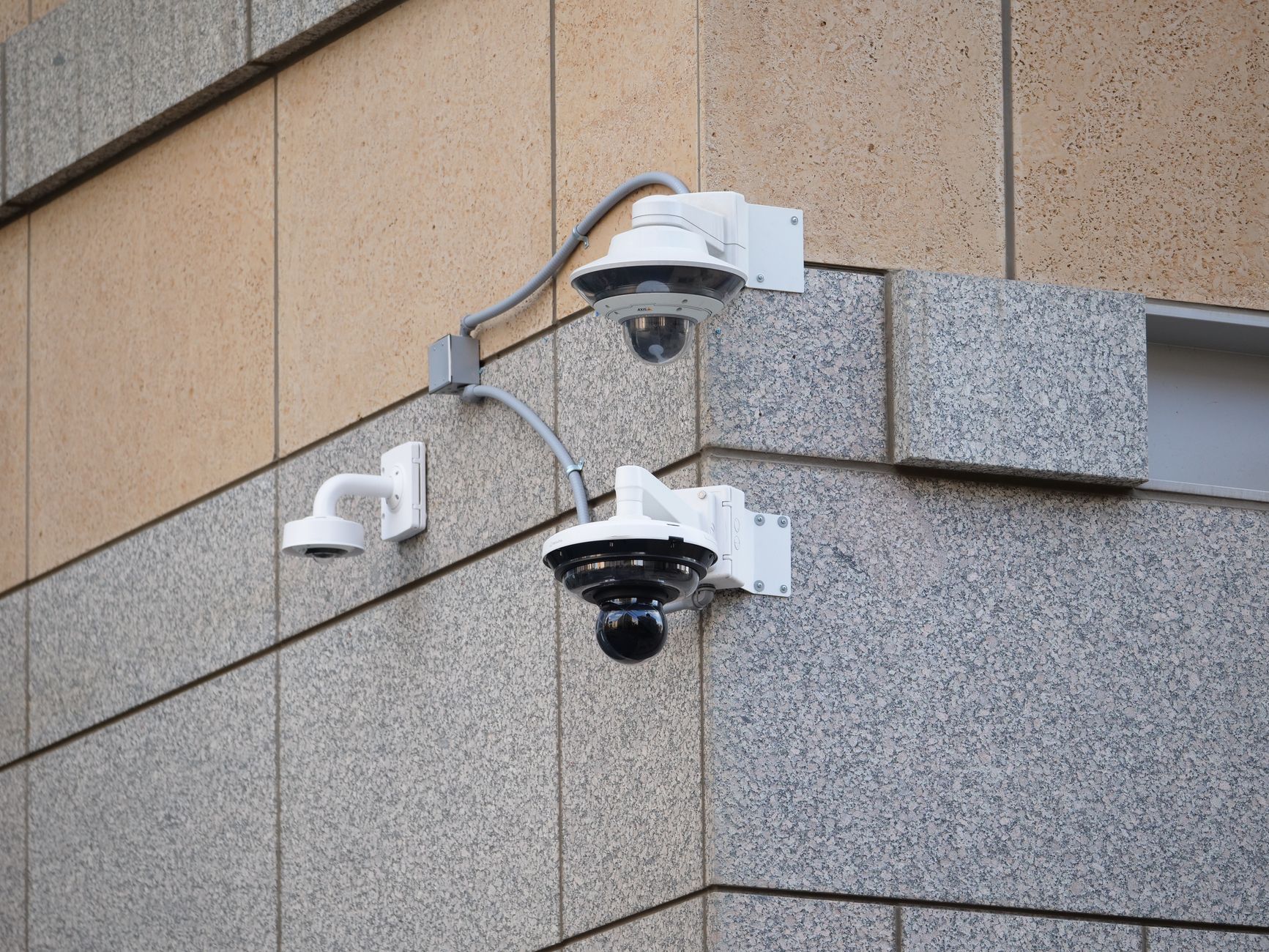
The most straightforward legal placement for security cameras on rental property is the exterior. Cameras pointed at building entrances, parking lots, driveways, exterior stairways, and the perimeter of the property are generally acceptable under Massachusetts law. These areas are visible to the public and tenants do not have the same heightened expectation of privacy that exists inside a building.
However, there are limits even here. A camera mounted on the exterior that happens to capture the interior of a tenant’s unit through a window would be a problem. The goal should be to monitor the property itself, not to observe what tenants are doing inside their homes.
Common Interior Areas
Interior common areas such as lobbies, mail rooms, shared laundry facilities, and hallways are generally permissible for camera placement as long as disclosure is made to tenants. Best practice is to include surveillance disclosure in the lease agreement and to post visible signage indicating that the area is under surveillance. This transparency goes a long way toward legal compliance and helps set the right expectations from day one.
Using a professionally drafted lease document like those available through LawDepot Lease Agreement can help ensure that your surveillance disclosure language is properly worded and legally sufficient. A lease that clearly outlines where cameras are located, what they record, and how the footage is used provides you with a strong legal foundation and demonstrates good faith to your tenants.
Shared Amenity Spaces
If your property includes a shared gym, rooftop deck, or community room, cameras in these areas are generally permitted with proper notice. The same rules apply. Disclose their presence in the lease, post signage, and make sure cameras are positioned to capture the space in general rather than targeting individual tenant behavior.
Where Landlords Are Absolutely Prohibited from Placing Cameras
Inside Tenant Units
This is the clearest line in Massachusetts law. A landlord has no legal right to place a camera inside a tenant’s rented unit, period. It does not matter whether the camera is disclosed in the lease. It does not matter whether the tenant signed something acknowledging its presence. The interior of a rented home is considered a private space, and surveilling it without law enforcement authorization is illegal. Landlords who violate this rule face serious civil and criminal exposure.
Bathrooms and Private Spaces
Cameras in bathrooms, even in common areas of a building, are categorically prohibited. The same applies to changing rooms, locker rooms, or any space where a person would reasonably undress or expect complete privacy. This applies to both tenant exclusive spaces and shared spaces. There is no legal justification for a landlord to place a camera in any of these locations.
Areas Designed to Monitor Specific Tenants
Even if a camera is placed in a technically permissible location, using it as a tool to monitor or harass specific tenants can cross into illegal territory. Massachusetts anti-discrimination laws and tenant harassment statutes apply here. If a landlord installs a camera pointed directly at one tenant’s door and nowhere else, or uses footage to intimidate tenants who have filed complaints, they may face legal action under multiple theories of liability.
Disclosure Requirements and Lease Language
What Must Be Disclosed
Massachusetts law does not have a single statute that specifically spells out what landlords must disclose about surveillance systems, but the general legal principle requires that tenants be informed. Best practice and emerging legal standards suggest that your lease should disclose the existence of cameras, their general locations, whether they record audio or video only, how long footage is retained, and who has access to the recordings.
If you are unsure how to structure this language, working with a quality lease template that is regularly updated to reflect current legal standards is a smart move. Platforms like LawDepot Lease Agreement offer state specific lease documents that can be customized to include surveillance disclosures in a legally appropriate format.
Are You a Licensed MA Real Estate Agent?
List your Boston rentals and properties free on Homzora. Zero fees. Zero commissions. Direct leads sent to you.
Posting Physical Signage
In addition to lease disclosure, posting visible signage at the entrances to surveilled areas is considered best practice and may be legally required in certain contexts depending on how a court interprets the reasonable expectation of privacy in a specific space. Signs should be clear, easy to read, and placed where tenants and visitors will actually see them before entering the surveilled area.
Audio Recording Is a Separate and Stricter Issue
As noted earlier, Massachusetts requires all party consent for audio recording. This means that cameras equipped with microphones that capture conversations are essentially illegal in any area where tenants are present unless all parties in a given conversation have consented. Most security professionals advise Massachusetts landlords to disable audio recording entirely on their surveillance systems to avoid accidental violations. The security value of audio recording is minimal compared to the legal risk it creates.
If you are purchasing a new camera system for your rental property, make sure to select equipment that allows you to disable audio recording independently of video recording. Document that you have done so. This creates a clear paper trail that protects you if a tenant ever raises a complaint.
What Happens When Landlords Violate These Laws
Civil Liability
A tenant who discovers an unauthorized camera in their unit or in a private space has strong grounds for a civil lawsuit. Massachusetts courts have awarded substantial damages in privacy violation cases, including emotional distress damages, punitive damages, and attorney fees. A single violation could cost a landlord tens of thousands of dollars, far more than any security benefit the camera might have provided.
Criminal Charges
Depending on the circumstances, particularly if a camera is placed in a bathroom or bedroom, a landlord could face criminal charges under Massachusetts wiretapping laws or voyeurism statutes. A criminal conviction can result in loss of your real estate license, your rental license, and in serious cases, incarceration. This is not a theoretical risk. There have been prosecutions in Massachusetts for exactly this type of conduct.
Loss of Rental License
Many municipalities in Massachusetts require landlords to hold a rental license or certificate of inspection. A finding of illegal surveillance can result in the revocation of that license, effectively shutting down your rental operation. Combined with civil liability, this can be financially devastating.
Practical Tips for Legal Compliance in 2026
Conduct a Property Audit Before Installing Cameras
Before you mount a single camera, walk your property and map out where you intend to place cameras, what each camera will capture, and whether any of those areas implicate tenant privacy. If you are unsure about any location, err on the side of not installing. You can always consult a Massachusetts landlord tenant attorney for guidance on specific placements.
Update Your Lease Agreement
If you already have cameras installed and your existing lease does not disclose them, your next lease renewal is an opportunity to bring your documentation into compliance. Consult a current, state specific lease template and add the appropriate language before the next tenancy begins. Retroactively disclosing cameras that have already been running without notice is a legally sensitive situation that you should discuss with an attorney.
Screen Tenants Carefully
One of the reasons landlords turn to surveillance is concern about tenant behavior. But a better first line of defense is thorough tenant screening. Running credit checks and reviewing financial history through a reliable service like SmartCredit can help you identify financially responsible applicants and reduce the likelihood of disputes down the road. Screening well from the start reduces the conditions that make landlords feel like they need constant surveillance in the first place.
Protect Your Property With the Right Insurance and Warranties
Cameras are one tool, but a comprehensive property protection strategy includes home warranty coverage for major systems and appliances as well. A service like Choice Home Warranty can protect landlords from unexpected repair costs on covered systems, reducing the financial strain that sometimes drives landlords to cut corners on compliance. A well protected property is also a well managed property, and that matters when disputes arise.
Staying Informed as Laws Continue to Evolve
Massachusetts privacy law is not static. Legislative efforts to update surveillance statutes, along with ongoing court decisions interpreting existing law, mean that what is acceptable today may be further restricted or clarified in the months ahead. Landlords who want to stay ahead of these changes should monitor updates from the Massachusetts Legislature, the Attorney General’s office, and local bar associations that publish landlord tenant law updates.
For landlords considering new investments or expanding their portfolios, staying current on market data is equally important. The Boston Housing Data resource from Homzora Realty provides up to date information on pricing trends, inventory, and neighborhood demand, helping you make smarter decisions about where to invest and what to expect from the market in 2026.
A Final Word on Landlord Rights and Tenant Trust
Security cameras are a legitimate tool for property management when used legally and transparently. Massachusetts law is designed not to prevent landlords from protecting their property, but to ensure that tenants retain their fundamental right to privacy in their homes. These two interests are not inherently in conflict. A landlord who installs cameras in legally appropriate locations, discloses them properly, and uses the footage only for legitimate security purposes is well within their rights and is also building the kind of trust with tenants that leads to long term, stable tenancies.
The landlords who run into trouble are almost always the ones who either did not know the rules or chose to ignore them. In 2026, ignorance is increasingly hard to claim as a defense. The information is available, the legal standards are knowable, and the consequences of noncompliance are serious enough that the time invested in getting it right is absolutely worth it.
Whether you are a first time landlord or a seasoned property investor, Homzora Realty is here to help you navigate the Massachusetts rental market with confidence. From finding the right neighborhood for your next investment to understanding the legal and financial landscape of property ownership, our team is committed to giving you the resources you need to succeed. Visit homzorarealty.com today to explore our full library of landlord resources, market data, and neighborhood tools designed specifically for the Massachusetts real estate market.
Stay Ahead of the Boston Market
Monthly insights on Boston rents, home tips, and investment opportunities delivered free to your inbox.
Premium Furniture for Your Boston Home
Elevate your Boston apartment or home with HERNEST modern furniture. Timeless designs built to last with fast delivery to Greater Boston.
Smart Home Security for Boston Homes
Shop top-rated smart home security systems for Boston homes and rental properties. Video doorbells, cameras, smart locks and more.
Data sources and methodology
Data compiled from publicly available sources including the U.S. Census Bureau, Massachusetts Association of Realtors, Zillow Research, CoStar Group, and MBTA ridership reports. Statistics reflect current market conditions as of 2026 and should be used for informational purposes only.
Related Boston Housing Resources