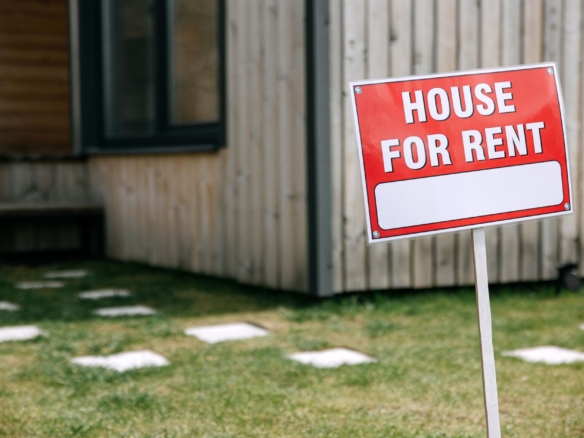
Renting in Boston comes with a unique set of legal protections that many tenants never fully understand until a crisis forces them to act. One of the most powerful tools available to renters in Massachusetts is rent escrow, a legal process that allows tenants to withhold rent under specific circumstances without simply refusing to pay and risking eviction. If your landlord has failed to maintain safe and habitable conditions, Boston law may be firmly on your side. This guide explains exactly when rent escrow applies, how the process works in practice, and what steps you need to take to protect yourself legally in 2026.
Recommended Furniture for Boston Apartments
Boston Renter Intelligence Survey
You are exactly who this is for.
We are building Boston's first independent renter intelligence report from real tenant data, not listing-site estimates. Add your numbers and get the Q3 report free when it publishes October 7.
Take the 2-minute survey →Furnish your Boston home with elegant and affordable modern furniture from Sicotas. Fast delivery to Greater Boston.
What Is Rent Escrow and Why Does It Matter in Boston
Rent escrow is a legal mechanism that allows a tenant to deposit rent payments into a court-controlled account rather than paying the landlord directly. The funds are held by the court until the landlord corrects the violations that triggered the escrow process in the first place. This is not the same as simply refusing to pay rent, which can lead to eviction proceedings regardless of the underlying housing conditions. Escrow is a structured, court-supervised process that protects tenants while keeping them in compliance with their fundamental obligation to pay for housing.
In Massachusetts, rent escrow is governed by state law and enforced through the Boston Housing Court. The law recognizes that tenants have a right to a safe, habitable dwelling, and when landlords consistently fail to provide that standard, tenants have a legally protected path to demand compliance. Understanding this distinction between illegal rent withholding and lawful rent escrow is critical for any Boston renter facing substandard living conditions.
Before diving into the process, it helps to understand the broader Boston rental landscape. If you are new to the city or considering moving, exploring our Boston Neighborhood Finder can give you a clearer picture of which areas offer the strongest tenant protections and which neighborhoods have historically seen more landlord compliance issues.
The Implied Warranty of Habitability in Massachusetts
The foundation of rent escrow law in Massachusetts is the implied warranty of habitability. This legal doctrine holds that every residential lease automatically includes a promise from the landlord that the rental unit meets basic health and safety standards. The warranty applies regardless of what the lease document actually says, meaning a landlord cannot contractually eliminate this obligation.
Under Massachusetts General Laws Chapter 111, Section 127A through 127L, and further reinforced by the Massachusetts Sanitary Code, landlords are required to maintain rental properties in a condition that is fit for human habitation. These standards cover a wide range of conditions including adequate heat, running hot and cold water, working plumbing and electrical systems, pest-free living spaces, structurally sound walls and ceilings, and functional smoke and carbon monoxide detectors.
When a landlord violates the implied warranty of habitability, the tenant gains legal standing to pursue remedies including rent reduction, repair and deduct claims, and rent escrow petitions. The key is that the violation must be significant enough to genuinely affect the health, safety, or habitability of the unit. Minor cosmetic issues do not typically qualify.
Conditions That Qualify for Rent Escrow in Boston
Not every landlord complaint justifies a rent escrow petition. Boston Housing Court judges look for conditions that constitute a genuine breach of the implied warranty of habitability or violations of the Massachusetts Sanitary Code. The following types of conditions have historically been found sufficient to support an escrow petition.
Serious Health and Safety Violations
Conditions that pose immediate or ongoing threats to physical health are the strongest basis for rent escrow. These include lack of heat during cold months, which in Massachusetts means temperatures below 68 degrees Fahrenheit between September 16 and June 14, mold infestations that affect air quality and respiratory health, lead paint hazards particularly in units occupied by children under six years old, infestations of rodents or insects, broken or missing locks on entry doors, and non-functioning smoke detectors or carbon monoxide alarms.
Structural and Infrastructure Failures
Major failures in the physical structure or building systems also qualify. These include leaking roofs or pipes that cause water damage, broken windows that allow cold air or water intrusion, non-functional heating or cooling systems, electrical hazards such as exposed wiring, and plumbing failures that leave tenants without running water or working toilets.
Code Violations Documented by Inspectors
One of the strongest pieces of evidence in a rent escrow case is an official inspection report from the Boston Inspectional Services Department (ISD). When a city inspector visits your unit and documents violations of the Sanitary Code, that report carries significant weight in Housing Court. A formal notice from the ISD also creates a documented record that the landlord was officially notified of the problems, which strengthens your legal position considerably.
Step by Step Process for Filing Rent Escrow in Boston
Filing a rent escrow petition requires careful preparation and adherence to specific procedures. Moving too quickly or skipping steps can undermine your case and potentially expose you to eviction. Follow this process carefully.
Step One: Document Everything Thoroughly
Before you file anything, gather comprehensive documentation of the problem. Take dated photographs and videos of every violation in your unit. Keep copies of all written communications with your landlord including texts, emails, and letters. Write a detailed log of every verbal conversation with dates, times, and what was said. This documentation forms the backbone of your case and will be reviewed by the judge.
Step Two: Notify Your Landlord in Writing
Massachusetts law requires that tenants give landlords reasonable notice and an opportunity to fix the problem before pursuing legal remedies in most cases. Send your landlord a written notice via certified mail describing every specific violation, the potential health and safety risks they create, and a clear deadline for making repairs. Keep the certified mail receipt and all delivery confirmations. This written notice is essential evidence that you gave the landlord a fair chance to comply before escalating to court.
Step Three: Contact Boston Inspectional Services Department
File a complaint with the Boston ISD by calling 617-635-5300 or submitting a complaint online through the city website. Request that an inspector visit your unit as soon as possible. Attend the inspection in person if you can, and make sure you receive a written copy of the inspector’s findings. If violations are cited, the ISD will typically send a formal notice to your landlord requiring correction within a specific timeframe.
Step Four: File a Petition in Boston Housing Court
Once you have documented the violations and given your landlord written notice, you can file a rent escrow petition at the Boston Housing Court located at 24 New Chardon Street in Boston. You will need to bring your documentation, including photographs, the inspector’s report, copies of your written notices to the landlord, and any lease agreement you have signed. The court filing fee is generally modest and can be waived for tenants who qualify based on income.
Speaking of lease agreements, having a clearly written and legally sound lease from the very beginning of your tenancy helps establish your rights and your landlord’s obligations from day one. Resources like the LawDepot Lease Agreement platform can help both tenants and landlords create detailed, state-specific agreements that reduce ambiguity and clearly outline maintenance responsibilities, which can be crucial evidence if disputes arise later.
Step Five: Attend Your Court Hearing
The court will schedule a hearing at which both you and your landlord can present your cases. Bring all of your documentation organized clearly. The judge will review the evidence, may ask questions of both parties, and will determine whether the conditions justify rent escrow. If the petition is granted, the court will establish the escrow amount, which is often calculated based on the percentage reduction in the apartment’s value caused by the violations, and will order the landlord to make repairs within a set timeframe.
Are You a Licensed MA Real Estate Agent?
List your Boston rentals and properties free on Homzora. Zero fees. Zero commissions. Direct leads sent to you.
What Happens to Escrowed Rent Funds
When the court approves a rent escrow arrangement, the funds you deposit are held in a court-controlled account. These funds are not lost to you and they are not paid to the landlord until the court determines that the required repairs have been made. If the landlord completes all court-ordered repairs within the specified timeframe, the escrowed funds are typically released to the landlord in full or in part depending on the specific order. If the landlord fails to make repairs, the court may order that some or all of the funds be returned to you as compensation for your period of substandard living conditions. The court retains authority over the funds throughout the process, which is what makes escrow fundamentally different from simply not paying rent.
Tenant Rights and Protections During the Escrow Process
Massachusetts law prohibits landlords from retaliating against tenants who exercise their legal rights. This includes filing for rent escrow, complaining to housing authorities, or organizing with other tenants to address building conditions. Retaliation can take the form of rent increases, reduction of services, harassment, or attempts to evict the tenant in response to protected activity. Under Massachusetts General Laws Chapter 186, Section 18, there is a legal presumption of retaliation if a landlord takes adverse action within six months of a tenant exercising a protected right. This presumption shifts the burden of proof to the landlord to demonstrate a legitimate, non-retaliatory reason for their actions.
It is also worth noting that your credit health plays a role in your overall housing security. Tenants who are aware of their credit profile are better positioned during rental applications and housing court situations. Tools like SmartCredit can help renters monitor their credit, understand their financial standing, and prepare for situations where their creditworthiness may be scrutinized during housing disputes or when seeking a new rental.
Alternatives to Rent Escrow Worth Considering
Rent escrow is not the only legal remedy available to Boston tenants dealing with habitability issues. Depending on your situation, one of these alternatives may be more appropriate or effective.
Repair and Deduct
Under Massachusetts law, tenants who have given written notice to their landlord and have not seen repairs made within a reasonable time can in some circumstances make the repairs themselves and deduct the cost from future rent payments. This remedy is limited in scope and has specific procedural requirements, so consulting with a housing attorney before using it is strongly advised.
Rent Withholding as a Defense
In Massachusetts, tenants can also raise the breach of the implied warranty of habitability as an affirmative defense if their landlord initiates eviction proceedings for non-payment of rent. This strategy is risky if not properly prepared, but it can result in a reduction in the amount of rent deemed legally owed to the landlord based on the diminished value of the unit during the period of violations.
Small Claims Court
For tenants who have already vacated a unit with serious habitability problems or who seek monetary damages for past violations, small claims court can provide a path to financial compensation. Boston tenants can file in the small claims session of the Boston Municipal Court for disputes up to $7,000.
The Role of Lease Agreements in Habitability Disputes
Your lease agreement is one of the most important documents in any landlord-tenant dispute. A well-drafted lease clearly outlines the landlord’s maintenance responsibilities, the procedures for reporting problems, and the expected response times. When a lease is vague or poorly written, disputes about who is responsible for what become much harder to resolve. For landlords and tenants entering new rental arrangements, using a professionally structured agreement through a platform like LawDepot Lease Agreement can prevent many of the ambiguities that lead to court appearances.
For a broader view of Boston rental market trends, pricing data, and housing stock information, our Boston Housing Data resource provides regularly updated information that tenants and landlords alike can use to make informed decisions about their housing situations.
When Tenants Should Consider Homeownership Instead
Dealing with persistent habitability issues and an unresponsive landlord can make some Boston renters seriously reconsider whether renting is the right long-term strategy. For those who are financially ready, exploring homeownership as an alternative can offer greater control over living conditions and long-term financial stability. If you are curious about what you might qualify for, the Mortgage Research Center is an excellent starting point for understanding loan options, current rates, and what the homebuying process looks like in a competitive market like Boston.
Homeowners also gain access to protection tools like home warranties that cover major systems and appliances. A resource like Choice Home Warranty can give new homeowners peace of mind against the exact types of system failures, heating breakdowns, and plumbing failures that so often trigger habitability disputes in rental properties.
Key Mistakes Tenants Make During the Escrow Process
Even tenants with legitimate complaints sometimes undermine their own cases by making procedural errors. The most common mistakes include stopping rent payments without a court order, failing to document the problem thoroughly before filing, missing court dates or deadlines, and not giving the landlord formal written notice before escalating. Some tenants also continue to pay rent without keeping copies of payment receipts, which can create confusion about what was paid and when during court proceedings. Avoid all of these pitfalls by treating the process as a formal legal matter from the very beginning, even before you step foot in a courthouse.
Finding Legal Help for Boston Housing Disputes
Tenants who cannot afford a private attorney have several options for legal assistance in Boston. Greater Boston Legal Services provides free civil legal aid to low-income residents and handles housing cases regularly. The Massachusetts Legal Help website offers detailed guides on tenant rights and can help you find local resources. Harvard Legal Aid Bureau and the Volunteer Lawyers Project also provide assistance in specific circumstances. Having legal representation, even for a single court hearing, can significantly improve your outcome in a rent escrow case.
Summary of Key Takeaways for Boston Renters in 2026
Rent escrow is a powerful legal tool but it must be used correctly to be effective. Always document violations thoroughly, provide written notice to your landlord, request an official city inspection, and file your petition through Boston Housing Court with complete supporting evidence. Never simply stop paying rent without a court order, as that approach will likely result in eviction regardless of how serious the habitability issues are. Massachusetts law offers strong protections for tenants who follow the proper procedures, and the Boston Housing Court is experienced in handling these cases.
Understanding your rights as a Boston tenant means being informed before a crisis hits, not just after. Whether you are evaluating a new rental, dealing with an unresponsive landlord, or exploring housing options across different neighborhoods, staying informed is your best protection.
For comprehensive resources on Boston rentals, neighborhood guides, market data, and local housing tools, visit homzorarealty.com today. Our team at Homzora Realty is committed to helping Boston renters and buyers navigate one of the most competitive housing markets in the country with confidence, clarity, and expert local knowledge.
Stay Ahead of the Boston Market
Monthly insights on Boston rents, home tips, and investment opportunities delivered free to your inbox.
Data sources and methodology
Data compiled from publicly available sources including the U.S. Census Bureau, Massachusetts Association of Realtors, Zillow Research, CoStar Group, and MBTA ridership reports. Statistics reflect current market conditions as of 2026 and should be used for informational purposes only.
Related Boston Housing Resources