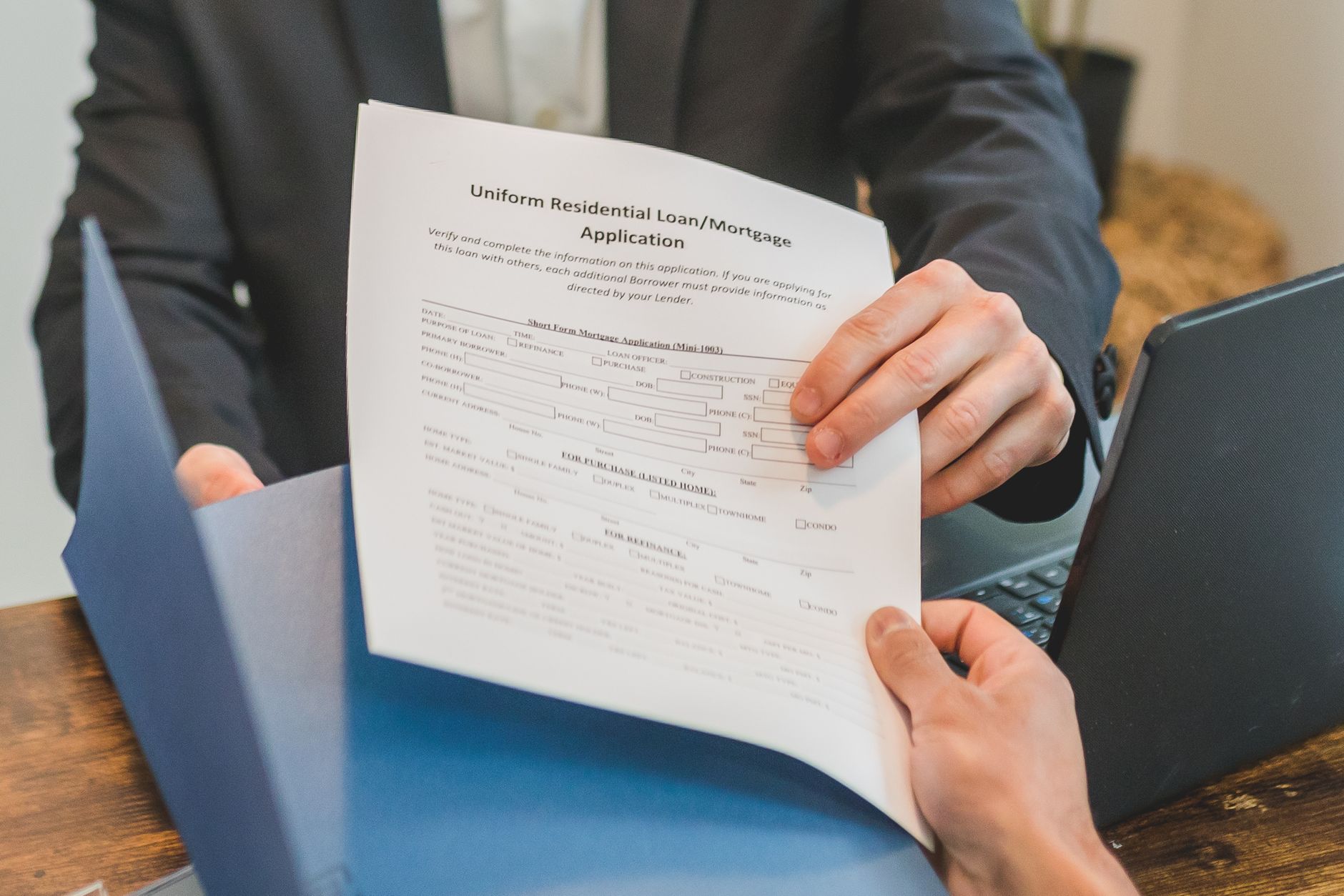
Getting pre-approved for a mortgage in Massachusetts is one of the most important steps any homebuyer can take before touring properties or making offers. Yet countless buyers in 2026 are still walking into the process underprepared, missing key documents, carrying credit scores that trigger automatic rejections, or expecting timelines that simply do not match reality in the current lending environment. This comprehensive checklist will walk you through everything you need, from the exact paperwork lenders demand to the credit preparation strategies that separate approved buyers from rejected ones, along with realistic timeline expectations for the Massachusetts market specifically.
Check your numbers against Boston data
See what share of your income goes to rent, and how your neighborhood compares. Free, no email required.
Need to Repair Your Credit Before Applying?
Sky Blue Credit has helped Americans repair their credit since 1989. If your credit score is holding you back from qualifying for a Boston apartment or mortgage, they are one of the most trusted options in the industry.
Why Pre-Approval Is Non-Negotiable in Massachusetts Right Now
Massachusetts remains one of the most competitive real estate markets in the country. In many Greater Boston neighborhoods and surrounding suburbs, well-priced homes receive multiple offers within days of listing. Sellers and their agents routinely reject offers that arrive without a solid pre-approval letter attached. A pre-qualification, which is an informal estimate based on self-reported data, carries almost no weight in this market. Lenders and sellers want to see that an actual underwriter has reviewed your financials and conditionally committed to funding your loan.
Beyond competition, Massachusetts has specific property types, condo association rules, and local zoning quirks that can complicate financing. Getting pre-approved early means discovering any potential issues before you fall in love with a property you cannot actually finance. If you are still exploring which areas match your lifestyle and budget, the Boston Neighborhood Finder is an excellent resource for narrowing down your target communities before you even approach a lender.
The Complete Massachusetts Mortgage Pre-Approval Document Checklist
Lenders in Massachusetts, whether you are working with a local community bank, a regional credit union, or a national mortgage company, will require a consistent core set of documents. Having all of these organized and ready before you submit your application can shave days or even weeks off the process.
Proof of Identity and Residency
- Government issued photo identification such as a driver’s license or passport
- Social Security number for all borrowers on the application
- Proof of current address, typically a recent utility bill or bank statement
- Green card or visa documentation for non-citizens, along with any relevant immigration paperwork
Income Verification Documents
- W-2 forms from the past two years for all employers
- Federal tax returns for the past two years, including all schedules
- Pay stubs covering the most recent 30 days
- Employer contact information for verification purposes
- If self-employed, profit and loss statements and business tax returns for two years
- Documentation of any rental income, alimony, child support, or Social Security benefits you want counted toward qualifying income
- 1099 forms if you have freelance or contract income
Asset and Bank Documentation
- Two to three months of bank statements for all checking and savings accounts
- Investment and brokerage account statements
- Retirement account statements including 401k and IRA accounts
- Documentation of any gift funds if a family member is contributing to your down payment
- Gift letter signed by the donor confirming the money is not a loan
- Proof of proceeds if you recently sold another property
Debt and Liability Documentation
- Current mortgage statements if you own other property
- Student loan statements showing current balance and monthly payment
- Auto loan documentation
- Credit card statements
- Documentation of any court-ordered payments such as alimony or child support
Additional Massachusetts Specific Documents
- Landlord contact information if you are currently renting, as some lenders verify rental history
- Documentation of any Massachusetts first-time homebuyer program participation if applicable
- Proof of completion for any required homebuyer education courses tied to down payment assistance programs
Credit Score Preparation: What Massachusetts Lenders Actually Look For
Your credit score is not just a number. It is a gatekeeper that determines which loan products you qualify for, what interest rate you receive, and in many cases whether you are approved at all. Understanding what lenders in Massachusetts prioritize can help you prepare strategically rather than just hoping your score is good enough.
Minimum Score Requirements by Loan Type in 2026
Conventional loans backed by Fannie Mae and Freddie Mac generally require a minimum score of 620, though borrowers with scores below 700 will typically pay higher interest rates and may face stricter debt-to-income requirements. FHA loans, which are popular with first-time buyers in Massachusetts due to their lower down payment requirements, allow scores as low as 580 with a 3.5 percent down payment, or as low as 500 with a 10 percent down payment. VA loans for eligible veterans often have no official minimum, but most VA lenders prefer scores of at least 620. Jumbo loans, which are common in Greater Boston and many suburban markets where prices exceed conventional loan limits, typically require scores of 700 or higher, with many lenders preferring 720 or above.
The Five Credit Factors That Matter Most
Payment history accounts for 35 percent of your FICO score and is the single most important factor. Even one 30-day late payment in the past 12 months can raise red flags for underwriters reviewing your file. Credit utilization, which represents how much of your available revolving credit you are using, accounts for 30 percent of your score. Lenders want to see utilization below 30 percent, and scores improve significantly when it drops below 10 percent. Length of credit history, types of credit in use, and recent hard inquiries make up the remaining 45 percent.
If you want to actively monitor and improve your credit before applying, SmartCredit offers tools that give you real time access to your credit data, alerts for changes to your profile, and actionable recommendations for improving your score before you approach lenders.
Credit Preparation Steps to Take 90 Days Before Applying
- Pull your credit reports from all three bureaus and dispute any errors in writing
- Pay down revolving balances to reduce utilization below 30 percent on all cards
- Avoid opening new credit accounts or making large purchases on credit
- Do not close old accounts even if you do not use them, as this affects both utilization and length of history
- Make every single minimum payment on time without exception
- If you have collections accounts, consult with your loan officer before paying them off, as some payoff actions can temporarily lower your score
Realistic Timeline Expectations for Massachusetts Pre-Approval in 2026
One of the most common frustrations buyers face is the gap between what they expect and what actually happens in the timeline. Massachusetts lenders have specific capacity constraints, and the overall mortgage environment in 2026 has introduced new verification requirements that add processing time.
The Standard Pre-Approval Timeline Broken Down
Document submission to initial review typically takes one to three business days if your file is complete when submitted. Underwriter review adds another two to five business days under normal volume conditions. If the underwriter issues a conditional approval, which is extremely common, responding to conditions and receiving a final decision can add another three to seven business days depending on how quickly you supply requested items. From start to finish, a realistic timeline for a straightforward file with all documents ready is five to ten business days. Complex files, self-employed borrowers, or applicants with multiple income sources or prior credit events can take two to four weeks.
What Happens After You Receive Pre-Approval
Pre-approval letters in Massachusetts are typically valid for 60 to 90 days. If your search extends beyond that window, you will need to refresh your approval, which usually requires updated pay stubs, bank statements, and a new credit pull. Keep all your documents organized in a folder you can access quickly. Checking current market trends with resources like Boston Housing Data can help you understand whether your pre-approved budget aligns with what is actually selling in your target neighborhoods.
What Lenders Are Looking For Beyond the Numbers
Experienced mortgage underwriters in Massachusetts are trained to look at your overall financial story, not just isolated numbers. Understanding their perspective helps you anticipate questions and prepare your file proactively.
Employment Stability and Income Continuity
Lenders prefer a consistent two year employment history with the same employer or at minimum within the same field. Job changes within the same industry are generally acceptable, but gaps in employment require written explanation letters. Starting a new job shortly before applying is not automatically disqualifying, but it does require additional documentation and explanation. Hourly workers and those with variable compensation need to demonstrate that their average income over 24 months is stable or growing.
Debt to Income Ratio Standards
Your debt to income ratio, calculated by dividing your total monthly debt obligations by your gross monthly income, is one of the most heavily weighted factors in underwriting. For conventional loans, most lenders prefer a back-end DTI below 43 percent, though automated underwriting systems can sometimes approve up to 50 percent with compensating factors. FHA guidelines allow up to 57 percent in some cases, but higher DTI ratios almost always result in scrutiny of other file elements.
Source of Down Payment Funds
Every dollar of your down payment needs a traceable paper trail. Large deposits appearing in your bank account within the past 60 to 90 days will require explanation and documentation. Cash that has been sitting in your account for a long time with clear transaction history is far easier to document than recently transferred or gifted funds. If you are using gift money, the process involves both a signed gift letter and documentation showing the transfer from the donor’s account to yours.
Common Rejection Reasons and How to Avoid Them
Understanding why applications get denied is just as valuable as knowing what gets them approved. The following rejection triggers are the most common ones Massachusetts lenders report seeing in 2026.
Are You a Licensed MA Real Estate Agent?
List your Boston rentals and properties free on Homzora. Zero fees. Zero commissions. Direct leads sent to you.
Insufficient Credit History or Thin Files
Buyers who have avoided credit entirely or have only one or two accounts often have scores that cannot be generated at all or fall below lender minimums. Building credit by adding a secured card, becoming an authorized user on a family member’s account, or using a credit builder loan at least 12 to 18 months before applying can resolve this issue.
Undisclosed Debts and Liabilities
Many applicants forget to mention co-signed loans, informal obligations, or recently opened accounts. Underwriters order final credit checks just before closing, and newly discovered debts can derail an approved loan at the last minute. Full transparency from the beginning protects you and your transaction.
Property Related Rejections
Sometimes the borrower qualifies but the property does not. Condos in Massachusetts have specific warrantability requirements, meaning the condo association’s finances, owner-occupancy ratio, and insurance coverage all affect loan eligibility. Some older buildings with deferred maintenance or special assessments can also create financing complications. If you are purchasing a condo or a property with unusual characteristics, raise these questions with your lender early.
Are You a Licensed MA Real Estate Agent?
List your Boston rentals and properties free on Homzora. Zero fees. Zero commissions. Direct leads sent to you.
Self-Employment Income Complexity
Self-employed borrowers are more frequently rejected because lenders use the lower of adjusted gross income shown on tax returns rather than gross revenue. Business deductions that reduce tax liability also reduce qualifying income for mortgage purposes. Working with a tax professional to understand this tradeoff before applying is essential.
How to Speed Up Your Pre-Approval in Massachusetts
There are concrete steps you can take to accelerate the process beyond simply gathering documents quickly.
Use Digital Document Submission
Most Massachusetts lenders now offer secure online portals for document upload. Submitting clear, complete PDF files rather than photographs of paper documents reduces back and forth requests and speeds up processing significantly. Organize documents clearly labeled by category before uploading.
Respond to Conditions Within 24 Hours
When an underwriter issues a conditional approval with a list of outstanding items, your response time directly controls the clock. Buyers who respond within 24 hours of receiving condition requests routinely close faster than those who take several days per response. Treat condition responses with the same urgency as a job application.
Choose the Right Lender for Your Situation
Not all lenders are equally efficient. Local Massachusetts credit unions and community banks often offer more personalized processing and faster turnaround times for straightforward loans. Large national lenders may offer competitive rates but can have longer processing queues. Ask potential lenders about their average time from complete application to pre-approval decision before committing to one.
Prepare Your Future Property Paperwork Early
Special Considerations for First-Time Buyers in Massachusetts
Massachusetts offers several programs specifically designed to help first-time buyers, including MassHousing loans, the ONE Mortgage Program through the Massachusetts Housing Partnership, and various municipal down payment assistance grants. These programs have their own eligibility requirements, income limits, and property restrictions. Applying through these programs can add processing time compared to conventional mortgage applications, so build extra weeks into your timeline if you plan to pursue any of these options.
Income limits for most Massachusetts first-time buyer programs in 2026 vary by county and household size. In Greater Boston, household income limits are generally higher than in western Massachusetts, reflecting the regional cost of living differences. Completing a HUD-approved homebuyer education course is required for most of these programs, and many buyers find the coursework genuinely useful for understanding the full scope of homeownership costs beyond the mortgage payment itself.
Maintaining Your Financial Profile Between Pre-Approval and Closing
One of the most costly mistakes buyers make is treating pre-approval as the finish line rather than a checkpoint. Between pre-approval and closing, your financial profile continues to be monitored. Lenders typically run a second credit check in the days before closing. Any new debt, job changes, or large financial transactions during this period can jeopardize your final approval. Avoid financing furniture, appliances, or vehicles during this window. Keep your bank balances stable and avoid transferring money between accounts in ways that cannot be clearly documented.
The Massachusetts real estate transaction timeline from accepted offer to closing typically runs 30 to 45 days for conventional financing and 45 to 60 days for FHA or state program loans. Understanding this timeline helps you maintain financial discipline for the right duration without unnecessary anxiety.
Start Your Massachusetts Homebuying Journey with Confidence
The mortgage pre-approval process in Massachusetts rewards preparation above everything else. Buyers who arrive at the lender’s door with complete documentation, a well-prepared credit profile, and realistic timeline expectations consistently outperform those who approach the process hoping for the best.
Stay Ahead of the Boston Market
Monthly insights on Boston rents, home tips, and investment opportunities delivered free to your inbox.
Improve Your Credit Score Fast
Boost your credit score faster with Tradeline Supply Company. Become an authorized user on seasoned credit accounts to improve your score before renting in Boston.
Boston Home Financing
Compare current mortgage rates from 300+ lenders nationwide. Find the best rate for your Boston home purchase or refinance.
Related Boston Housing Resources
📚 Related Reading on Homzora
📋 Free: The Boston Renter’s Move-In Rights Checklist
What landlords can legally charge, the 2025 broker-fee rule, and your deposit rights — one printable page.
Download the checklist (PDF) → — and subscribe for the quarterly Boston Renter Report:
Related posts