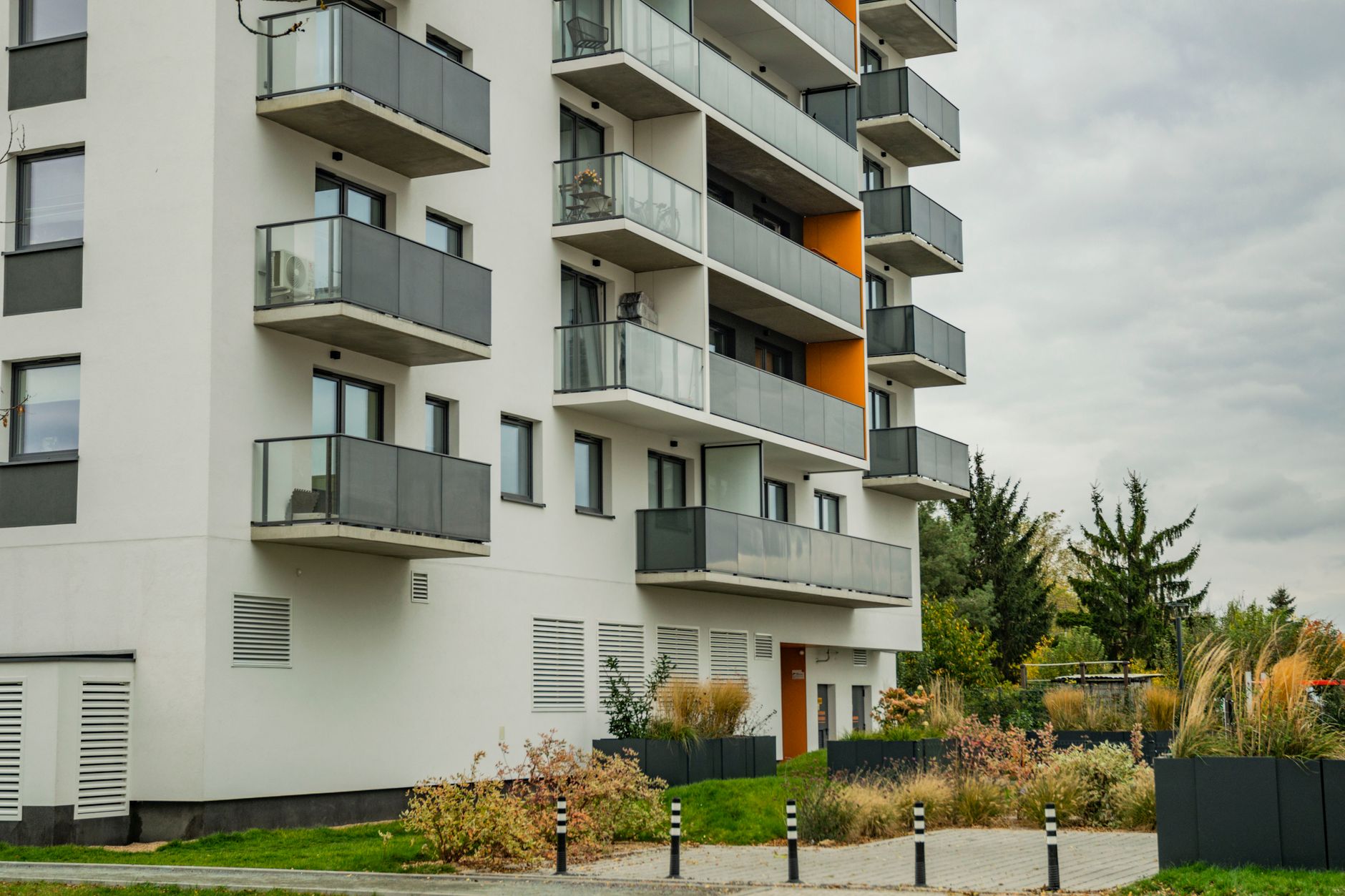
Owning rental property in Boston is one thing. Running it like a business is something else entirely. Most landlords in this city focus obsessively on financing, cap rates, and acquisition strategies, then completely underestimate what it actually takes to keep a multi-family portfolio generating consistent income month after month. The truth is, the operational side of property management determines whether your investment thrives or quietly bleeds money through vacancy losses, maintenance disasters, and tenant turnover. This guide is built specifically for Boston landlords who want to tighten their operations, reduce friction, and build a rental business that runs with real efficiency in 2026.
Boston Renter Intelligence Survey
How does your rent compare?
Add your numbers and get an instant read on what share of your income goes to rent, measured against what Boston renters actually report. You will also get the Q3 report free on October 7.
See how your rent compares →Why Operations Matter More Than Acquisition in 2026
Boston’s rental market remains one of the most competitive and complex in the entire country. Landlords who master the operational side of their portfolio consistently outperform those who focus only on buying more properties. A single prolonged vacancy in a Boston two-family or three-family can erase months of positive cash flow. A single bad tenant can cost you thousands in legal fees, lost rent, and property damage. Getting the management fundamentals right is not optional. It is the foundation of a profitable portfolio.
Before diving into specific systems, it helps to understand the neighborhood-level dynamics that shape your management strategy. Tenant expectations, rent price sensitivity, and vacancy patterns vary significantly across Boston’s distinct neighborhoods. Reviewing current data through the Boston Neighborhood Finder gives you a clear picture of which areas command premium rents, where vacancy rates trend higher, and how to position your units competitively for long-term retention.
Building a Bulletproof Tenant Screening Process
Nothing protects your investment more than placing the right tenant from the beginning. Tenant screening is the single most important operational decision you make, and cutting corners here creates problems that can take years to resolve. A structured, consistent, and legally compliant screening process is not just good practice. It is essential protection.
What a Complete Screening Process Looks Like
A thorough tenant screening process includes income verification, employment confirmation, credit history review, rental history checks, and criminal background screening where permitted by Massachusetts law. Boston landlords must be particularly careful about Fair Housing compliance and the city’s specific regulations around tenant screening criteria. Document every step of your process and apply the same standards to every applicant without exception.
Income Standards and Rental History Verification
The general standard for income qualification is that a tenant’s gross monthly income should be at least three times the monthly rent. In Boston, where rents are high relative to median income, this standard can be challenging to apply rigidly, but it remains a meaningful benchmark. Always verify income documentation directly. Pay stubs, tax returns, and employer letters are the most reliable sources. For self-employed applicants, require two years of tax returns and bank statements.
Rental history verification is equally critical. Call previous landlords directly, not just the most recent one. Ask specific questions about payment habits, property care, lease compliance, and whether they would rent to this person again. A pattern of late payments, neighbor complaints, or lease violations is a serious red flag regardless of how well an applicant presents in person.
Rent Collection Systems That Eliminate Friction
Inconsistent rent collection is one of the most avoidable sources of cash flow problems for Boston landlords. When tenants pay late, pay partially, or pay inconsistently, it creates a cycle of stress, confrontation, and lost income. Building a professional rent collection system eliminates most of these problems before they start.
Going Digital for Reliable Payment Processing
Digital rent collection through platforms like Buildium, AppFolio, Avail, or Cozy gives tenants a convenient and reliable payment method while giving landlords automated reminders, payment tracking, and real-time reporting. Autopay enrollment should be strongly encouraged at lease signing. When tenants set up autopay, late payments drop dramatically because the system handles the transaction without requiring any action from the tenant on the due date.
Establish a clear rent collection policy in writing and include it explicitly in your lease agreement. Specify the due date, the grace period if any, the exact late fee amount, and the process that follows non-payment. Massachusetts law governs late fees and eviction procedures, so your policy must comply with state and local regulations. A professionally drafted lease is your primary legal protection, and using a resource like LawDepot Lease Agreement ensures your document covers all critical terms in a format that holds up legally.
Late Payment Protocol
When rent is not received by the end of the grace period, the response should be immediate and consistent. Send a written notice the same day. Follow up with a phone call or text within 24 hours. Document every communication. If payment is not received within a few days of the notice, issue a formal demand for payment according to Massachusetts law. Consistency matters here because tenants learn quickly what level of follow through to expect from their landlord. A firm, professional, and documented process communicates that late payment is not acceptable and protects your legal position if eviction becomes necessary.
Maintenance Scheduling and the Real Cost of Deferred Repairs
Reactive maintenance is the most expensive way to manage a rental property. Waiting until something breaks, then scrambling to find a contractor, pay emergency rates, and deal with a frustrated tenant costs far more over time than a systematic preventive maintenance program. Boston properties, many of which are older three-deckers and historic buildings, require consistent attention to mechanical systems, exterior elements, and seasonal maintenance needs.
Building a Preventive Maintenance Calendar
A well-organized maintenance calendar addresses seasonal needs systematically throughout the year. Spring is the time for exterior inspections, gutter cleaning, roof checks after winter, and HVAC filter replacements before cooling season. Summer focuses on landscaping, exterior painting if needed, and addressing any pest prevention measures before fall. Fall preparation is critical in Boston, covering heating system inspections and tune-ups, weatherstripping and caulking around windows and doors, and ensuring that snow removal plans are in place before the first storm. Winter maintenance focuses on monitoring for ice dams, responding quickly to heating issues, and checking for pipe vulnerability in unheated spaces.
Protecting Your Investment with a Home Warranty
Vendor Relationships and Response Time Standards
Every serious Boston landlord needs a reliable network of vetted contractors across the key trades: plumbing, electrical, HVAC, carpentry, and general maintenance. Building these relationships before emergencies happen means you are never scrambling for someone available at midnight on a Friday when a pipe bursts. Set clear expectations with vendors about response times, pricing, and communication standards. Establish what constitutes an emergency response, what falls into a next-day category, and what can be scheduled during a routine visit. Documenting all maintenance requests and completions protects you legally and helps you track patterns that might indicate larger systemic problems in a unit or building.
Vacancy Reduction Strategies That Actually Work
In a city like Boston, even a single month of vacancy on a two-bedroom unit at market rent represents a significant revenue loss. Vacancy reduction is not about filling units with any tenant at any price. It is about building a system that minimizes the time between tenancies through proactive leasing, competitive positioning, and strong tenant retention.
Are You a Licensed MA Real Estate Agent?
List your Boston rentals and properties free on Homzora. Zero fees. Zero commissions. Direct leads sent to you.
Timing Your Lease Cycles to Boston’s Rental Market
Boston’s rental market has distinct seasonal patterns. The late summer turnover driven by university activity creates high demand from August through October, while winter months are generally slower. Structuring your lease cycles to end in late spring or summer whenever possible puts you in the strongest leasing position. If a tenant gives notice mid-winter, offer a short-term extension to align their departure with peak demand. The rent premium you can command during a summer lease-up often justifies the cost of a brief extension incentive.
Presentation and Marketing Matter More Than You Think
Professional listing photos, accurate and well-written descriptions, and presence across major rental platforms are table stakes for competitive Boston landlords. Units that are clean, freshly painted, and presented professionally rent faster and attract better applicants. Even small cosmetic investments before listing, updated fixtures, clean grout, repaired surfaces, can significantly shorten your vacancy period. Studying the Boston Housing Data helps you price accurately for current market conditions so your unit is competitive without leaving rent on the table.
Lease Renewal Strategy for Long-Term Tenant Retention
Tenant turnover is expensive. Between vacancy loss, cleaning, repairs, listing costs, and the time investment of screening new applicants, losing a good tenant costs the equivalent of one to two months of rent in most cases. A proactive lease renewal strategy is one of the highest-return activities a landlord can invest in.
Starting the Renewal Conversation Early
Begin the renewal conversation at least 90 days before the lease end date. This gives both parties time to discuss terms, make decisions, and avoid last-minute scrambling. If you plan to raise rent, communicate the increase early and frame it in terms of market conditions. Showing a tenant that you are a professional, responsive, and fair landlord throughout their tenancy makes them far more likely to accept a modest rent increase rather than go through the hassle of moving.
What Tenants Actually Want
Long-term tenants value stability, responsiveness, and respect. They want to know that maintenance requests will be addressed promptly, that their landlord communicates clearly, and that they are treated as responsible adults. Small gestures matter. A thank you note at renewal, prompt follow through on repair requests, and clear communication about any changes to policies or building procedures all contribute to a tenant experience that builds loyalty. High tenant satisfaction is the most effective vacancy reduction tool available.
Property Management Software for Boston Landlords
Managing a multi-family portfolio without dedicated software in 2026 is like running an accounting department without a spreadsheet. Property management software centralizes your rent collection, maintenance tracking, tenant communication, lease storage, and financial reporting into a single platform that saves time and reduces errors.
Choosing the Right Platform for Your Portfolio Size
For landlords managing between one and ten units, platforms like Avail, TurboTenant, or Rentec Direct offer strong functionality at reasonable price points. For portfolios of 10 to 50 units, Buildium and AppFolio provide more robust reporting, owner portals, and maintenance workflow tools. Larger portfolios benefit from the advanced features of platforms like Yardi or MRI Software. The key is choosing a platform that you will actually use consistently, because the data and documentation it generates are only valuable if kept current.
Look for software that includes online rent collection, maintenance request tracking, lease management, applicant screening integration, and financial reporting at minimum. The time savings from automation alone typically justify the subscription cost within the first few months of use.
When to Hire a Property Management Company Versus Self Managing
This is the question every growing Boston landlord eventually faces, and the honest answer is that it depends on your time availability, portfolio size, proximity to your properties, and personal tolerance for the day-to-day demands of tenant management.
The Case for Self Management
Self managing your properties gives you direct control over tenant relationships, maintenance quality, and financial decisions. You keep the management fee, typically 8 to 12 percent of gross rents in the Boston market, which adds up significantly across a multi-unit portfolio. If you have the time, live near your properties, and enjoy the hands-on aspect of building a rental business, self management can be highly rewarding and financially advantageous. The key is building systems, not just doing tasks. Landlords who self manage successfully treat it as a business operation with documented processes, not a series of reactive responses to tenant calls.
The Case for Hiring a Property Management Company
Professional property management makes sense when your portfolio grows beyond what you can handle personally, when you own properties far from your primary residence, or when the operational demands are pulling you away from higher-value activities. A good property management company brings established vendor relationships, legal compliance expertise, professional leasing infrastructure, and dedicated staff for tenant communication. The cost is real, but so is the value of reclaiming your time and reducing the emotional burden of hands-on management.
When evaluating PM companies in Boston, ask specifically about their tenant screening standards, average days-to-lease for vacant units, maintenance response time expectations, and their process for handling non-payment. Request references from current clients with portfolios similar to yours in size and property type.
Putting It All Together for a Profitable Boston Portfolio
The difference between a Boston landlord who struggles and one who builds genuine long-term wealth from rental property almost always comes down to operations. Tight tenant screening, reliable rent collection systems, proactive maintenance, strong lease renewal habits, and the right technology infrastructure create a foundation that makes everything else work better. These are not complicated concepts, but they require consistent implementation and a genuine commitment to treating your rental business like a business.
Whether you manage two units or twenty, the principles in this guide apply directly to your situation. Start by identifying the weakest link in your current operation and building a better system around it. Improve one process at a time, document what works, and build from there.
For expert guidance on Boston’s multi-family market, neighborhood-level investment analysis, and connecting with professionals who understand the operational realities of managing rental property in this city, visit Homzora. Whether you are building your first portfolio or optimizing an existing one, the team at Homzora is ready to help you manage smarter and invest with confidence in 2026 and beyond.
Stay Ahead of the Boston Market
Monthly insights on Boston rents, home tips, and investment opportunities delivered free to your inbox.
Related Boston Housing Resources