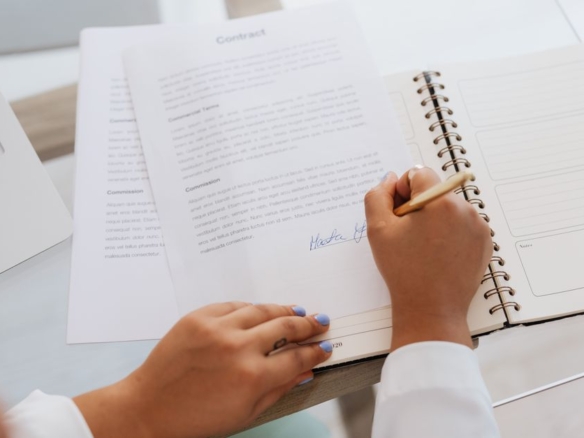
Boston’s rental market continues to evolve rapidly, and subletting remains one of the most misunderstood areas of tenant and landlord law in Massachusetts. Whether you are a renter looking to temporarily vacate your apartment or a property owner trying to protect your investment, understanding Boston subletting laws in 2026 is absolutely essential. This guide breaks down everything you need to know, from legal definitions to tenant rights, landlord obligations, and practical steps for navigating the subletting process smoothly and lawfully.
Boston Renter Intelligence Survey
How does your rent compare?
Add your numbers and get an instant read on what share of your income goes to rent, measured against what Boston renters actually report. You will also get the Q3 report free on October 7.
See how your rent compares →Check your numbers against Boston data
See what share of your income goes to rent, and how your neighborhood compares. Free, no email required.
What Is Subletting and Why Does It Matter in Boston?
Subletting, also called subleasing, occurs when an existing tenant rents out their leased unit to another person, known as the subtenant, while the original lease agreement remains active. The original tenant, often called the sublessor, retains legal responsibility for the lease terms, including rent payments and property care, even while someone else occupies the unit.
In Boston, subletting matters for several important reasons. The city has one of the most competitive rental markets in the United States, with vacancy rates frequently sitting below five percent. Graduate students, medical professionals on short rotations, remote workers relocating temporarily, and military personnel all regularly seek subletting arrangements. At the same time, landlords face legitimate concerns about unauthorized occupants, property damage, and lease violations. Understanding the law protects everyone involved.
Massachusetts State Law on Subletting
Massachusetts General Laws Chapter 186 governs landlord and tenant relationships throughout the state, including subletting arrangements. Unlike some states that grant automatic subletting rights to tenants, Massachusetts takes a more nuanced approach that depends heavily on what is written in the lease agreement itself.
The Default Legal Position
Under Massachusetts law, tenants generally do not have an automatic right to sublet unless their lease explicitly permits it or the landlord provides written consent. If a lease is silent on subletting, tenants are technically prohibited from subletting without landlord approval. Courts in Massachusetts have consistently upheld this interpretation, meaning that a tenant who sublets without permission risks eviction for breach of lease.
Lease Terms Control the Outcome
Because lease terms are so critical, both tenants and landlords should ensure that any rental agreement clearly addresses subletting policies. A professionally drafted lease agreement, such as one created through LawDepot Lease Agreement, can specify exactly what is permitted, what requires approval, and what constitutes a violation. Clarity in the original document prevents disputes that can become costly and time consuming for both parties.
Boston Specific Subletting Regulations in 2026
Beyond state law, Boston renters and landlords must pay attention to local ordinances and updates that took effect heading into 2026. The City of Boston has strengthened renter protections in recent years, and certain provisions directly affect subletting situations.
Boston Rental Registry and Short Term Rentals
Boston’s short term rental ordinance, originally passed in 2018 and updated since, distinguishes between traditional subletting and short term rental platforms such as Airbnb. In 2026, operating a unit on a short term rental platform without proper registration with the City of Boston remains illegal for non owner occupied properties. Tenants who attempt to use subletting as a workaround for operating an unregistered short term rental face both eviction and potential fines from the city.
Traditional subletting, meaning renting your apartment to a single subtenant for an extended period while you are temporarily away, is treated separately under city policy. However, any such arrangement still requires compliance with the underlying lease terms and landlord approval when required.
Just Cause Eviction Protections
Boston has been actively discussing and incrementally implementing stronger just cause eviction protections. In 2026, landlords seeking to evict tenants for unauthorized subletting must still follow proper legal procedures, including providing written notice and allowing a reasonable cure period in many circumstances. Retaliatory evictions, where a landlord attempts to remove a tenant for exercising legal rights, remain prohibited under Massachusetts law.
Fair Housing Considerations
Landlords who approve or deny subletting requests must do so in a non discriminatory manner. Denying a subletting request based on the prospective subtenant’s race, national origin, familial status, disability, religion, sex, sexual orientation, or source of income violates both federal fair housing law and Massachusetts law. Landlords should apply consistent, written criteria when evaluating subletting applications.
Tenant Rights When It Comes to Subletting
Tenants in Boston have specific rights that protect them when navigating subletting situations, even when their lease requires landlord approval.
Landlord Cannot Unreasonably Withhold Consent
While Massachusetts law does not give tenants a universal right to sublet, courts have generally held that landlords cannot unreasonably withhold consent when a lease requires approval for subletting. If a landlord denies a subletting request without a legitimate business reason, a tenant may have legal recourse. Acceptable reasons for denial include poor credit history of the proposed subtenant, prior eviction records, or a demonstrated inability to pay rent.
Tenant Remains Legally Responsible
One of the most important concepts for tenants to understand is that subletting does not relieve the original tenant of their lease obligations. If the subtenant fails to pay rent, causes property damage, or violates lease terms, the original tenant is still legally liable to the landlord. This means that tenants who sublet take on significant legal and financial risk and should carefully screen any subtenant they bring in.
Written Sublease Agreements Are Essential
Tenants who proceed with an approved subletting arrangement should always use a formal written sublease agreement. This document should specify the rental amount, payment due dates, the duration of the sublease, rules regarding property use, and what happens if the sublease ends early. A clearly written sublease protects the original tenant from disputes with the subtenant and creates a legally enforceable agreement if problems arise.
Landlord Rights and Responsibilities in Boston Subletting Cases
Landlords also have important rights and responsibilities when a tenant requests permission to sublet.
Reviewing and Approving Subtenants
Landlords who require approval before a subtenant moves in have the right to conduct a reasonable tenant screening process. This typically includes reviewing the prospective subtenant’s rental history, employment status, income verification, and credit profile. Establishing a consistent screening policy in writing reduces the risk of fair housing complaints and ensures that all applicants are evaluated on the same objective criteria.
Protecting the Property
Lease Clauses That Protect Landlords
Landlords can protect themselves by including detailed subletting provisions in the original lease. Such provisions can require advance written notice before any subletting request, specify the documentation the tenant must submit, establish a timeline for the landlord’s response, and include consequences for unauthorized subletting. Working with a legal document platform ensures these clauses are properly drafted and enforceable under Massachusetts law.
Are You a Licensed MA Real Estate Agent?
List your Boston rentals and properties free on Homzora. Zero fees. Zero commissions. Direct leads sent to you.
Step by Step Guide to Subletting in Boston
For tenants who want to sublet their Boston apartment legally and successfully, following a clear process is critical.
Step One: Review Your Lease
Before taking any other action, carefully read your lease agreement from start to finish. Look for any clauses that address subletting, assignment of the lease, or occupancy by non tenants. Note whether the lease prohibits subletting entirely, requires landlord approval, or places any conditions on the practice.
Step Two: Request Written Permission
If your lease requires landlord approval, submit a formal written request. Your request should include your reason for subletting, the proposed duration of the sublease, and information about the person you intend to sublet to. Keep a copy of your request and any response you receive.
Step Three: Screen Your Subtenant
Take the subtenant screening process seriously. Request proof of income, references from prior landlords, and authorization to run a credit check. Remember that you remain responsible for the unit, so you have a strong personal interest in choosing a responsible and financially stable subtenant.
Step Four: Draft a Formal Sublease Agreement
Once your landlord approves the arrangement, create a legally sound sublease agreement in writing. Make sure the document covers rent amounts, payment schedules, the start and end date of the sublease, rules about guests and noise, and the procedure for ending the sublease early if necessary.
Step Five: Document the Unit’s Condition
Before the subtenant moves in, conduct a thorough walkthrough of the unit and document its condition with photos and a written checklist. This protects you from being held responsible for damage that the subtenant causes, and it gives the subtenant a clear record of the property’s pre move in state.
Are You a Licensed MA Real Estate Agent?
List your Boston rentals and properties free on Homzora. Zero fees. Zero commissions. Direct leads sent to you.
Common Subletting Mistakes to Avoid
Both tenants and landlords frequently make avoidable mistakes when dealing with subletting situations in Boston.
- Subletting without reading the lease first and assuming it is permitted by default
- Failing to get landlord approval in writing, even if the landlord verbally agrees
- Using an informal or verbal sublease agreement that cannot be enforced in court
- Neglecting to screen the subtenant and ending up responsible for unpaid rent or property damage
- Confusing traditional subletting with operating a short term rental platform, which has separate and stricter regulations in Boston
- Landlords refusing subletting requests for discriminatory reasons without documentation of a legitimate business basis
- Failing to notify the landlord’s insurance carrier or home warranty provider of the change in occupancy
How Boston Neighborhoods Affect Subletting Dynamics
Subletting norms and challenges can vary meaningfully depending on which Boston neighborhood a property is located in. Areas near universities such as the Fenway, Allston, and Brighton neighborhoods see high demand for short term subletting arrangements tied to academic calendars. Properties in the South End, Back Bay, and Beacon Hill tend to attract professionals who may need temporary subletting solutions due to work related relocations. Understanding neighborhood specific rental trends helps both tenants and landlords make more informed decisions.
If you are trying to understand how subletting activity fits into the broader rental landscape across the city, exploring the Boston Neighborhood Finder can help you identify which areas have the most active rental markets and how local demand shapes subletting opportunities. Combined with current market statistics from Boston Housing Data, you gain a comprehensive picture of where and how subletting fits into Boston’s 2026 real estate environment.
What Happens When Subletting Goes Wrong
Despite best efforts, subletting arrangements sometimes break down. Understanding your options in these situations is important for both tenants and landlords.
If the Subtenant Stops Paying Rent
When a subtenant fails to pay rent, the original tenant remains responsible for making full rent payments to the landlord. The original tenant must then pursue the subtenant independently for unpaid amounts owed under the sublease agreement. This is why having a formal written sublease and screening the subtenant carefully is so critical before the arrangement begins.
If the Subtenant Damages the Property
Damage caused by a subtenant is initially the responsibility of the original tenant in the eyes of the landlord. The original tenant can seek compensation from the subtenant under the sublease agreement and may withhold part or all of the security deposit collected from the subtenant to cover repair costs, subject to Massachusetts security deposit laws.
Evicting an Unauthorized Subtenant
Landlords who discover an unauthorized subtenant may pursue eviction of the original tenant for lease violation. The eviction process in Massachusetts requires proper written notice and, in many circumstances, a reasonable opportunity to cure the violation. Working with a real estate attorney familiar with Boston landlord tenant law is strongly recommended in these situations.
Looking Ahead: Subletting Trends in Boston for 2026 and Beyond
As remote work continues to reshape where and how people live, demand for flexible rental arrangements including subletting is likely to increase in Boston. At the same time, city regulators are becoming more sophisticated in distinguishing between legitimate subletting and commercial short term rental activity. Tenants and landlords who stay informed about evolving regulations and maintain clear, legally sound documentation will be best positioned to navigate these changes successfully.
Technology will also play a growing role. Smart home devices, digital lease platforms, and online credit screening tools are making it easier than ever to manage subletting arrangements professionally and transparently. Landlords and tenants who embrace these tools can reduce misunderstandings and protect themselves from costly disputes.
Final Thoughts
Boston subletting law in 2026 reflects the balance between protecting tenants who need flexibility and giving landlords the security of knowing their property is being properly managed. Whether you are a tenant exploring your options or a landlord setting policies for your rental units, understanding the law is not optional, it is essential. Take the time to review your lease, communicate openly with the other party, use professional documentation tools, and screen carefully before any subletting arrangement begins.
For more resources on Boston’s rental market, neighborhood trends, and housing data, visit homzorarealty.com today. Homzora is committed to helping Boston tenants and landlords navigate one of the most complex and dynamic real estate markets in the country with confidence, clarity, and expertise.
Stay Ahead of the Boston Market
Monthly insights on Boston rents, home tips, and investment opportunities delivered free to your inbox.
Recommended for Boston Property Owners
Upgrade your Boston rental property with a reliable automatic gate opener. Easy installation, app control, and built for New England weather.
Premium Furniture for Your Boston Home
Elevate your Boston apartment or home with HERNEST modern furniture. Timeless designs built to last with fast delivery to Greater Boston.
Data sources and methodology
Rent data compiled from publicly available sources including the U.S. Census Bureau American Community Survey, Massachusetts Association of Realtors, Zillow Research, CoStar Group, and MBTA ridership reports. Neighborhood statistics reflect current market conditions as of 2026. Figures are estimates based on available market data and should be used for informational purposes. For precise current listings and pricing contact a licensed Massachusetts real estate professional.
Related Boston Housing Resources
📚 Related Reading on Homzora
📋 Free: The Boston Renter’s Move-In Rights Checklist
What landlords can legally charge, the 2025 broker-fee rule, and your deposit rights — one printable page.
Download the checklist (PDF) → — and subscribe for the quarterly Boston Renter Report:
Related posts