Boston has long been one of the most sought after rental markets in the United States, and studio apartments remain the top choice for students, young professionals, and urban dwellers who want to live close to the city’s vibrant core. As we move into 2026, the Boston studio apartment landscape continues to evolve, with new developments rising across several neighborhoods and rental prices shifting in response to demand, inflation, and transportation improvements. Whether you are relocating to Boston for work, school, or a fresh start, understanding where to look and what to expect in terms of pricing can save you both time and money. This guide from Homzora breaks down the best neighborhoods for studio apartments in Boston in 2026, along with average price ranges, lifestyle considerations, and practical tips for securing the right unit.
Boston Renter Intelligence Survey
How does your rent compare?
Add your numbers and get an instant read on what share of your income goes to rent, measured against what Boston renters actually report. You will also get the Q3 report free on October 7.
See how your rent compares →Check your numbers against Boston data
See what share of your income goes to rent, and how your neighborhood compares. Free, no email required.
Why Studio Apartments in Boston Remain a Smart Choice in 2026
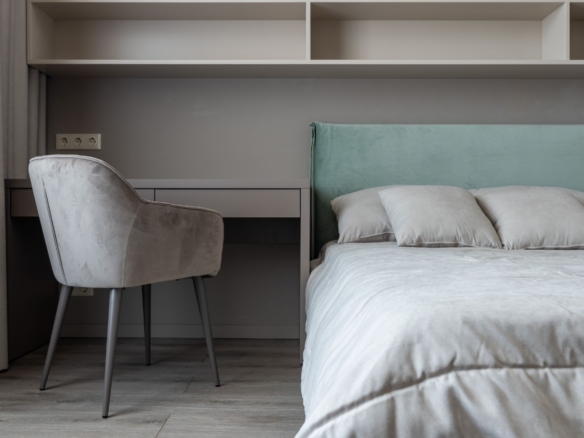
The appeal of studio apartments in Boston has never been stronger. With the cost of living continuing to climb across all housing categories, studios offer a practical solution for renters who want proximity to downtown amenities without stretching their budgets beyond reason. In 2026, studios are no longer just small, bare bones spaces. Many new developments feature smart layouts, modern finishes, and access to shared amenities like rooftop decks, coworking lounges, and fitness centers.
Boston’s public transit system, known as the MBTA, remains a critical factor in apartment hunting. Living near a Green Line, Red Line, or Orange Line stop dramatically expands a renter’s commuting options and often justifies paying slightly higher rent for a well located studio. Beyond commuting, Boston’s walkable neighborhoods, world class dining scene, cultural institutions, and outdoor spaces make studio living genuinely enjoyable rather than just a financial compromise.
The Best Boston Neighborhoods for Studio Apartments in 2026
Boston is a city of distinct neighborhoods, each with its own character, price point, and renter demographic. Below is a detailed look at the top neighborhoods for studio apartments heading into 2026, including what makes each area appealing and what renters can expect to pay.
Back Bay
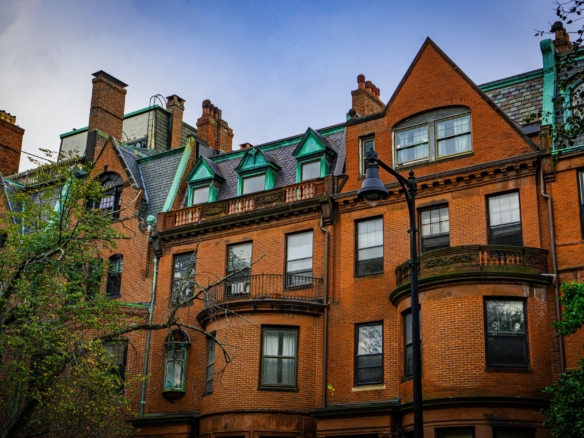
Back Bay remains one of Boston’s most prestigious neighborhoods, known for its iconic brownstone architecture, Newbury Street shopping, and direct access to the Charles River Esplanade. Studio apartments in Back Bay in 2026 typically range from $2,400 to $3,200 per month, making it one of the pricier options in the city. However, the neighborhood’s unmatched walkability, access to multiple Green Line stops, and overall quality of life make it a justifiable expense for those who can afford it.
South End
The South End has cemented its reputation as one of Boston’s most dynamic and culturally rich neighborhoods. With a thriving arts scene, acclaimed restaurants, and a diverse community, it attracts renters who want energy and character in their surroundings. Studio apartments in the South End in 2026 average between $2,200 and $2,900 per month.
Fenway and Kenmore
The Fenway and Kenmore neighborhoods attract a diverse mix of students from Boston University, Berklee College of Music, and Northeastern University, as well as young professionals and healthcare workers from the nearby Longwood Medical Area. Studio apartments in this area in 2026 range from $1,900 to $2,600 per month, making it one of the more affordable options for renters who still want convenient city access.
The area has seen significant development over the past several years, with new apartment towers offering studio units equipped with modern kitchens, in unit laundry, and rooftop amenities. The proximity to Fenway Park, the Museum of Fine Arts, and the Back Bay Fens park system adds a layer of recreational and cultural appeal that many renters find invaluable. Green Line access at multiple stops keeps commute times manageable throughout the week.
Allston and Brighton
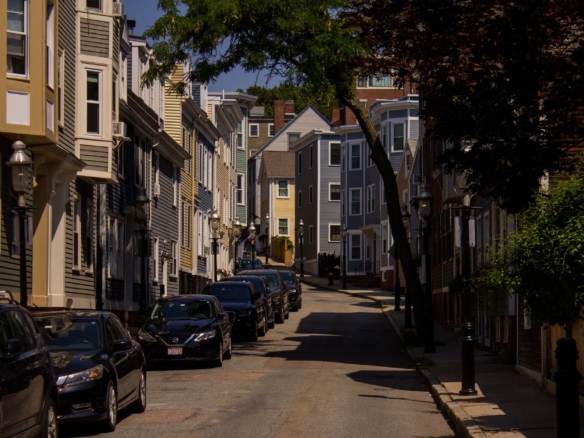
Allston and Brighton have long been popular with students and budget conscious renters, and that reputation persists into 2026. Studio apartments here typically range from $1,600 to $2,200 per month, offering some of the most competitive pricing within city limits. The neighborhoods are lively, eclectic, and filled with independent restaurants, music venues, and community events that give them a distinctive, youthful energy.
Green Line B branch service runs through Allston and Brighton, connecting residents to the broader MBTA network. The neighborhoods also benefit from their proximity to Harvard University, Boston University, and Boston College, which ensures a constant influx of new residents and a robust local economy. For renters with tight budgets, Allston and Brighton represent a genuinely good value in an otherwise expensive metropolitan market.
Somerville and Davis Square
Technically just outside Boston proper, Somerville and the Davis Square area have become increasingly popular with renters priced out of Boston’s core neighborhoods. Studio apartments in Somerville in 2026 average between $1,800 and $2,400 per month, with Davis Square units on the higher end due to their Red Line access and walkable commercial district.
Somerville has invested heavily in infrastructure and community programming over recent years, and the opening of the Green Line Extension has significantly improved transit connectivity. The neighborhood has a strong sense of community, a thriving arts and food culture, and a mix of renovated Victorian homes and newer purpose built apartment buildings. For renters who work in Cambridge or the Seaport District, Somerville provides excellent access without the premium pricing of neighborhoods directly bordering downtown Boston.
East Boston
East Boston has emerged as one of the most talked about neighborhoods for renters seeking value and waterfront views without paying South End or Back Bay prices. Studio apartments in East Boston in 2026 range from $1,700 to $2,300 per month, and the neighborhood continues to attract young professionals drawn by its Blue Line access, stunning harbor views, and growing food and nightlife scene.
East Boston has seen substantial investment from developers, with new mixed use buildings offering modern studios alongside retail and restaurant spaces at street level. The neighborhood’s proximity to Logan International Airport is a practical bonus for frequent travelers, while the short ferry ride to the Seaport District remains a beloved commute option during warmer months. East Boston genuinely represents one of the best values in the Boston rental market for 2026.
Are You a Licensed MA Real Estate Agent?
List your Boston rentals and properties free on Homzora. Zero fees. Zero commissions. Direct leads sent to you.
Understanding Boston Rental Prices in 2026
Boston consistently ranks among the top five most expensive rental markets in the United States, and 2026 is no exception. Studio apartment prices across the city reflect a combination of demand pressure, limited housing supply, rising construction costs, and the ongoing appeal of Boston as a center for education, healthcare, technology, and finance.
On average, a studio apartment in Boston in 2026 will cost renters between $1,600 and $3,200 per month depending on neighborhood, building age, amenities, and proximity to public transit. Utilities, parking, and pet fees are typically extra costs that renters should factor into their monthly budgets when comparing units across different buildings and neighborhoods.
What to Look for in a Boston Studio Apartment
Layout and Storage Solutions
In a studio apartment, layout is everything. Smart renters prioritize units that offer efficient floor plans with designated sleeping, living, and kitchen zones even without physical walls separating them. Built in closets, loft style bedroom platforms, and Murphy beds are all features that can dramatically improve livability. When touring studios, pay attention to ceiling height, natural light, and the placement of outlets and windows, as all of these elements affect how flexible the space will be for your furniture arrangement.
Building Amenities and Services
Modern Boston studio buildings increasingly offer amenities that offset the limitations of smaller square footage. Package lockers, bike storage, gym facilities, rooftop terraces, and coworking lounges are now standard in many newer developments. When evaluating a building, consider whether its amenities genuinely align with your lifestyle rather than simply adding cost to your rent without adding real value to your daily routine.
Lease Terms and Tenant Protections
Boston has a robust framework of tenant protections, but the specifics of any rental arrangement are largely determined by the lease agreement itself. Reading your lease carefully before signing is not optional, it is essential. Areas to scrutinize include security deposit terms, subletting policies, maintenance responsibilities, and early termination clauses. Landlords and tenants alike benefit from using structured legal tools to ensure every detail is clearly documented and enforceable.
Are You a Licensed MA Real Estate Agent?
List your Boston rentals and properties free on Homzora. Zero fees. Zero commissions. Direct leads sent to you.
Home Protection and Appliance Coverage
Tips for Securing a Boston Studio Apartment in 2026
Competition for desirable studio apartments in Boston remains fierce, particularly for well priced units in neighborhoods with strong transit access. Starting your search at least 60 to 90 days before your intended move date gives you a meaningful advantage over renters who wait until the last minute. Boston’s rental market moves quickly, with popular units often receiving multiple applications within days of listing.
Preparing a complete rental application package in advance is a smart strategy. This typically includes proof of income, recent bank statements, references from previous landlords, and a current copy of your credit report. Having these documents ready to submit immediately when you find the right unit can be the deciding factor in a competitive situation.
Working with a knowledgeable local real estate resource can also streamline the process considerably. Homzora maintains up to date listings and neighborhood insights that help renters identify the best available studios across Boston’s most desirable areas. Rather than spending weeks scrolling through fragmented listing platforms, partnering with a focused real estate resource helps you find the right unit faster and with greater confidence.
Finally, be realistic about your priorities. In Boston’s studio market, you will rarely find a unit that checks every single box at your ideal price point. Knowing in advance which features matter most to you, whether that is transit access, natural light, in unit laundry, or neighborhood walkability, helps you make faster, more confident decisions when the right opportunity arises.
The Future of Boston Studio Living
Boston’s housing market is not standing still. City planners, developers, and community advocates are all working to address the supply constraints that have kept rents elevated for years. New zoning reforms and transit oriented development projects are beginning to add meaningful inventory in neighborhoods that were previously underbuilt. Areas like East Boston, Roxbury, and portions of Jamaica Plain are poised to see notable increases in studio apartment availability over the next several years.
At the same time, renters’ expectations continue to rise. The studios being built and renovated in 2026 are smarter, more efficient, and better connected than those of previous generations. From integrated smart home systems to sustainable building materials and energy efficient appliances, the modern Boston studio is a genuinely livable space that supports a full, active urban lifestyle without requiring an enormous footprint.
For anyone planning to rent a studio in Boston in 2026, the key takeaway is that preparation, research, and flexibility are your most valuable tools. The market rewards renters who are informed, financially ready, and clear about their priorities.
To explore current studio apartment listings across Boston’s top neighborhoods and get expert guidance tailored to your budget and lifestyle, visit homzorarealty.com today. Homzora is committed to helping renters navigate one of America’s most dynamic urban housing markets with confidence, clarity, and the right resources to make smart decisions every step of the way.
Stay Ahead of the Boston Market
Monthly insights on Boston rents, home tips, and investment opportunities delivered free to your inbox.
Related Boston Housing Resources
Recommended for Boston Property Owners
Upgrade your Boston rental property with a reliable automatic gate opener. Easy installation, app control, and built for New England weather.
Power Backup for Boston Homeowners
Power your Boston home or rental property with BLUETTI portable power stations. Perfect backup power for New England winters and storm season.
Shop Sicotas for nightstands, TV stands, sideboards, and more. Quality furniture at affordable prices with fast delivery to Greater Boston.
Elevate your Boston apartment or home with HERNEST modern furniture. Timeless designs built to last with fast delivery to Greater Boston.
Data sources and methodology
Rent data compiled from publicly available sources including the U.S. Census Bureau American Community Survey, Massachusetts Association of Realtors, Zillow Research, CoStar Group, and MBTA ridership reports. Neighborhood statistics reflect current market conditions as of 2026. Figures are estimates based on available market data and should be used for informational purposes. For precise current listings and pricing contact a licensed Massachusetts real estate professional.
📚 Related Reading on Homzora
📋 Free: The Boston Renter’s Move-In Rights Checklist
What landlords can legally charge, the 2025 broker-fee rule, and your deposit rights — one printable page.
Download the checklist (PDF) → — and subscribe for the quarterly Boston Renter Report:
For the full picture on average rents, vacancy rates, and where the market is heading, see our Boston rental market analysis for 2026.
Related posts