Boston remains one of the most competitive rental markets in the entire country, and studio apartments sit right at the center of that competition. Whether you are a graduate student arriving at one of the city’s many world-class universities, a young professional starting a new career, or simply someone looking to downsize and simplify your life, understanding the Boston studio apartment landscape in 2026 is absolutely essential before you sign anything. Prices have shifted, neighborhoods have evolved, and what you get for your money depends almost entirely on where you decide to plant your roots. This guide breaks down everything you need to know, from the most affordable pockets of the city to the premium neighborhoods that justify every extra dollar you spend.
Recommended Furniture for Boston Apartments
Furnish your Boston home with elegant and affordable modern furniture from Sicotas. Fast delivery to Greater Boston.
Why Boston Studio Apartments Remain a Smart Choice in 2026
Studio apartments have always attracted a specific kind of renter, someone who values location over square footage, experiences over possessions, and financial flexibility over extra closet space. In Boston, that trade-off makes especially good sense. The city is built for walkability, public transit, and dense neighborhood living. A studio in the right location puts you minutes away from work, restaurants, parks, and cultural institutions that would take a car and a long commute to access from a larger suburban apartment.
The average studio apartment in Boston in 2026 rents for approximately $2,100 to $2,600 per month depending on the neighborhood, the building age, and the included amenities. That range is wide, and knowing where your priorities fall will help you land on the right side of it. Before you even start touring units, it is worth pulling your credit report through a service like SmartCredit so you know exactly where you stand. Boston landlords are highly selective, and a strong credit profile can be the difference between getting your first choice apartment and settling for your third.
The Best Boston Neighborhoods for Studio Apartments in 2026
Boston is a collection of distinct neighborhoods, each with its own personality, price point, and lifestyle appeal. For studio apartment hunters, the right neighborhood depends heavily on your commute needs, social preferences, and budget. Use the Boston Neighborhood Finder to match your lifestyle priorities to specific areas before you start your search. The guide below covers the most relevant neighborhoods for studio renters in 2026.
Back Bay and Beacon Hill
Back Bay and Beacon Hill represent the gold standard of Boston living, and studios in these neighborhoods reflect that prestige in their price tags. Expect to pay between $2,400 and $3,200 per month for a studio in either area. What you get in return is access to some of the most beautiful urban architecture in America, immediate proximity to the Public Garden and Boston Common, and a walkability score that eliminates almost any need for a car. The brownstone buildings are charming but often come without modern amenities, so you may be trading a gym and in-unit laundry for hardwood floors and bay windows. For renters who want to live in a postcard version of Boston, the premium is absolutely worth considering.
Fenway and Kenmore
Fenway and Kenmore are the go-to neighborhoods for anyone connected to the medical or academic sectors of Boston. Brigham and Women’s Hospital, Massachusetts General Hospital, Boston University, and Northeastern University all sit within easy reach. Studios in Fenway typically run between $2,000 and $2,700 per month, placing them in the middle of the city’s pricing spectrum. Many buildings in this area are newer construction with modern finishes, fitness centers, and rooftop decks. The trade-off is noise, particularly during Red Sox season, when the neighborhood transforms into a festive but loud environment on game nights.
South End
The South End has become one of Boston’s most desirable neighborhoods for young professionals and creative types who want something between the historic elegance of Beacon Hill and the energy of the Seaport. Studios here average between $2,200 and $2,900 per month. The dining scene is exceptional, the architecture is stunning, and the neighborhood has a strong sense of community identity. Many buildings have been beautifully renovated, and you will find a mix of boutique apartment buildings and converted townhomes. If you spend a lot of time at home and want a neighborhood that feels alive and curated, the South End delivers consistently.
Allston and Brighton
Allston and Brighton are where budget-conscious renters have always found their footing in Boston, and that remains true in 2026. Studios in this area range from roughly $1,600 to $2,100 per month, making them among the most affordable options in the city proper. The neighborhoods are dense with students from Boston University, Boston College, and Harvard, which creates a young and energetic atmosphere. Grocery stores, laundromats, and casual dining are abundant and affordable. The commute to downtown via the Green Line is manageable, and the general vibe is casual and unpretentious. For first-time Boston renters, Allston-Brighton is often the most practical starting point.
East Boston
East Boston has undergone significant transformation over the past several years, and in 2026 it stands as one of the most exciting value propositions in the entire rental market. Studios in East Boston range from $1,700 to $2,200 per month, and new development has brought modern amenities and fresh building stock to a neighborhood with incredible views of the downtown skyline. The Blue Line connects East Boston to downtown in under ten minutes, and the food scene has become genuinely impressive. The waterfront is increasingly walkable and beautiful. Renters who discover East Boston early tend to stay much longer than they originally planned.
Jamaica Plain
Jamaica Plain offers a different flavor of Boston living. It is greener, quieter, and more community-oriented than many other neighborhoods in the city. Studios here average between $1,700 and $2,100 per month, and what you get is access to the Arnold Arboretum, Jamaica Pond, a vibrant local business community, and a neighborhood that feels genuinely livable rather than transient. The Orange Line connects Jamaica Plain to downtown, and while the commute is a bit longer than from neighborhoods closer to the center, many renters find the trade-off more than worthwhile. If you value outdoor space and a slower pace without leaving the city, Jamaica Plain deserves serious consideration.
What Your Studio Budget Actually Gets You in Boston
Understanding price ranges is only half the equation. The other half is knowing what specific amenities and features you can realistically expect at each price point. For more detailed and up-to-date pricing breakdowns by neighborhood, the Boston Housing Data resource at Homzora Realty provides current market figures that will help you calibrate your expectations before you start reaching out to landlords.
Under $1,900 Per Month
At this price point in Boston, you are most likely looking at older building stock, shared laundry facilities, and limited or no on-site amenities like a gym or doorman. Units may be on the smaller side, often between 350 and 450 square feet, and you should expect to be further from the city center or in neighborhoods that are still in earlier stages of development. Heat and hot water are sometimes included at this price point, which can offset some of the apparent savings. Thoroughly inspect any unit in this range before committing, as deferred maintenance is more common in older, lower-priced buildings.
$1,900 to $2,400 Per Month
This is the most competitive range in the Boston studio market, and it encompasses a wide variety of unit types and neighborhoods. You will find a mix of renovated older buildings and newer construction. In-unit laundry becomes more common at this price point, and some buildings will offer fitness centers, package rooms, and bike storage. Units tend to run between 450 and 550 square feet, and you can find genuinely comfortable, well-designed spaces in neighborhoods like Fenway, Allston, East Boston, and Jamaica Plain.
Are You a Licensed MA Real Estate Agent?
List your Boston rentals and properties free on Homzora. Zero fees. Zero commissions. Direct leads sent to you.
$2,400 and Above Per Month
Above $2,400 per month, the Boston studio market shifts significantly toward luxury amenities, premium locations, and newer construction. You can expect in-unit laundry, stainless steel appliances, quartz countertops, and building amenities that rival boutique hotels. Rooftop decks, concierge services, co-working lounges, and pet-friendly policies with dedicated spaces are all common. Back Bay, Beacon Hill, the Seaport, and parts of the South End dominate this price tier. Studios at this level often approach 600 square feet or more, and the quality of finishes makes them genuinely enjoyable spaces to inhabit.
Furnishing a Boston Studio Apartment Smartly
One of the biggest challenges of studio apartment living is making a small space functional, comfortable, and visually appealing. The good news is that the furniture industry has responded to the rise of urban studio living with a strong selection of space-conscious, multi-functional pieces. Sicotas Modern Home Furniture offers an excellent range of modern pieces specifically suited to apartment living, including storage ottomans, convertible sofas, compact dining sets, and wall-mounted shelving solutions. Investing in the right furniture when you move into a studio dramatically improves your day-to-day quality of life and makes the space feel intentional rather than cramped.
When furnishing a studio, always prioritize vertical storage, furniture with built-in storage compartments, and pieces that serve multiple functions. A bed with drawers underneath eliminates the need for a separate dresser. A dining table that folds against the wall reclaims significant floor space when not in use. A sofa with a pull-out bed gives you the ability to host guests without dedicating square footage to a guest bedroom that would otherwise sit empty for months at a time.
Legal and Financial Preparation Before Signing a Lease
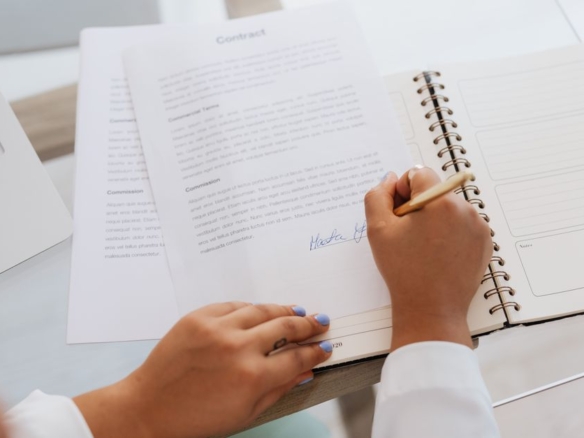
The Boston rental market moves fast, and being financially and legally prepared before you find your ideal studio gives you a significant competitive advantage. Landlords in Boston often require first month, last month, and a security deposit upfront, which means you need to have between $4,200 and $7,800 liquid before signing depending on your rent level. Beyond the cash requirement, your lease agreement is a binding legal document that deserves careful review.
Using a professionally drafted LawDepot Lease Agreement ensures that both tenant and landlord rights are clearly defined and that the document complies with Massachusetts state law. Whether you are dealing with a large property management company or a private individual landlord, understanding every clause in your lease before you sign is one of the most important steps you can take to protect yourself throughout your tenancy.
Additionally, Massachusetts law requires landlords to maintain rental properties in habitable condition, but having a home warranty through a provider like Choice Home Warranty can provide additional peace of mind, particularly if you are renting in an older building where appliance failures or system breakdowns are more likely to occur. While this type of coverage is more common for homeowners, renters in long-term leases or furnished units should be aware of the protection options available to them.
Timing Your Boston Studio Apartment Search
Timing in the Boston rental market is not a minor consideration. It is a major strategic factor. The city operates on an academic calendar more than almost any other major American city, which means that a significant portion of available units turn over on September 1st. This creates a feeding frenzy from May through August as students, recent graduates, and new hires all compete for the same inventory. If you are searching during this window, expect to make decisions quickly, sometimes within 24 to 48 hours of viewing a unit.
The best time to search for a Boston studio apartment if you have flexibility is between October and February. Inventory is lower, but competition drops dramatically, and landlords are often more willing to negotiate on price or offer concessions like a free month of rent or waived application fees. If you are relocating to Boston from another city and cannot visit in person before committing, work with a reputable local real estate resource and use verified photos and virtual tours to reduce your risk.
Key Questions to Ask Before Renting a Boston Studio
- Is heat and hot water included in the monthly rent, or are they separate utility expenses?
- What is the building’s policy on lease renewals and rent increases between terms?
- Are pets allowed, and if so, is there an additional deposit or monthly fee?
- Is there a storage unit available for bicycles, seasonal items, or excess belongings?
- How is maintenance handled, and what is the typical response time for repair requests?
- Is there on-site parking available, and if so, what is the monthly cost?
- What is the guest policy, and are there restrictions on short-term subletting?
- Are there plans for building renovations or construction that might disrupt daily life during the lease term?
Making the Most of Boston Studio Living in 2026
Living in a Boston studio apartment is ultimately about embracing a lifestyle rather than simply tolerating a smaller space. The city’s incredible restaurant scene, cultural institutions, parks, waterfronts, and transit systems become your extended living room when you choose a centrally located studio. Residents of studio apartments in walkable Boston neighborhoods consistently report higher satisfaction with their daily routines than suburban renters with larger spaces, largely because proximity to the things they love most reduces friction and increases spontaneity.
Approach your studio search with a clear list of non-negotiables and a realistic sense of what your budget allows. Research neighborhoods thoroughly, use verified data sources, and take your time with the legal documents involved. The Boston studio market in 2026 rewards renters who are prepared, informed, and decisive.
For comprehensive neighborhood comparisons, up-to-date rental pricing data, and personalized guidance on finding the right studio apartment in Boston, visit homzorarealty.com today. Homzora Realty is committed to helping renters navigate one of America’s most dynamic housing markets with confidence, clarity, and the right information at exactly the right time.
Stay Ahead of the Boston Market
Monthly insights on Boston rents, home tips, and investment opportunities delivered free to your inbox.
Data sources and methodology
Rent data compiled from publicly available sources including the U.S. Census Bureau American Community Survey, Massachusetts Association of Realtors, Zillow Research, CoStar Group, and MBTA ridership reports. Neighborhood statistics reflect current market conditions as of 2026. Figures are estimates based on available market data and should be used for informational purposes only.
Related Boston Housing Resources