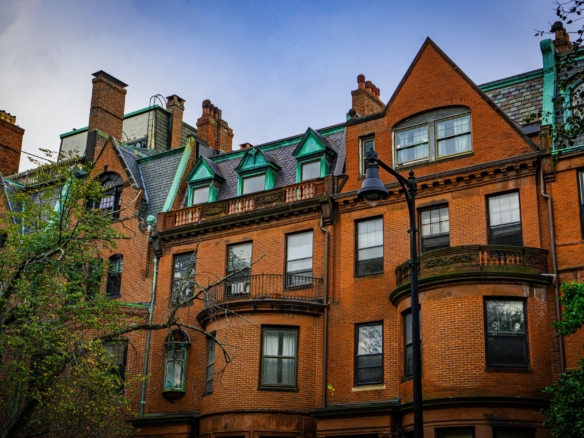
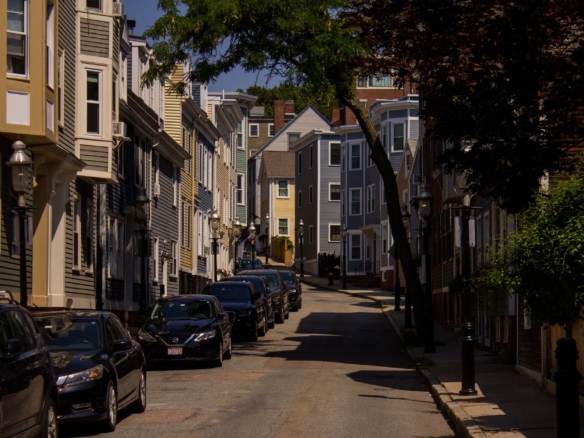
The Boston Seaport District has transformed from a quiet industrial waterfront into one of the most dynamic urban neighborhoods in the entire Northeast. In 2026, this neighborhood continues to attract young professionals, tech workers, empty nesters, and anyone who wants to live at the intersection of innovation, culture, and waterfront beauty. If you are considering making the Seaport your home, this comprehensive living guide from Homzora will walk you through everything you need to know, from average rent prices and the best apartment buildings to lifestyle, dining, commute options, and whether the premium price tag is actually worth it.
Boston Renter Intelligence Survey
How does your rent compare?
Add your numbers and get an instant read on what share of your income goes to rent, measured against what Boston renters actually report. You will also get the Q3 report free on October 7.
See how your rent compares →Check your numbers against Boston data
See what share of your income goes to rent, and how your neighborhood compares. Free, no email required.
What Is the Boston Seaport District?
The Seaport District, also known as the Innovation District, sits on a peninsula just across the Fort Point Channel from downtown Boston. It is part of the larger South Boston neighborhood but has developed its own distinct identity over the past decade. The area stretches roughly from the Boston Convention and Exhibition Center in the west to the Fan Pier and Harborwalk in the east, with the waterfront serving as its defining feature.
Just ten years ago, much of this area was surface parking lots and aging warehouses. Today it is a gleaming skyline of glass towers, boutique hotels, world class restaurants, innovation offices, and some of the most sought after apartments in the city. Amazon, General Electric, Vertex Pharmaceuticals, and dozens of major tech companies have established offices here, which has fueled tremendous residential demand and pushed rent prices to among the highest levels in Boston.
The Seaport is not a neighborhood that grew organically over centuries like Beacon Hill or the South End. It was planned, developed rapidly, and built to attract a specific demographic. That reality gives it both its polished appeal and some of its most common criticisms.
Average Apartment Rent Prices in the Seaport District in 2026
Rent in the Seaport District has remained consistently high, and 2026 is no exception. The neighborhood sits firmly at the top tier of Boston rental pricing alongside Back Bay and the Waterfront. Here is a realistic breakdown of what renters can expect to pay in the current market.
Studio Apartments
Studio apartments in the Seaport District range from approximately $2,800 to $3,500 per month. Smaller units in older converted buildings may fall on the lower end, while new construction studios in luxury towers with full amenity packages typically land between $3,200 and $3,500. Very few studio units fall below $2,800 in this neighborhood in 2026.
One Bedroom Apartments
One bedroom apartments represent the most common rental unit type in the Seaport. Expect to pay between $3,400 and $4,800 per month depending on the building, floor level, and views. One bedrooms with direct harbor views or upper floor positions in premium buildings can push past $5,000 per month. The mid range for a solid one bedroom in a well amenitized building sits around $4,000 to $4,400.
Two Bedroom Apartments
Two bedroom units in the Seaport start around $4,800 and climb well past $7,000 for higher floor units with premium finishes. Many renters who split a two bedroom with a roommate find the per person cost closer to $2,500 to $3,500, which makes the neighborhood slightly more accessible for those who are willing to share a space.
Three Bedroom and Larger Units
Three bedroom apartments are less common in the Seaport but do exist in select buildings. These units typically rent from $7,500 to $12,000 per month depending on size, finishes, and location. Penthouse and luxury units at the very top end of the market can exceed $15,000 per month.
Best Apartment Buildings in the Seaport District
The Seaport has no shortage of impressive residential buildings. Most of the major developments here are Class A luxury properties with amenity packages that would rival boutique hotels.
Watermark Seaport
Watermark Seaport is one of the most recognized luxury buildings in the district. Located directly on the harbor, it offers residents unobstructed water views, a rooftop deck, fitness center, concierge service, and direct access to the Harborwalk. Units here command a premium, but the quality of construction and services justify the price for many tenants.
VIA Seaport Residences
VIA is a massive mixed use development that has become one of the most popular residential addresses in the neighborhood. It features modern units, a spectacular rooftop pool, coworking spaces, and a curated retail and dining experience at street level. The building attracts many tech professionals and is known for its strong sense of community programming.
Echelon Seaport
Echelon Seaport is a premier luxury complex consisting of multiple towers with exceptional amenities including indoor and outdoor pools, a full service spa, resident lounges, and premium finishes throughout. It is among the most expensive options in the neighborhood but delivers an experience that few Boston properties can match.
Pier 4 and Fan Pier Buildings
The Fan Pier area features several boutique residential buildings with smaller footprints and intensely desirable waterfront positions. These buildings often have fewer units, which creates a quieter and more exclusive living environment. They tend to attract established professionals and downsizers coming from larger homes in the suburbs.
Older Fort Point Lofts
On the western edge of the Seaport near Fort Point, a handful of converted industrial loft buildings offer a very different aesthetic. Exposed brick, timber ceilings, and open floor plans appeal to renters who want character and creativity over glass tower polish. Prices here are somewhat more moderate than the waterfront towers, though still well above citywide averages.
Who Lives in the Seaport District?
The Seaport has a distinctive demographic profile that sets it apart from most Boston neighborhoods. The resident population skews younger, with a heavy concentration of professionals in their late twenties through mid forties. Tech workers, finance professionals, biotech researchers, consultants, and healthcare executives make up a large portion of the tenant base.
The neighborhood also attracts a significant number of relocating professionals who are moving to Boston for new jobs and want a turnkey living experience close to major employers. Many residents at Seaport buildings are on corporate relocation packages, which partly explains the tolerance for extremely high rent prices.
Young families are beginning to appear in slightly larger numbers as the neighborhood matures and adds more green space and community programming, but the Seaport is still primarily a singles and couples neighborhood rather than a family oriented one. Pet ownership is extremely high, and many buildings have invested heavily in pet amenity spaces to reflect this reality.
Restaurants, Shopping, and Lifestyle in the Seaport
The Seaport dining scene has exploded over the past several years and now includes some of the most talked about restaurants in Boston. Row 34 is a beloved seafood institution with an exceptional oyster bar. Yvonne’s, Legal Harborside, and Tasting Counter are among the many options that draw diners from across the city. The neighborhood also has a strong brunch culture, with spots like Lookout Rooftop and Bar and Shore Leave regularly drawing weekend crowds.
Are You a Licensed MA Real Estate Agent?
List your Boston rentals and properties free on Homzora. Zero fees. Zero commissions. Direct leads sent to you.
Nightlife in the Seaport tends toward the sophisticated end, with rooftop bars and hotel lounges rather than divey neighborhood bars. The area has a high energy feel on weeknight evenings and weekends given the density of young professionals living and working nearby.
Retail in the Seaport is still developing compared to areas like Newbury Street or the South End, but there are strong grocery options including a Whole Foods Market, and the Seaport Common area features pop up shops and seasonal retail experiences throughout the year. The Harborwalk provides a beautiful pedestrian path along the water that residents use daily for running, cycling, and leisurely walks.
Getting Around: Commute and Transportation Options
Transportation in the Seaport has improved significantly over the past several years but remains a commonly discussed limitation for residents. Here is what you need to know about getting around from this neighborhood.
The Silver Line
The MBTA Silver Line runs directly through the Seaport and provides free service from Logan International Airport to South Station, making this one of the most airport accessible neighborhoods in the entire city. The Silver Line connects to the Red Line at South Station, giving residents access to the broader subway network. Travel time to downtown Boston via the Silver Line is roughly eight to twelve minutes depending on your exact starting point.
Walking and Cycling
The Seaport is extremely walkable within its own borders, and many residents walk across the Evelyn Moakley Bridge or the Congress Street Bridge into downtown Boston for meetings and errands. The neighborhood is also very bikeable, with protected lanes on several major streets and Bluebikes docking stations throughout the district.
Are You a Licensed MA Real Estate Agent?
List your Boston rentals and properties free on Homzora. Zero fees. Zero commissions. Direct leads sent to you.
Rideshare and Driving
Rideshare services are extremely popular in the Seaport given the professional demographic, though surge pricing during peak hours and major convention center events can be frustrating. Driving to and from the Seaport during rush hour involves navigating some of the worst congestion in Boston, particularly around the Summer Street and Seaport Boulevard corridors.
Water Taxi
The MBTA Harbor Express and private water taxis provide a scenic and often faster alternative for residents heading to other waterfront points including Long Wharf, Charlestown, and Logan Airport. Many Seaport residents use the water taxi as both a practical commute option and a distinctly enjoyable way to start and end their workday.
Pros and Cons of Living in the Seaport District
The Pros
- Stunning waterfront views and direct access to the Harborwalk
- New, modern apartment buildings with top tier amenities
- Walking distance or a short commute to major employers in biotech, tech, and finance
- Excellent dining and a thriving restaurant scene
- Very close to Logan Airport via the Silver Line
- Safe, clean, and well maintained public spaces
- Strong sense of activity and energy on the streets
- Proximity to the Boston Convention and Exhibition Center for event access
The Cons
- Extremely high rent prices that are among the steepest in New England
- Limited subway options beyond the Silver Line
- Heavy traffic congestion during peak hours and convention events
- The neighborhood can feel sterile or lacking in authentic character compared to older Boston neighborhoods
- Limited diversity in terms of housing type and price point
- Still developing in terms of school options and family infrastructure
- Retail options are improving but still limited compared to other Boston neighborhoods
Seaport District vs. Nearby Neighborhoods
How does the Seaport compare to its closest competitors for renters who are exploring their options in Boston?
Seaport vs. South Boston
Traditional South Boston, known locally as Southie, sits just to the south and offers a dramatically different character. Rent prices in Southie are meaningfully lower than the Seaport, with one bedrooms commonly available between $2,400 and $3,200 per month. Southie has a grittier, more authentic urban feel with neighborhood bars, longtime residents, and a stronger sense of local culture. The tradeoff is older building stock and fewer luxury amenities.
Seaport vs. Back Bay
Back Bay is the other top tier rental market in Boston. Rent prices are comparable to the Seaport but the neighborhood offers far more historic architecture, world class shopping on Newbury Street, and better subway access via the Green and Orange Lines. Back Bay appeals more to renters who want established elegance over contemporary luxury.
Seaport vs. Fort Point
Fort Point is technically adjacent to the Seaport and shares some of its industrial conversion character. Rents in Fort Point are slightly lower, and the neighborhood has a stronger arts and creative community presence. It attracts designers, artists, and creative professionals who want proximity to the Seaport without paying peak waterfront prices.
Seaport vs. Cambridge
For professionals working in biotech and academia, Cambridge offers a compelling alternative. Rent prices in Cambridge are similarly high in neighborhoods like Kendall Square, but the area offers a richer cultural and intellectual environment and significantly better access to the Red Line subway. Cambridge also has better access to grocery stores, community institutions, and green space.
Is the Seaport District Worth the Price in 2026?
Whether the Seaport District is worth its premium price depends almost entirely on what you value in urban living. If you prioritize a new construction apartment with excellent finishes, stunning water views, top tier amenities, walking distance to major employers, and a safe and vibrant neighborhood with great dining, the Seaport delivers on all of those counts at a high level.
If you prioritize character, historic architecture, cultural diversity, affordability, or strong neighborhood identity, you may find the Seaport feels cold or transactional compared to more established Boston neighborhoods. Many renters love it for exactly the same reasons that others find it lacking.
Tips for Renting in the Seaport District
The Seaport rental market moves quickly and competition for desirable units can be intense, especially during peak rental season from April through September.
Stay Ahead of the Boston Market
Monthly insights on Boston rents, home tips, and investment opportunities delivered free to your inbox.
Data sources and methodology
Rent data compiled from publicly available sources including the U.S. Census Bureau American Community Survey, Massachusetts Association of Realtors, Zillow Research, CoStar Group, and MBTA ridership reports. Neighborhood statistics reflect current market conditions as of 2026. Figures are estimates based on available market data and should be used for informational purposes. For precise current listings and pricing contact a licensed Massachusetts real estate professional.
Related Boston Housing Resources
Recommended for Boston Property Owners
Upgrade your Boston rental property with a reliable automatic gate opener. Easy installation, app control, and built for New England weather.
Power Backup for Boston Homeowners
Power your Boston home or rental property with BLUETTI portable power stations. Perfect backup power for New England winters and storm season.
Furnish your Boston apartment with elegant and affordable modern furniture from Sicotas. Free shipping on many items with 60 day returns.
Elevate your Boston apartment or home with HERNEST modern furniture. Timeless designs built to last with fast delivery to Greater Boston.
📚 Related Reading on Homzora
📋 Free: The Boston Renter’s Move-In Rights Checklist
What landlords can legally charge, the 2025 broker-fee rule, and your deposit rights — one printable page.
Download the checklist (PDF) → — and subscribe for the quarterly Boston Renter Report:
Related posts