Boston’s commercial real estate landscape is undergoing one of the most significant transformations in its modern history. As office vacancy rates climb and the demand for urban housing continues to outpace supply, developers, investors, and city planners are increasingly turning their attention to commercial to residential conversion projects. Whether you are a seasoned real estate investor, a first time developer, or simply someone curious about where Boston’s housing market is headed in 2026, understanding this trend is essential. At Homzora Realty, we have compiled this comprehensive guide to help you navigate the opportunities, challenges, regulatory hurdles, and financial considerations that come with converting commercial space into residential units in Boston.
Recommended Furniture for Boston Apartments
Furnish your Boston home with elegant and affordable modern furniture from Sicotas. Fast delivery to Greater Boston.
Why Commercial to Residential Conversions Are Surging in Boston
The pandemic fundamentally reshaped how Bostonians work, shop, and live. Remote and hybrid work arrangements have left millions of square feet of office space vacant across the city. Downtown Boston, the Financial District, and neighborhoods like Back Bay and Government Center have seen office vacancy rates reach levels not observed in decades. Meanwhile, Boston consistently ranks among the most expensive housing markets in the United States, with demand for apartments and condominiums far exceeding available supply.
This convergence of an oversupplied commercial market and an undersupplied residential market has created a compelling case for adaptive reuse. City officials, including those in the Boston Planning and Development Agency, have recognized this alignment and are actively encouraging property owners to explore conversion possibilities. For investors looking to understand current conditions before making decisions, reviewing up to date Boston Housing Data from Homzora Realty provides valuable insight into vacancy trends, rental rates, and neighborhood performance metrics.
Understanding the Boston Market in 2026
Office Vacancy and Its Impact on Conversion Opportunities
By 2026, Boston’s office vacancy rate in the central business district has hovered between 18 and 22 percent depending on the submarket and class of building. Class B and Class C office buildings, which often lack the modern amenities that corporate tenants now demand, represent the most realistic candidates for residential conversion. These buildings frequently have smaller floor plates, more windows per square foot, and existing plumbing infrastructure that can make the conversion process more financially viable.
Class A towers with large open floor plates present more significant engineering challenges because residential units require natural light and ventilation, which is difficult to achieve in deep floor plate buildings. Developers who understand this distinction will save themselves considerable time and money during the feasibility assessment phase.
Residential Demand Across Boston Neighborhoods
The demand for housing is not uniform across Boston. Neighborhoods like South Boston, East Boston, Jamaica Plain, and Dorchester continue to attract renters and buyers priced out of more central locations. Meanwhile, downtown conversions appeal to professionals who want walkable, transit oriented living close to employment centers. Before committing to a conversion project, investors should use the Boston Neighborhood Finder tool from Homzora Realty to assess demand patterns, average rents, demographic trends, and investment potential by neighborhood.
Key Regulatory and Zoning Considerations
Boston Zoning Code and Article 80 Review
One of the most important steps in any conversion project is understanding Boston’s zoning regulations. Many commercial buildings are located in zones that technically permit residential use, but the specifics vary considerably by district. In some cases, developers must apply for a zoning variance or seek a conditional use permit. Projects exceeding 50,000 square feet of gross floor area are typically subject to the Boston Planning and Development Agency’s Article 80 Large Project Review process, which involves community meetings, environmental assessments, and coordination with multiple city departments.
Smaller projects may qualify for a more streamlined Small Project Review. Either way, early engagement with city planning staff is strongly recommended. Attempting to move quickly without establishing a working relationship with the relevant regulatory bodies is one of the most common and costly mistakes developers make.
Building Code Compliance for Residential Use
Massachusetts building codes require residential spaces to meet standards that differ significantly from commercial requirements. These include minimum ceiling heights, egress requirements, fire suppression systems, insulation standards, accessibility compliance under the Americans with Disabilities Act, and ventilation specifications. Older commercial buildings often require substantial structural upgrades to meet these standards, and the cost of compliance can quickly erode projected returns if not properly accounted for in early feasibility analysis.
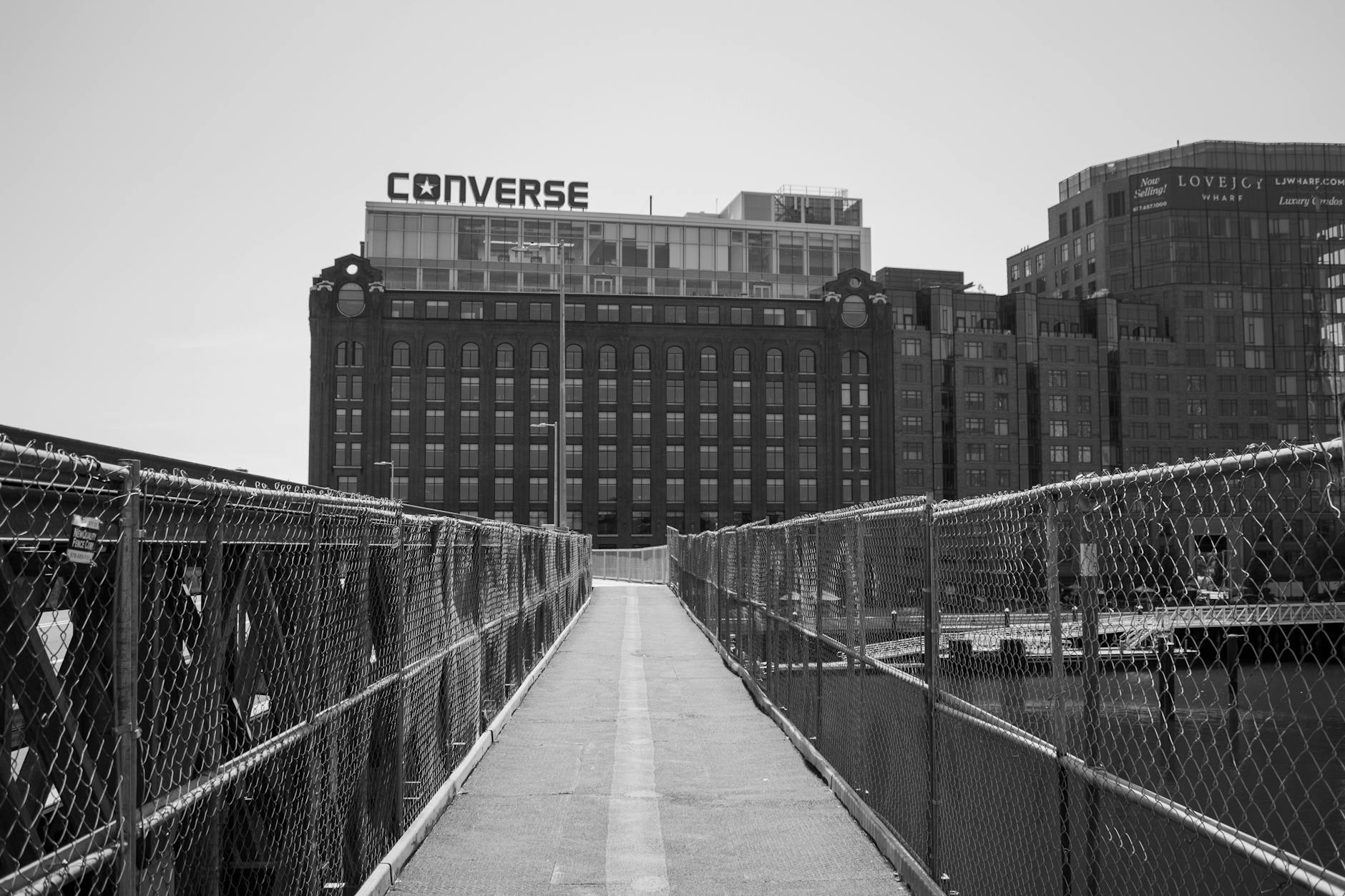
Historic buildings add another layer of complexity. Many of Boston’s most attractive conversion candidates, such as older brick office buildings in the Financial District or warehouse structures in the Seaport, are subject to historic preservation review. Working with a preservation architect early in the process can prevent costly design revisions later.
Affordable Housing Requirements
Boston’s Inclusionary Development Policy requires that residential projects of a certain size set aside a percentage of units as income restricted affordable housing. As of 2026, projects with 10 or more units generally must meet this requirement, either by including affordable units on site or by paying an in lieu fee into the city’s Affordable Housing Fund. Developers should factor this requirement into their financial modeling from the very beginning, as it directly affects the number of market rate units and therefore the overall revenue potential of the project.
Financial Feasibility and Funding Mechanisms
Assessing the Numbers Before You Commit
A conversion project in Boston can cost anywhere from $150 to $400 or more per square foot depending on the building’s condition, the scope of required upgrades, and the intended residential product type. Before moving forward, developers need a thorough understanding of their total capitalization, projected rental income or sale proceeds, and the timeline to stabilization.
Financing a conversion project typically involves a combination of construction loans, permanent financing, and in some cases public subsidies or tax incentives. Developers who are new to the commercial lending space should explore their options carefully. The Mortgage Research Center is an excellent resource for comparing loan products, understanding current interest rate environments, and identifying lenders who specialize in adaptive reuse and commercial conversion financing.
Federal and State Tax Incentives
One of the most significant financial tools available to conversion developers is the Federal Historic Tax Credit, which provides a 20 percent credit against qualified rehabilitation expenditures for certified historic structures. Massachusetts also offers a state historic tax credit that can be stacked with the federal credit, providing meaningful offset to high renovation costs. Projects that include affordable housing components may also qualify for Low Income Housing Tax Credits, which can dramatically improve project economics.
Opportunity Zone designations in parts of Boston offer additional tax advantages for investors willing to hold their investments for the required periods. Understanding how to layer these incentives requires careful coordination between your development team, tax advisors, and legal counsel.
Are You a Licensed MA Real Estate Agent?
List your Boston rentals and properties free on Homzora. Zero fees. Zero commissions. Direct leads sent to you.
Protecting Your Investment with the Right Warranties
Once a conversion project is complete and units are occupied, protecting the building’s systems and appliances becomes a priority. Converted buildings often have newly installed mechanical, electrical, and plumbing systems that can experience issues during the first few years of operation. Enrolling in a comprehensive home warranty plan can provide peace of mind and reduce unexpected maintenance costs. Choice Home Warranty offers plans that cover major systems and appliances, making it a smart consideration for property owners managing converted residential buildings.
Leasing and Tenant Management After Conversion
Setting Up Compliant Lease Agreements
Once your building is ready for occupancy, having airtight lease agreements in place is critical. Massachusetts landlord tenant law is relatively tenant friendly, and using improperly drafted agreements can expose property owners to significant legal and financial risk. Whether you are leasing market rate units or income restricted affordable units, your agreements must comply with state and local law while clearly defining the rights and responsibilities of both parties.
Using a professionally drafted template from a trusted legal resource is a practical starting point. LawDepot Lease Agreement provides customizable, state specific lease agreements that can be tailored to Massachusetts requirements, helping landlords establish legally sound tenancies from day one.
Screening Tenants Effectively
Tenant screening is one of the most important steps in protecting your investment. A thorough screening process includes credit checks, rental history verification, income verification, and background checks. Poor tenant selection leads to late payments, property damage, and costly eviction proceedings. Tools that provide comprehensive credit and financial background information are invaluable. SmartCredit offers detailed credit monitoring and reporting services that can support your screening process and help you make informed decisions about prospective tenants.
Design and Construction Challenges Unique to Boston
Structural and Engineering Hurdles
Boston’s older building stock presents unique engineering challenges. Many structures built before the mid 20th century were not designed with residential conversion in mind. Load bearing walls, column spacing, and slab to slab heights must all be evaluated by a licensed structural engineer before any design work proceeds. In some cases, the cost of structural remediation alone can make an otherwise attractive building financially infeasible for conversion.
Additionally, Boston’s climate imposes significant demands on building envelopes. Energy efficiency standards have become increasingly stringent, and meeting them in an older building often requires exterior insulation, window replacement, and upgraded mechanical systems. The Massachusetts Stretch Energy Code, which many Boston projects must comply with, adds another layer of design and construction complexity.
Plumbing and Mechanical Systems
Adding residential plumbing to a former office building is one of the most technically demanding aspects of a conversion project. Each residential unit requires its own kitchen and bathroom, which means installing new water supply lines, drain lines, and ventilation stacks throughout the building. In multi story structures, the coordination of vertical plumbing runs can be extraordinarily complex and expensive. Early engagement with a mechanical, electrical, and plumbing engineering firm is essential to understanding what is feasible within the existing structure.
Community and Political Considerations
Boston is a city with deeply engaged neighborhoods and an active community meeting culture. Conversion projects that involve significant changes to the character of a neighborhood, increased density, traffic, or parking demand will almost certainly face scrutiny from local residents and advocacy groups. Developers who approach community engagement proactively, rather than reactively, tend to have smoother approval processes and better relationships with the neighborhoods where they build.
It is also worth noting that Boston’s political landscape influences development outcomes. City Council members, neighborhood associations, and advocacy organizations all play roles in shaping whether a project receives the support it needs to move through the approval process efficiently. Hiring an experienced local development attorney or project manager who understands the political landscape can be one of the best investments you make.
The Future of Commercial to Residential Conversion in Boston
Looking ahead, the trajectory of commercial to residential conversion in Boston appears strong. City and state officials have signaled continued support for adaptive reuse as a tool to address the housing shortage. New state legislation aimed at streamlining permitting for housing projects, combined with the availability of federal funds through infrastructure and housing programs, is expected to further accelerate conversion activity through 2026 and beyond.
Investors who move strategically, conduct thorough due diligence, build the right professional teams, and engage authentically with communities and regulators will be best positioned to capitalize on this once in a generation opportunity in Boston real estate.
Final Thoughts and Next Steps
Commercial to residential conversion in Boston represents both extraordinary opportunity and genuine complexity. Success in this space requires a clear understanding of the regulatory environment, a realistic assessment of financial feasibility, access to the right financing tools and incentives, and a commitment to professional execution at every stage of the project. Whether you are evaluating your first conversion opportunity or expanding an existing portfolio, having access to reliable market intelligence and expert guidance makes all the difference.
Homzora Realty is committed to being your trusted resource for Boston real estate intelligence, market data, and neighborhood analysis. We encourage you to explore everything our platform has to offer as you plan your next move in Boston’s dynamic real estate market. Visit homzorarealty.com today to access our full suite of tools, data resources, neighborhood guides, and expert insights that will help you make smarter, more confident real estate decisions in 2026 and beyond.
Stay Ahead of the Boston Market
Monthly insights on Boston rents, home tips, and investment opportunities delivered free to your inbox.
Data sources and methodology
Data compiled from publicly available sources including the U.S. Census Bureau, Massachusetts Association of Realtors, Zillow Research, CoStar Group, and MBTA ridership reports. Statistics reflect current market conditions as of 2026 and should be used for informational purposes only.
Related Boston Housing Resources