The Boston rental market continues to evolve rapidly, with tech-savvy tenants increasingly expecting smart home features in their apartments and rental properties. As we move through 2026, landlords across New England are discovering that strategic smart home investments not only attract quality tenants but also reduce long-term maintenance costs, improve property security, and increase rental values. Whether you’re managing a triple-decker in Dorchester, luxury condos in Back Bay, or single-family homes in Cambridge, implementing the right smart home technology can give you a significant competitive advantage in today’s demanding rental market.
🏠 Top Picks for Boston Landlords & Homeowners
Shop our top-rated home essentials, smart locks, thermostats, security cameras, and more.
Boston Renter Intelligence Survey
You are exactly who this is for.
We are building Boston's first independent renter intelligence report from real tenant data, not listing-site estimates. Add your numbers and get the Q3 report free when it publishes October 7.
Take the 2-minute survey →For renters, smart home products offer the opportunity to enhance their living experience without major renovations or permanent installations. The key is finding products that provide maximum benefit while remaining portable and landlord-friendly. This comprehensive guide explores the most effective smart home solutions for both property owners and tenants in the Boston area, focusing on products that deliver real value in New England’s unique rental landscape.
Essential Smart Security Solutions for Boston Rental Properties
Security remains a top priority for both landlords and tenants in Boston, particularly given the urban environment and varying neighborhood characteristics throughout the city. Smart security products have revolutionized property protection while offering convenience and peace of mind that traditional systems simply cannot match.
Smart Doorbell Cameras and Entry Systems
Video doorbells have become the cornerstone of modern rental property security. For landlords managing multiple properties across Boston’s diverse neighborhoods, these devices provide invaluable remote monitoring capabilities. The latest models offer crystal-clear 4K video resolution, advanced motion detection that can differentiate between people, packages, and animals, and two-way audio communication that allows property managers to interact with visitors, delivery personnel, or maintenance workers even when off-site.
Boston landlords particularly benefit from models with robust weather resistance, given New England’s harsh winters and unpredictable weather patterns. Look for devices with wide-angle lenses that can capture the entire entryway area, including stairs and adjacent parking spaces. Advanced features like pre-recorded messages can handle routine deliveries automatically, while smartphone notifications ensure you’re always aware of property activity.
For renters, portable door security cameras that don’t require hardwiring offer similar benefits without permanent installation. These battery-powered units can be easily removed when moving, making them ideal for temporary living situations or lease agreements that restrict permanent modifications.
Smart Lock Technology for Flexible Access
Keyless entry systems have transformed how Boston landlords manage property access while providing tenants with enhanced convenience and security. Modern smart locks eliminate the need for physical key exchanges, reduce lockout incidents, and provide detailed access logs that can be invaluable for property management.
The most effective models for rental properties offer multiple access methods, including smartphone apps, numeric keypads, and traditional key backups. This flexibility accommodates tenants with varying comfort levels regarding technology while ensuring landlords always maintain emergency access. Advanced scheduling features allow temporary access codes for maintenance workers, cleaners, or showing appointments without compromising long-term security.
Battery life has improved dramatically in recent models, with many offering 8-12 months of operation on standard batteries. Low-battery notifications through smartphone apps ensure locks never fail unexpectedly, while some premium models offer backup power options for added reliability during Boston’s occasional power outages.
Climate Control and Energy Management Systems
New England’s extreme seasonal temperature variations make efficient climate control crucial for both tenant comfort and landlord operating costs. Smart thermostats and related climate management products offer significant advantages for rental properties throughout the Boston area.
Intelligent Thermostat Solutions
Smart thermostats designed specifically for rental properties provide landlords with remote monitoring and control capabilities while giving tenants the comfort and convenience they expect. The latest models learn occupancy patterns automatically, adjusting heating and cooling schedules to optimize energy usage without sacrificing comfort.
For Boston’s notoriously high heating costs during winter months, smart thermostats can reduce energy consumption by 10-20% through intelligent scheduling and occupancy detection. Advanced models detect when apartments are empty and automatically adjust temperatures to save energy, then return to comfortable levels before tenants return home.
Geofencing technology allows thermostats to detect when tenants’ smartphones are approaching the property, automatically adjusting climate settings for arrival. This feature proves particularly valuable in Boston’s urban environment, where commute times can vary significantly due to traffic and public transportation schedules.
Remote access capabilities allow landlords to prevent costly heating system failures by monitoring temperatures during vacant periods, while also ensuring properties remain comfortable for showings and maintenance appointments. Some models provide detailed energy usage reports that can help identify inefficient systems or unusual consumption patterns that might indicate maintenance issues.
Smart Air Quality and Humidity Management
Boston’s older housing stock often struggles with humidity control and air quality issues, particularly in basement apartments and converted multi-family properties. Smart air quality monitors provide real-time data on humidity levels, air pollutants, and ventilation effectiveness, helping prevent costly problems like mold growth or tenant health complaints.
Modern devices monitor multiple air quality factors simultaneously, including particulate matter, volatile organic compounds, carbon dioxide levels, and humidity. Smartphone notifications alert landlords to potential problems before they become serious, while automated dehumidifiers and air purifiers can respond to changing conditions without manual intervention.
For renters, portable air quality monitors and smart air purifiers offer personal control over their living environment. These devices can be particularly valuable in older Boston apartments where ventilation systems may be inadequate or outdated.
Smart Lighting and Electrical Solutions
Intelligent lighting systems provide both practical benefits and enhanced ambiance for rental properties while offering energy savings and improved security through automated controls and scheduling.
Automated Lighting for Security and Convenience
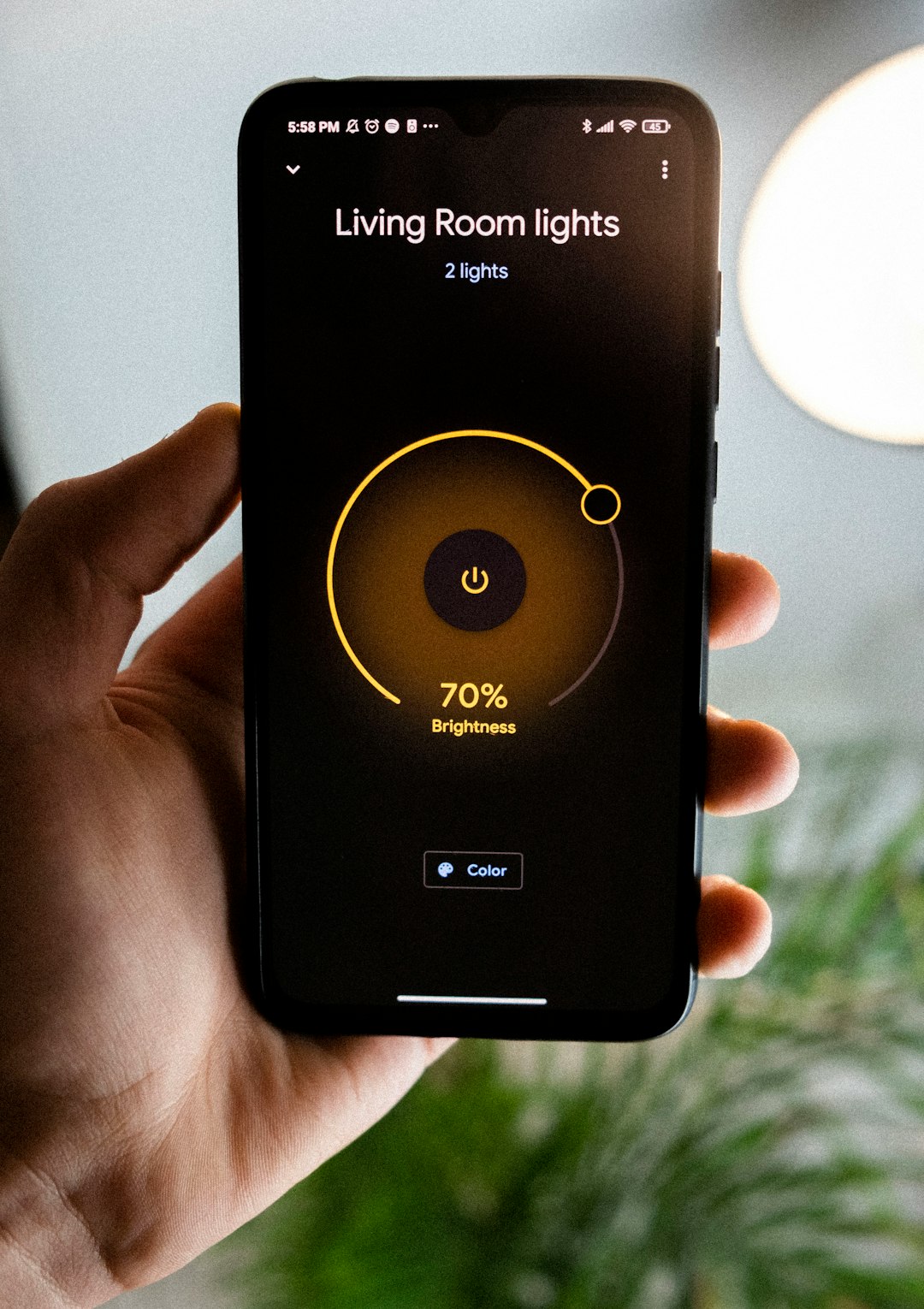
Smart lighting serves multiple purposes in rental properties, from deterring break-ins through randomized occupancy simulation to providing convenient control for tenants and energy savings for landlords. Modern systems can be controlled remotely via smartphone apps, programmed with complex schedules, and integrated with other smart home devices for comprehensive automation.
Motion-activated lighting in common areas, stairwells, and entryways improves safety while reducing energy consumption by ensuring lights operate only when needed. For Boston’s older multi-family buildings, smart switches can upgrade existing electrical systems without extensive rewiring, making them cost-effective improvements for landlords.
Color-changing LED bulbs allow tenants to customize their living spaces while using a fraction of the energy consumed by traditional lighting. Some models include circadian rhythm features that automatically adjust color temperature throughout the day to support healthy sleep patterns and improve tenant satisfaction.
Smart Electrical Outlets and USB Integration
Modern tenants expect convenient device charging and electrical access throughout their living spaces. Smart outlets with integrated USB ports eliminate the need for bulky adapters while providing remote control and scheduling capabilities for connected devices.
Energy monitoring features help both landlords and tenants understand electrical consumption patterns and identify energy-hungry appliances. Some models include surge protection and automatic shutoff features that can prevent electrical fires and protect valuable electronics.
For landlords, smart outlets provide valuable data about property electrical usage and can help identify potential maintenance issues before they become costly problems. Remote control capabilities allow turning off forgotten appliances or electronics, potentially preventing fires or reducing energy waste.
Water Management and Leak Prevention
Water damage represents one of the most expensive and disruptive problems facing Boston landlords, particularly in older buildings with aging plumbing systems. Smart water management products can prevent minor leaks from becoming major disasters while providing early warning of potential problems.
Smart Water Leak Detection Systems
Modern leak detection systems use multiple sensors throughout the property to monitor for water in areas where it shouldn’t be present. When leaks are detected, immediate smartphone notifications allow landlords or maintenance personnel to respond quickly, potentially saving thousands of dollars in water damage repairs.
Advanced systems can automatically shut off water supply when significant leaks are detected, preventing catastrophic flooding that could damage multiple units in Boston’s densely packed multi-family buildings. This feature proves particularly valuable for landlords managing properties remotely or during vacation rental periods.
Wireless sensors can be placed near water heaters, under sinks, around toilets, and in basements or utility areas where leaks commonly occur. Battery-powered models eliminate the need for electrical connections, making installation simple and non-invasive.
Smart Water Usage Monitoring
Water usage monitoring systems help landlords identify unusual consumption patterns that might indicate leaks, running toilets, or other plumbing issues. For properties where landlords pay water bills, these systems can identify problems before they result in surprisingly high utility costs.
Some advanced models provide tenant usage data that can help resolve disputes about water consumption and encourage conservation. Real-time monitoring can detect issues like continuously running toilets or dripping faucets that tenants might not notice but that can waste hundreds of gallons monthly.
Smart Appliances and Kitchen Technology
Kitchen appliances represent significant investments for landlords while being daily-use items that greatly impact tenant satisfaction. Smart appliances offer enhanced functionality, energy efficiency, and remote monitoring capabilities that benefit both property owners and renters.
Connected Refrigeration and Food Storage
Smart refrigerators provide features that modern tenants increasingly expect, including internal cameras that allow checking contents remotely, temperature monitoring that prevents food spoilage, and energy management systems that reduce operating costs. For landlords, diagnostic capabilities can identify potential problems before they result in expensive repairs or tenant complaints.
Advanced models include inventory tracking features that help tenants manage food purchases and reduce waste. Some units integrate with grocery delivery services, making them particularly appealing to busy Boston professionals who value convenience.
Energy monitoring helps landlords understand appliance operating costs and identify units that may be consuming excessive power due to maintenance issues or efficiency problems. Smart diagnostics can predict component failures and schedule preventive maintenance to avoid inconvenient breakdowns.
Intelligent Cooking and Food Preparation
Smart cooking appliances enhance safety while providing the advanced features that attract quality tenants. Induction cooktops with automatic shutoff features reduce fire risks in rental properties, while smart ovens with remote monitoring allow tenants to check cooking progress from anywhere in the building.
Precision temperature control in smart appliances ensures consistent cooking results while potentially reducing energy consumption compared to traditional models. For Boston’s many young professional tenants, features like guided cooking and recipe integration make home cooking more accessible and enjoyable.
Safety monitoring features can send alerts if appliances are left on unattended, potentially preventing fires or other accidents. This capability provides peace of mind for both tenants and landlords while potentially reducing insurance risks.
Entertainment and Connectivity Solutions
Modern tenants expect robust internet connectivity and entertainment options throughout their living spaces. Smart home networking and entertainment products can differentiate rental properties while providing practical benefits for property management.
Mesh Networking and Connectivity
Reliable internet access throughout large Boston apartments or multi-story rental properties requires more than basic router setups. Mesh networking systems provide consistent high-speed connectivity in every room, eliminating dead zones that frustrate tenants and potentially affect lease renewals.
For landlords managing multiple units, enterprise-grade mesh systems can provide separate networks for each apartment while allowing centralized management and monitoring. This approach ensures tenants receive reliable service while maintaining security separation between units.
Advanced systems include parental controls, guest network capabilities, and bandwidth management features that can be valuable amenities for family tenants. Quality-of-service features ensure smooth streaming and video conferencing, which became critical requirements during remote work periods.
Are You a Licensed MA Real Estate Agent?
List your Boston rentals and properties free on Homzora. Zero fees. Zero commissions. Direct leads sent to you.
Smart TV and Audio Integration
Built-in entertainment systems can be valuable amenities for furnished rental properties or short-term rental units. Smart TVs with pre-configured streaming services eliminate setup hassles for tenants while providing consistent experiences across multiple properties.
Whole-home audio systems allow tenants to enjoy music throughout their living spaces while offering landlords the ability to provide premium amenities that justify higher rental rates. Modern systems can be controlled via smartphone apps and integrate with popular music streaming services.
For Boston’s many student rental properties, easy-to-use entertainment systems can be significant selling points when competing for quality tenants. Simple setup and intuitive controls reduce support requests while improving tenant satisfaction.
Health and Safety Monitoring
Smart safety devices go beyond traditional smoke detectors and carbon monoxide alarms to provide comprehensive monitoring and immediate alerts for various potential hazards common in rental properties.
Advanced Fire and Carbon Monoxide Detection
Next-generation smoke and carbon monoxide detectors provide smartphone notifications, voice announcements specifying the type and location of detected hazards, and battery level monitoring that prevents middle-of-the-night chirping complaints from tenants.
Interconnected systems ensure that hazard detection in one area triggers alarms throughout the property, providing maximum safety for tenants while meeting Boston’s strict fire safety requirements for rental properties. Some models include emergency lighting features that activate during evacuations.
Advanced sensors can differentiate between actual fires and cooking smoke, reducing false alarms that can desensitize tenants to real emergencies. This feature proves particularly valuable in Boston’s many small apartments where kitchens are close to sleeping areas.
Indoor Environmental Monitoring
Comprehensive environmental monitoring systems track multiple factors that affect tenant health and property conditions, including temperature, humidity, air quality, noise levels, and light exposure. This data helps landlords maintain optimal living conditions while identifying potential problems early.
For Boston’s older rental properties, monitoring systems can detect conditions that might contribute to mold growth, pest problems, or structural issues. Early detection allows preventive action that costs far less than addressing major problems after they develop.
Some systems include noise monitoring features that can help resolve neighbor disputes objectively while ensuring lease compliance with quiet hours requirements. This capability can be particularly valuable in Boston’s densely populated rental markets.
Smart Home Integration and Control Systems
The most effective smart home installations integrate multiple devices through centralized control systems that provide seamless operation and comprehensive automation capabilities.
Hub-Based Integration Platforms
Smart home hubs serve as central command centers that coordinate multiple devices and enable complex automation scenarios. For landlords managing multiple properties, centralized control platforms allow remote monitoring and management of numerous smart devices across their entire portfolio.
Advanced hubs support multiple communication protocols, ensuring compatibility with devices from various manufacturers. This flexibility allows landlords to choose the best products for specific applications while maintaining centralized control and monitoring.
Voice control integration through popular platforms makes smart home features more accessible to tenants while reducing the learning curve for new technology. Simple voice commands can control lighting, climate, security, and entertainment systems without requiring smartphone apps.
Automated Scenarios and Scheduling
Intelligent automation can coordinate multiple smart devices to create scenarios that improve tenant experiences while reducing operating costs. For example, “away” modes can automatically adjust thermostats, turn off unnecessary lights, and arm security systems when apartments are vacant.
Seasonal automation can adjust systems based on Boston’s changing weather patterns, automatically switching from heating to cooling modes and adjusting humidity controls as needed. This approach ensures optimal tenant comfort while minimizing energy consumption.
Occupancy-based automation can detect when apartments are occupied and adjust systems accordingly. This capability ensures tenant comfort while preventing energy waste during vacant periods between lease terms.
Budget-Conscious Smart Home Solutions
Effective smart home improvements don’t require massive investments. Strategic selection of cost-effective products can provide significant benefits while maintaining reasonable budgets for both landlords and renters.
High-Impact, Low-Cost Upgrades
Smart plugs represent one of the most cost-effective entry points into home automation, allowing control of existing appliances and electronics through smartphone apps. These devices can schedule lamps for security purposes, control space heaters for energy efficiency, or manage coffee makers for convenience.
Battery-powered smart sensors provide valuable monitoring capabilities without requiring electrical work or permanent installation. Door and window sensors can enhance security systems, while temperature and humidity sensors help monitor environmental conditions throughout properties.
Smart light bulbs offer immediate benefits including remote control, scheduling, dimming, and color changing capabilities. These improvements can transform apartment ambiance while reducing energy consumption and providing security benefits through automated schedules.
Scalable Implementation Strategies
Starting with basic smart home features and expanding over time allows landlords to spread costs while learning which products provide the most value for their specific properties and tenant demographics. Beginning with security basics like smart locks and cameras establishes a foundation that can be expanded with additional devices.
Focus on products that provide immediate returns on investment through energy savings, reduced maintenance costs, or increased rental values. Climate control and lighting automation often provide measurable cost reductions while improving tenant satisfaction.
Consider tenant feedback when planning smart home upgrades, as features that tenants value most highly can justify premium rental rates and improve tenant retention. Survey current tenants about desired smart home features to guide investment priorities.
Installation and Maintenance Considerations
Successful smart home implementations require careful planning around installation requirements, ongoing maintenance needs, and tenant education to ensure maximum benefit realization.
Professional vs. DIY Installation
While many smart home products are designed for easy DIY installation, some devices require professional installation to ensure proper operation and compliance with local building codes. Smart thermostats may require HVAC system compatibility verification, while hardwired security devices need electrical expertise.
For landlords managing multiple properties, establishing relationships with qualified installers can ensure consistent, professional installations while potentially securing volume pricing discounts. Proper installation reduces callback service visits and ensures devices operate reliably long-term.
Document all installations thoroughly, including device locations, network credentials, and configuration settings. This information proves invaluable for troubleshooting, maintenance, and tenant transitions.
Ongoing Support and Maintenance
Smart home devices require periodic updates, battery replacements, and occasional troubleshooting. Establishing clear maintenance procedures ensures devices continue operating effectively while minimizing tenant service requests.
Consider remote monitoring capabilities that alert landlords to device malfunctions, low batteries, or connectivity issues before they affect tenant experiences. Proactive maintenance approaches prevent minor issues from becoming tenant complaints or service calls.
Provide tenants with basic troubleshooting guides and contact information for technical support. Clear communication about smart home features and their operation reduces confusion while encouraging proper usage that maximizes benefit realization.
Future-Proofing Your Smart Home Investment
Technology evolves rapidly, making it important to select smart home products that will remain useful and supported for years to come. Focus on devices from established manufacturers with strong track records of product support and regular software updates.
Choose products that support industry-standard communication protocols rather than proprietary systems that might become obsolete. Open standards ensure compatibility with future devices and reduce the risk of being locked into specific manufacturers.
Consider upgrade paths when selecting smart home platforms and devices. Systems that allow gradual expansion and component upgrades provide better long-term value than closed systems requiring complete replacement when technology advances.
Monitor emerging technologies like Matter protocol adoption, which promises improved interoperability between devices from different manufacturers. Early adoption of universal standards can simplify future smart home expansion and reduce compatibility issues.
The Boston rental market’s continued evolution toward smart home expectations makes these investments increasingly necessary for competitive properties. Strategic implementation of appropriate smart home products can improve tenant satisfaction, reduce operating costs, and increase property values while positioning landlords for success in an increasingly technology-focused rental market.
Are You a Licensed MA Real Estate Agent?
List your Boston rentals and properties free on Homzora. Zero fees. Zero commissions. Direct leads sent to you.
📋 Free: The Boston Renter’s Move-In Rights Checklist
Monthly insights on Boston rents, home tips, and investment opportunities, delivered free to your inbox.
Legal Documents: Buying or selling an occupied property? Use a LawDepot Lease Assignment Agreement in minutes. Trusted by landlords and renters across Massachusetts.
Data sources and methodology
Rent data compiled from publicly available sources including the U.S. Census Bureau American Community Survey, Massachusetts Association of Realtors, Zillow Research, CoStar Group, and MBTA ridership reports. Neighborhood statistics reflect current market conditions as of 2026. Figures are estimates based on available market data and should be used for informational purposes. For precise current listings and pricing contact a licensed Massachusetts real estate professional.
Related Boston Housing Resources
Recommended for Boston Property Owners
Upgrade your Boston rental property with a reliable automatic gate opener. Easy installation, app control, and built for New England weather.
Power Backup for Boston Homeowners
Power your Boston home or rental property with BLUETTI portable power stations. Perfect backup power for New England winters and storm season.
Recommended Furniture for Boston Apartments
Save 12% sitewide on Sicotas furniture. Perfect for Boston apartment upgrades, landlord property improvements, and first time renters.
Improve Your Credit Score Fast
Boost your credit score faster with Tradeline Supply Company. Become an authorized user on seasoned credit accounts to improve your score before renting in Boston.
Boston Home Financing
Tap into your Boston home equity with a cash out refinance. Use your equity to fund renovations, investments, or debt consolidation.
Find a Local Pro in Greater Boston
Need a trusted home pro in Greater Boston? Angi connects you with vetted local contractors for any home project.
Shop at Electronic Express
Shop TVs, appliances, smart home devices, and more at Electronic Express. Family owned retailer with lowest prices and free shipping on many items.
Premium Furniture for Your Boston Home
Elevate your Boston apartment or home with HERNEST modern furniture. Timeless designs built to last with fast delivery to Greater Boston.
Smart Home Upgrade: Explore TP-Link Tapo smart home devices including cameras, smart plugs, switches, and robot vacuums at the TP-Link Tapo Store.
Lighting Upgrade: Transform any room in your home with premium lighting fixtures, ceiling fans, chandeliers, and lamps from Lighting New York one of the largest lighting retailers in the country.