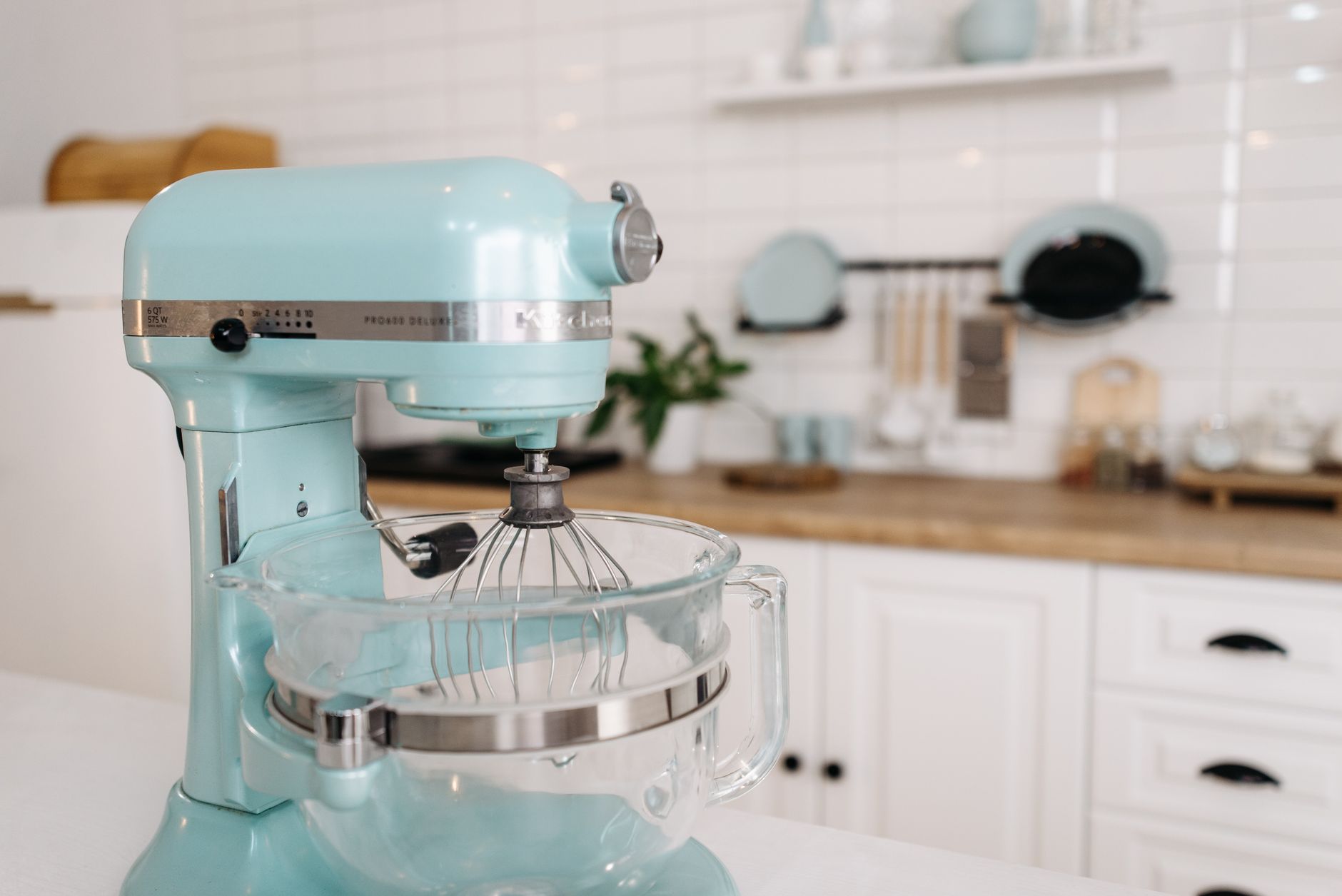
Whether you are staging a luxury condo in Back Bay or outfitting a newly renovated kitchen in South Boston, the right appliances can make all the difference. KitchenAid stand mixers have long been a symbol of culinary sophistication, and in 2026 they continue to hold that reputation firmly. For home bakers who want professional results and for real estate agents who understand the power of a beautifully staged kitchen, choosing the best KitchenAid stand mixer is a decision worth taking seriously. This guide breaks down the top models available, explains how they fit into the Boston real estate landscape, and helps you make an informed choice whether you are buying for personal use or for staging a property that needs to impress.
Why KitchenAid Stand Mixers Matter in Boston Real Estate Staging
Boston is one of the most competitive real estate markets in the entire country. From Beacon Hill brownstones to modern Seaport District condominiums, sellers need every advantage they can find. Kitchen staging has become one of the most effective tools in a listing agent’s arsenal, and placing a premium KitchenAid stand mixer on the counter sends a powerful message to prospective buyers. It communicates that the kitchen is a place of warmth, creativity, and quality living. It suggests a home where families gather and memories are made.
Real estate professionals who work with clients across neighborhoods like Jamaica Plain, Brookline, and Cambridge consistently report that kitchens with well chosen appliances and thoughtful staging sell faster and at higher price points. A gleaming KitchenAid mixer in a color that complements the cabinetry can become the visual anchor of an entire kitchen presentation. It is a small investment with potentially significant returns when you consider the asking prices in Boston’s current market.
If you are actively preparing to buy or sell a property in the Boston area, it helps to understand local market conditions. Tools like the Boston Housing Data resource from Homzora give you up to date insights into pricing trends, inventory levels, and neighborhood performance metrics that can inform your staging and selling strategy.
Top KitchenAid Stand Mixers for 2026
KitchenAid has expanded its lineup significantly over the past few years, and in 2026 there are more options than ever before. Understanding the differences between models will help you choose the one that fits your needs, whether you are a passionate home baker or a real estate professional looking for the perfect staging piece.
KitchenAid Artisan Series 5 Quart Tilt Head Stand Mixer
The Artisan Series remains the gold standard for home bakers and the most recognizable model in the KitchenAid family. Available in over 25 colors, it offers enough versatility to match virtually any kitchen color palette. For staging purposes in Boston condos and townhomes, the Artisan Series is a top choice because it photographs beautifully and commands attention without looking out of place.
This model comes with a 5 quart stainless steel bowl, a flat beater, a dough hook, and a wire whip. It has 10 speed settings that handle everything from a gentle stir to a rapid whip. The tilt head design makes it easy to attach accessories and swap out bowls, which is a practical feature for everyday bakers.
- Capacity: 5 quarts, enough for up to 9 dozen cookies or 4 loaves of bread at once
- Motor: 325 watts, reliable for most home baking tasks
- Colors: Over 25 options including Empire Red, Onyx Black, and Pistachio
- Price range: Approximately 400 to 500 dollars
- Best for: Everyday home bakers and kitchen staging in mid range listings
KitchenAid Professional 600 Series 6 Quart Bowl Lift Stand Mixer
For serious home bakers and for staging high end kitchens in Boston’s luxury market, the Professional 600 Series is the model to consider. Its bowl lift design gives it a more robust and commercial appearance that complements high end cabinetry and premium finishes. This is the mixer you place in a staged kitchen on Commonwealth Avenue or in a Seaport penthouse to signal that no expense was spared.
The Professional 600 features a powerful 575 watt motor that handles heavy doughs with ease. The 6 quart bowl can accommodate large batches, making it a practical choice for bakers who produce in volume. The all metal construction and sturdy build quality reinforce the sense of permanence and quality that luxury buyers expect.
- Capacity: 6 quarts, handles up to 13 dozen cookies or 8 loaves of bread
- Motor: 575 watts for heavy duty mixing tasks
- Design: Bowl lift style with a solid, professional appearance
- Price range: Approximately 550 to 700 dollars
- Best for: Heavy bakers, large families, and luxury property staging
KitchenAid Artisan Mini 3.5 Quart Tilt Head Stand Mixer
The Artisan Mini is the perfect solution for smaller Boston apartments and condominiums where counter space is at a premium. In a city where studio and one bedroom units are common, a full size stand mixer can feel overwhelming in a compact kitchen. The Artisan Mini delivers the same iconic look in a footprint that is 20 percent smaller and 25 percent lighter than the full size Artisan.
Despite its smaller size, the Artisan Mini performs impressively. It handles most standard baking tasks with ease and still comes in a wide range of colors. For staging smaller units in neighborhoods like the South End or Charlestown, this model is an excellent choice that adds visual appeal without overwhelming the space.
- Capacity: 3.5 quarts, suitable for smaller batch baking
- Motor: 250 watts for lighter mixing tasks
- Size advantage: Smaller footprint ideal for compact kitchens
- Price range: Approximately 300 to 400 dollars
- Best for: Urban apartment dwellers and staging compact kitchen spaces
KitchenAid Commercial 8 Quart Stand Mixer
For home bakers who operate small cottage bakeries or for staging a chef’s kitchen in a grand Boston single family home, the Commercial 8 Quart Stand Mixer is a statement piece. This model bridges the gap between home and professional equipment with its massive capacity and 1.3 horsepower motor.
This mixer signals serious culinary ambition and pairs perfectly with professional grade ranges and expansive kitchen islands. If you are staging a property in Newton, Wellesley, or the more prestigious corners of Brookline, this model adds an unmistakable element of prestige to the presentation.
- Capacity: 8 quarts for very large batch production
- Motor: 1.3 horsepower, the most powerful in the home lineup
- Design: Commercial inspired appearance with bowl lift functionality
- Price range: Approximately 800 to 1000 dollars
- Best for: Serious bakers and staging high end chef’s kitchens
Choosing the Right KitchenAid Color for Boston Kitchen Staging
Color selection is more important than many people realize when it comes to kitchen staging in the Boston real estate market. The right mixer color can tie together the entire kitchen aesthetic and create a cohesive visual story that resonates with buyers during showings and in listing photographs.
Neutral Tones for Broad Appeal
Colors like Matte White, Silver, and Onyx Black work beautifully in modern kitchens with clean lines and neutral palettes. These shades are particularly effective in Seaport District condos and newly renovated properties throughout Cambridge and Somerville where contemporary design is the dominant aesthetic. Neutral toned mixers photograph exceptionally well and appeal to the widest range of potential buyers.
Bold Colors for Character and Personality
In historic neighborhoods like Beacon Hill and the South End, bolder colors can complement the character of older homes. Empire Red is a perennial favorite that adds warmth and energy to a kitchen. Colors like Pistachio and Hibiscus work well in properties that are being positioned as fun, vibrant, and welcoming family homes. The key is matching the mixer color to the overall mood and target buyer demographic for the specific listing.
KitchenAid Accessories That Add Value
One of the most compelling aspects of owning a KitchenAid stand mixer is the extensive ecosystem of attachments available. For buyers who appreciate culinary versatility, highlighting a mixer’s accessory potential can be an effective selling point during a property showing.
- Pasta maker attachment for fresh pasta production at home
- Food grinder for custom ground meats and vegetable mixtures
- Ice cream maker bowl for homemade frozen desserts
- Spiralizer attachment for vegetable noodles and creative presentations
- Grain mill for milling fresh flour from whole grains
- Citrus juicer for fresh squeezed juices and cocktail preparation
When staging a kitchen for a luxury listing, having one or two premium attachments displayed alongside the mixer suggests a complete and aspirational culinary lifestyle. This level of detail resonates particularly well with Boston’s younger professional buyer demographic that values both aesthetics and functionality.
Are You a Licensed MA Real Estate Agent?
List your Boston rentals and properties free on Homzora. Zero fees. Zero commissions. Direct leads sent to you.
The Financial Side of Home Improvements and Real Estate Preparation
Investing in quality appliances and staging materials is just one part of preparing a property for the Boston market. Understanding the financial landscape is equally important, whether you are a seller looking to maximize your return or a buyer preparing to make a competitive offer.
Finding the Right Boston Neighborhood for Your Lifestyle
The neighborhood you choose to live in will shape your daily life in profound ways, including how you use your home kitchen and the kind of community you become part of. Boston offers an extraordinary range of neighborhood personalities, from the historic streets of Beacon Hill to the vibrant restaurant scene of the South End and the family friendly atmosphere of West Roxbury.
If you are in the process of deciding where to put down roots in the greater Boston area, the Boston Neighborhood Finder from Homzora is an invaluable resource. It helps match your lifestyle preferences, budget, and commuting needs with the neighborhoods best suited to your situation, taking the guesswork out of one of the most important decisions you will make.
Protecting Your Investment with Home Warranty Coverage
For Boston homeowners who are managing older properties with aging systems, home warranty coverage is especially valuable. The city’s housing stock includes many older homes where plumbing, electrical, and HVAC systems may require attention over time. Having a reliable warranty plan in place allows you to maintain your property confidently and protects the investment you have made in upgrades and improvements.
Tips for Staging Your Kitchen to Maximize Boston Home Sale Price
Effective kitchen staging goes beyond simply placing a beautiful mixer on the counter. Here are professional tips for creating a kitchen presentation that resonates with Boston buyers.
Declutter and Create Visual Space
Remove unnecessary items from countertops and inside cabinets. Boston buyers who pay premium prices expect organized, spacious kitchen environments even in smaller units. A clean and uncluttered presentation allows the KitchenAid mixer and other carefully chosen accessories to stand out.
Use Fresh Ingredients as Props
Placing a bowl of fresh lemons, a bunch of herbs, or a rustic bread loaf near the mixer creates a sense of life and warmth. These props suggest a kitchen that is actively used and loved, which is a powerful emotional trigger for buyers who envision themselves cooking and entertaining in the space.
Coordinate Colors Throughout the Kitchen
From the mixer color to the dish towels to the small decorative accents, creating a cohesive color palette throughout the kitchen makes the space feel intentional and professionally designed. This attention to detail is something that buyers notice and remember long after the showing has ended.
Ensure Excellent Lighting
Kitchen lighting plays a crucial role in how staging elements are perceived. Replace any dim or outdated fixtures with bright, warm LED lighting that flatters both the space and the appliances within it. Well lit kitchens photograph beautifully and create a welcoming atmosphere during in person showings.
The Long Term Value of Investing in Quality Kitchen Appliances
Whether you are buying a KitchenAid stand mixer for your own enjoyment as a home baker or as part of a strategic real estate staging plan, the investment delivers returns that extend beyond the immediate purpose. Quality appliances contribute to the overall perceived value of a home, make daily life more enjoyable, and in the context of Boston real estate, can meaningfully influence a buyer’s emotional connection to a property.
The Boston real estate market in 2026 continues to reward sellers who invest thoughtfully in presentation and buyers who approach their purchases with careful research and preparation. Understanding both the tangible and emotional elements that drive buyer decisions gives you a competitive edge in one of the most dynamic housing markets in the country.
Start Your Boston Real Estate Journey with Homzora
Whether you are a home baker looking for the perfect stand mixer to complement your newly renovated kitchen, a seller preparing a property for the competitive Boston market, or a buyer searching for the neighborhood that perfectly matches your lifestyle, having the right resources and guidance makes all the difference.
Homzora is dedicated to helping clients navigate the Boston real estate landscape with confidence and clarity.
Stay Ahead of the Boston Market
Monthly insights on Boston rents, home tips, and investment opportunities delivered free to your inbox.