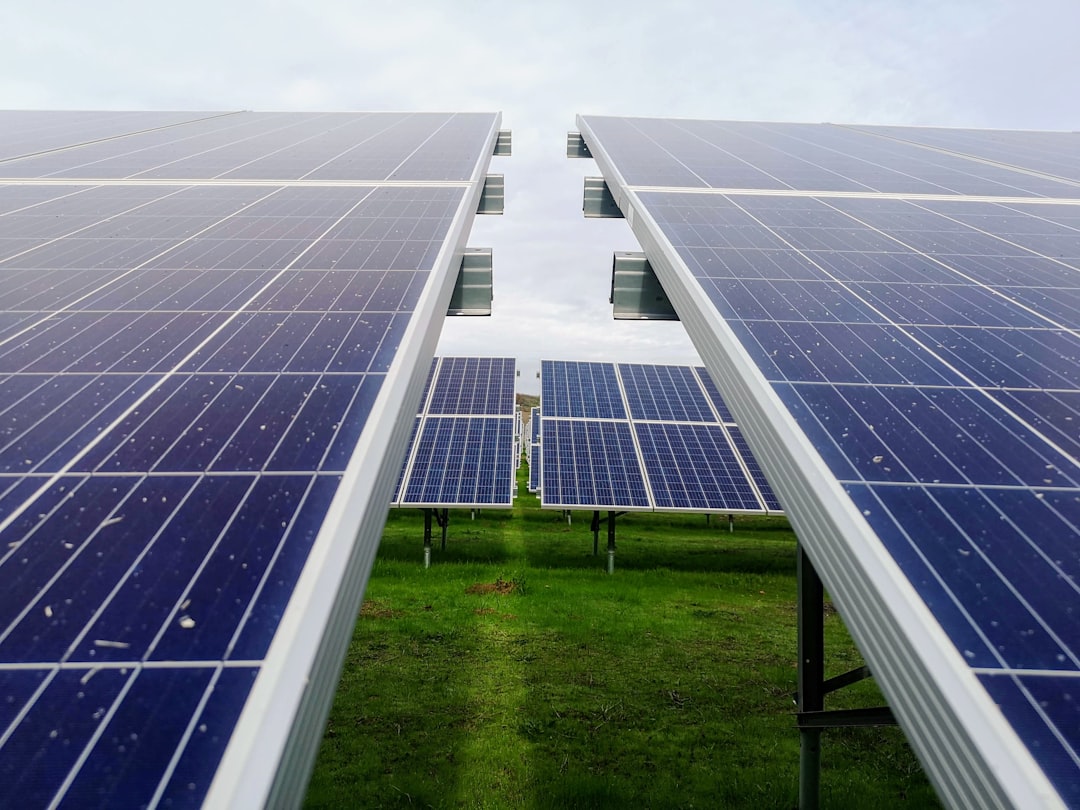
New England homeowners are increasingly turning to solar energy as a reliable and cost-effective way to power their homes while reducing their environmental impact. With Massachusetts leading the nation in solar incentives and Boston’s commitment to renewable energy goals, there’s never been a better time to consider solar panel installation for your property. This comprehensive guide will walk you through everything you need to know about solar panels, from understanding costs and benefits to navigating the installation process specifically for Boston and New England homeowners.
🏠 Top Picks for Boston Landlords & Homeowners
Shop our top-rated home essentials, smart locks, thermostats, security cameras, and more.
Understanding Solar Energy in New England’s Climate
Many Boston homeowners worry that New England’s weather patterns make solar panels less effective than in sunnier climates like California or Arizona. However, this concern is largely unfounded. Solar panels actually perform more efficiently in cooler temperatures, and Massachusetts receives sufficient sunlight throughout the year to make solar installations highly profitable.
The key factor isn’t just direct sunlight but total solar irradiance, which includes both direct and diffused light. Even on cloudy days, solar panels continue generating electricity. New England experiences an average of 4-5 peak sun hours daily, which is more than adequate for a robust solar energy system. Additionally, snow can actually help solar panels by reflecting additional light onto the panels and naturally cleaning them as it slides off.
Boston’s four-season climate means your solar production will vary throughout the year, with peak production during long summer days and lower output during winter months. However, net metering policies in Massachusetts allow you to bank excess summer production as credits to offset winter usage, making year-round solar viability a reality for local homeowners.
Massachusetts Solar Incentives and Financial Benefits
Massachusetts offers some of the most generous solar incentives in the country, making solar installations particularly attractive for Boston area homeowners. The federal solar Investment Tax Credit (ITC) allows you to deduct 30% of your solar installation costs from your federal taxes through 2032, when it drops to 26% and eventually phases down to 22% by 2034.
State-Level Incentives
The Massachusetts Solar Massachusetts Renewable Target (SMART) program provides performance-based incentives that pay you for every kilowatt-hour your system produces over a 10-year period. These payments vary by utility company and installation size but can significantly improve your return on investment.
Massachusetts also offers Solar Renewable Energy Certificates (SRECs), which allow you to sell certificates representing the environmental benefits of your solar production. Each SREC represents 1,000 kilowatt-hours of solar production and can be sold to utilities that need to meet renewable energy requirements.
Local Utility Programs
Boston area utilities including Eversource and National Grid offer net metering programs that credit you for excess electricity your panels produce. When your system generates more power than you use, the excess flows back into the grid, and you receive credits on your electric bill. These credits can offset electricity you draw from the grid when your panels aren’t producing enough power, such as at night or during peak winter months.
Some municipalities also offer property tax exemptions for solar installations, meaning the added value to your home from solar panels won’t increase your property taxes. This varies by location, so check with your local assessor’s office for specific policies in your area.
Solar Panel Installation Costs in Boston
Understanding the true cost of solar panel installation requires looking beyond just the upfront price. For Boston homeowners, the average residential solar installation costs between $15,000 and $25,000 before incentives, depending on system size and complexity. After applying federal and state incentives, many homeowners see their net cost drop to $8,000-$15,000.
Factors Affecting Installation Costs
Several factors influence your total installation cost. Roof condition plays a significant role if your roof needs repairs or replacement, it’s best to address this before solar installation. The age and material of your roof also affect mounting requirements and labor costs.
System size directly correlates with cost, but larger systems often have better cost-per-watt economics. Most Boston homes install systems between 6-10 kilowatts, which is typically sufficient to offset a significant portion of annual electricity usage. Your specific energy consumption patterns, roof space, and budget will determine the optimal system size.
Panel type and quality also impact costs. Monocrystalline panels are more efficient but cost more than polycrystalline panels. However, higher efficiency panels may be worth the investment if you have limited roof space or want to maximize production. For detailed guidance on selecting the right equipment and understanding installation processes, Check on Amazon → for comprehensive installation guides and resources.
Financing Options
Most Boston homeowners don’t pay cash upfront for solar installations. Popular financing options include solar loans, leases, and power purchase agreements (PPAs). Solar loans allow you to own the system and benefit from all incentives while spreading payments over 10-20 years. Many solar loans offer competitive interest rates, and monthly payments are often less than your current electric bill.
Solar leases and PPAs require little to no money upfront, but you don’t own the system and may not benefit from all available incentives. The leasing company maintains the system, which can be attractive to homeowners who prefer a hands-off approach. However, ownership typically provides better long-term financial benefits.
Choosing the Right Solar Installer in Boston
Selecting a qualified, reputable installer is crucial for a successful solar project. The solar industry has grown rapidly, and not all installers provide the same quality of work or customer service. Start by researching installers who are licensed in Massachusetts and have experience working in the Boston area.
Credentials and Experience
Look for installers certified by the North American Board of Certified Energy Practitioners (NABCEP). This certification demonstrates technical competence and commitment to industry best practices. Also verify that the installer carries proper insurance and bonding to protect you from potential liability.
Experience matters significantly in solar installation. Boston’s housing stock includes many older homes with unique architectural features that require experienced installers familiar with local building codes and permitting requirements. Ask potential installers about their experience with homes similar to yours and request local references you can contact.
Getting Multiple Quotes
Always obtain quotes from at least three different installers to compare pricing, equipment options, and warranties. Be wary of door-to-door salespeople or high-pressure tactics. Reputable installers will provide detailed proposals that clearly outline system specifications, costs, expected production, and warranty terms.
Compare quotes carefully, looking beyond just the bottom-line price. Consider the quality of equipment proposed, warranty terms, installer experience, and customer reviews. The lowest price isn’t always the best value if it means compromising on quality or service.
The Installation Process: What to Expect
Understanding the solar installation process helps you prepare and know what to expect at each stage. The entire process typically takes 1-3 months from contract signing to system activation, though actual installation usually takes just 1-3 days.
Site Assessment and System Design
After choosing an installer, they’ll conduct a detailed site assessment of your property. This includes evaluating your roof condition, measuring available space, assessing shading issues, and analyzing your electrical system. They’ll also review your historical electricity usage to properly size your system.
Using this information, the installer creates a custom system design showing panel placement, electrical connections, and expected energy production. Advanced software can provide 3D renderings showing exactly how panels will look on your roof and predict monthly production throughout the year.
Permits and Approvals
Your installer handles obtaining necessary permits from your local building department and utility company. This process can take several weeks and varies by municipality. Boston and surrounding communities have streamlined permitting processes for solar installations, but requirements still vary between locations.
The installer submits detailed plans showing panel placement, electrical connections, and structural calculations to ensure your roof can safely support the additional weight. Most residential roofs easily handle solar panel weight, but older homes may require additional evaluation.
Installation Day
Actual installation typically takes 1-3 days, depending on system size and complexity. The crew will first install mounting rails on your roof, then attach panels and complete electrical connections. They’ll install an inverter to convert DC power from panels to AC power for your home, and a production meter to track system output.
Experienced installers work efficiently while taking care to protect your property and maintain safety standards. They should clean up thoroughly each day and leave your property in excellent condition upon completion.
Post-Installation: Monitoring and Maintenance
Once your system is installed and activated, ongoing monitoring and maintenance ensure optimal performance for decades. Modern solar systems include monitoring capabilities that allow you to track production in real-time through smartphone apps or web portals.
System Monitoring
Most systems include monitoring at the panel level, allowing you to identify performance issues with individual panels. This granular monitoring helps quickly identify problems like shading issues, panel damage, or electrical connection problems that could reduce overall system performance.
Are You a Licensed MA Real Estate Agent?
List your Boston rentals and properties free on Homzora. Zero fees. Zero commissions. Direct leads sent to you.
Regular monitoring helps you understand your system’s performance patterns and verify you’re receiving expected financial benefits. You’ll learn how weather conditions affect production and can identify any unusual drops in performance that might indicate maintenance needs.
Maintenance Requirements
Solar panels require minimal maintenance but benefit from occasional attention. In New England, snow load can temporarily reduce production, but panels are designed to handle significant weight, and snow typically slides off relatively quickly as panels warm up.
Occasional cleaning may improve performance, especially if you live near dusty roads or have trees that deposit debris on panels. However, rain usually provides adequate cleaning for most installations. Professional cleaning services are available if needed, though many homeowners find it unnecessary.
Annual inspections by qualified technicians can identify potential issues before they become serious problems. These inspections typically include checking electrical connections, verifying proper grounding, and ensuring mounting hardware remains secure.
Solar Panels and Property Values
Installing solar panels typically increases your property value, making it an attractive investment for Boston homeowners considering future resale. Studies consistently show that homes with solar panels sell for more than comparable homes without solar installations.
Market Perception in Boston
Boston area homebuyers increasingly view solar panels as desirable features rather than potential complications. Environmental consciousness and energy cost savings make solar installations attractive to many buyers, especially younger demographics who prioritize sustainability.
The key to maximizing value is ensuring your installation is properly permitted and documented. Keep all paperwork including permits, warranties, and system specifications organized for future buyers. This documentation demonstrates that the installation was completed professionally and helps buyers understand the system’s benefits.
For landlords and real estate investors, solar installations can provide additional advantages beyond energy savings. Tenants may be willing to pay higher rent for properties with lower utility costs, and solar installations can differentiate your properties in competitive rental markets.
Common Concerns and Misconceptions
Many Boston homeowners have concerns about solar installations based on misconceptions or outdated information. Understanding the reality behind common concerns can help you make an informed decision about solar energy for your property.
Roof Damage and Leaks
Professional installers use proven mounting systems designed to maintain roof integrity. Proper installation actually involves sealing mounting points better than they were before installation, potentially reducing leak risk. Quality installers warranty their work and carry insurance to cover any issues.
Modern mounting systems distribute panel weight evenly across roof structures and don’t require major modifications to your roof. Most installations can be removed if necessary without permanent damage to roofing materials.
Winter Performance
Solar panels continue producing electricity throughout New England winters, though at reduced levels compared to summer months. Snow typically slides off panels quickly, and the reflection from snow can actually boost production on clear days following snowfall.
Net metering policies mean you bank excess summer production as credits to offset reduced winter production, making year-round solar viability realistic for Boston area homeowners.
Making the Decision: Is Solar Right for Your Boston Home?
Determining whether solar makes sense for your specific situation involves evaluating several factors unique to your property and circumstances. Most Boston area homeowners find solar financially beneficial, but individual results vary based on energy usage, roof characteristics, and financial goals.
Evaluating Your Property
Start by examining your roof condition, age, and orientation. South-facing roofs with minimal shading provide optimal solar production, but east and west-facing roofs can also be viable. Avoid installing solar if your roof needs replacement within the next few years it’s more cost-effective to replace the roof first.
Review your electricity bills for the past year to understand your usage patterns and costs. Homes with higher electricity usage typically see better returns from solar installations. If your usage is very low, a smaller system might be sufficient, but the economics may be less compelling.
Consider your long-term plans for the property. Solar installations typically pay for themselves within 6-10 years, so plan to stay in your home or own the property long enough to realize benefits. However, since solar installations increase property values, shorter-term ownership doesn’t necessarily preclude solar installation.
Financial Analysis
Calculate potential savings by comparing your current annual electricity costs with projected costs after solar installation. Factor in available incentives and financing options to determine net installation costs and payback periods.
Consider escalating electricity rates when calculating long-term savings. Utility rates typically increase 2-3% annually, while solar panels provide fixed-price electricity for 25+ years. This rate protection becomes increasingly valuable over time.
For comprehensive analysis tools and detailed planning resources, Check on Amazon → for guides that can help you evaluate your specific situation and make informed decisions.
The Future of Solar in Boston
Boston and Massachusetts continue expanding support for renewable energy, making solar installations increasingly attractive. The city’s climate goals include significant carbon reduction targets that rely heavily on residential solar adoption.
Technology Improvements
Solar panel efficiency continues improving while costs decline, making installations more attractive over time. Battery storage technology is also advancing rapidly, offering Boston homeowners opportunities to store solar energy for use during outages or peak rate periods.
Smart home integration allows solar systems to work seamlessly with other home automation systems, optimizing energy usage and maximizing savings. These technologies will continue evolving, providing additional benefits for early solar adopters.
Policy Support
Massachusetts maintains strong policy support for solar energy through various incentive programs and renewable energy standards. This policy environment provides stability for homeowners considering solar investments.
Local utilities continue expanding net metering programs and developing new rate structures that benefit solar customers. These supportive policies make solar installations low-risk investments for Boston area homeowners.
As you consider solar installation for your Boston area property, take advantage of available resources to make informed decisions. Professional installers can provide detailed analyses specific to your situation, and Check on Amazon → for additional educational materials that can supplement professional advice.
Solar panel installation represents a significant opportunity for Boston homeowners to reduce energy costs, increase property values, and contribute to environmental sustainability. With favorable incentives, improving technology, and strong policy support, there’s never been a better time to consider solar energy for your New England home. Take the first step by getting quotes from qualified local installers and begin your journey toward energy independence.
📋 Free: The Boston Renter’s Move-In Rights Checklist
Monthly insights on Boston rents, home tips, and investment opportunities, delivered free to your inbox.
Legal Documents: Need a Massachusetts lease agreement? Get a legally compliant LawDepot Lease Agreement in minutes. Trusted by landlords and renters across Massachusetts.
Data sources and methodology
Rent data compiled from publicly available sources including the U.S. Census Bureau American Community Survey, Massachusetts Association of Realtors, Zillow Research, CoStar Group, and MBTA ridership reports. Neighborhood statistics reflect current market conditions as of 2026. Figures are estimates based on available market data and should be used for informational purposes. For precise current listings and pricing contact a licensed Massachusetts real estate professional.
Related Boston Housing Resources
Recommended for Boston Property Owners
Solar-powered gate solutions that work through Boston winters. No wiring needed and zero electricity cost.
Power Backup for Boston Homeowners
Switch from gas to solar with the BLUETTI Dark to Green program. Save money and reduce your Boston home energy costs permanently.
Smart Home Upgrade: Explore TP-Link Tapo smart home devices including cameras, smart plugs, switches, and robot vacuums at the TP-Link Tapo Store.
Lighting Upgrade: Transform any room in your home with premium lighting fixtures, ceiling fans, chandeliers, and lamps from Lighting New York one of the largest lighting retailers in the country.