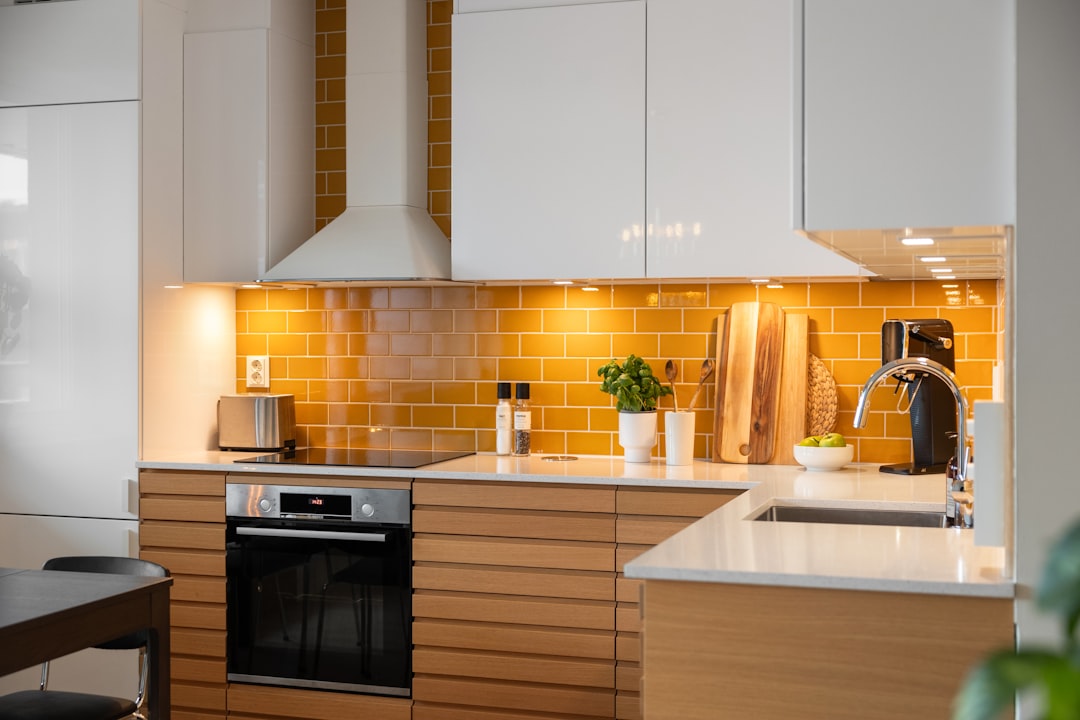
Understanding Kitchen Remodel Costs in Boston and New England
Kitchen remodeling represents one of the most significant investments Boston homeowners and landlords make in their properties. With the competitive New England real estate market, a well-executed kitchen renovation can substantially increase property value while enhancing daily living experiences. However, understanding the true costs involved requires careful consideration of regional factors, labor expenses, and material choices specific to the Boston metropolitan area.
🏠 Top Picks for Boston Landlords & Homeowners
Shop our top-rated home essentials, smart locks, thermostats, security cameras, and more.
The average kitchen remodel in Boston ranges from $25,000 to $85,000, with luxury renovations exceeding $100,000. These figures reflect the premium associated with skilled labor in Massachusetts, strict building codes, and the unique challenges of working with older New England homes. Unlike national averages, Boston’s costs are influenced by the city’s dense urban environment, limited parking for contractors, and the prevalence of historic properties requiring specialized expertise.
For landlords managing rental properties in Boston’s competitive market, kitchen renovations serve dual purposes: attracting quality tenants and justifying higher rental rates. A modern, functional kitchen can increase rental income by $200-500 monthly while reducing vacancy periods. However, balancing renovation costs with potential returns requires strategic planning and understanding of neighborhood-specific expectations.
Breaking Down Kitchen Remodel Categories and Pricing
Budget-Friendly Renovations ($15,000 $30,000)
Budget renovations focus on cosmetic improvements that maximize visual impact while minimizing structural changes. In Boston’s older housing stock, this approach often involves working within existing layouts to avoid expensive plumbing and electrical modifications. Typical budget renovations include painting cabinets, installing new hardware, updating countertops with laminate or butcher block, and replacing appliances with mid-range models.
For New England homeowners, budget renovations prove particularly effective in colonial and cape-style homes where original layouts remain functional. Cabinet refacing costs $3,000-8,000 compared to $15,000-25,000 for complete replacement. Laminate countertops range from $800-2,500, while ceramic tile backsplashes add character for $500-1,500 installed.
Boston landlords frequently choose budget renovations for rental properties, focusing on durable, low-maintenance materials that withstand tenant turnover. Vinyl plank flooring offers wood-like appearance for $3-8 per square foot installed, while subway tiles provide timeless appeal without premium costs.
Mid-Range Kitchen Renovations ($30,000 $65,000)
Mid-range renovations typically involve partial layout changes, upgraded appliances, and higher-quality finishes. In Boston’s brownstones and triple-deckers, these projects often include moving walls to create open concepts or expanding kitchens into adjacent spaces. Semi-custom cabinets, quartz countertops, and stainless steel appliance packages define this category.
Electrical updates frequently accompany mid-range renovations, particularly in older New England homes requiring modern safety standards. Adding GFCI outlets, upgrading panels, and installing under-cabinet lighting costs $2,000-5,000 but proves essential for code compliance and functionality.
Flooring upgrades to engineered hardwood or high-end tile add $4,000-8,000 to projects. In Boston’s climate, selecting materials resistant to humidity and temperature fluctuations prevents costly future repairs. Professional installation ensures proper subflooring preparation crucial for New England’s settling foundations.
High-End Kitchen Transformations ($65,000 $100,000+)
Luxury renovations involve complete room reconstruction, premium materials, and custom design elements. Boston’s Back Bay and Beacon Hill properties often require high-end approaches to match neighborhood standards and property values. Custom cabinetry, natural stone countertops, professional-grade appliances, and architectural details characterize these projects.
Structural modifications in high-end renovations frequently involve load-bearing wall removal, requiring structural engineers and permits costing $2,000-5,000. In historic Boston neighborhoods, additional approvals from preservation commissions may extend timelines and increase costs.
Premium appliance packages from brands like Sub-Zero, Wolf, or Miele range from $15,000-40,000. While expensive, these investments appeal to luxury buyers and tenants willing to pay premium rents for exceptional amenities.
Regional Cost Factors Affecting Boston Kitchen Remodels
Labor Costs and Contractor Availability
Boston’s skilled labor shortage significantly impacts renovation costs. Licensed electricians charge $75-125 hourly, while experienced carpenters command $45-80 hourly. Plumbers specializing in older homes charge premium rates of $85-150 hourly due to expertise required for vintage systems.
Contractor availability fluctuates seasonally, with spring and summer commanding higher rates due to demand. Scheduling renovations during fall and winter can reduce labor costs by 10-20%, though material delivery challenges during harsh New England winters may offset savings.
Union regulations in Boston affect larger projects, potentially increasing labor costs but ensuring quality workmanship and proper licensing. Non-union contractors may offer lower rates but require careful vetting to ensure proper insurance and licensing compliance.
Permitting and Code Requirements
Boston’s building codes are among the nation’s strictest, reflecting the city’s commitment to safety and historic preservation. Kitchen renovations typically require permits costing $500-2,500, depending on scope and location. Electrical permits alone cost $100-500, while plumbing permits range from $150-750.
Historic district properties face additional restrictions, requiring design approval before construction begins. These processes add 2-6 weeks to timelines and may necessitate expensive historically-appropriate materials. However, tax credits and grants sometimes offset additional costs for qualifying properties.
Energy efficiency requirements in Massachusetts encourage high-performance windows, insulation, and appliances. While increasing upfront costs, these features provide long-term savings and may qualify for state rebates and federal tax credits.
Material Delivery and Storage Challenges
Urban Boston’s narrow streets and limited parking create unique logistical challenges affecting renovation costs. Crane rentals for appliance delivery to upper floors cost $500-2,000 daily. Storage permits for construction dumpsters range from $100-300 weekly in dense neighborhoods.
Material protection during harsh New England winters requires climate-controlled storage, potentially adding 5-15% to material costs. Contractors often charge premiums for winter work due to heating requirements and weather-related delays.
Essential Planning Resources and Professional Guidance
Successful kitchen renovations begin with thorough planning and professional consultation. Design-build firms specializing in New England homes understand regional challenges and can provide accurate cost estimates based on local market conditions. Many Boston homeowners benefit from consulting comprehensive renovation guides that address regional considerations and provide detailed cost breakdowns. Check on Amazon →
Architectural services prove valuable for complex renovations involving structural changes or historic properties. Boston architects familiar with local codes and design review processes can streamline approvals and prevent costly mistakes. Fees typically range from $2,000-8,000 for kitchen-specific designs.
Interior designers specializing in functional kitchen layouts help optimize space utilization and material selection. Their industry connections often provide access to trade-only products and contractor discounts, potentially offsetting design fees through savings.
Strategic Money-Saving Approaches for Boston Homeowners
Timing Your Renovation
Seasonal timing significantly impacts renovation costs in New England. Fall and winter scheduling can reduce contractor rates by 10-25% due to decreased demand. However, material delivery challenges and heating costs during winter months may offset some savings.
Avoiding peak spring and summer seasons prevents contractor bidding wars that inflate prices. Planning renovations during shoulder seasons allows better contractor selection and more flexible scheduling.
Multi-year renovation planning permits strategic purchasing of materials during sales and clearance events. Non-perishable items like tiles, fixtures, and hardware can be purchased months in advance when prices are favorable.
Material Selection Strategies
Balancing quality with cost requires understanding which elements impact functionality versus aesthetics. Investing in quality cabinets and appliances provides long-term value, while decorative elements like backsplashes and hardware offer opportunities for cost savings without compromising performance.
Local suppliers often provide better prices than national chains for basic materials like lumber and drywall. Boston-area stone yards offer competitive prices on countertop materials with shorter delivery times than online retailers.
Discontinued or overstock materials from showrooms can provide 30-70% savings on high-end finishes. Many Boston-area suppliers maintain clearance sections with limited quantities of premium materials at substantial discounts.
DIY Opportunities and Limitations
Certain renovation aspects suit motivated homeowners willing to invest time in learning proper techniques. Painting, simple tile work, and cabinet hardware installation can save $2,000-5,000 in labor costs. However, electrical, plumbing, and gas work require licensed professionals in Massachusetts.
Demolition work offers significant savings opportunities for capable homeowners. Removing old cabinets, flooring, and fixtures can save $2,000-4,000 in labor costs while providing better understanding of existing conditions.
Assembly and finishing tasks like cabinet door installation or trim work allow homeowners to contribute labor while ensuring professional-quality results. Many contractors accommodate homeowner participation with adjusted pricing structures.
Are You a Licensed MA Real Estate Agent?
List your Boston rentals and properties free on Homzora. Zero fees. Zero commissions. Direct leads sent to you.
Maximizing Return on Investment
Understanding Boston Market Expectations
Boston’s diverse neighborhoods have varying expectations for kitchen amenities and finishes. South End buyers expect high-end finishes and modern appliances, while family-oriented suburbs like Newton and Brookline prioritize functionality and storage. Understanding local market expectations prevents over-improving or under-delivering relative to neighborhood standards.
Rental property renovations require different considerations than owner-occupied homes. Tenants prioritize functionality, storage, and low maintenance over luxury finishes. Durable materials and neutral color schemes appeal to broader tenant populations while minimizing maintenance costs.
Energy-efficient appliances and fixtures increasingly influence buyer and tenant decisions. ENERGY STAR appliances and LED lighting systems provide long-term utility savings that justify premium rents or sale prices.
Investment-Grade Improvements
Certain renovation elements consistently provide strong returns on investment across Boston’s market segments. Updated electrical systems, modern plumbing, and efficient heating systems address fundamental buyer concerns about older New England homes.
Kitchen islands and peninsulas add valuable workspace and storage while creating natural gathering spaces. These features particularly appeal to families and professionals who use kitchens for both cooking and entertaining.
Smart home integration through programmable thermostats, automated lighting, and smart appliances appeals to tech-savvy renters and buyers. These features differentiate properties in competitive markets while adding minimal cost during renovation.
Navigating Contractor Selection and Project Management
Vetting Boston-Area Contractors
Massachusetts requires contractors to maintain proper licensing and insurance, but verification remains homeowner responsibility. The state’s licensing board website provides contractor status verification, while Better Business Bureau ratings indicate customer satisfaction patterns.
Local references prove more valuable than online reviews for assessing contractor suitability. Speaking directly with previous clients reveals important details about work quality, communication, and problem-solving capabilities. Visiting completed projects provides visual confirmation of workmanship standards.
Specialized experience with Boston’s housing stock separates qualified contractors from general renovators. Experience with triple-deckers, brownstones, and colonial homes indicates understanding of common structural and systems challenges.
Contract and Payment Management
Detailed contracts protect both homeowners and contractors by establishing clear expectations and payment schedules. Massachusetts law regulates contractor payments, limiting upfront payments to 10% of project cost with progress payments tied to completion milestones.
Change orders frequently arise during renovations of older homes when hidden conditions emerge. Establishing procedures and pricing for common change scenarios prevents disputes and project delays. Contingency budgets of 15-20% accommodate unexpected discoveries without compromising project completion.
Permit responsibility should be clearly defined in contracts, with contractors typically handling applications and inspections. Homeowners remain ultimately responsible for code compliance, making contractor licensing and insurance verification crucial.
Long-Term Maintenance and Value Preservation
Protecting renovation investments requires understanding maintenance requirements for installed materials and systems. Natural stone countertops need periodic sealing, while hardwood floors require refinishing every 5-10 years depending on usage. Planning maintenance schedules and budgets preserves renovation value and prevents premature replacement needs.
Warranty documentation and maintenance instructions should be compiled and preserved for future reference. Many appliance and material warranties require proper maintenance for validity. Creating maintenance schedules ensures warranty compliance while extending system lifespans.
For landlords, tenant education about proper appliance and fixture use prevents damage and extends renovation lifespans. Simple instruction sheets for garbage disposals, dishwashers, and exhaust fans reduce maintenance calls and preserve property condition.
Quality renovation documentation adds value during future sales by demonstrating professional workmanship and proper permitting. Maintaining receipts, permits, and warranty information provides transparency that buyers and appraisers value. Professional renovation guides often provide templates for organizing this important documentation. Check on Amazon →
Financing Options for Boston Kitchen Renovations
Home equity lines of credit (HELOCs) provide flexible financing for kitchen renovations, allowing homeowners to draw funds as needed during construction. Boston-area banks offer competitive rates, particularly for borrowers with strong credit and substantial home equity. Interest-only payment options during construction minimize cash flow impacts.
Personal loans offer fixed-rate alternatives without using home equity as collateral. While rates exceed HELOC costs, personal loans provide certainty and avoid appraisal requirements. Online lenders increasingly compete with traditional banks, potentially offering faster approval and funding.
Contractor financing programs sometimes provide competitive rates and streamlined approval processes. However, homeowners should compare rates carefully, as contractor-sponsored financing may include markup over direct lending options.
Massachusetts energy efficiency programs offer rebates and low-interest loans for qualifying improvements. ENERGY STAR appliances, efficient lighting, and insulation upgrades may qualify for significant rebates that reduce net renovation costs.
Technology Integration and Future-Proofing
Smart home technology integration during kitchen renovations adds functionality while preparing properties for future technological advances. Smart thermostats, lighting controls, and security systems appeal to tech-savvy tenants and buyers while providing remote monitoring capabilities for landlords.
USB outlets and wireless charging stations accommodate modern device usage patterns without requiring future electrical modifications. Planning adequate electrical capacity for future technology needs prevents costly upgrades as smart home adoption increases.
High-speed internet infrastructure becomes increasingly important for kitchen spaces used for remote work and entertainment. Ethernet connections and robust Wi-Fi coverage ensure reliable connectivity for smart appliances and devices.
Future accessibility considerations benefit aging homeowners and increase market appeal. Universal design principles like wider doorways, lower counters, and accessible storage options accommodate diverse users without compromising aesthetics.
Final Considerations for Successful Kitchen Renovations
Kitchen renovations represent significant investments requiring careful planning, realistic budgeting, and professional execution. Boston’s unique market conditions, regulatory environment, and housing stock create specific challenges and opportunities that informed homeowners and landlords can navigate successfully.
Understanding true project costs beyond initial estimates helps prevent budget overruns and financing shortfalls. Contingency planning for unexpected discoveries, permit delays, and weather impacts ensures project completion without financial stress.
Professional guidance from experienced contractors, designers, and renovation specialists provides invaluable expertise for navigating Boston’s complex renovation landscape. Their local knowledge and industry connections often provide access to better materials, competitive pricing, and reliable subcontractors.
Long-term value creation requires balancing current needs with future market expectations. Quality materials, professional installation, and proper maintenance preserve renovation investments while providing years of improved functionality and enjoyment.
Successful kitchen renovations ultimately combine careful planning, realistic budgeting, and quality execution to create spaces that enhance daily living while building long-term property value. Boston homeowners and landlords who approach renovations with thorough preparation and professional support achieve the best outcomes for their investments. Comprehensive planning resources and expert guidance help ensure renovation success from initial concept through final completion. Check on Amazon →
📋 Free: The Boston Renter’s Move-In Rights Checklist
Monthly insights on Boston rents, home tips, and investment opportunities, delivered free to your inbox.
Legal Documents: Renting to pet owners? Protect yourself with a LawDepot Pet Agreement in minutes. Trusted by landlords and renters across Massachusetts.
Data sources and methodology
Rent data compiled from publicly available sources including the U.S. Census Bureau American Community Survey, Massachusetts Association of Realtors, Zillow Research, CoStar Group, and MBTA ridership reports. Neighborhood statistics reflect current market conditions as of 2026. Figures are estimates based on available market data and should be used for informational purposes. For precise current listings and pricing contact a licensed Massachusetts real estate professional.
Related Boston Housing Resources
Power Backup for Boston Homeowners
Power your Boston home or rental property with BLUETTI portable power stations. Perfect backup power for New England winters and storm season.
Find a Local Pro in Greater Boston
Find licensed renovation contractors in Greater Boston through Angi. Get quotes for any home addition or remodel.
Smart Home Upgrade: Explore TP-Link Tapo smart home devices including cameras, smart plugs, switches, and robot vacuums at the TP-Link Tapo Store.
Lighting Upgrade: Transform any room in your home with premium lighting fixtures, ceiling fans, chandeliers, and lamps from Lighting New York one of the largest lighting retailers in the country.
Cast Iron Cookware: Cook like a professional with STAUB Cast Iron Cookware the gold standard in French cast iron trusted by Michelin star chefs.