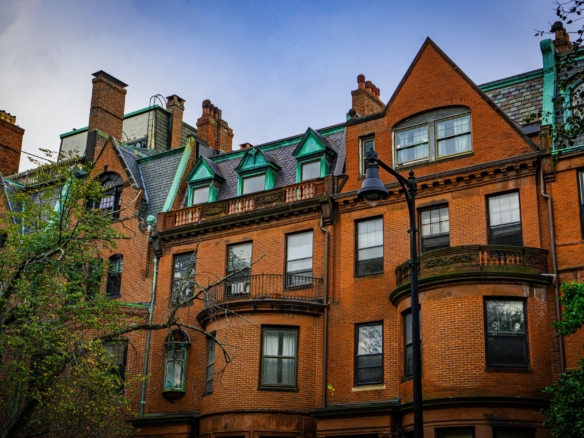
Boston Rental Market Report 2026: Average Rents, Vacancy Rates, and Trends
Published by Homzora | Your Trusted Source for Real Estate Insights
Boston Renter Intelligence Survey
How does your rent compare?
Add your numbers and get an instant read on what share of your income goes to rent, measured against what Boston renters actually report. You will also get the Q3 report free on October 7.
See how your rent compares →Whether you’re a prospective renter searching for your next apartment, a landlord evaluating your pricing strategy, or an investor eyeing Boston’s competitive housing market, understanding the 2026 rental landscape is essential. Boston consistently ranks among the most expensive and most desirable rental markets in the United States. This report breaks down everything you need to know about average rents, vacancy rates, neighborhood trends, and what to expect in the months ahead.
Boston Rental Market Overview: Where Things Stand in 2026
Boston’s rental market has remained stubbornly tight heading into 2026. Driven by a combination of world-class universities, a booming biotech and healthcare sector, and persistently low housing supply, the city continues to attract a high volume of renters competing for limited inventory.
Key stats at a glance:
- Average monthly rent (citywide): $2,850 for a one-bedroom apartment
- Average two-bedroom rent: $3,850/month
- Citywide vacancy rate: Approximately 3.2% well below the national average of 6.5%
- Year-over-year rent growth: 4.8%, outpacing the national median
- Most competitive neighborhoods: Back Bay, South End, Fenway, and Cambridge
The demand surge is partly structural. Boston adds roughly 30,000 new residents annually students, young professionals, and transplants while new construction completions lag significantly behind. That imbalance keeps upward pressure on rents and landlords in a favorable negotiating position.
Average Rents by Neighborhood in 2026
High-Demand Urban Core
Back Bay remains Boston’s priciest neighborhood for renters, with average one-bedroom units running $2,900 to $4,000/month. Two-bedrooms in renovated brownstones regularly exceed $5,000. This neighborhood attracts finance professionals and medical workers from nearby hospitals.
South End has climbed to an average of $3,400 for a one-bedroom, bolstered by its restaurant scene, gallery culture, and walkability score. Luxury new construction has pushed prices up nearly 6% year-over-year.
Fenway/Kenmore is a perennial student magnet, but rent growth here has surprised even long-time observers. One-bedrooms now average $2,900/month a 5.3% increase driven by proximity to Longwood Medical Area employers.
Mid-Tier Neighborhoods Gaining Popularity
Jamaica Plain (JP) has become one of the most sought-after mid-price neighborhoods, with one-bedrooms averaging $2,400. Its diverse community, green spaces, and relatively longer commute times have historically kept prices lower, but that gap is narrowing fast.
Allston and Brighton remain the go-to neighborhoods for students and young renters, averaging $2,200 to $2,600 for a one-bedroom. Heavy turnover every September creates brief windows of opportunity for savvy apartment hunters.
Dorchester, Boston’s largest neighborhood, has seen the most dramatic rent growth proportionally up nearly 8% as renters priced out of the South End and JP migrate southward. One-bedrooms average $2,100/month.
Boston Vacancy Rates: What the Numbers Mean for Renters and Landlords
At 3.2%, Boston’s vacancy rate signals a persistently landlord-favorable market. Economists generally consider 5 6% a “balanced” rental market. Anything below 4% suggests that renters face intense competition, multiple-applicant situations, and limited negotiating power.
What this means for renters:
Apply with all documentation ready (credit report, proof of income, references)
Expect to act within 24 48 hours of finding a desirable listing
Consider offering a longer lease term (18 24 months) to sweeten your application
Budget for first month, last month, and security deposit often required upfront
What this means for landlords:
Vacancy loss risk remains low, but tenant retention is worth prioritizing
Smart property upgrades (more on this below) increase your competitive edge and justify premium pricing
Rent increases above 5% annually risk losing quality long-term tenants
2026 Rental Market Trends Shaping Boston
Trend 1: Tech-Enabled Rentals Command a Premium
Landlords who invest in smart home technology are seeing 8 12% higher rents compared to comparable unequipped units. Renters particularly millennials and Gen Z professionals actively search for listings featuring smart locks, connected thermostats, and video doorbells.
Installing a Ring Video Doorbell Pro and an Ecobee Smart Thermostat in your rental unit is one of the fastest, most cost-effective ways to justify a rent increase and attract quality tenants who value both convenience and energy efficiency.
Trend 2: Remote Work Reshapes Neighborhood Preferences
The hybrid work revolution has made “commute-optional” renters more flexible. Neighborhoods like Hyde Park, West Roxbury, and East Boston previously overlooked are gaining traction as renters prioritize square footage and value over proximity to downtown offices.
Trend 3: Security and Safety as Deciding Factors
Safety features are now a top-three priority for Boston renters, according to 2025 survey data. Landlords who invest in comprehensive security systems see lower vacancy periods and longer tenant retention. A SimpliSafe Security System is an excellent, professionally monitored option that’s easy to install and transfer between properties.
Trend 4: Utility Costs Are Shifting Lease Negotiations
With energy costs rising, renters are scrutinizing utility responsibilities more carefully than ever. Properties with energy-efficient appliances, smart thermostats, and updated HVAC systems attract stronger applicants. Consider upgrading older water heaters with a Rheem Tankless Water Heater, which reduces energy bills by up to 34% compared to traditional tank models a compelling selling point in a competitive market.
Renter’s Buyer’s Guide: How to Compete in Boston’s 2026 Market
Landing a quality apartment in Boston requires more than luck. Here’s a practical step-by-step guide for renters entering the market this year.
Are You a Licensed MA Real Estate Agent?
List your Boston rentals and properties free on Homzora. Zero fees. Zero commissions. Direct leads sent to you.
Step 1: Get Your Finances in Order
Most Boston landlords require a credit score of 700+ and proof of income at 40 45x the monthly rent. Have these documents ready in digital format:
Two months of bank statements
Three months of pay stubs or offer letter
Reference letters from previous landlords
Photo ID and Social Security information
Step 2: Understand Lease Timing
Boston’s rental market operates on a September 1st cycle due to the student population. The most competitive listings hit the market in June and July. If you’re targeting a non-student neighborhood, late winter (January March) often offers better deals with less competition.
Step 3: Inspect Before You Sign
Never sign a lease without a walkthrough. Check water pressure, heating systems, window seals, and the condition of appliances. If anything needs repair, negotiate it into the lease agreement in writing. For ongoing maintenance needs once you’re settled, Find Local Pros on HomeAdvisor to connect with licensed contractors, plumbers, and electricians in the Boston area.
Step 4: Make Your New Apartment Feel Like Home
Once you’ve secured your space, the right home products make all the difference in comfort and livability. Air quality is often overlooked in Boston’s older building stock consider adding a Dyson Whole Home Air Purifier to your space, especially if you’re renting in an older pre-war building with potential dust or allergen issues.
Top 5 Recommendations for Boston Renters and Landlords in 2026
Here are our top product and strategy recommendations to help you thrive in Boston’s competitive market:
1. 🔒 Upgrade Your Security Setup
Install a SimpliSafe Security System and Ring Video Doorbell Pro for comprehensive, connected protection. These are ideal for both renters and landlords looking to differentiate their units.
2. 🌡️ Install a Smart Thermostat
The Ecobee Smart Thermostat pays for itself in energy savings within months and is a top amenity renters actively search for. Landlords: this is a $200 investment that justifies $50 $100 more per month in rent.
3. 🔧 Connect with Vetted Local Contractors
Boston’s older housing stock means maintenance is a constant reality. Find Local Pros on HomeAdvisor to get competitive quotes from trusted professionals without the guesswork.
4. 💧 Upgrade to Tankless Water Heating
A Rheem Tankless Water Heater eliminates cold showers and dramatically reduces energy costs a must for landlords managing multi-unit properties or tenants with high utility bills.
5. 🏠 Invest in Quality Furnishings and Storage
What to Expect for the Rest of 2026
Analysts project that Boston rents will continue growing at a rate of 4 6% through the end of 2026, driven by continued demand from the life sciences sector, limited new housing completions, and the city’s expanding population. The MBTA Communities Act is expected to unlock more zoning-compliant development in surrounding suburbs, which may gradually ease pressure on the urban core but renters should not expect significant relief within the next 12 months.
For investors, Boston remains a strong long-term hold market. Cap rates are compressed (typically 3.5 5% in core neighborhoods), but appreciation potential and rental income stability make it competitive against other major metros.
Conclusion and Next Steps
Boston’s 2026 rental market is defined by high demand, low supply, and rising rents a challenging environment for renters, but a profitable one for prepared landlords and investors. Whether you’re hunting for your next apartment, upgrading an existing rental, or evaluating a purchase, having the right information and the right tools makes all the difference.
Here’s what you should do next:
- Renters: Get your financial documents ready, set up alerts on rental platforms, and target your preferred neighborhoods before the June July rush.
- Landlords: Invest in smart home upgrades, partner with local pros via Find Local Pros on HomeAdvisor, and prioritize tenant retention to minimize costly vacancy.
- New movers: Set up your home the right way from day one with quality products from the Ecobee Smart Thermostat to the Dyson Whole Home Air Purifier so your Boston apartment works for your lifestyle, not against it.
Stay ahead of the market with Homzora your trusted home resource for real estate insights, product reviews, and expert guidance. Bookmark this page and check back as we update our Boston rental data quarterly throughout 2026.
Disclosure: This article contains affiliate links. Homzora may earn a commission if you make a purchase through these links at no additional cost to you. All recommendations are based on product quality and market relevance.
Related Boston Housing Resources
📋 Free: The Boston Renter’s Move-In Rights Checklist
Monthly insights on Boston rents, home tips, and investment opportunities delivered free to your inbox.
📚 Related Reading on Homzora
For the full picture on average rents, vacancy rates, and where the market is heading, see our Boston rental market analysis for 2026.