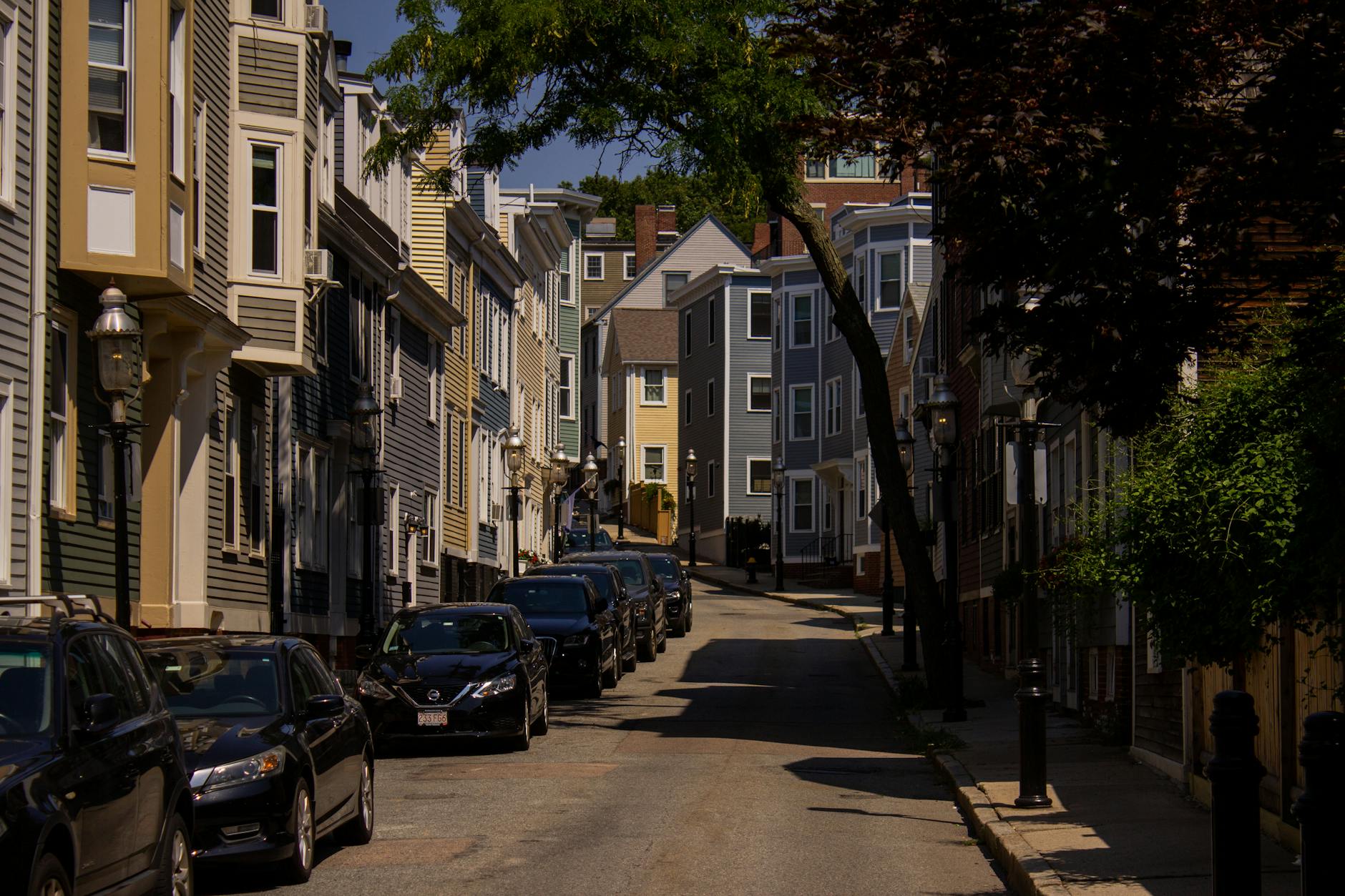
Finding the perfect suburb to raise your family in the Greater Boston area has never been more competitive. With home prices continuing to shift, school district rankings evolving, and new communities developing across Massachusetts, families in 2026 face both exciting opportunities and real challenges. Whether you are relocating from out of state, moving out of the city for more space, or simply upgrading to a larger home, this comprehensive guide will walk you through the best Boston suburbs for families and give you the data you need to make a confident decision.
Why Boston Suburbs Remain Among the Best in the Nation for Families
The Greater Boston metro area consistently ranks among the top regions in the United States for quality of life, education, healthcare access, and long term property value appreciation. Massachusetts public schools routinely outperform national averages, and many Boston suburbs boast some of the highest rated school districts in the entire country. Add in the region’s walkable town centers, abundant green space, strong job market, and relatively low violent crime rates, and it becomes clear why families continue to flood into these communities year after year.
That said, not every suburb is the right fit for every family. Commute times, home prices, property taxes, school district quality, and community culture all vary significantly from town to town. This guide breaks down the top contenders so you can find your ideal match before the 2026 buying season reaches its peak.
Lexington: The Gold Standard for Family Living Near Boston
Lexington consistently earns its reputation as one of the best towns in Massachusetts for families, and 2026 is no different. Located approximately 11 miles northwest of downtown Boston, Lexington combines a rich historical identity with a forward thinking community culture that attracts professionals, academics, and growing families alike.
Schools and Education in Lexington
Lexington Public Schools are ranked among the top five school districts in Massachusetts virtually every year. Lexington High School boasts exceptional AP course offerings, strong graduation rates, and impressive college placement numbers. The district places a significant emphasis on STEM education while also supporting robust arts and athletics programs. For families where academic excellence is a top priority, Lexington is difficult to beat.
Real Estate and Home Prices in Lexington
The median home price in Lexington for 2026 sits in the range of $1.1 million to $1.3 million, reflecting strong demand and limited inventory. Single family homes on quiet, tree lined streets are the norm here, with many properties offering generous lot sizes and classic New England architectural charm. While prices are high, the combination of strong appreciation history and top tier schools makes Lexington a fundamentally sound long term investment for families who can afford entry.
Needham: Exceptional Schools With a Slightly Lower Price Point
Needham has emerged as one of the most sought after family suburbs in the Greater Boston area, particularly for families who want Lexington caliber school quality at a slightly more accessible price point. Located about 14 miles southwest of Boston, Needham offers a genuine small town feel while remaining well connected to the city via Route 128 and commuter rail options.
What Makes Needham Special for Families
Needham’s downtown area features local restaurants, independent shops, parks, and a strong sense of community cohesion. The town hosts regular family focused events throughout the year, and neighbors genuinely know each other. The public schools are consistently rated in the top tier statewide, with Needham High School regularly producing strong academic and athletic results. Youth sports leagues, community recreation programs, and excellent public library facilities round out the family friendly ecosystem here.
Needham Housing Market Overview for 2026
Median home prices in Needham for 2026 range from approximately $950,000 to $1.15 million for single family homes. While still firmly in the premium category, Needham represents a relative value compared to towns like Lexington or Wellesley. Competition for homes here is fierce, and properties in desirable neighborhoods move quickly. Families serious about Needham should get pre approved and move decisively when the right property appears.
To understand how Needham compares to other Boston area communities across multiple data points including price trends and school metrics, explore the Boston Housing Data resource from Homzora for up to date neighborhood level intelligence.
Westwood: Quiet, Safe, and Deeply Family Oriented
Westwood often flies under the radar compared to its more famous neighbors, but families who discover this southwest suburban gem tend to stay for decades. With low crime rates, outstanding public schools, and a genuinely peaceful residential character, Westwood delivers on every core metric families care about most.
Westwood Public Schools
Westwood’s school district is compact but consistently high performing. Class sizes tend to be manageable, teachers are experienced, and parent involvement in the school community is exceptionally strong. The high school sends a high percentage of graduates to competitive four year universities, and the district’s commitment to individualized student support is frequently cited by parents as a distinguishing factor.
Living in Westwood: Community and Lifestyle
Westwood is predominantly residential in character, which is precisely what many families are looking for. The town features beautiful conservation land, hiking trails, and recreational facilities. It is not a destination for nightlife or urban energy, but for families seeking a safe, spacious, and nurturing environment to raise children, Westwood delivers consistently. Commuter rail access to Boston’s South Station makes it viable for professionals who work in the city.
Concord: History, Nature, and Outstanding Community Investment
Concord offers a unique combination of historical significance, natural beauty, and strong family amenities that is difficult to replicate anywhere else in Massachusetts. Located about 20 miles west of Boston, Concord is home to Walden Pond, the Minuteman National Historical Park, and one of the most charming town centers in all of New England.
Why Families Love Concord
The Concord public schools have a loyal following for very good reasons. Academic performance is strong across all grade levels, and the community places enormous value on civic engagement, arts education, and environmental stewardship. Families who move to Concord often describe a profound sense of belonging and shared values with their neighbors. The town’s commitment to preserving open space means children grow up with genuine access to nature, forests, and outdoor adventure right in their backyard.
Concord Real Estate Market in 2026
Concord home prices in 2026 are comparable to Lexington and Needham, with median single family prices ranging from approximately $1.0 million to $1.4 million depending on neighborhood, lot size, and proximity to town center. The market remains competitive but slightly less frenzied than some inner ring suburbs, giving patient buyers a reasonable chance to find the right property without extreme bidding war pressure.
Medfield: Affordable Family Living With Strong School Quality
For families who want excellent schools and a safe community without the premium price tag of the inner ring suburbs, Medfield represents one of the best values in the Greater Boston area in 2026. Located about 22 miles southwest of Boston, Medfield is a tight knit community with genuinely strong public schools and a welcoming atmosphere for young families.
Medfield Schools and Community Programs
Medfield’s school district consistently earns high ratings for academic performance, and the community’s investment in youth sports, arts programs, and recreational activities is strong relative to its size. The town has a classic New England character with open fields, conservation land, and a genuine small town identity that many families find deeply appealing after years in urban or suburban environments.
Are You a Licensed MA Real Estate Agent?
List your Boston rentals and properties free on Homzora. Zero fees. Zero commissions. Direct leads sent to you.
Medfield Home Prices and Market Conditions
Median home prices in Medfield for 2026 range from approximately $700,000 to $875,000 for single family homes, making it meaningfully more affordable than the premium tier suburbs while still delivering excellent family amenities. For families stretching to afford the Greater Boston area, Medfield can be a genuinely smart strategic choice that does not require significant compromise on the factors that matter most.
Milton: Urban Proximity With Suburban Character
Milton occupies a rare and valuable position in the Greater Boston suburb landscape. Located just six miles south of downtown Boston, Milton offers families a genuine suburban lifestyle with outstanding schools while keeping commute times to an absolute minimum. For dual income families where both parents work in the city, Milton’s location is a major competitive advantage.
Milton Public Schools
Milton High School has built a strong academic reputation over many years, and the district as a whole is well regarded for its commitment to student achievement and well rounded development. The community is diverse, engaged, and deeply invested in its school system. Parent teacher organizations are active, and school funding initiatives consistently receive community support at the ballot box.
Milton Real Estate Overview
Milton home prices in 2026 are influenced heavily by its proximity to Boston, with median single family prices ranging from approximately $850,000 to $1.1 million. The housing stock varies considerably from Victorian era homes to mid century colonials and newer construction, giving buyers a reasonable range of architectural styles and conditions to choose from depending on their preferences and renovation appetite.
If you are exploring multiple communities simultaneously and want a structured way to evaluate your options, the Boston Neighborhood Finder tool from Homzora can help you systematically compare neighborhoods across the metrics that matter most to your family.
Key Factors Families Should Evaluate Before Choosing a Boston Suburb
School District Performance and Philosophy
Massachusetts publishes detailed data on school district performance, including MCAS scores, graduation rates, per pupil spending, and teacher qualification levels. Families should look beyond simple rankings and examine the educational philosophy of the district, the quality of special education services if relevant, extracurricular breadth, and the culture of parental involvement. A school district that is the right fit culturally is often more important than one that scores marginally higher on a standardized metric.
Property Taxes and Total Cost of Ownership
Massachusetts property tax rates vary significantly from town to town, and the effective annual tax burden on a median priced home can differ by several thousand dollars between comparable communities. Families should always calculate total monthly housing costs including taxes and insurance rather than focusing exclusively on purchase price. In some cases, a slightly higher priced home in a lower tax community ends up costing less on a monthly basis than a cheaper home in a higher tax town.
Commute Options and Transportation Infrastructure
Boston’s commuter rail network, major highway access, and MBTA bus and subway extensions all influence quality of life significantly. Families with one or both parents commuting to Boston should carefully evaluate realistic commute times during peak hours, not just advertised distance. Some towns that look close on a map have challenging highway bottlenecks that add significant daily stress to family life.
Protecting Your Investment After Purchase
Credit Health and Mortgage Readiness
Emerging Suburbs Worth Watching in 2026
Beyond the established favorites, several Greater Boston suburbs are showing strong momentum as family destinations worth serious consideration. Hopkinton, best known as the starting point of the Boston Marathon, has developed a strong school system and offers relatively affordable housing with easy highway access. Holliston combines charm, affordability, and solid school quality in a package that is attracting growing attention from families priced out of premium markets. Grafton, further west along the commuter rail corridor, is delivering newer construction family homes at price points that remain genuinely accessible while offering a modern suburban lifestyle.
Tips for Navigating the 2026 Greater Boston Buyer Market
Act Decisively But Never Impulsively
The Boston suburb market rewards buyers who are prepared to move quickly but punishes those who make impulsive decisions driven by fear of missing out. Do your homework thoroughly before entering the market, establish clear non negotiable criteria for your family, and then act confidently when a property meets those criteria without second guessing or over deliberating.
Work With Local Expertise
The Greater Boston real estate market has significant hyper local dynamics that only experienced local professionals truly understand. Neighborhood trends, school redistricting possibilities, upcoming infrastructure investments, and micro market pricing patterns all require genuine local knowledge to navigate effectively. Partnering with a team that specializes in Boston area family real estate is one of the most important decisions you will make in this process.
Think Long Term From Day One
Boston suburb real estate has historically delivered strong long term appreciation for owners who choose wisely and hold through normal market cycles. Families who select suburbs with strong fundamental drivers including excellent schools, tight inventory, and genuine community desirability tend to be rewarded over five to ten year holding periods. Thinking about your exit strategy from the moment of purchase will help you make a more disciplined buying decision.
Start Your Family Home Search With Homzora
Choosing the right Boston suburb for your family is one of the most meaningful decisions you will make, and it deserves the guidance of real estate professionals who understand the Greater Boston market at a deep level. From Lexington and Needham to Medfield and Milton, each community has distinct strengths, trade offs, and opportunities that require honest expert evaluation to navigate successfully.
Homzora specializes in helping families find their ideal Greater Boston suburb match with data driven insights, genuine local expertise, and a commitment to your family’s long term best interests. Visit homzorarealty.com today to explore current listings, access detailed neighborhood research tools, connect with an experienced buyer’s agent, and take the first confident step toward finding your family’s perfect Boston area home in 2026.
Stay Ahead of the Boston Market
Monthly insights on Boston rents, home tips, and investment opportunities delivered free to your inbox.
Related Boston Housing Resources