Dorchester
Boston’s largest and most diverse neighborhood, offering the city’s most affordable rents along the Red Line with a broad range of sub-neighborhoods.
What drives demand in Dorchester
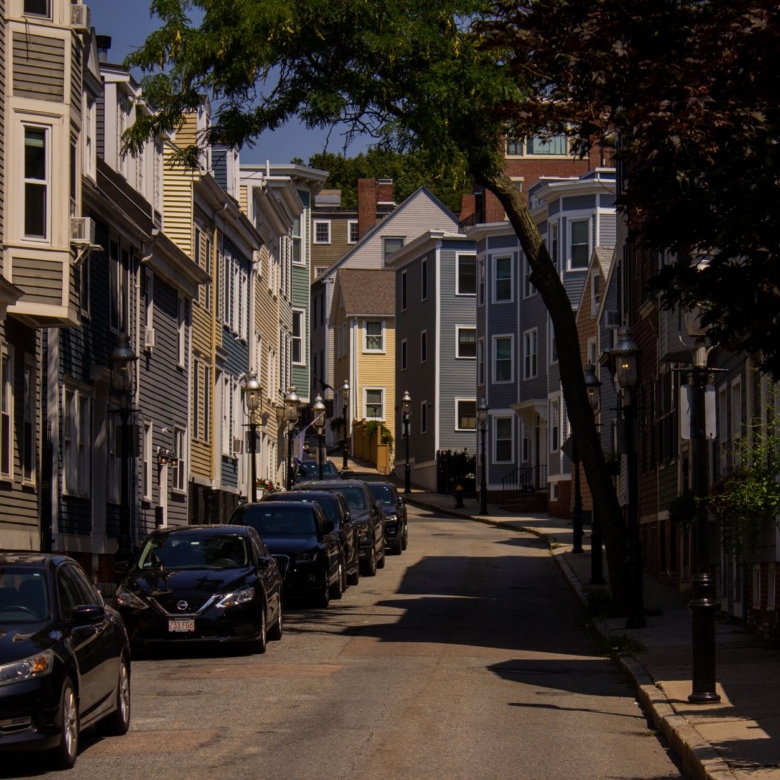
Dorchester ranks eleventh in demand, with the lowest median one-bedroom rents of any scored neighborhood at around $1,900. As Boston’s largest and most diverse neighborhood, it spans a wide range of sub-areas, from the rapidly changing corridors near the Red Line to quieter residential pockets further out.
Its demand is anchored by affordability and transit. The Red Line runs along its spine, with stops like Savin Hill, Fields Corner, Shawmut, and Ashmont providing direct downtown access, and the relatively low rents draw renters priced out of the central neighborhoods. Areas closest to transit and to South Boston have seen the most demand pressure as the city’s higher rents push renters outward.
For renters, Dorchester offers the most accessible price point in the city while keeping rapid transit, though walkability and amenities vary significantly by sub-neighborhood. It rewards renters who know which pockets fit their priorities.
See Dorchester on the demand map
Compare Dorchester against every other Boston neighborhood by rent, demand, and transit.
B-NDI demand scores and rent figures are Q2 2026 baseline estimates from public data sources (US Census ACS, Zillow, Massachusetts Association of Realtors, MBTA). Studio and 2BR figures are estimates derived from typical Boston ratios. Independent vacancy and days-on-market data attributed to Boston Pads. Homzora’s survey-validated demand release publishes October 7, 2026.