If you own a home in Boston, you already know that protecting your investment goes far beyond locking the front door. The Greater Boston housing market remains one of the most competitive and valuable in the entire country, and homeowners in neighborhoods from South Boston to Newton to Jamaica Plain are increasingly turning to smart home security systems to protect their properties, lower their insurance premiums, and add measurable value to their real estate investments. In 2026, two names dominate the conversation: Vivint and SimpliSafe. Both companies have evolved significantly, and choosing the right one could make a meaningful difference not just for your peace of mind, but for the long-term financial health of your property portfolio.
This detailed comparison is designed specifically for Boston homeowners who want to make an informed decision before committing to a security system. We will examine pricing, equipment, monitoring quality, smart home integration, and how each system performs in the unique context of Boston’s diverse housing stock, from triple-deckers in Dorchester to historic brownstones in Back Bay and modern condos in the Seaport District.
Why Home Security Matters More Than Ever for Boston Homeowners in 2026
For existing homeowners, a professionally monitored security system can reduce homeowner’s insurance premiums by anywhere from five to twenty percent annually. Multiply those savings over a five or ten year period on a Boston home valued at or above the median price, and the financial case for investing in a quality system becomes very compelling. Beyond the dollars and cents, crime rates across certain Boston neighborhoods fluctuate seasonally, and having a robust system in place provides both deterrence and documentation that law enforcement can actually use.
Understanding your neighborhood’s specific risk profile is an important first step. Homeowners can use tools like the Boston Neighborhood Finder to explore local data that informs smarter decisions about everything from home security to proximity to amenities.
Vivint Home Security in 2026: A Comprehensive Overview
Vivint has long positioned itself as the premium, professionally installed home security solution in the United States, and their 2026 lineup reflects years of refinement and investment in smart home technology. For Boston homeowners who want a seamless, fully integrated experience and do not mind paying for it, Vivint remains a top-tier choice.
Vivint Equipment and Technology
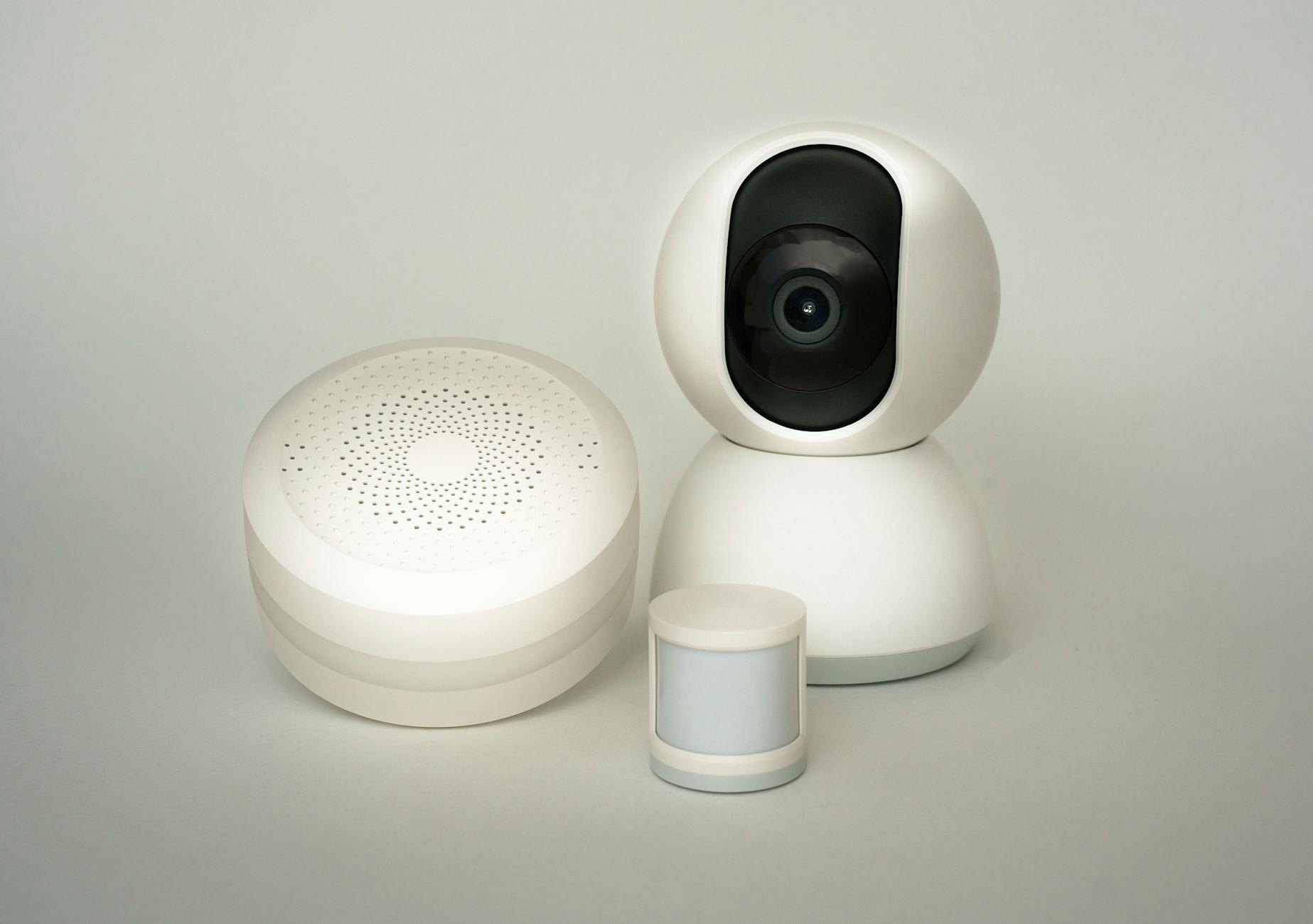
The core of Vivint’s 2026 system centers around their upgraded Smart Hub, a sleek control panel that serves as the brain of your entire connected home. The hub integrates with Vivint’s own cameras, doorbell cameras, smart locks, thermostats, and garage door controllers. The cameras themselves have seen significant upgrades, now offering 4K resolution on outdoor units, wider fields of view, and improved night vision powered by color-enhanced sensors that perform exceptionally well in low-light conditions, which matters in Boston’s long winter months.
Vivint’s outdoor cameras now come with built-in spotlights that activate upon motion detection, a deterrent that has proven effective in real-world applications. Their doorbell camera offers two-way audio with noise-canceling technology, which is particularly useful on busy urban streets in neighborhoods like the North End or Fenway where ambient noise can be significant. Smart locks from Vivint integrate seamlessly with the hub, allowing homeowners to grant temporary access codes to contractors, cleaners, or property managers without sharing a physical key.
Vivint Monitoring Plans and Pricing
Vivint’s professional monitoring starts at approximately forty-five dollars per month for their basic plan in 2026, with their premium Vivint Plus plan running closer to sixty dollars monthly. Equipment costs are separate and typically require either an upfront purchase or financing through Vivint’s own credit program. A complete system with multiple cameras, sensors, smart locks, and the hub can easily run between eight hundred and two thousand dollars in equipment costs alone.
One important consideration for Boston homeowners is that Vivint requires professional installation, which is included in the purchase price. For those living in older Boston homes with complex layouts, thick plaster walls, or historical restrictions on exterior modifications, professional installation can be a genuine advantage, as technicians are trained to handle challenging architectural environments.
Vivint’s Strengths for Boston Properties
- Professional installation that handles the complexity of older Boston housing stock
- Fully integrated smart home ecosystem that adds measurable property value
- 24/7 professional monitoring with average response times under forty seconds
- Excellent compatibility with Google Home, Amazon Alexa, and Apple HomeKit
- Advanced AI-powered motion detection that reduces false alarms significantly
- Dedicated app with live video feeds accessible from anywhere
SimpliSafe Home Security in 2026: A Comprehensive Overview
SimpliSafe built its reputation on making professional-grade home security accessible to everyday homeowners without long-term contracts or complicated installations. In 2026, the company has matured considerably, offering a system that balances ease of use, flexible pricing, and genuinely impressive technology at a fraction of Vivint’s cost.
SimpliSafe Equipment and Technology
SimpliSafe’s 2026 flagship system, the SimpliSafe Pro, represents the most capable hardware the company has ever produced. The base station now includes a cellular backup and a built-in 105-decibel siren that can be heard clearly even outside a multi-unit building. Their cameras have improved dramatically, with the outdoor camera now offering 1080p resolution, a 140-degree field of view, color night vision, and built-in motion-activated lighting.
One of SimpliSafe’s most compelling features is their Hazard Sensor lineup, which goes beyond traditional burglar alarms to include smoke detection, carbon monoxide detection, water leak sensors, and temperature extremes monitoring. For Boston homeowners dealing with the realities of harsh winters, frozen pipes, and older HVAC systems, this comprehensive approach to home protection is genuinely valuable. SimpliSafe also expanded their smart lock compatibility in 2026, though their ecosystem is slightly less tightly integrated than Vivint’s proprietary setup.
SimpliSafe Monitoring Plans and Pricing
SimpliSafe’s pricing structure remains one of its most attractive qualities. Their Standard Monitoring plan starts at just under twenty dollars per month, while their Interactive Monitoring plan, which includes live video verification and smart home integration, runs about thirty dollars monthly. SimpliSafe Pro, their highest tier with the fastest response times and a dedicated agent model, is priced at forty dollars per month in 2026.
Equipment costs for SimpliSafe are refreshingly straightforward. A starter package including a base station, keypad, door sensors, and motion sensor can be purchased for under three hundred dollars. More comprehensive bundles with cameras, smart locks, and additional sensors typically fall between four hundred and eight hundred dollars. Importantly, SimpliSafe equipment is sold outright with no financing required, and there are no long-term contracts.
For those who want to save on equipment or expand an existing system with additional sensors and accessories, Shop on Amazon for compatible SimpliSafe components and smart home accessories that can complement either system at competitive prices.
SimpliSafe’s Strengths for Boston Properties
- No long-term contracts, which is ideal for Boston renters who own condos or multi-family properties
- DIY installation that works well in standard apartments and condos without requiring exterior drilling
- Significantly lower monthly monitoring costs that free up budget for other home investments
- Comprehensive environmental hazard monitoring that protects against Boston’s winter-specific risks
- No credit checks or financing required for equipment purchases
- Easily transferred when you sell or relocate, making it ideal for investment property owners
Head-to-Head Comparison: Vivint vs SimpliSafe for Boston Homeowners
Installation and Setup
Vivint wins decisively on installation experience. Their professional technicians handle everything from mounting cameras at optimal angles to programming the system and walking you through operation. For Boston homeowners dealing with the unique challenges of triple-deckers, brownstones with ornate woodwork, or condos where association rules restrict modifications, having a professional who knows how to navigate these constraints is a significant advantage.
Are You a Licensed MA Real Estate Agent?
List your Boston rentals and properties free on Homzora. Zero fees. Zero commissions. Direct leads sent to you.
SimpliSafe’s DIY approach is genuinely manageable for most homeowners and requires no special tools. However, in a dense urban environment like Boston, optimal camera placement for maximum coverage of entryways, alleys, and shared common areas can be tricky to figure out without professional guidance.
Smart Home Integration
Vivint leads in smart home integration depth. Their proprietary ecosystem is cohesive, responsive, and designed to work as a unified platform rather than a collection of separately managed devices. If you are building a fully automated home with automated lighting, climate control, security, and access management, Vivint delivers a more polished experience.
SimpliSafe has closed the gap considerably in 2026, particularly with Amazon Alexa and Google Assistant integration. For most Boston homeowners who want security with some smart home functionality without the complexity of a fully automated system, SimpliSafe’s integration capabilities are more than sufficient.
Contract and Flexibility
Monitoring Quality and Response Time
Both companies offer excellent 24/7 professional monitoring, but Vivint maintains a slight edge in verified response times and the depth of their monitoring center capabilities. Vivint’s monitoring stations use live video verification before dispatching police, which reduces false alarm rates and helps Boston homeowners avoid the city’s false alarm fees. SimpliSafe’s Pro tier now offers similar video verification, bringing the gap much closer than it was even two years ago.
Value for Investment Properties
Many Boston homeowners are also landlords managing one or more rental units. SimpliSafe’s no-contract model makes it far easier to install, manage, and remove systems across multiple properties. Vivint’s professionally installed system can add to a property’s appeal and assessed value, but the longer commitment and higher ongoing costs make it less practical for properties that change tenants regularly.
If you are a Boston investor tracking the financial performance of your properties, reviewing current Boston Housing Data can help you understand how security upgrades, smart home features, and neighborhood trends are influencing property values and rental demand across the city.
Financial Considerations: Security Systems and Your Home’s Value
Beyond the direct cost comparison, Boston homeowners should consider how a security system affects the broader financial picture of property ownership. Studies consistently show that homes with professionally monitored security systems sell faster and often command slightly higher prices, particularly in competitive urban markets. A well-documented security upgrade can also support a higher appraised value, which matters when refinancing.
Another often-overlooked financial protection for Boston homeowners is a quality home warranty plan. As smart home systems become more integrated with major appliances and HVAC systems, unexpected repair or replacement costs can escalate quickly. A plan through Choice Home Warranty can provide meaningful financial protection against the kinds of mechanical failures that security system installations sometimes bring to light, particularly in Boston’s older housing stock where aging wiring and plumbing can become apparent during a professional walkthrough.
Which System Is Right for Your Boston Home?
Choose Vivint If You
- Own a high-value single-family home or luxury condo in Boston and want the most comprehensive smart home experience available
- Plan to stay in your property for at least three to five years and want a system that grows with your home
- Have an older home that benefits from professional installation expertise
- Want the deepest level of smart home automation, including lighting, climate, and access control
- Prioritize the fastest possible police dispatch and verified response monitoring
Choose SimpliSafe If You
- Own a condo, apartment, or multi-family rental property where flexibility is essential
- Want professional monitoring without a long-term contract commitment
- Are budget-conscious and want to allocate more of your housing budget to mortgage paydown or property improvements
- Plan to sell or relocate within the next few years and want a system you can take with you
- Value straightforward DIY setup without scheduling installation appointments
The Bottom Line for Boston Homeowners in 2026
Both Vivint and SimpliSafe are genuinely excellent home security systems, and either one will serve Boston homeowners far better than going without protection in a major urban market. The decision ultimately comes down to your specific housing situation, financial priorities, and how deeply you want to invest in a connected home ecosystem.
Vivint is the better choice for homeowners who want a premium, all-in-one smart home experience and are comfortable with a longer commitment and higher monthly cost. SimpliSafe is the smarter financial choice for most Boston homeowners, particularly those managing investment properties, renting out units, or simply wanting solid protection without locking themselves into a multi-year agreement.
What both choices share is this: in a city where housing values are as significant as they are in Boston, protecting your property with a professionally monitored system is not a luxury, it is a logical extension of sound real estate stewardship. Whether you are a first-time buyer, a seasoned investor, or a long-time Boston homeowner exploring your options, the right security system paired with smart financial planning can protect both your family and your most valuable asset for years to come.
Ready to make smarter decisions about your Boston property? Visit Homzora today to explore neighborhood guides, housing market data, and expert resources designed specifically for Boston homeowners and investors. Our team is here to help you find, buy, protect, and maximize the value of your Boston real estate investment every step of the way.
Stay Ahead of the Boston Market
Monthly insights on Boston rents, home tips, and investment opportunities delivered free to your inbox.
Related Boston Housing Resources