Boston winters are no joke. With temperatures regularly dropping into the single digits and wind chills that make outdoor work nearly impossible, garage heating is not a luxury for many homeowners in the Greater Boston area. It is a genuine necessity. Whether you are running a workshop, protecting your vehicles, or simply trying to keep your pipes from freezing, the debate between propane and electric heating comes up constantly among local homeowners. This article breaks down the real numbers, the safety realities, and the practical considerations that matter specifically in Boston, where older homes, uninsulated garages, and tight urban lots create a unique set of challenges that generic heating guides completely ignore.
Understanding the Core Difference: Propane Versus Electric Heating Technology
Before comparing specific products, you need to understand what you are actually comparing. Propane heaters and electric heaters operate on fundamentally different principles, and those differences matter enormously in a cold Boston garage environment.
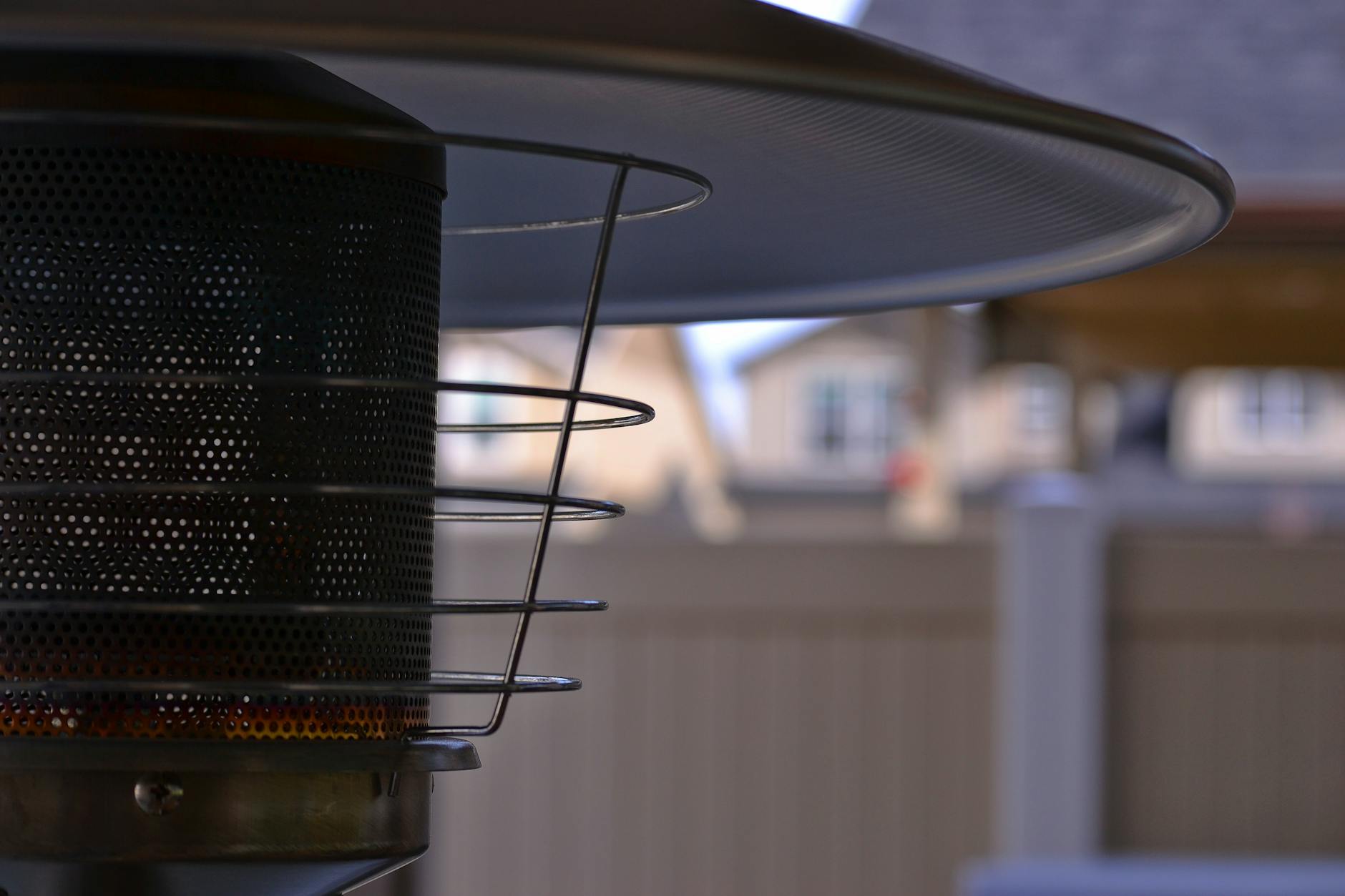
Propane heaters, including the widely popular Mr. Heater line, burn liquefied petroleum gas to generate heat through combustion. This combustion process produces not just heat but also carbon dioxide and water vapor as byproducts. Electric heaters, by contrast, convert electrical energy directly into heat through resistance coils or infrared elements. There is no combustion, no byproduct gases, and no open flame involved whatsoever.
This fundamental difference shapes almost every other variable in this comparison, from BTU output to installation requirements to how each unit performs in a poorly insulated space on a January night in Dorchester or Somerville.
BTU Output: Where Propane Wins the Raw Numbers Battle
BTU, or British Thermal Unit, measures the amount of heat energy required to raise one pound of water by one degree Fahrenheit. In practical terms, more BTUs means more heating power and faster warm up times in a cold space.
Propane BTU Performance
Mr. Heater propane units are known for their impressive BTU output relative to their size and cost. The popular Mr. Heater Big Buddy portable unit produces between 4,000 and 18,000 BTUs, while the Mr. Heater 30,000 BTU vent free wall heater pushes out enough heat to warm a two car garage even in brutal conditions. Industrial propane units in the 60,000 to 80,000 BTU range exist for larger spaces or extremely cold climates.
For a standard 20 by 20 foot Boston garage with minimal insulation, heating professionals generally recommend at least 30,000 BTUs to achieve comfortable working temperatures when outdoor temperatures drop to 10 degrees Fahrenheit or below. Propane heaters can meet this requirement without difficulty.
Electric BTU Performance
Electric heaters are rated in watts, but converting to BTUs is straightforward. One watt produces approximately 3.41 BTUs per hour. A common 1,500 watt electric space heater produces roughly 5,100 BTUs, which is adequate for a small insulated room but insufficient for most Boston garages in winter.
High powered electric garage heaters exist in the 5,000 to 10,000 watt range, producing 17,000 to 34,000 BTUs. These units require dedicated 240 volt circuits and professional installation. While they can match propane output on paper, their performance in uninsulated spaces falls short in practice because electric resistance heating lacks the radiant intensity of propane combustion.
Cost Per Hour to Run: The Number Boston Homeowners Actually Care About
Heating cost calculations depend on current fuel prices, which fluctuate, but the mathematical framework remains consistent. Understanding cost per hour helps you budget accurately for a Boston heating season that typically runs from October through April.
Propane Cost Calculations for 2026
Propane prices in Massachusetts average approximately 3.50 to 4.00 dollars per gallon in 2026, though prices vary by supplier and delivery schedule. One gallon of propane contains approximately 91,500 BTUs of energy. A Mr. Heater unit running at 30,000 BTUs consumes roughly one third of a gallon per hour.
At 3.75 dollars per gallon, running a 30,000 BTU propane heater costs approximately 1.25 dollars per hour. For a typical workshop session of three to four hours, that equals roughly 4 to 5 dollars in fuel costs. Over a full Boston heating season with regular weekend use, propane heating costs might total 300 to 500 dollars annually for moderate use.
Electric Cost Calculations for 2026
Massachusetts has some of the highest electricity rates in the continental United States. Average residential rates hover around 25 to 28 cents per kilowatt hour in 2026. A 5,000 watt electric garage heater running for one hour consumes 5 kilowatt hours of electricity.
At 26 cents per kilowatt hour, that same hour of heating costs 1.30 dollars, which sounds competitive with propane. However, the critical difference appears in effectiveness. Because electric heaters struggle in uninsulated garages, you often need to run them longer to achieve the same comfort level, which erodes the apparent cost parity quickly.
A 1,500 watt portable electric heater costs only 0.39 dollars per hour to operate, but its 5,100 BTUs are barely adequate for a small insulated space and essentially useless in a drafty Boston garage during a nor easter.
Safety Considerations: The Honest Assessment
Safety is where this comparison becomes most serious, and where many online articles gloss over important details. Both heating types carry risks, but the nature of those risks differs significantly.
Propane Safety in Boston Garages
Propane combustion produces carbon monoxide, a colorless and odorless gas that can be fatal at high concentrations. In enclosed spaces like garages, carbon monoxide accumulation is a genuine life threatening risk. Mr. Heater units marketed as indoor safe or low oxygen shutoff equipped do include safety sensors that cut off the unit when oxygen levels drop, but these sensors are not infallible and do not eliminate the need for proper ventilation.
Boston garages present particular challenges because many are attached to living spaces, including the triple decker style homes common in neighborhoods like Jamaica Plain, East Boston, and Roxbury. Carbon monoxide produced in an attached garage can migrate into living areas through gaps around doors and utility penetrations.
Propane tanks also present storage and fire risks. Tanks must be stored outdoors, properly secured, and away from ignition sources. In tight Boston urban lots where garages sit close to neighboring properties, this requires careful planning.
Electric Safety in Boston Garages
Electric heaters eliminate combustion risks entirely. There is no carbon monoxide, no open flame, and no flammable fuel storage required. For attached garages or spaces where ventilation is difficult to achieve, this is a significant safety advantage.
Electric heaters do present electrical hazards if improperly installed or used with inadequate wiring. Older Boston homes with 100 amp electrical panels may not support the dedicated 240 volt circuit that high output electric garage heaters require without an electrical upgrade. Extension cord use with high wattage electric heaters is a fire hazard and should never be done under any circumstances.
Installation Requirements: What Boston Homeowners Must Know
Installation complexity and cost are major factors in the total cost of ownership for either heating system. Boston building codes and the realities of older housing stock create specific considerations that homeowners in newer Sun Belt markets never face.
Are You a Licensed MA Real Estate Agent?
List your Boston rentals and properties free on Homzora. Zero fees. Zero commissions. Direct leads sent to you.
Propane Heater Installation
Portable Mr. Heater units require no installation whatsoever, which is part of their appeal. You connect a propane tank, turn a knob, and have heat within seconds. This plug and play simplicity makes propane portable heaters ideal for occasional use or rental properties where permanent modifications are restricted.
Wall mounted or ceiling mounted propane heaters require professional installation, gas line connections, and in some configurations, venting to the exterior. Boston requires permits for permanent gas appliance installations, and inspections are required before use. This adds cost and time to the installation process but ensures code compliance and safety.
Electric Heater Installation
Small 120 volt electric heaters plug into standard outlets and require no installation. However, as established, these units lack the BTU output needed for Boston garages. Effective electric garage heaters typically require 240 volt dedicated circuits, which means hiring a licensed electrician, pulling a permit, and potentially upgrading your electrical panel.
In Boston, electrician rates average 100 to 150 dollars per hour, and a dedicated 240 volt circuit installation typically costs 400 to 800 dollars depending on the distance from the electrical panel and the complexity of the routing. If your home needs a panel upgrade to support the additional load, that cost increases dramatically, potentially reaching 3,000 to 5,000 dollars.
For homeowners evaluating their property before listing or buying, understanding these infrastructure costs matters. Resources like Boston Housing Data can help you understand how property features like garage electrical capacity affect home values across different neighborhoods.
Performance in Uninsulated Boston Garages: The Real World Test
Most performance comparisons are conducted in controlled environments or assume reasonable insulation. Boston garages, particularly in older neighborhoods, frequently have no insulation whatsoever in walls or ceilings, single pane or no windows, gaps around garage doors that allow significant air infiltration, and concrete floors that act as massive heat sinks.
Why Propane Performs Better in Uninsulated Spaces
Propane heaters, particularly infrared propane heaters, heat objects and people directly rather than simply warming air. This radiant heat quality means that even if the ambient air temperature in an uninsulated garage remains relatively low, a person or workbench within the radiant zone feels considerably warmer. For someone doing mechanical work or woodworking in a drafty Charlestown or South Boston garage, this radiant warmth is practically meaningful.
Propane heaters also reach maximum output almost instantly, which matters when you are ducking into the garage for a 20 minute task in the middle of a January day and cannot afford to wait 30 minutes for a space to warm up.
Why Electric Heaters Struggle Without Insulation
Electric resistance heaters warm air rather than objects. In an uninsulated garage with significant air infiltration, that warmed air escapes almost as fast as it is produced. The heater runs continuously, consumes electricity steadily, and the space never reaches comfortable temperatures. This is the fundamental reason that so many Boston homeowners who try electric garage heaters feel disappointed by the results.
Infrared electric heaters partially address this problem by producing radiant heat similar to propane infrared units, but their BTU output per dollar of operating cost still falls short of propane in uninsulated environments at Boston winter temperatures.
Ventilation Requirements: Non Negotiable for Propane
Ventilation is not optional when using propane heaters indoors. It is a matter of survival. This section deserves clear and direct treatment because the consequences of inadequate ventilation are severe.
Minimum Ventilation Standards for Propane Heating
Any propane heater operating in an enclosed garage requires a source of fresh air to support combustion and dilute combustion byproducts. The general guideline for vent free propane heaters is one square inch of ventilation opening per 1,000 BTUs of heater output. A 30,000 BTU heater therefore requires at least 30 square inches of ventilation, which equals roughly a 6 by 5 inch opening.
This ventilation requirement can be achieved through slightly cracked garage doors, through vents installed in walls or doors, or through a partially open window. The key is ensuring that fresh air continuously replaces air consumed by combustion. Carbon monoxide detectors rated for garage use should always be present when propane heaters are operating, regardless of how well ventilated the space appears.
Electric Heaters and Ventilation
Electric heaters require no combustion ventilation whatsoever. In garages where achieving adequate ventilation would compromise heating effectiveness, such as in extremely cold conditions where opening any vent feels counterproductive, electric heating has a genuine safety advantage that simplifies operation considerably.
Renting Your Property? Heating Matters for Landlords Too
Boston has a significant landlord community, and many rental properties include garages. If you are renting out a property with a garage, the heating system you choose affects both tenant safety and your legal obligations. Landlords who provide propane heaters in tenant accessible garages need to ensure proper ventilation infrastructure and functioning carbon monoxide detectors. Failure to do so creates serious liability exposure.
Home Warranty Coverage for Garage Heaters
Permanent electric garage heaters that are professionally installed may qualify for coverage under certain home warranty plans, which is worth considering given the repair costs associated with electrical heating systems. A failed heating element in a 240 volt garage heater can cost several hundred dollars to replace professionally.
Which Option Is Right for Your Boston Garage?
The honest answer depends on your specific circumstances, and there is no universal winner. Here is a practical framework for making the decision.
Choose Propane If You Match This Profile
- Your garage is uninsulated or minimally insulated
- You need quick heat for intermittent use rather than sustained ambient warming
- You cannot easily add a dedicated 240 volt electrical circuit to your garage
- You use the garage primarily for workshop activities where radiant spot heating is sufficient
- You are willing to commit to proper ventilation practices and carbon monoxide detection
- Your garage is detached from your living space
Choose Electric If You Match This Profile
- Your garage is attached to your home and you are concerned about combustion gases
- You have or can install a 240 volt dedicated circuit without prohibitive expense
- You want to heat the garage to a sustained comfortable temperature for hours at a time
- Your garage has at least some insulation or you are willing to add insulation before installing the heater
- You prioritize low maintenance operation and do not want to manage propane tank refills
- You store vehicles or equipment sensitive to humidity, since propane combustion adds moisture to the air
The Boston Neighborhood Factor
Where you live in Boston affects this decision in practical ways that are worth acknowledging.
Stay Ahead of the Boston Market
Monthly insights on Boston rents, home tips, and investment opportunities delivered free to your inbox.
Shop at Electronic Express
Shop TVs, appliances, smart home devices, and more at Electronic Express. Family owned retailer with lowest prices and free shipping on many items.
Related Boston Housing Resources