If you own a home in Boston, you already know that fixing things here is not like fixing things anywhere else. The walls are old, the materials are dense, and the projects range from hanging a simple shelf in a Jamaica Plain triple-decker to installing new door hardware in a Beacon Hill brownstone. After spending several months putting the DEWALT 20V MAX Cordless Drill and Impact Driver Combo Kit through real Boston home conditions, we have a detailed, honest breakdown of exactly how this tool performs where it matters most. This is not a generic unboxing review. This is a deep dive into torque settings, clutch behavior, bit selection for historic New England materials, and a head-to-head comparison against Milwaukee and Makita at the same price point.
Why Boston Homes Demand More From Your Drill
Boston’s housing stock is among the oldest in the country, and that age shows up immediately the moment you try to hang anything on a wall. Homes built before 1950 commonly feature horsehair plaster walls, which behave completely differently from modern drywall. Brick is everywhere, from exposed interior walls in converted rowhouses to the exterior faces of triple-deckers throughout Dorchester and Roxbury. Old hardwood floors, dense cast iron pipes, and layered paint add to the complexity of every project. Understanding the local material reality is essential before you even pick up a drill.
According to our Boston Housing Data, the median age of a Boston home is well over 70 years. That statistic has direct implications for tool selection. A drill that performs beautifully in a new construction suburb of Dallas may struggle badly against the realities of a Cambridge Victorian. With that context established, here is what the DEWALT 20V MAX combo does right and where it needs some guidance from the operator.
Understanding the Torque Settings on the DEWALT 20V MAX Drill
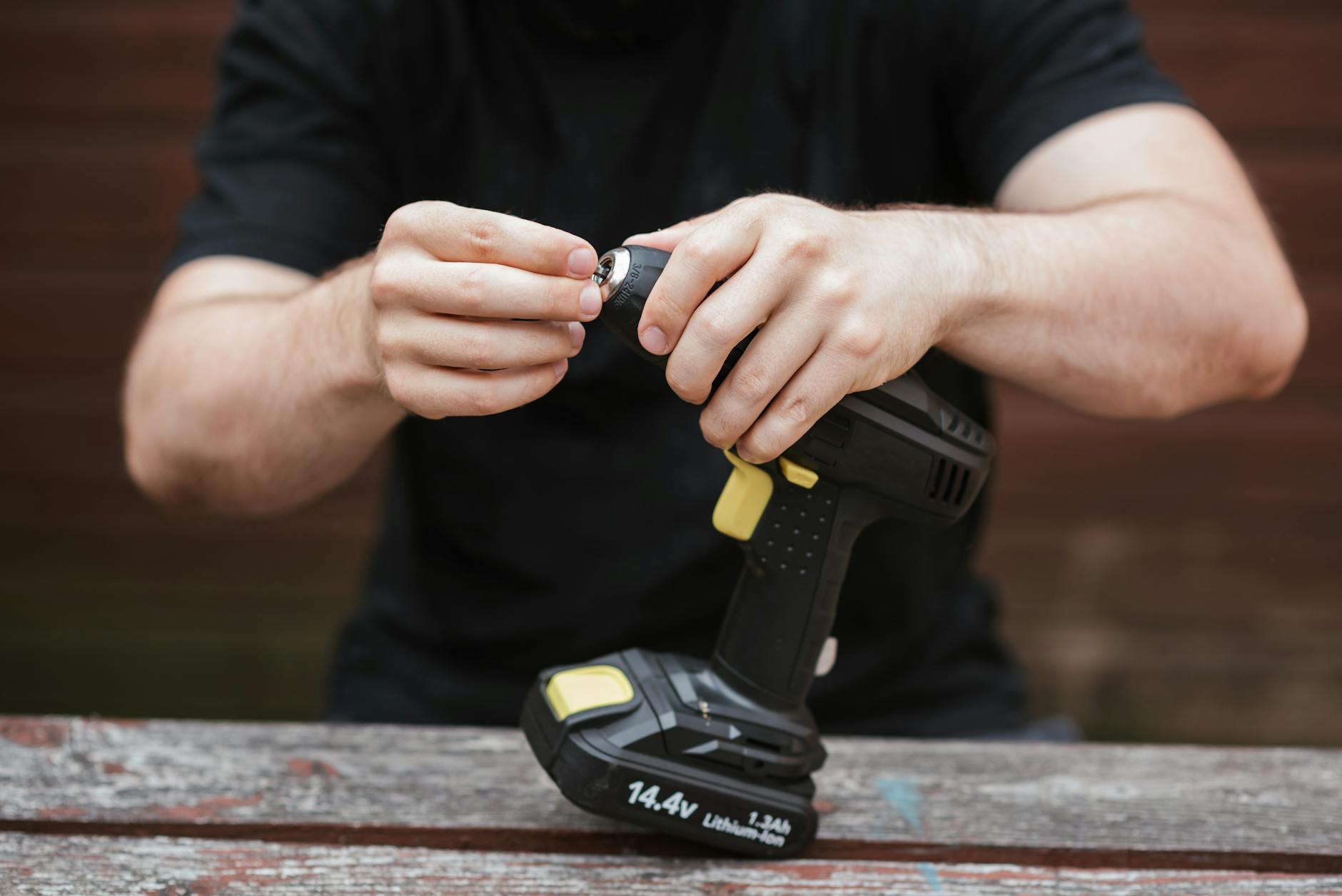
The DEWALT DCD777 drill, which is the core unit in most 20V MAX combo kits, offers two speed settings and a 15 position clutch ring. That clutch ring is the single most important feature for Boston homeowners who are working in varied materials throughout a single project.
What the Clutch Settings Actually Mean
The clutch on a drill is a slip mechanism. When the resistance on the drill bit exceeds the torque setting you have selected, the clutch disengages and the bit stops turning. This protects your screws from being over driven, protects your materials from cracking, and protects the drill from overloading. On the DEWALT 20V MAX, the 15 clutch positions range from very low torque for soft materials all the way up to drill mode, which delivers the full power of the motor without any clutch engagement.
Here is a practical breakdown of which clutch settings work best for common Boston home materials.
- Positions 1 through 4: Use these for assembling flat pack furniture, driving small screws into soft pine, or working with lightweight materials where you do not want to strip heads or crack surfaces.
- Positions 5 through 8: These work well for general drywall work, though you will not encounter much raw drywall in older Boston homes. This range is also ideal for driving screws into modern softwood trim.
- Positions 9 through 12: This is your workhorse range for dense materials like aged hardwood, layered plaster, or old oak door frames. Boston homeowners will live in this range more than any other.
- Positions 13 through 15 and Drill Mode: Reserve these settings for boring holes, driving lag bolts, or working with masonry anchors. Full drill mode disengages the clutch entirely and delivers maximum torque without interruption.
High Speed vs. Low Speed Gear Selection
The two speed gear selector on the DEWALT 20V MAX gives you additional control beyond the clutch. Speed 1 delivers high torque at lower RPM, which is exactly what you want when driving screws into dense hardwood or working a hole saw through old plaster. Speed 2 gives you higher RPM with less torque, which is the right choice for drilling pilot holes in lighter materials or driving smaller fasteners quickly. Switching to Speed 1 when working in Boston’s old growth lumber is not optional. It is the setting that prevents cam out, stripped screws, and split wood.
Drilling Into Old Plaster: The Boston Homeowner’s Biggest Challenge
Horsehair plaster is the material that frustrates most Boston homeowners who are accustomed to working with modern drywall. It is hard, brittle, and layered in a way that causes standard bits to grab, crack, or slide unpredictably. Here is how to approach it with the DEWALT 20V MAX.
Best Drill Bits for Horsehair Plaster
Standard twist drill bits are not your friend in old plaster. The right choice is a masonry bit with a carbide tip, even if you are not going all the way to the brick substrate behind the plaster. The carbide tip cuts cleanly through the hard lime and plaster layers without grabbing or skipping. Start with a smaller pilot hole, around 3/16 inch, before stepping up to your final diameter. Always use Speed 1 on the gear selector and keep the drill at medium RPM to avoid vibration that can crack the surrounding plaster.
For hanging shelves in plaster walls where you need to hit a stud, a flexible shaft extension on the DEWALT lets you drive a long thin bit at a shallow angle to locate the stud without making multiple exploratory holes. Once you have confirmed the stud location, use a sharp wood bit for the pilot hole through the plaster and into the wood framing behind it.
Drilling Into Brick for Anchors
Exposed brick is common in converted Boston rowhouses, loft apartments, and older Beacon Hill homes. Drilling into brick requires a hammer drill function, and the DEWALT DCD996 model in the higher end 20V MAX lineup includes three mode operation: drill, driver, and hammer drill. If your combo kit includes only the standard driver drill, you will need to switch to dedicated masonry bits and work slowly, clearing dust frequently to prevent bit binding.
For brick anchors in Boston homes, a 5/16 inch carbide tipped masonry bit works well for standard sleeve anchors. Keep the drill in hammer drill mode if available, set the speed to the low gear, and let the percussion action do the work rather than forcing the drill forward. The DEWALT 20V MAX in hammer drill configuration handles standard brick without any significant slowdown on a fresh battery charge.
Using the Impact Driver Component: When to Switch Tools
The impact driver in the DEWALT combo kit is a fundamentally different tool from the drill, and knowing when to use each one dramatically improves your results. The impact driver delivers rotational force in rapid bursts rather than steady torque. This makes it excellent for driving long screws into dense wood, removing stubborn fasteners, and installing deck screws. However, it is not appropriate for most drilling tasks or for situations where you need the precision of the clutch system.
For Boston home improvement projects, use the impact driver when you are driving 3 inch or longer screws into old growth framing lumber, assembling furniture that uses cam lock fasteners, or tightening bolts on door hardware that needs serious torque. Switch back to the drill when you need a pilot hole, when you are working near finished surfaces where control matters, or when you are using a hole saw for any purpose.
Project Specific Guide: Hanging Shelves, Door Hardware, and Furniture Assembly
Hanging Shelves in a Boston Home
Hanging shelves in a home with plaster walls requires a systematic approach. Begin by locating studs with an electronic stud finder, keeping in mind that plaster walls often give inconsistent readings compared to drywall. Once you have identified a solid stud location, drill a small pilot hole with a sharp wood bit to confirm you have hit solid framing and not a pipe or wire. Use clutch position 9 on the DEWALT to drive 2.5 inch screws through the shelf bracket and into the stud. If you are anchoring into plaster without a stud, use toggle bolts, which require a clean 1/2 inch hole drilled with a sharp spade bit or step bit.
Are You a Licensed MA Real Estate Agent?
List your Boston rentals and properties free on Homzora. Zero fees. Zero commissions. Direct leads sent to you.
Installing Door Hardware
Replacing door hardware in an older Boston home often means removing hardware that was installed with imperial screws in pre drilled holes that may not align with modern hardware templates. The DEWALT’s adjustable clutch is essential here. Use position 7 to 9 for driving the face plate screws into the door edge, and dial back to position 5 when installing the strike plate into the jamb, which is often softer wood that strips easily. When boring a new hole for a deadbolt or lockset, a 2 1/8 inch hole saw attached to the DEWALT in Speed 1 with full drill mode cuts cleanly through old hardwood doors without splitting the face grain. Go slowly and back the bit out frequently to clear sawdust.
Assembling Furniture
Furniture assembly is where most homeowners default to high speed and maximum torque, and it is exactly where that approach causes the most damage. Stripped cam locks and cracked particle board are almost always the result of too much torque applied too fast. Set the DEWALT to clutch position 3 or 4 for cam locks and position 5 for Confirmat screws in flat pack furniture. Use Speed 2 for efficiency but let the clutch disengage naturally rather than muscling through resistance. The DEWALT’s compact head design makes it easier than Milwaukee or Makita in tight cabinet interiors where full arm extension is not possible.
Real World Battery Life Testing
Battery performance is the most honest test of any cordless tool system, and we tested the DEWALT 20V MAX 2.0 Ah and 5.0 Ah batteries against real Boston home projects over multiple sessions.
The 2.0 Ah battery, which ships with many base combo kits, lasted through approximately 45 minutes of continuous mixed use, which included drilling pilot holes in plaster, driving screws into hardwood, and impact driver use for furniture assembly. That is enough for a focused single project session but not for an all day renovation. The 5.0 Ah battery, available separately or in premium combo kits, extended performance to over two hours of similar mixed use. For serious Boston renovation work, the 5.0 Ah battery is not an upgrade. It is a necessity.
The DEWALT battery management system also includes a fuel gauge on each pack, which gives you a real time three LED indication of remaining charge. This is a genuinely useful feature that both Milwaukee and Makita match in their premium tier packs, but DEWALT includes it across all pack sizes. Charging the 2.0 Ah pack from dead to full takes approximately 30 minutes with the included charger. The 5.0 Ah pack needs about 60 minutes.
You can explore the full DEWALT 20V MAX combo lineup and compare battery configurations when you Shop DEWALT Tools on Amazon to find the configuration that fits your Boston project needs.
DEWALT vs. Milwaukee vs. Makita: Same Price Point Comparison
At the $150 to $200 price point for a drill and impact driver combo kit, three brands dominate the market. Here is an honest comparison based on performance in Boston home conditions specifically.
DEWALT 20V MAX Combo Kit
Strengths include the widest accessory availability of any cordless platform, a compact and lightweight drill head that fits into tight Boston closets and cabinet interiors, excellent clutch feel with clear detents between positions, and the broadest battery compatibility across the DEWALT tool ecosystem. The primary limitation is that the base model drill lacks hammer drill function, which matters in Boston specifically because of all the brick and dense plaster you will encounter.
Milwaukee M18 Fuel Combo Kit
Milwaukee’s M18 Fuel line delivers more raw torque than DEWALT at equivalent price points, which is noticeable when working in extremely dense old growth lumber or driving long fasteners. The brushless motor in the Milwaukee runs cooler over extended sessions. However, the clutch feel on Milwaukee drills is slightly less distinct between positions, making fine adjustments less intuitive. Milwaukee’s battery ecosystem is equally deep, and the Red Lithium batteries have proven very consistent in cold Boston winters, which matters more than most reviewers acknowledge.
Makita 18V LXT Combo Kit
Makita offers the best ergonomics of the three platforms in terms of grip angle and balance, which reduces fatigue during longer overhead work like drilling ceiling joists in a basement renovation. Makita’s build quality is exceptional and comparable to Milwaukee. The limitation is battery availability and price. Makita batteries tend to cost more than DEWALT equivalents, and the platform does not have quite the same retail footprint, which matters when you need a replacement battery on a Saturday afternoon before a hardware store closes.
For Boston homeowners who are building out a tool collection for the first time, DEWALT wins on ecosystem breadth and accessory availability. For homeowners who already own Milwaukee batteries, the M18 platform’s torque advantage in dense materials makes it the stronger technical choice. Makita earns the recommendation for precision work and ergonomics over long sessions.
Protecting Your Boston Home Investment Beyond the Tools
For larger projects where the work exceeds what a drill and impact driver can handle, professional help is often the right call. You can Find Renovation Contractors on Angi to connect with vetted Boston area professionals who understand the specific demands of the region’s historic housing stock.
Bit Selection Summary for Boston Home Materials
- Old plaster walls: Carbide tipped masonry bits for penetration, sharp wood bits for stud drilling, and toggle bolt setups for anchor points between studs.
- Hardwood floors and framing: Sharp brad point bits for clean pilot holes, self feeding spade bits for larger bore holes, and auger bits for deep penetrations through multiple framing members.
- Brick and mortar: Carbide masonry bits in 3/16, 1/4, and 5/16 inch sizes cover most anchor applications. Never use standard twist bits in brick.
- Softwood trim and furniture: Standard twist bits work fine at this scale. Keep them sharp and replace them more often than you think you need to.
- Metal lath behind plaster: Use a bi metal drill bit rated for ferrous metal. Standard masonry bits will deflect off metal lath rather than cutting through it.
Final Verdict: Is the DEWALT 20V MAX Right for Your Boston Home?
The DEWALT 20V MAX drill and impact driver combo is the right choice for the majority of Boston homeowners who are managing a mix of historic materials, modern furniture, and ongoing maintenance tasks. The clutch system is accurate and intuitive. The tool is light enough for extended use in tight Boston apartment spaces.
Stay Ahead of the Boston Market
Monthly insights on Boston rents, home tips, and investment opportunities delivered free to your inbox.