Boston homeowners know that comfortable living goes far beyond square footage and location. The air quality inside your home plays a massive role in your daily comfort, your health, and even the long term value of your property. Whether you own a historic brownstone in Back Bay, a modern condo in the Seaport District, or a single family home in Brookline, managing indoor humidity is one of the most overlooked aspects of home maintenance in the Greater Boston area. The hOmeLabs 4,500 Sq. Ft Energy Star Dehumidifier has emerged as one of the most popular solutions for Boston residents who are serious about protecting their investment and improving their quality of life. In this comprehensive guide, we will walk you through everything you need to know about this powerful appliance and why it matters so much for homeowners and renters throughout the Boston metro area.
Why Humidity Control Matters for Boston Homeowners
Boston’s climate is notoriously unpredictable. Summers bring thick, humid air that seeps into basements, crawl spaces, and older homes that lack modern vapor barriers. Winters bring moisture from snow and rain that can accumulate behind walls and under floors. The result is a city full of homes that struggle with excess moisture year round. High indoor humidity creates the perfect environment for mold growth, wood rot, pest infestations, and a long list of respiratory issues that can affect every member of your household.
For Boston homeowners who are thinking about resale value or rental income, humidity damage is a silent killer of property values. Buyers and inspectors look carefully for signs of moisture intrusion, and a home with a history of mold or water damage can lose tens of thousands of dollars in value almost overnight. If you are exploring neighborhoods and thinking about your next purchase, the Boston Neighborhood Finder is an excellent starting point to understand which areas of the city tend to have older housing stock that is more vulnerable to moisture issues.
Beyond property values, high humidity makes your home feel warmer than it actually is during summer months, driving up your air conditioning costs and reducing overall comfort. A quality dehumidifier like the hOmeLabs 4,500 Sq. Ft model addresses all of these concerns in a single, elegant solution.
Introducing the hOmeLabs 4,500 Sq. Ft Energy Star Dehumidifier
The hOmeLabs 4,500 Sq. Ft Energy Star Dehumidifier is one of the most highly rated home dehumidifiers on the market today. It is designed to handle large spaces of up to 4,500 square feet, making it ideal for whole floor coverage in most Boston homes. It carries the Energy Star certification, which means it meets strict energy efficiency guidelines set by the United States Environmental Protection Agency. For homeowners already managing significant monthly costs like mortgage payments, property taxes, and utilities, energy efficiency is not just a nice feature. It is a financial necessity.
Key Features That Set This Model Apart
- High Capacity Performance: This unit removes up to 50 pints of moisture per day from the air, making it powerful enough to handle even the most humid basements and living spaces in older Boston properties.
- Energy Star Certified: Compared to non certified models, this dehumidifier uses significantly less electricity while delivering the same or better performance, saving you money on your monthly utility bills.
- Continuous Drain Option: The unit includes a built in drain hose connector, allowing you to set it up for continuous drainage so you never have to empty a water tank manually.
- Auto Restart Function: If there is a power outage, the unit automatically restarts at your previously selected settings, which is particularly useful during Boston’s unpredictable storm seasons.
- Turbo Mode: For particularly damp conditions or for rapidly reducing humidity in a space, turbo mode increases the fan speed significantly for faster moisture removal.
- Built In Pump: Some versions of this model include a built in pump that allows the unit to drain upward, giving you more flexibility in where you place the unit in your home.
- 24 Hour Timer: You can program the unit to run on a schedule that works for your lifestyle, ensuring maximum efficiency without running the unit when it is not needed.
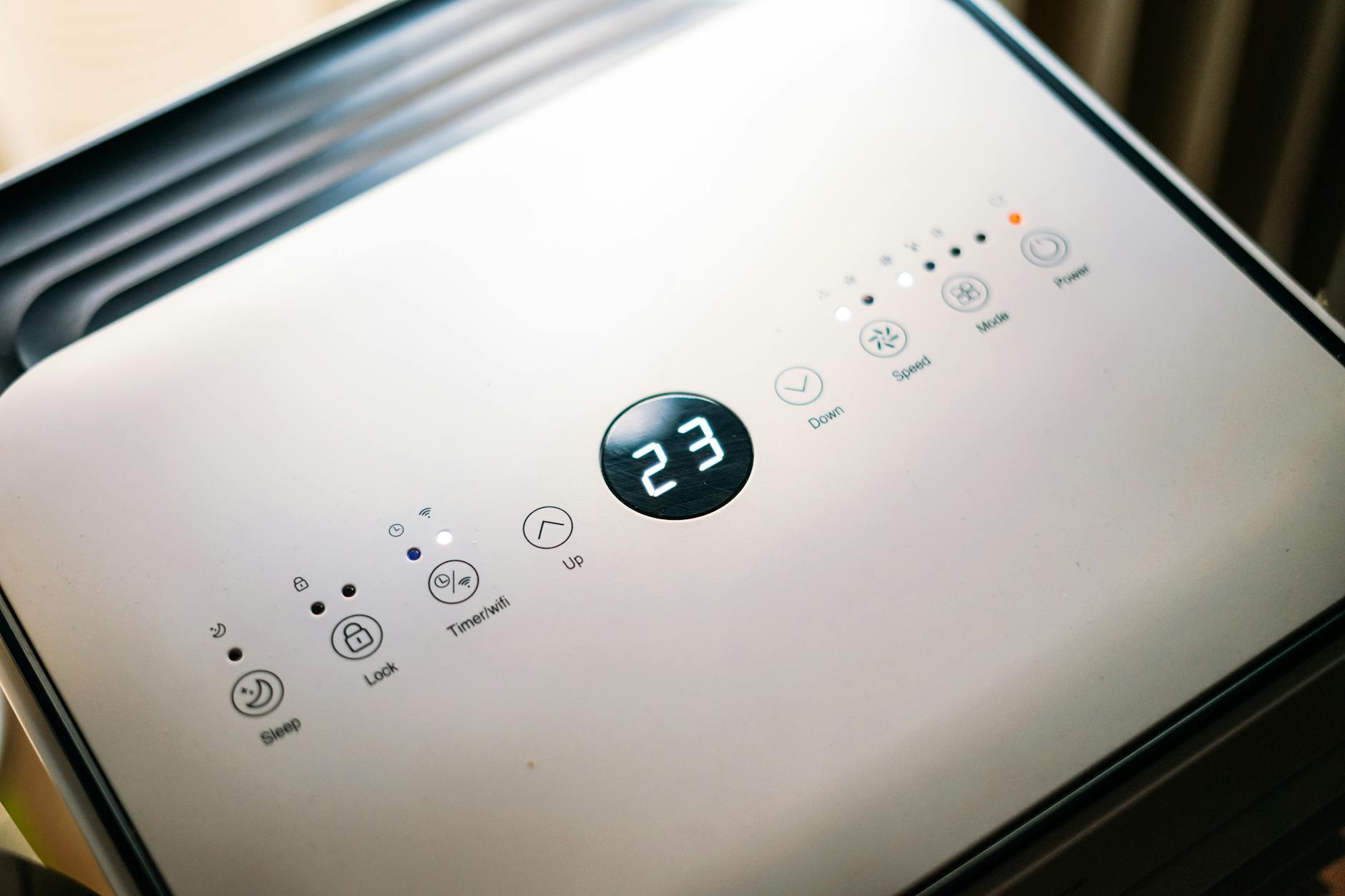
- User Friendly Controls: A clean digital display with intuitive controls makes it easy to set your desired humidity level and monitor current conditions.
How This Dehumidifier Benefits Boston Renters and Landlords
The Boston rental market is one of the most competitive in the entire country. Landlords are constantly looking for ways to add value to their properties and attract high quality tenants who will stay long term. Providing a well maintained, humidity controlled environment is one of the simplest ways to differentiate your rental property from the competition. Tenants who are comfortable and healthy in their space are more likely to renew their leases and take better care of the property.
Tenants can also benefit from investing in a personal dehumidifier. Many Boston apartments, particularly those in older brick buildings, struggle with basement level humidity that rises through the floors. Having a dedicated dehumidifier running in your unit can make an enormous difference in how you feel every single day, especially during the summer months when humidity levels in the city can become genuinely oppressive.
The Financial Case for Investing in Home Air Quality
Some homeowners hesitate to invest in appliances like dehumidifiers because they see them as a luxury expense rather than a necessity. However, the financial math tells a very different story. Consider what happens when you allow excess moisture to go unchecked in your home. Mold remediation in the Boston area can cost anywhere from a few thousand dollars for a small area to well over $30,000 for a whole basement or crawl space. Wood rot in floor joists and structural beams can trigger repairs that cost even more. A quality dehumidifier that runs year round costs far less than a single mold remediation job.
Understanding the full cost of homeownership, including the tools and appliances needed to maintain your property, is a critical part of making a smart purchase decision. The hOmeLabs dehumidifier typically retails for well under $300, making it one of the most cost effective protective investments a Boston homeowner can make.
Setting Up Your hOmeLabs Dehumidifier for Maximum Effectiveness
Choosing the Right Location
Placement is everything when it comes to dehumidifier performance. In most Boston homes, the basement is the primary source of excess moisture and should be your first priority. Place the unit in the center of the space whenever possible, away from walls and large furniture that could block airflow. If you are trying to control humidity across an entire floor, placing the unit near a central hallway or stairway can help distribute the drier air more effectively.
Setting the Right Humidity Level
The ideal indoor relative humidity level for health and comfort is between 30 and 50 percent. During Boston summers, indoor humidity can climb well above 60 or even 70 percent without proper intervention. Set your hOmeLabs unit to maintain a target of around 45 percent, which strikes the perfect balance between comfort and preventing moisture damage. The unit will automatically cycle on and off to maintain your target level, so you do not have to monitor it constantly.
Using the Continuous Drain Feature
One of the biggest advantages of the hOmeLabs 4,500 Sq. Ft model is its continuous drain capability. Instead of emptying the water tank every day or two, you can connect a standard garden hose and route the water directly to a floor drain or utility sink. This is particularly valuable in Boston basements where the unit may be running heavily during humid summer months and collecting a significant amount of water each day.
Are You a Licensed MA Real Estate Agent?
List your Boston rentals and properties free on Homzora. Zero fees. Zero commissions. Direct leads sent to you.
Protecting Your Home’s Long Term Value
For Boston homeowners, real estate is often the single largest financial investment of their lives. Protecting that investment requires attention to both the big picture items like market trends and neighborhood development, as well as the smaller but equally important details like air quality and moisture control. Staying informed about market conditions in your area is essential for making smart decisions about when to buy, sell, or renovate.
The Boston Housing Data resource from Homzora provides up to date information about market trends, pricing, and neighborhood performance across the Greater Boston area. Understanding what is happening in your local market helps you make informed decisions about which improvements, including air quality upgrades, will deliver the best return on investment.
Health Benefits of Proper Humidity Control
The health benefits of maintaining proper indoor humidity levels are well documented and should not be underestimated. High humidity levels create ideal conditions for dust mites, which are a leading trigger for asthma and allergy sufferers. Mold spores thrive in humid environments and can cause serious respiratory issues, especially for children, elderly residents, and anyone with a compromised immune system. Even individuals without pre existing conditions often report improved sleep quality, better breathing, and reduced allergy symptoms after installing a dehumidifier in their home.
For Boston families with young children or elderly relatives living in the home, the hOmeLabs dehumidifier is not just a comfort appliance. It is a genuine health investment that can reduce doctor visits, medication costs, and lost productivity due to illness. When you consider that context, the price of the unit becomes even easier to justify.
Energy Efficiency and Sustainability in Boston Homes
Boston has long been a leader in environmental consciousness and sustainable living. The city has set ambitious goals for reducing carbon emissions and improving energy efficiency across its housing stock. The Energy Star certification on the hOmeLabs dehumidifier aligns perfectly with those values. By choosing an Energy Star certified appliance, you are not only saving money on your electricity bill but also reducing your household’s environmental footprint, which is increasingly important to buyers in the Boston real estate market.
Many Boston neighborhoods are actively investing in green building practices and energy efficiency upgrades, and homes with a track record of responsible energy use tend to attract more interest from environmentally conscious buyers. Installing efficient appliances like the hOmeLabs dehumidifier is a small but meaningful step toward making your home more attractive in a competitive market.
What Boston Real Estate Professionals Say About Home Air Quality
Experienced real estate professionals in the Boston market consistently emphasize the importance of home condition and air quality when helping clients buy or sell. Properties with visible signs of moisture damage or mold almost always require price reductions or extensive remediation before closing. On the flip side, homes that show evidence of careful maintenance and proactive moisture management tend to sell faster and closer to their asking price.
When preparing a home for sale in Boston, addressing any humidity or moisture issues before listing is one of the smartest moves a seller can make. A clean, dry, fresh smelling home creates an immediate positive impression during showings and helps buyers feel confident about the property’s overall condition. The hOmeLabs dehumidifier is a tool that can help you achieve that standard of home care consistently throughout the year.
Making the Smart Choice for Your Boston Home
The hOmeLabs 4,500 Sq. Ft Energy Star Dehumidifier represents exactly the kind of practical, high value investment that Boston homeowners should be making. It addresses one of the most common and damaging problems faced by properties throughout the city, it does so efficiently and affordably, and it delivers measurable benefits in terms of health, comfort, and property value. Whether you are a first time homebuyer just getting settled into your new place, an experienced landlord managing multiple units, or a long term homeowner looking to protect your investment, this dehumidifier deserves a serious look.
Managing your home well requires attention to detail, reliable information, and the right tools for every job. The hOmeLabs dehumidifier handles the air quality piece with impressive capability, and the team at Homzora is here to support every other aspect of your Boston real estate journey.
Whether you are ready to buy your first home, looking to sell, searching for the perfect neighborhood, or simply wanting to stay informed about market conditions, Homzora is your trusted partner in the Greater Boston real estate market. Visit homzorarealty.com today to explore listings, access market data, connect with experienced local agents, and take the next step toward your real estate goals. Your dream home in Boston is waiting, and the Homzora team is ready to help you find it.
Stay Ahead of the Boston Market
Monthly insights on Boston rents, home tips, and investment opportunities delivered free to your inbox.
Related Boston Housing Resources