Moving to Atlanta becomes easier when you turn a broad search into a sequence of practical decisions. Before comparing kitchens or rooftop lounges, identify where you need to travel, how much money you can commit, and what you need from the apartment itself. Those three questions give you a way to judge listings consistently instead of reacting to whichever photographs look most appealing.
This guide offers a planning process for an Atlanta rental move. It does not claim that one rent estimate describes every neighborhood or that one location suits every household. Your final choice should reflect a specific address, a written quote, and a routine you have considered carefully. The goal is to arrive with fewer unresolved questions and a budget that still works after the moving truck leaves.
Establish your destination before choosing your neighborhood
Start with the addresses that shape your week. Include work, classes, childcare, medical appointments, and any household member’s regular destination. Record your expected arrival and departure times, because an address alone does not describe a commute. Someone with an early shift may evaluate the same apartment very differently from someone who works remotely and travels only occasionally.
Next, decide which geographic area you are actually searching. The City of Atlanta and the wider metropolitan area are different units. Keep that distinction visible in your notes, particularly when comparing market information. A statistic covering a metropolitan region should not become a claim about a single neighborhood. The City of Atlanta property information map provides address and parcel information that can help you investigate properties inside its coverage.
Build a shortlist around destinations rather than a collection of neighborhood reputations. For each candidate, write down the exact address, the jurisdiction you have verified, and the main reason it belongs on your list. That reason might be a manageable commute, a suitable layout, or a monthly cost that leaves room for saving. A clear purpose makes it easier to remove unsuitable listings early.
Separate essential requirements from preferences
Create two groups of housing requirements. The first contains conditions you cannot reasonably compromise on, such as accessible entry, a bedroom arrangement that works for your household, or permission for a pet. The second contains preferences, such as a balcony, a particular finish, or a shared gym. Mixing these groups can make an attractive amenity distract you from a basic problem.
Be specific enough to verify each requirement. Replace “good workspace” with the dimensions of the desk you need and the location of electrical outlets. Replace “easy parking” with a question about assigned spaces, access procedures, and separate charges. If stairs are a problem, verify the entire route from the street or garage to the apartment, including what happens when an elevator is unavailable.
Keep this list short enough to use during every inquiry. If a property fails a necessary condition, establish that before paying an application charge or scheduling a long visit. This approach also helps households make decisions together. Everyone can see which requirements are essential and which features are negotiable when the available choices do not match the original wish list.
Set a complete monthly housing budget
Begin with reliable take home income and subtract existing obligations, ordinary living expenses, and the amount you intend to save. The remainder is a starting ceiling for housing and associated costs, not automatically the amount available for base rent. Your calculation should also account for utilities, internet, parking, insurance, and any recurring charges required by the property.
Ask for a written quote that separates those charges. An apartment advertised at a lower rent may have a higher total cost once you add mandatory services. Conversely, a property with a higher base rent may include something you would otherwise purchase separately. Compare the same expense categories across every option, and label anything that remains an estimate rather than a confirmed amount.
Consider transportation alongside housing without counting it twice. If your existing budget already contains a car payment and insurance, do not add those expenses again when comparing apartments. Instead, identify which transportation costs actually change with the move. A new parking charge or longer fuel expense belongs in that comparison. Giving up a car requires a broader calculation than simply subtracting the price of parking.
Plan the money required before you arrive
The monthly budget and the arrival budget answer different questions. Your monthly calculation tests whether the home is sustainable. Your arrival calculation tests whether you can complete the move without using money already needed for ordinary bills. Record deposits, application charges, initial rent, moving services, utility setup, and possible overlap with your current home as separate items.
Add a due date beside every amount. A payment due before your next paycheck creates a different problem from the same payment due later. Do not assume a deposit from your current home will return before the new property requires its payment. If you intend to use reimbursement from an employer, confirm the payment process and timing rather than treating an expected reimbursement as cash already available.
Build some flexibility into the moving plan. A delayed furniture delivery, an additional storage day, or a change in building access can create expenses that were absent from the first quote. Instead of pretending to predict every possibility, decide how much money you will keep available for reasonable surprises. That reserve should remain separate from the amount you have already committed to rent.
Test the commute as a complete journey
A listing’s distance from a station is only one part of the journey. Include the walk to the entrance, waiting time, any transfer, and the final stretch to your destination. Check both directions at the times you expect to travel. The MARTA stations and schedules resource provides access to official service information and related travel resources.
For a property you are seriously considering, record one ordinary journey and one less convenient scenario. The second might involve leaving later than expected, carrying groceries, or traveling on a weekend. This is a planning exercise rather than a promise that every trip will follow the same pattern. If possible, make the journey yourself before committing to a lease.
Also consider how you will handle an interruption. You may be comfortable with an occasional alternative trip, or you may need a dependable second route because your arrival time is inflexible. Give that requirement a place in your housing decision. An apartment that works only when every connection is perfect may not provide the practical access its location initially suggests.
Verify the listing before sharing money or documents
Attractive photographs do not establish that the person offering a rental has authority to do so. The Federal Trade Commission explains that scammers can copy legitimate listings and substitute their own contact information. Independently confirm the manager or owner and investigate conflicting advertisements before proceeding.
Keep your search organized so rushed communication does not undermine those checks. Create a folder for each serious property with the written quote, verified contact details, correspondence, and application instructions. If someone changes payment instructions unexpectedly, confirm the change through a contact method you have already verified. A claimed deadline should not replace verification.
Inspect the intended unit and document unanswered questions
Confirm whether a tour covers the apartment you would rent or a model. A model can explain a general layout while leaving the actual unit’s light, condition, noise, and outlook unresolved. Ask what differs and whether you can inspect the intended apartment before accepting it. Record those answers instead of relying on a verbal impression that the units are essentially identical.
During the visit, pay attention to ordinary use. Open permitted doors and drawers, check the placement of appliances, and measure any space that must fit existing furniture. Look at storage, windows, visible plumbing, and the route used to carry groceries or laundry. Ask how repairs are reported and whether promised work will be documented with a completion date.
Read the agreement before organizing the final move
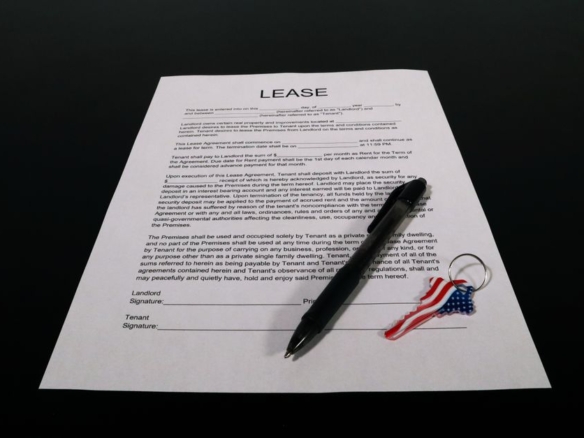
Review the lease alongside the quote rather than treating them as unrelated documents. Compare the address, unit, lease dates, rent, additional charges, and any concession. Identify provisions governing renewal, notice, guests, pets, and departure before the term ends. The Georgia housing handbook is a useful reference for residential rental questions, but a specific legal concern may need qualified advice.
Once possession and access arrangements are confirmed, coordinate utilities, movers, building reservations, and key collection. Ask which documents the property needs before releasing access. On arrival, photograph the condition and use the property’s reporting process to identify existing issues. Save copies of what you submit. Your moving plan is complete when the practical arrangements, financial commitments, and written agreement describe the same home and timeline.
Getting quotes for the move itself
Moving costs are the line people most often leave out of an Atlanta budget, and the only way to price them is to get quotes for your actual distance and volume. Angi lists moving companies by area. Get more than one quote, and ask each what is included rather than comparing headline figures.
Find moving companies on Angi →
Homzora earns a commission if you request a quote through this link, at no cost to you.
Use a realistic sequence for the final weeks
Organize the remaining work by dependency. You can research neighborhoods and prepare documents before selecting an apartment, but you should not schedule a final furniture delivery around an unconfirmed possession date. Similarly, you can request utility information early while waiting to activate service until the address and timing are settled. This prevents a change in one decision from creating several avoidable charges elsewhere.
Create a short weekly review of the tasks still open. Identify what you can complete, what requires a response from someone else, and what could delay the move. If an essential answer remains missing, follow up before adding more commitments. The purpose is to keep the plan understandable, not to produce an elaborate schedule that nobody checks.
For a household moving together, assign responsibility for each task and keep confirmations in a shared location. One person might handle the property correspondence while another coordinates movers. Both should be able to find the access date, payment record, and contact information. Clear responsibility reduces the chance that everyone assumes someone else arranged an essential service.