Midtown deserves a rental search focused on individual addresses. Two apartments advertised under the same neighborhood name can offer different walking routes, building layouts, parking arrangements, and exposure to street activity. The useful question is not whether Midtown is universally a good place to rent. It is whether a particular apartment supports your budget and the way you expect to live.
This guide helps you evaluate that fit without inventing a neighborhood rent average or assigning unsupported scores. It uses official transit and mapping resources for local orientation, then provides a practical comparison method. The discussion does not represent inspections of individual buildings, a resident survey, or a ranking of property managers. Current availability and charges must come from the properties you investigate.
Start with the address and its relationship to Midtown
Keep the exact address at the top of every property record. A neighborhood label helps you begin a search, but it does not substitute for checking where the building sits and which entrances you would use. The Atlanta GIS portal provides neighborhood information that can help distinguish a verified geographic reference from marketing language.
Be especially careful when combining information from different sources. A business district, a neighborhood boundary, a postal area, and a rental platform’s search region may not describe identical territory. If you compare a published rent figure with a property quote, identify the geography and property type behind the figure first. Otherwise, the comparison may appear precise while describing different things.
For your own shortlist, use a consistent approach. Record the location, the nearest useful destinations, and the route you actually expect to follow. You can still consider a home outside your original search boundary, but label it accurately. Changing the boundary silently makes it harder to explain why one property appears cheaper or more convenient than another.
Understand the rail options without assuming equal access
Midtown has several recognizable rail access points. Midtown Alliance identifies North Avenue, Midtown, and Arts Center stations as serving the district on the Red and Gold lines. That is useful local orientation, but it does not establish the walk from every apartment or guarantee that every train provides the same direct trip at every hour.
Choose the station that works for your actual destination and schedule. Check the entrance, street crossings, and final walk after leaving the train. A property’s straight line distance from a station can conceal a less convenient pedestrian route. Someone using a mobility aid or carrying a child may also evaluate the same access differently from someone walking alone with a small bag.
Build a routine around the whole journey. If your trip requires a bus after the train, that connection belongs in the comparison. If your workplace is within walking distance, test the walk at the time you would make it. A neighborhood with useful transit still requires a realistic plan for the particular trips that matter to your household.
Match your cultural interests to your actual routine
The MARTA Arts Center station page identifies nearby destinations including the High Museum of Art, Alliance Theatre, and Atlanta Symphony Hall. Their presence can help orient a search for someone who expects to visit that area regularly. It should not become an assumption that every Midtown renter uses those destinations or values proximity equally.
Think about how often a nearby attraction will affect your week. A destination you visit once a year may matter less than the place where you buy groceries or collect medication. Make separate notes for occasional interests and regular necessities. This prevents an appealing neighborhood identity from overshadowing the everyday errands that determine whether a location feels convenient.
If an attraction or venue is central to your decision, confirm its location and access independently. Then compare the route from the property entrance. Do not rely on a building brochure to establish operating hours, event schedules, or walking conditions. Those details can change, and a rental decision should not depend on an assumption that has never been checked.
Compare buildings through their operating details
Instead of treating newer finishes as a complete quality measure, ask how the property functions. How are maintenance requests tracked? Who responds when something urgent happens outside office hours? How are deliveries received? How do residents enter after the leasing office closes? These questions reveal aspects of living in a building that photographs rarely explain.
If the apartment depends on elevators, ask about the route from parking or the street, moving reservations, and procedures during an outage. If the property uses shared laundry or package storage, inspect those areas and understand access. None of these features automatically makes a building unsuitable. Their importance depends on whether the arrangement matches your needs and expectations.
Keep answers associated with the exact unit and agreement. A property may offer multiple parking arrangements or utility packages. The availability of a feature somewhere in the building does not establish that it is included with the apartment you are considering. Request written confirmation when the feature materially affects the decision or the total monthly cost.
Examine the apartment beyond its advertised floor area
A floor plan is most useful when you connect it to furniture and daily activities. Measure the space needed for a bed, dining arrangement, desk, and storage. Consider doors opening into circulation space and the location of windows or equipment. Two units with similar advertised area can function differently because of their proportions and the way rooms connect.
Ask whether the tour shows the intended apartment. Unit orientation and location within a building can affect light, outlook, and nearby activity. An apartment facing an internal service area raises different questions from one facing a street. Avoid translating a pleasant model tour into a conclusion about a unit you have not seen.
If you work at home, investigate where you will take calls and place equipment. Test the available mobile signal during the visit if practical, and verify internet service for the exact apartment. A common workspace can be useful, but ask about hours and availability before treating it as a dependable replacement for space inside your own home.
Build a complete Midtown price comparison
Request the base rent, lease duration, concession terms, and recurring charges in writing. Add parking, utilities, internet, insurance, and household specific expenses consistently. Your comparison should reveal the amount due in an ordinary month, not merely an average that includes a temporary concession. Keep upfront cash requirements in a separate column.
For a hypothetical comparison, suppose one apartment has $1,950 base rent and $300 in housing extras, while another has $2,100 base rent and $100 in extras. Their monthly housing totals are $2,250 and $2,200 respectively. These figures are not observed Midtown prices. They show why the lower advertised rent is not necessarily the lower complete cost.
Record the date of each quote and the unit to which it applies. A price for a different floor plan, start date, or lease duration is not an interchangeable comparison. If an apartment disappears from availability, do not keep using its old quote as though you can still choose it. A useful shortlist describes options that remain actionable.
Decide what keeping a car would mean
If you intend to keep a vehicle, investigate parking as part of the property rather than as an afterthought. Ask whether a space is assigned, whether access devices are included, and what visitors must do. Measure or confirm clearance when your vehicle requires it. Understand how you would load groceries and reach the unit from the space.
If you hope to reduce driving, distinguish that goal from eliminating vehicle ownership. A shorter commute may reduce some costs while leaving insurance and financing unchanged. Test your recurring errands and less frequent trips before assuming that a station nearby makes a vehicle unnecessary. Your preferred arrangement should work on ordinary inconvenient days as well as on a pleasant weekend visit.
Observe activity without inventing neighborhood safety scores
Visit the immediate area at more than one time if practical. Pay attention to lighting, crossings, loading activity, and the sounds reaching the apartment. These observations support a personal fit decision, but they are not a statistically valid neighborhood safety assessment. Avoid treating one quiet visit or one uncomfortable encounter as a complete description of the area.
Ask specific property questions instead of requesting vague reassurance. Find out how entry systems operate, where maintenance concerns are reported, and how residents handle a lost access device. Evaluate what is visible and documented. Do not promise yourself a level of security based solely on a controlled entrance, a concierge desk, or the appearance of a lobby.
Make the final comparison around your priorities
Choose a small set of criteria you can explain: complete cost, commute, usable layout, required accessibility, and confidence in the written terms. Rank those priorities before comparing amenities. If two apartments perform differently, describe the tradeoff in ordinary language. One may cost more but eliminate a difficult daily connection; another may provide more space while requiring additional travel.
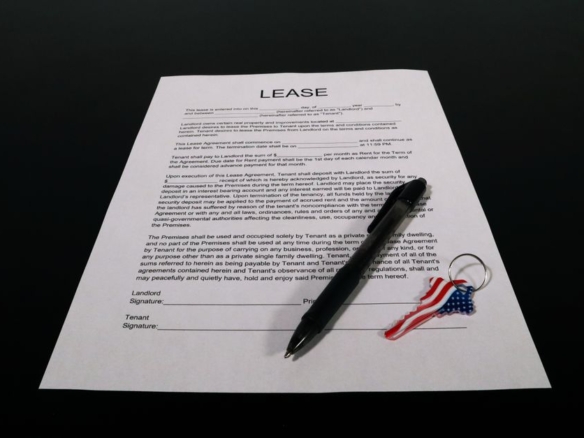
Before applying, identify every unresolved condition that could change your answer. Ask for the intended lease and verify that important promises appear in writing. Keep your notes with the quote and tour photographs. A strong Midtown choice is a property you can explain in terms of your actual routine, not simply an address carrying a neighborhood name you hoped to obtain.
Compare two locations within the same district
When both finalists carry the Midtown label, write down what actually differs between their locations. One may be closer to the station you need, while the other shortens an errand you make more frequently. Compare those routes directly rather than treating the shared neighborhood name as evidence that the locations are equivalent.
Try a simple personal experiment: describe an ordinary Tuesday from each address, including departure, return, groceries, and any evening activity. Then describe a weekend day. The exercise can expose a convenience you would use repeatedly or an inconvenience you have overlooked. Keep the results personal and qualitative unless you have measured the relevant distances or times. They are a decision aid, not a neighborhood score to present as research.