Boston’s competitive real estate market demands efficiency and security at every turn. Whether you’re managing a triple-decker in Dorchester, overseeing rental properties in Cambridge, or handling estate sales in Beacon Hill, professional key management can make or break your operations. A wall-mounted key cabinet lock box isn’t just another piece of hardware, it’s an essential tool that transforms how New England property professionals handle access control, tenant management, and property security.
The harsh New England winters, with their ice storms and nor’easters, create unique challenges for property managers and real estate professionals. Traditional lockboxes hanging from door handles can freeze, break, or become completely inaccessible when buried under snow. Wall-mounted key cabinets offer a permanent, weather-resistant solution that keeps keys secure and accessible year-round, regardless of what Mother Nature throws at your properties.
Understanding Professional Key Management Systems
Professional key management goes far beyond simply hiding a spare key under a doormat or in a magnetic box. For Boston-area real estate professionals, proper key management systems provide multiple layers of security, accountability, and convenience. Wall-mounted key cabinet lock boxes serve as centralized command centers for property access, allowing authorized personnel to retrieve keys while maintaining detailed records of who accessed what property and when.
These systems typically feature heavy-duty construction designed to withstand New England’s temperature extremes, from humid summers that can reach the high 80s to bitter winters that regularly dip below freezing. The best units incorporate weather seals, corrosion-resistant materials, and mechanisms that won’t freeze or jam in cold conditions, crucial considerations for properties throughout Massachusetts, New Hampshire, Vermont, Maine, Rhode Island, and Connecticut.
Modern key cabinet systems also integrate with property management software, allowing real estate professionals to track access patterns, identify security concerns, and maintain compliance with local regulations. This level of sophistication proves invaluable when managing multiple properties across Boston’s diverse neighborhoods, from the Victorian homes of Jamaica Plain to the modern condominiums of the Seaport District.
Why Boston Real Estate Professionals Need Dedicated Key Storage
Boston’s real estate landscape presents unique challenges that make professional key management essential. The city’s historic architecture means many properties feature original hardware, antique keys, or complex master key systems that can’t be easily replaced if lost. A single lost key to a Back Bay brownstone might require re-keying multiple locks, costing hundreds or even thousands of dollars in locksmith fees and replacement hardware.
The rental market in Greater Boston moves at lightning speed, particularly around colleges and universities. Properties near Harvard, MIT, Boston University, and Northeastern often see multiple showings per day during peak rental seasons. Having secure, organized key storage allows leasing agents to efficiently manage back-to-back appointments without the security risks associated with carrying dozens of keys or hiding them in unsecured locations.
Local regulations add another layer of complexity. Massachusetts General Laws Chapter 186 outlines specific requirements for landlord access to rental properties, including proper notice and legitimate business purposes. Having a professional key management system helps ensure compliance while providing documented access logs that can protect property owners in disputes.
Security Challenges in Urban Boston
Boston’s urban environment creates security concerns that suburban or rural property managers might not face. Break-ins, vandalism, and unauthorized access attempts occur more frequently in densely populated areas. Traditional lockboxes can be easily tampered with, cut off, or damaged by vandals. Wall-mounted key cabinets, when properly installed, provide superior security through reinforced mounting systems, tamper-evident seals, and advanced locking mechanisms.
The transient nature of some Boston neighborhoods, particularly those near colleges, means property managers must constantly balance accessibility with security. Students, temporary residents, and frequent tenant turnover create ongoing challenges in key management. A professional system allows for easy key code changes without replacing the entire unit, making it cost-effective to update access credentials as needed.
Types of Wall-Mounted Key Cabinet Lock Boxes
The market offers several distinct categories of wall-mounted key storage solutions, each designed for specific use cases and security levels. Understanding these differences helps property managers choose the right system for their particular needs and properties.
Combination Lock Systems
Combination lock key cabinets represent the most common type of wall-mounted key storage. These units typically accommodate 3-12 digit combinations and can hold anywhere from 5 to 50+ keys depending on size. For Boston real estate professionals, combination systems offer the advantage of easy code sharing with authorized personnel without the need for physical key distribution.
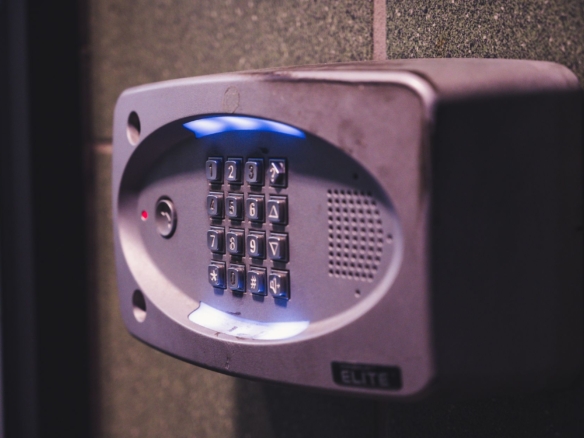
Premium combination units feature weather-resistant keypads with large, easy-to-read numbers that remain visible even in low light conditions, important for properties in Boston’s narrow alleys or shaded courtyards. Some models include backlit displays or glow-in-the-dark numbers for enhanced visibility during early morning or evening property showings.
The ability to quickly change combinations makes these systems ideal for properties with regular staff turnover or seasonal rental patterns common in college areas like Allston-Brighton or Fenway. When a property manager leaves or a cleaning service contract ends, simply changing the combination maintains security without requiring hardware replacement.
Electronic and Smart Key Cabinets
Electronic key cabinets represent the cutting edge of property access management. These systems often include features like audit trails, time-restricted access, individual user codes, and smartphone connectivity. For large-scale property management companies operating throughout Greater Boston, these advanced features provide unprecedented control and accountability.
Smart key cabinets can integrate with property management software, automatically logging when specific keys are removed and returned. This data proves invaluable for tracking maintenance visits, inspections, and showings. Some systems even send alerts if keys aren’t returned within specified timeframes or if unauthorized access attempts occur.
Battery life and weather resistance become critical factors for electronic systems in New England’s climate. Look for units rated for extended temperature ranges and featuring long-lasting lithium batteries that won’t fail during Boston’s coldest winter days.
Keyed-Alike and Master Key Systems
For property management companies overseeing multiple buildings, keyed-alike or master key cabinet systems offer centralized control. These units use physical keys for access but allow one master key to open multiple cabinet locations throughout a property portfolio.
This approach works particularly well for large apartment complexes or property management companies with offices in different Boston neighborhoods. Maintenance supervisors can carry a single master key while individual property managers have access only to their specific locations.
Installation Considerations for New England Properties
Installing wall-mounted key cabinets in New England properties requires careful consideration of local building materials, weather patterns, and architectural constraints. Boston’s historic buildings often feature brick, stone, or unusual construction materials that demand specific installation approaches.
Many Boston-area properties built before 1950 have solid masonry walls that require masonry bits and special anchors. Victorian homes might have decorative exterior elements that limit mounting locations, while modern condominiums could have restrictions on exterior modifications. Always check with building management or homeowners associations before installing permanent key storage solutions.
Weather Protection and Positioning
New England’s weather extremes demand careful positioning of key storage systems. Install cabinets in locations protected from direct rain and snow when possible, such as under overhangs, in recessed doorways, or on walls with natural wind barriers. This protection extends the life of both mechanical and electronic components while ensuring reliable operation during storms.
Avoid locations where ice dams commonly form or where snow removal equipment might cause damage. Consider the prevailing wind direction during nor’easters and position cabinets accordingly. In coastal areas like Lynn, Quincy, or Revere, salt spray protection becomes an additional consideration requiring marine-grade materials and finishes.
Height placement should account for snow accumulation, a cabinet installed at standard height might become inaccessible after a typical Boston snowstorm dumps 12-18 inches. Installing units 5-6 feet above ground level ensures access even during heavy snow periods while remaining reachable for normal operation.
Security Mounting Techniques
Professional installation requires tamper-resistant mounting hardware that prevents unauthorized removal. Use security screws, concealed bolts, or specialized fasteners that can’t be easily defeated with common tools. For high-value properties or areas with elevated security concerns, consider professional security system integration.
The mounting surface preparation proves crucial for long-term reliability. Clean surfaces thoroughly, use appropriate primers for the substrate material, and ensure proper drainage around the installation area. Poor surface preparation can lead to water infiltration, rust, and eventual system failure.
Key Features to Look for in Professional Systems
When selecting a wall-mounted key cabinet for Boston-area properties, certain features prove more valuable than others given local conditions and use patterns. Understanding these priorities helps ensure you choose a system that performs reliably over years of New England weather exposure.
Check on Amazon → to explore current options and compare features across different manufacturers and price points.
Weather Resistance and Durability
Look for IP65 or higher weather resistance ratings, indicating protection against both dust intrusion and water jets from any direction. New England storms can drive rain horizontally, making standard “rainproof” ratings insufficient for reliable operation.
Construction materials should include corrosion-resistant metals like stainless steel or marine-grade aluminum with powder-coated finishes. Plastic components should be UV-stabilized to prevent degradation from sun exposure, particularly important for south-facing installations that receive direct sunlight year-round.
Operating temperature ranges must accommodate Boston’s climate extremes. Quality units function reliably from -20°F to 120°F, covering the range from bitter winter nights to hot summer days when dark-colored cabinets absorb significant solar heat.
Capacity and Organization Features
Consider both current and future key storage needs. A property manager currently overseeing five units might expand to fifteen within a few years. Modular systems allow capacity expansion, while fixed-size units require replacement as portfolios grow.
Internal organization features like numbered hooks, color-coded tags, or adjustable dividers help maintain order and reduce key mix-ups. When managing multiple properties across different Boston neighborhoods, clear organization prevents costly mistakes and saves time during busy periods.
Some systems include space for additional items like garage door remotes, alarm system fobs, or mailbox keys, common necessities in Boston’s diverse property types from single-family homes to large apartment complexes.
Access Control and Audit Capabilities
Modern property management requires detailed records for legal compliance, security monitoring, and operational efficiency. Basic audit trails might include timestamps for access events, while advanced systems provide individual user identification, key-specific tracking, and smartphone notifications.
For property managers subject to fair housing regulations or tenant privacy laws, having documented access records can provide legal protection. These records demonstrate legitimate business purposes for property entry and help resolve any disputes about unauthorized access.
Consider systems that allow different access levels for different personnel. Maintenance staff might need access during business hours only, while property managers require 24/7 access, and emergency contacts need access only during specific circumstances.
Cost-Benefit Analysis for Property Managers
Investing in professional key management systems requires upfront costs but typically provides significant long-term savings for Boston-area real estate professionals. Understanding these financial implications helps justify the investment and choose appropriately scaled solutions.
Direct Cost Savings
Lost keys represent a major expense category for property managers. Re-keying a typical Boston apartment might cost $200-400 per unit, while replacing keys for a master key system in a large building can reach thousands of dollars. A single prevented re-keying incident often pays for an entire key cabinet system.
Locksmith emergency calls during off-hours or weekends command premium rates in the Boston area, often $150-300 for basic service calls. Professional key management systems reduce these emergency situations by ensuring authorized personnel can always access properties when needed.
Are You a Licensed MA Real Estate Agent?
List your Boston rentals and properties free on Homzora. Zero fees. Zero commissions. Direct leads sent to you.
Time savings translate directly to cost savings for busy property managers. Organized key storage eliminates time spent searching for specific keys, traveling between properties to retrieve keys, or coordinating key handoffs between staff members. These efficiency gains compound across multiple properties and staff members.
Risk Mitigation Value
Security breaches, unauthorized access, and property damage represent potentially enormous costs that proper key management helps prevent. A single break-in incident can cost thousands in property damage, stolen items, tenant displacement, and increased insurance premiums.
Liability protection provides additional value. Documented access control systems demonstrate reasonable security measures, potentially reducing legal exposure in case of security incidents. This protection proves particularly valuable for properties in high-crime areas or buildings housing vulnerable populations.
Insurance benefits sometimes accompany professional security systems. Some carriers offer premium discounts for properties with documented security measures, including professional key management systems with audit trails.
Integration with Property Management Workflows
Effective key management systems seamlessly integrate with existing property management processes, enhancing rather than complicating daily operations. For Boston-area professionals juggling multiple properties, tenants, and service providers, this integration can significantly improve operational efficiency.
Maintenance and Service Coordination
Coordinating maintenance visits across multiple properties becomes much simpler with centralized key storage. Instead of meeting service providers at each location or hiding keys in unsecured locations, property managers can provide cabinet access codes and track exactly when maintenance personnel accessed specific properties.
This system proves particularly valuable during Boston’s harsh winters when travel between properties becomes difficult or dangerous. Maintenance staff can complete urgent repairs like frozen pipe issues or heating system failures without requiring property manager presence on-site.
Service provider accountability improves significantly with documented access records. Property managers can verify that contracted work was completed as scheduled and identify any discrepancies between reported and actual service times.
Tenant Relations and Showing Management
Professional key storage systems improve tenant relations by ensuring reliable access for legitimate purposes while maintaining security. Tenants appreciate knowing their landlords take security seriously and maintain professional standards for property access.
Showing management becomes more efficient with organized key storage. Real estate agents can access properties for client showings without extensive coordination, while detailed logs provide accountability for all property access. This efficiency proves crucial during Boston’s competitive rental seasons when properties move quickly.
Emergency access situations, such as wellness checks or urgent repairs, can be handled promptly with proper key management systems. Having reliable access methods can literally save lives in emergency situations while protecting property managers from liability.
Choosing the Right System for Your Boston Properties
Selecting the optimal key cabinet system requires careful evaluation of your specific property portfolio, operational needs, and growth plans. Boston’s diverse real estate market means what works perfectly for managing student rentals in Allston might not suit luxury condominiums in Back Bay.
Check on Amazon → for a comprehensive selection of systems suitable for different property types and management scales.
Property Portfolio Assessment
Begin by analyzing your current property portfolio and future expansion plans. Consider property types, locations, tenant demographics, and management complexity. A portfolio consisting primarily of single-family homes requires different key management approaches than large multi-unit apartment buildings.
Geographic distribution matters significantly in Greater Boston due to varying crime rates, weather exposure, and local regulations across different municipalities. Properties in Cambridge might have different security requirements than those in Worcester or Springfield.
Tenant turnover rates influence key management needs. Properties with high turnover require more frequent access code changes and greater system flexibility, while stable, long-term rental properties might prioritize durability over frequent updates.
Scalability and Future Planning
Choose systems that can grow with your business. Starting with oversized capacity costs relatively little more than smaller systems but eliminates the need for premature replacement as portfolios expand. Modular systems offer another approach, allowing capacity additions without complete system replacement.
Technology integration capabilities become increasingly important as property management software becomes more sophisticated. Systems that can connect with existing or planned software platforms provide greater long-term value than standalone units.
Consider staff training requirements and ongoing operational complexity. Simpler systems might be easier to implement initially but could lack features needed for larger operations. Balancing current simplicity needs with future capability requirements requires careful planning.
Maintenance and Long-Term Care
Professional key management systems require regular maintenance to ensure reliable operation throughout New England’s challenging weather conditions. Proper care extends system life, maintains security effectiveness, and prevents costly operational failures.
Seasonal Maintenance Requirements
Spring maintenance should include thorough cleaning to remove winter salt, dirt, and debris accumulation. Check all seals and gaskets for winter damage, lubricate moving parts, and test electronic components after temperature cycling through winter extremes.
Fall preparation involves weatherproofing checks, battery replacement for electronic systems, and ensuring drainage systems function properly before winter precipitation begins. Apply protective treatments to prevent corrosion from road salt exposure common in urban Boston environments.
Regular cleaning throughout the year prevents buildup of contaminants that can interfere with lock mechanisms or electronic sensors. Use appropriate cleaning agents that won’t damage finishes or compromise weather seals.
System Updates and Upgrades
Plan for periodic system updates as technology evolves and security requirements change. Software updates for smart systems should be applied promptly to maintain security and add new features.
Hardware upgrades might become necessary as portfolios grow or security requirements increase. Plan upgrade timing to minimize operational disruption, typically during low-activity periods or when conducting other property improvements.
Document all maintenance activities, updates, and any security incidents for future reference and warranty claims. This documentation also provides valuable data for evaluating system performance and planning future improvements.
Legal and Compliance Considerations
Massachusetts and local Boston regulations create specific requirements for property access, tenant privacy, and security measures. Professional key management systems must comply with these regulations while supporting legitimate business operations.
Massachusetts General Laws Chapter 186, Section 15B outlines landlord rights and responsibilities regarding property access. Proper documentation of access events helps demonstrate compliance with required notice periods and legitimate business purposes for entry.
Fair housing laws require consistent security measures across all properties regardless of tenant demographics. Professional key management systems help ensure equal treatment and documented compliance with anti-discrimination requirements.
Local building codes might restrict exterior modifications or require permits for certain installations. Check with local building departments before installing permanent key storage systems, particularly in historic districts or properties subject to architectural review.
Check on Amazon → to find systems that meet professional standards for security, durability, and compliance with local regulations.
Maximizing Return on Investment
Professional key management systems provide returns through multiple channels: direct cost savings, operational efficiency, risk reduction, and enhanced professional image. Maximizing these returns requires strategic implementation and ongoing optimization.
Track metrics like locksmith calls, lost key incidents, maintenance response times, and staff productivity to quantify system benefits. These measurements help justify initial investments and support decisions about system expansions or upgrades.
Train all staff members thoroughly on proper system use, maintenance requirements, and security protocols. Well-trained staff maximize system benefits while minimizing security risks and operational problems.
Regular system evaluation ensures continued optimal performance. As business needs evolve, system configurations might require updates to maintain maximum effectiveness and return on investment.
Professional key management transforms property operations from reactive security measures to proactive asset protection strategies. For Boston-area real estate professionals facing unique challenges from harsh weather, urban security concerns, and complex regulations, wall-mounted key cabinet lock boxes provide essential infrastructure for successful property management operations.
Are You a Licensed MA Real Estate Agent?
List your Boston rentals and properties free on Homzora. Zero fees. Zero commissions. Direct leads sent to you.
📋 Free: The Boston Renter’s Move-In Rights Checklist
Monthly insights on Boston rents, home tips, and investment opportunities, delivered free to your inbox.
Related Boston Housing Resources
Recommended for Boston Property Owners
Upgrade your Boston rental property with a reliable automatic gate opener. Easy installation, app control, and built for New England weather.
Premium Furniture for Your Boston Home
Elevate your Boston apartment or home with HERNEST modern furniture. Timeless designs built to last with fast delivery to Greater Boston.
📚 Related Reading on Homzora
Related posts