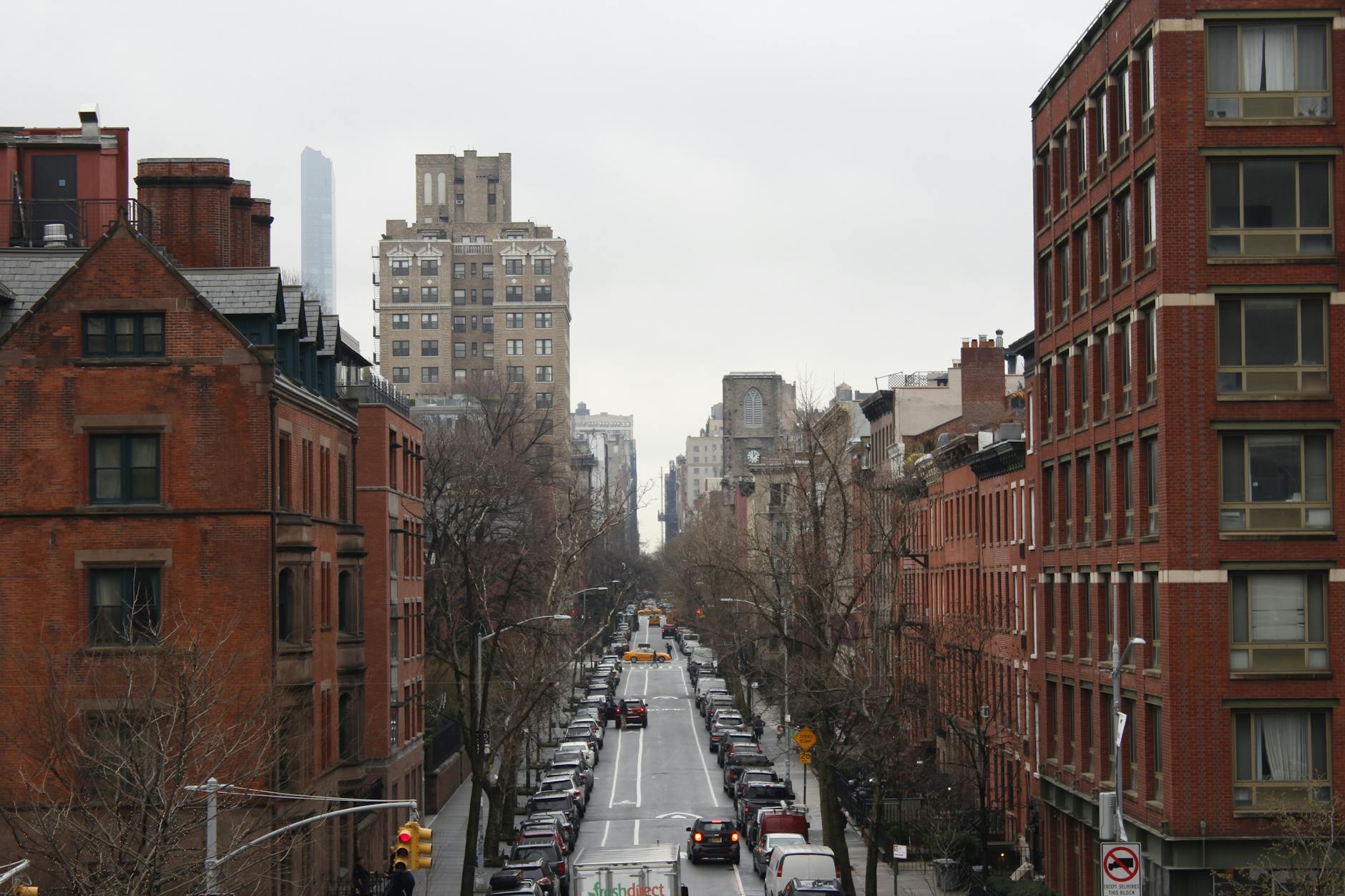
The South End is one of Boston’s most beloved neighborhoods, and for good reason. Its Victorian brownstones, tree-lined streets, award-winning restaurants, and genuine urban energy make it one of the most desirable places to rent in the entire city. But moving here without doing your homework can lead to some expensive surprises. Rents are high, parking is a constant headache, and the quality of your experience depends enormously on which block you land on and who your landlord turns out to be. This guide is written entirely for renters, not buyers, not investors, just people who want to find a great apartment in the South End and actually enjoy living there.
Boston Renter Intelligence Survey
How does your rent compare?
Add your numbers and get an instant read on what share of your income goes to rent, measured against what Boston renters actually report. You will also get the Q3 report free on October 7.
See how your rent compares →Average Rents by Unit Type in the South End for 2026
Rent prices in the South End have continued to climb, though the pace of increases has moderated compared to the wild swings seen earlier this decade. Understanding what the market looks like right now is the first step in finding a place that fits your budget without compromising too much on quality or location.
Studio Apartments
Studio apartments in the South End typically rent for somewhere between $2,000 and $2,600 per month in 2026. The lower end of that range usually means a smaller footprint, older finishes, and possibly a less desirable location closer to the edges of the neighborhood near Melnea Cass Boulevard. Studios in renovated buildings closer to Tremont Street or Columbus Avenue can push well past $2,400 with relative ease.
One-Bedroom Apartments
One-bedroom units are the most common rental type in the South End, and they reflect the neighborhood’s premium status clearly. Expect to pay between $2,600 and $3,400 per month depending on the building, the finishes, and how close you are to the neighborhood’s most desirable corridors. Garden-level units in older brownstones tend to sit at the lower end, while top-floor units with exposed brick, updated kitchens, and in-unit laundry push toward the upper range.
Two-Bedroom Apartments
Two-bedroom apartments in the South End range from about $3,400 on the very low end to well over $5,000 for renovated units in sought-after locations. The sweet spot for most renters sharing a two-bedroom is somewhere between $3,800 and $4,500. Splitting a two-bedroom with a roommate often makes far more financial sense than renting a one-bedroom alone, and many experienced South End renters take exactly that approach.
Three-Bedroom Apartments
Three-bedroom units are less common in the South End but they do exist, particularly in the larger Victorian brownstones that have been divided into family-sized units. Rents for three bedrooms generally fall between $5,000 and $7,000 per month. Some older buildings offer slightly lower rates, but those units often come with trade-offs in terms of condition and building management quality.
For a broader view of how South End rents compare to other neighborhoods across the city, the Boston Housing Data resource from Homzora is one of the most useful tools available to renters trying to benchmark pricing before they start touring apartments.
What You Actually Get for the Money
Rent is just a number until you understand what it buys you. In the South End, the gap between what a $2,800 apartment looks like and what a $3,800 apartment looks like can be enormous, and the difference is not always obvious from listing photos.
Older Brownstone Units
Many South End rentals are carved out of the neighborhood’s iconic Victorian brownstones, which were built primarily in the 1860s and 1870s. These buildings have tremendous character. High ceilings, original hardwood floors, bay windows, exposed brick walls, and decorative molding are common features that you simply cannot replicate in new construction. However, they also come with real trade-offs. Insulation is often poor, which means higher heating bills in winter. Windows can be drafty. Closet space is almost always insufficient by modern standards. Walls are thin, and sound travels easily between units. Some buildings have not had meaningful updates in decades, meaning kitchens and bathrooms may feel dated even at premium price points.
Renovated and Newer Buildings
There is a growing stock of fully renovated units and newer boutique buildings in the South End. These apartments typically offer modern kitchens with stone countertops and stainless appliances, updated bathrooms, central air conditioning, better insulation, and in-unit washer and dryer hookups. The trade-off is that they are more expensive and they often lack the raw character of an unrenovated brownstone. Some renters strongly prefer the charm of older buildings even with the inconveniences. Others prioritize modern amenities without hesitation. Knowing which camp you fall into before you start touring will save you a significant amount of time.
What Utilities Cost
Landlord Quality in the South End
This is the topic that most rental guides skip entirely, but it matters as much as location and price. The South End has a wide range of landlord types, from professional property management companies running larger buildings to individual owners renting out a unit in their own brownstone. Each comes with distinct advantages and disadvantages.
Individual Owner Landlords
Many South End brownstones are owned by individual landlords who may live in the building or own just a handful of units. The experience here is wildly variable. Some of these landlords are genuinely excellent, responsive to maintenance requests, flexible on lease terms, and invested in keeping good tenants happy. Others are slow to respond, treat the property as a passive investment, and are reluctant to address issues that do not directly threaten the building. Before renting from an individual landlord, try to speak with a current or former tenant if at all possible. Online reviews are not always available for smaller buildings, so asking directly can reveal a great deal about what day-to-day landlord communication actually looks like.
Professional Property Management Companies
Larger apartment buildings in the South End, particularly those built or substantially renovated within the last 20 years, are typically managed by professional companies. These operations tend to have clearer maintenance processes, written procedures for handling complaints, and more consistent communication. However, they can also feel impersonal, and rent increases at lease renewal are often more aggressive since management companies are optimizing for yield rather than tenant retention. Always read your lease thoroughly before signing, regardless of how polished the management office appears.
Noise Levels and What to Expect
The South End is an active, lively neighborhood, and noise is part of the bargain. Understanding where it comes from and how much of it you should expect will help you choose the right unit for your lifestyle.
Street Noise
Tremont Street is the neighborhood’s primary commercial corridor and it sees consistent traffic, delivery vehicles, restaurant activity, and pedestrian noise well into the evening. Apartments directly on Tremont are louder than those on side streets. Columbus Avenue is similarly busy, particularly near the Orange Line stations at Back Bay and Massachusetts Avenue. If you are a light sleeper or you work from home and value quiet during the day, targeting a unit on one of the neighborhood’s residential side streets is strongly advisable.
Are You a Licensed MA Real Estate Agent?
List your Boston rentals and properties free on Homzora. Zero fees. Zero commissions. Direct leads sent to you.
Restaurant and Bar Noise
The South End is packed with restaurants, and some of them are very popular. Units above or adjacent to restaurants can experience noise from patrons, kitchen ventilation, and delivery activity. Weekend nights are the worst in these locations. Ask specifically about nearby food and beverage establishments when you tour any unit in the neighborhood’s denser restaurant clusters around Tremont Street and Washington Street.
Neighbor-to-Neighbor Noise
As mentioned earlier, the thin walls of Victorian brownstones mean that you will hear your neighbors more than you might expect. This is especially relevant for garden-level units below street grade and for units that share a floor with another apartment. Top-floor units tend to offer the best noise insulation from other residents, though they come with their own trade-off in terms of heat retention during warm months.
The Parking Situation
There is no gentle way to say this: parking in the South End is genuinely difficult. Street parking requires a city resident permit, and even with a permit, finding a spot on a weeknight can take 20 to 30 minutes of circling. The neighborhood’s dense layout and high car ownership among residents creates competition for a finite number of street spots.
If having a car is essential to your lifestyle, renting a dedicated parking space is almost always worth the cost. Garage and lot parking in the South End typically runs between $250 and $400 per month. Some larger buildings include one parking space with apartment rental or offer it as an add-on. If a listing advertises parking as available, clarify immediately whether it is included in the rent, what the add-on cost is, and whether the space is covered, secured, or in an open lot.
Renters who do not own a car tend to find the South End extremely convenient. The Orange Line serves the neighborhood at Back Bay, Massachusetts Avenue, and Tufts Medical Center stations. The Silver Line bus runs along Washington Street. Several Blue Bike stations provide cycling options throughout the neighborhood. For car-free living, the South End is genuinely excellent.
Walkability and Getting Around
The South End consistently scores among the highest in Boston for walkability. Grocery stores, pharmacies, restaurants, coffee shops, dry cleaners, fitness studios, and parks are all accessible on foot from most parts of the neighborhood. The Back Bay Fens, Peters Park, and the Southwest Corridor Park all provide green space within easy walking distance. For commuters heading to downtown Boston, the Financial District, or the Seaport, public transit options make the South End one of the most convenient neighborhoods in the city. Anyone considering the South End would benefit from exploring comparisons with nearby areas using the Boston Neighborhood Finder tool, which helps renters evaluate how different Boston neighborhoods stack up on factors that matter most to them.
Best Streets to Live On in the South End
Not all blocks in the South End are equal, and experienced renters know that a street address can make a significant difference in quality of life.
Rutland Square and Union Park
These two small oval parks represent the South End at its most beautiful and most residential. The brownstones surrounding them are among the most desirable rental locations in the entire neighborhood. They are quieter than the main streets, beautifully maintained, and within easy walking distance of the best restaurants and shops. Expect to pay a premium for the privilege, but many renters who have lived here consider it entirely justified.
Braddock Park and Milford Street
Braddock Park is a hidden gem that many renters overlook. It offers similar park-facing beauty with slightly lower rents than Rutland Square or Union Park. Milford Street is also a quieter residential block with well-maintained buildings and a strong sense of community.
West Newton Street and Appleton Street
Both of these streets offer a nice balance of residential calm and proximity to Tremont Street’s restaurants and shops. They are popular with young professionals and couples who want a quieter bedroom but easy access to the neighborhood’s social energy.
Streets to Approach with More Research
The edges of the South End near Melnea Cass Boulevard require more careful evaluation. Some blocks here are improving steadily while others remain less consistent in character. This is an area where doing a thorough walk-through at different times of day is particularly important before committing to a lease.
What Renters Wish They Knew Before Moving to the South End
After talking to longtime South End residents and first-time renters who have made the move, a few recurring themes emerge about what people wished they had understood before signing a lease.
- Heat costs in winter are real and should be budgeted for carefully, especially in older buildings without updated insulation.
- The apartment that looks great in September rental photos often has a completely different light situation in January. Ask about natural light direction before committing.
- In-unit laundry is worth paying extra for. Shared laundry rooms in older buildings are often inconvenient and unreliable.
- Confirm exactly what is included in the security deposit terms before handing over a check. Massachusetts has specific legal requirements around security deposits, and renters should understand their rights fully.
- Ask about the lease renewal process and typical rent increase expectations before signing the initial lease. Knowing that a landlord historically raises rents 8 percent annually gives you important planning information.
- The restaurant scene is wonderful but also expensive for daily eating. Having a nearby grocery store you can actually walk to is something many renters undervalue until their second month.
- If you value your weekend mornings, confirm your building’s situation regarding trash collection and recycling pickup days, as noise from collection vehicles in dense areas can be significant.
- Renter’s insurance is not optional in a practical sense even when a lease does not technically require it. A plan or comparable protection gives renters important coverage against unexpected losses that a landlord’s policy will not cover.
How to Approach Your South End Apartment Search
The South End rental market moves quickly, particularly for the most desirable units. Apartments in premium locations on Union Park, Rutland Square, and Braddock Park are often rented within days of becoming available. Having your financial documents organized, your credit profile reviewed, and your budget clearly defined before you begin touring gives you a meaningful competitive advantage over renters who are still getting organized when a great unit appears.
Being realistic about trade-offs is also essential. If your absolute maximum budget is $3,000 per month for a one-bedroom, you will not find a renovated unit on Union Park. You may find a perfectly comfortable and well-located unit on a less prominent side street. Understanding what you are prioritizing, whether that is location, finishes, parking, noise level, or landlord quality, helps you evaluate each apartment against criteria that actually matter to you rather than chasing a perfect unit that does not exist at your price point.
Timing your search properly also matters. The South End, like most Boston neighborhoods, sees its most active rental turnover in the late summer months as leases tied to the academic calendar turn over in August and September. If you are flexible on timing, searching in late fall or winter can occasionally reveal units with slightly more room for negotiation on price or terms.
Final Thoughts for South End Renters
The South End is a genuinely special place to live in Boston. Its combination of architectural beauty, culinary excellence, walkability, and urban energy is hard to match anywhere else in the city. Renting here requires preparation, a realistic budget, and an understanding of what the market actually delivers at different price points.
Stay Ahead of the Boston Market
Monthly insights on Boston rents, home tips, and investment opportunities delivered free to your inbox.
Premium Furniture for Your Boston Home
Elevate your Boston apartment or home with HERNEST modern furniture. Timeless designs built to last with fast delivery to Greater Boston.
Related Boston Housing Resources
📚 Related Reading on Homzora
For the full picture on average rents, vacancy rates, and where the market is heading, see our Boston rental market analysis for 2026.